Location
Mount Vernon, WA 98274

Location
Mount Vernon, WA 98274
Ambient computing is quietly reshaping how we interact with technology, blending seamlessly into our environments to create smarter, more intuitive experiences. This shift promises to redefine convenience and connectivity in our daily lives without demanding constant attention.
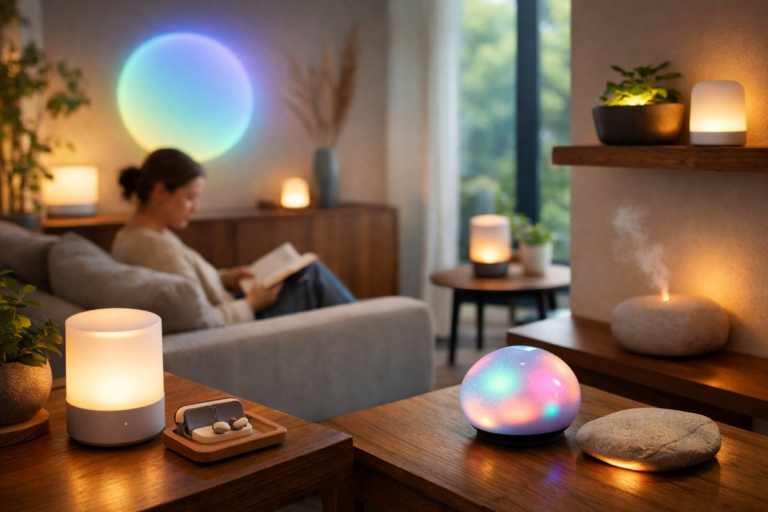
In recent years, the technology landscape has been steadily moving toward a vision where devices and systems operate unobtrusively in the background-this is the essence of ambient computing. Unlike traditional gadgets that require direct user engagement, ambient computing integrates sensors, artificial intelligence, and connectivity to anticipate needs and respond proactively. This subtle yet profound shift is changing how we experience technology, making it more natural, personalized, and context-aware.
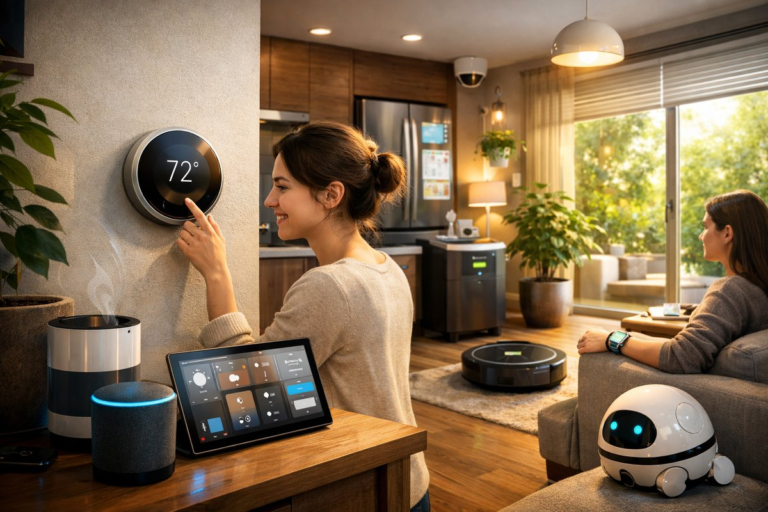
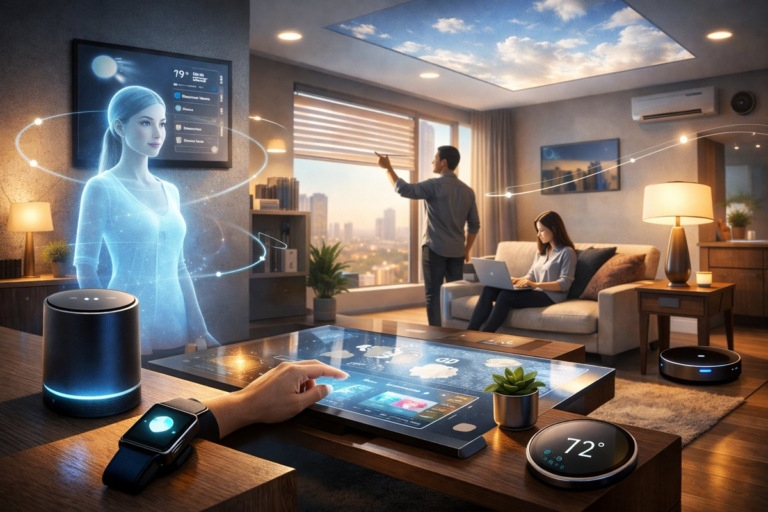
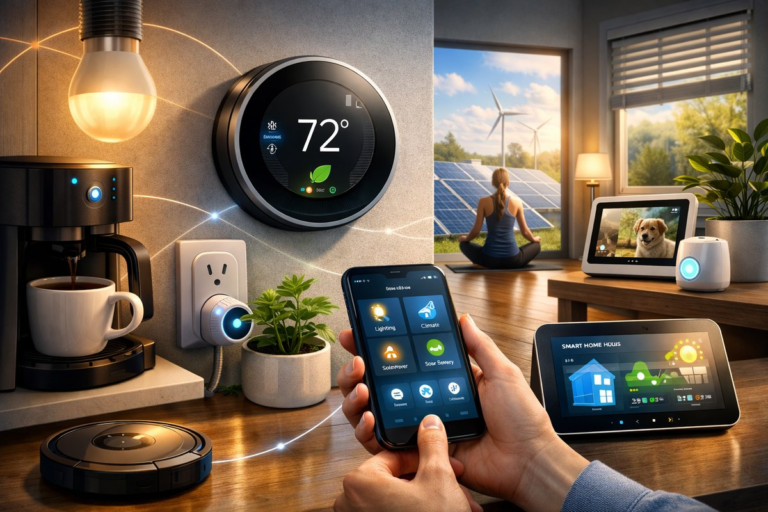
At its core, ambient computing is about embedding intelligence into everyday environments. Smart speakers were among the first mainstream devices to hint at this future, offering voice-activated assistance without the need for screens or buttons. Today, this concept extends far beyond audio commands. Homes equipped with smart thermostats, lighting systems, and security sensors collaborate to optimize comfort and safety automatically. These systems learn from user behavior, adjusting settings dynamically to reduce energy consumption and enhance wellbeing.
One compelling aspect of ambient computing is its potential to democratize access to technology. By reducing the friction of traditional interfaces, it opens doors for individuals who may find conventional devices challenging-such as older adults or people with disabilities. Voice recognition and gesture controls, combined with context-aware responses, allow technology to adapt to the user rather than forcing users to adapt to technology.
The workplace is also undergoing transformation through ambient computing. Intelligent meeting rooms can adjust lighting and acoustics based on the number of participants and the nature of the discussion. Digital assistants can transcribe conversations in real-time, highlight action items, and schedule follow-ups without interrupting the flow of meetings. This seamless integration helps reduce cognitive load, allowing professionals to focus on creativity and collaboration.
Privacy remains a paramount concern as ambient computing devices gather vast amounts of data to function effectively. Designers and manufacturers are increasingly prioritizing data minimization, local processing, and transparent user controls to ensure that ambient intelligence respects individual autonomy. The challenge lies in balancing convenience with ethical stewardship of personal information.
In the realm of health and wellness, ambient computing enables continuous monitoring through wearable sensors and smart home devices. These technologies can detect subtle changes in vital signs or daily routines, alerting users or caregivers to potential issues before they escalate. Such proactive health management exemplifies how ambient computing can deliver tangible benefits beyond mere convenience.
Education and entertainment are also poised to benefit from this technology wave. Learning environments can adapt content delivery based on student engagement and comprehension, while entertainment systems can curate immersive experiences that respond to mood and context. The fusion of ambient intelligence with augmented and virtual reality promises to unlock new dimensions of interaction and storytelling.
Despite these exciting possibilities, the ambient computing revolution faces hurdles. Interoperability between devices from different manufacturers remains a technical challenge. Users may experience frustration if systems fail to communicate seamlessly or require complex setup. Moreover, there is a risk that overreliance on automated systems could diminish human agency or critical thinking if not thoughtfully implemented.
Looking ahead, the trajectory of ambient computing suggests a future where technology fades into the background, enriching our lives without demanding constant attention. This vision aligns with a broader cultural shift toward mindfulness and intentional living, where tools serve to amplify human potential rather than distract or overwhelm.
As this quiet revolution unfolds, it invites curiosity and critical reflection. How can we design ambient systems that honor privacy, foster inclusivity, and support sustainable practices? What new forms of creativity and connection will emerge when technology becomes a seamless extension of our environments? These questions will shape the next chapter of innovation, challenging creators and users alike to imagine a more harmonious coexistence with the digital world.
In embracing ambient computing, we are not just adopting new gadgets-we are rethinking the very relationship between humans and machines. This evolution holds promise for a future where technology empowers us gently and intelligently, enhancing everyday moments with subtlety and grace.