Location
Mount Vernon, WA 98274

Location
Mount Vernon, WA 98274
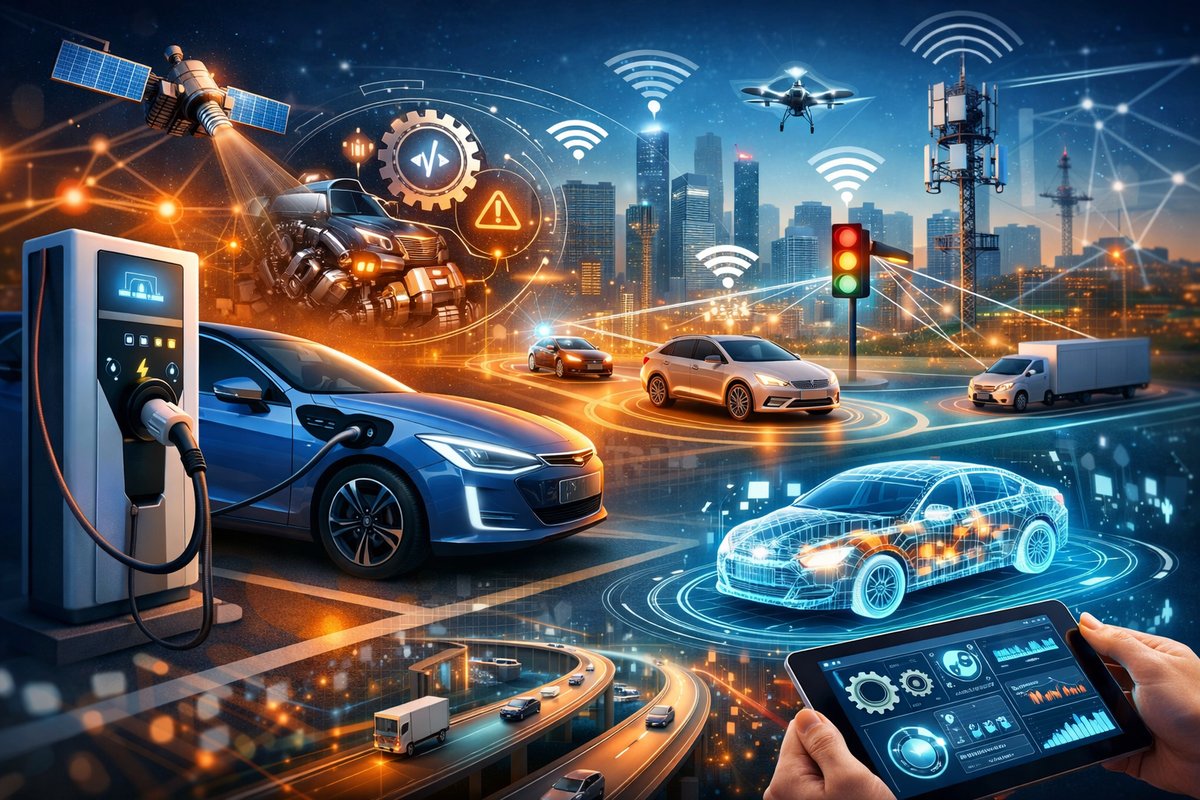
From ultra-rapid chargers to sensor-packed diagnostics, the automotive world is shifting its focus from raw power to precision data. In this report, we survey cutting-edge technologies-from predictive maintenance sensors to vehicle-to-everything networks-that are reshaping transportation at every scale.
Every era in automotive history has been defined by a breakthrough: the internal combustion engine, assembly line production, the transistorized ECU. Today’s defining frontier places data at the center of the wheel. Instead of simply extracting more horsepower, automakers and mobility providers are weaving software, sensors, and connectivity into every bolt and beam. The results promise smoother journeys, fewer roadside breakdowns, and a web of smart infrastructure that talks to cars, cyclists, and traffic lights alike.
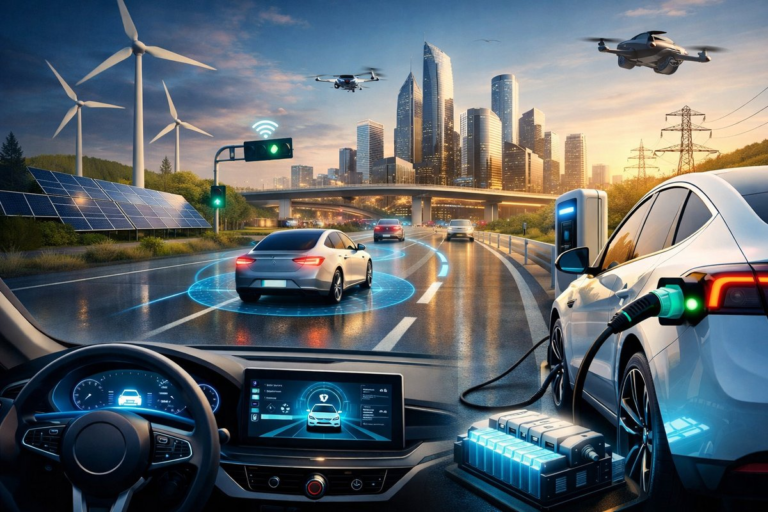
One of the most visible signs of this shift is the explosive growth of charging infrastructure and power management technology around electric vehicles (EVs). Public charging stations now number more than 1.3 million worldwide, with ultra-rapid chargers capable of delivering 250 kW or more. To handle such high currents safely, liquid-cooled charging cables-which keep cable temperature within tolerances during continuous operation-have become standard at many urban hubs. Meanwhile, battery thermal management systems inside vehicles orchestrate coolant flow to keep cells at an optimal temperature, extending battery life and enabling consistent fast-charging performance.
Behind the scenes, these power flows are orchestrated by edge computing modules and smart energy management platforms. Local controllers aggregate data from individual charging stalls, forecasting demand spikes based on real-time grid conditions, weather forecasts, and historical usage patterns. When a station detects an overload risk, it can negotiate with nearby chargers to shed or shift load automatically, smoothing out grid peaks and avoiding costly upgrades. These distributed intelligence systems are increasingly managed through cloud-enabled dashboards, giving fleet managers complete visibility over station uptime, energy costs, and maintenance schedules.
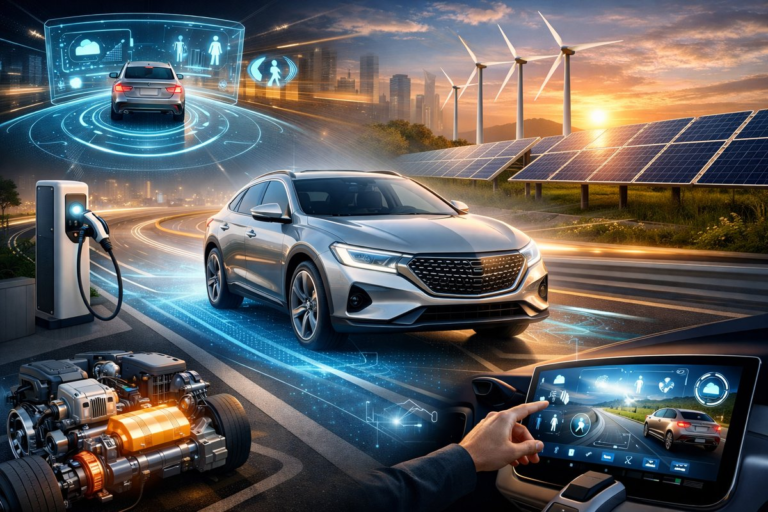
While electrification tackles power, a parallel revolution is happening in vehicle health monitoring. Gone are the days when a dashboard warning light was the first sign of a looming problem. Modern cars ship with dozens of sensors that watch engine vibrations, coolant pressure, brake pad wear, and even wheel bearing temperature. Using machine learning models trained on thousands of repair records, predictive maintenance platforms ingest this telemetry to detect subtle fault signatures long before a component fails.
Early deployments in commercial fleets have shown promise: one delivery operator reported a 30 percent reduction in unscheduled downtime after retrofitting vehicles with vibration sensors and cloud-based analytics. Operators receive mobile alerts when a bearing shows a growing imbalance or when brake rotor thickness drops below a safe threshold. Technicians can then schedule repairs at the next depot visit, avoiding emergency roadside replacements that can drag on for hours. With service labor accounting for a significant fraction of total operating costs, these data-driven insights translate directly to both safety and savings.
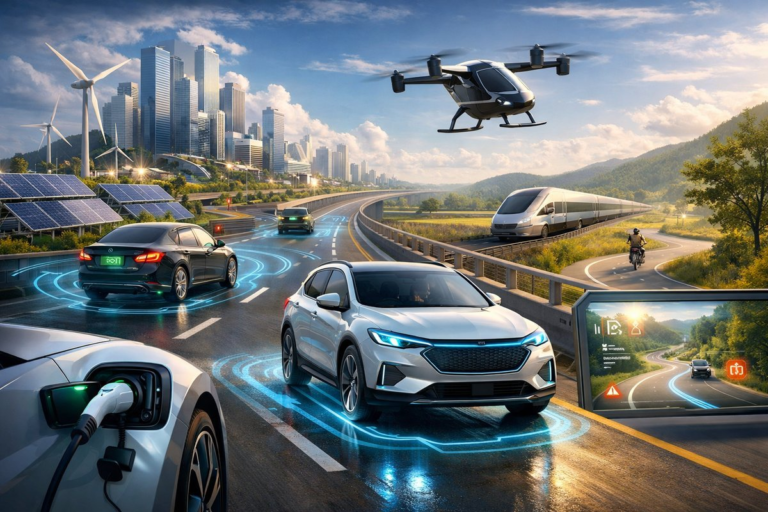
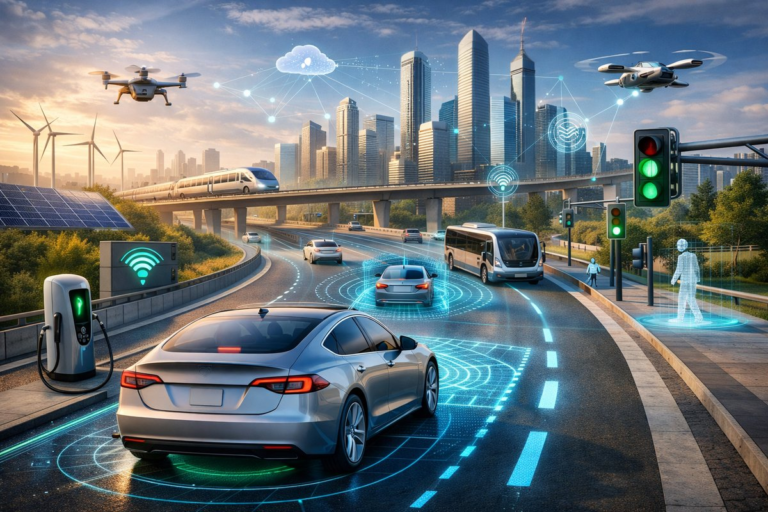
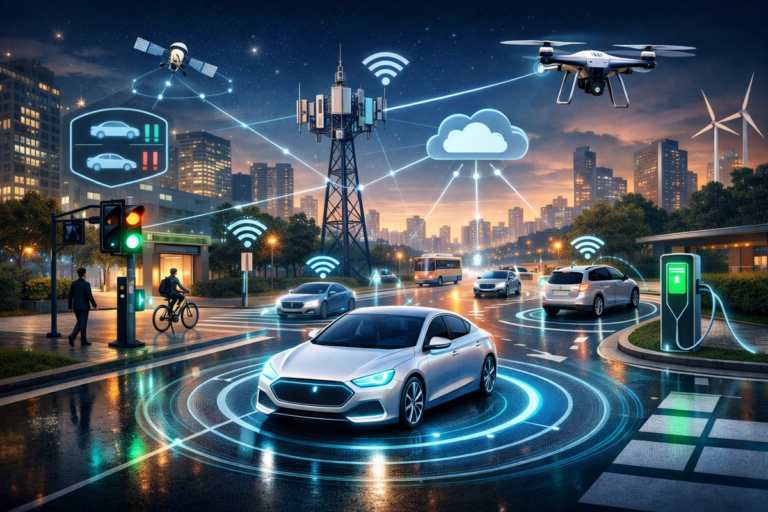
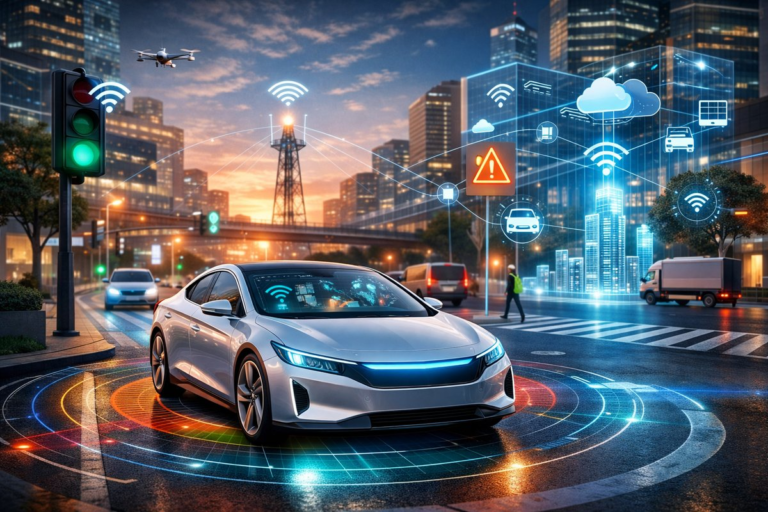
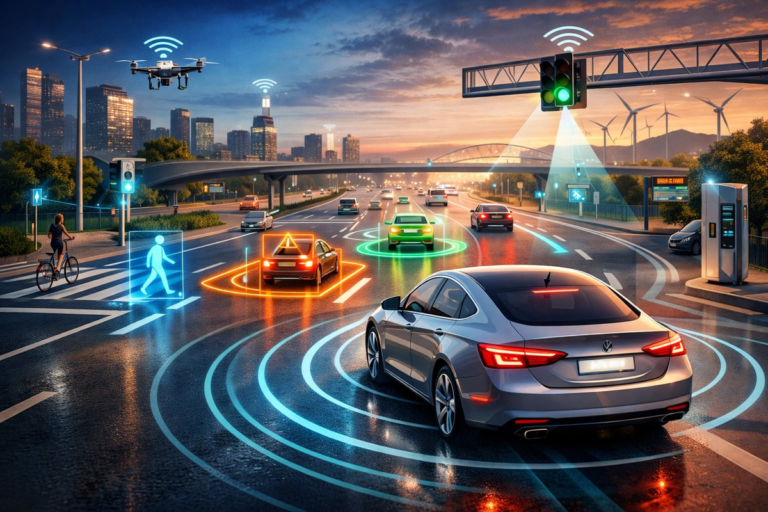
Connectivity is another pillar of the new mobility landscape. Vehicle-to-everything (V2X) communication networks-using dedicated short-range communication (DSRC) or cellular-V2X (C-V2X)-are being piloted in dozens of cities. In one case study, traffic signals in a midsize metropolitan area were upgraded to broadcast their phase timings, enabling approaching cars to adjust speed smoothly to catch green lights and reduce stop-and-go cycles. Tests found travel time improvements of up to 15 percent during peak hours, with fuel savings of roughly 10 percent for conventional vehicles and extended range for EVs.
Beyond intersections, V2X modules can also share accident alerts, roadwork updates, and pedestrian crossing warnings. Newer implementations integrate with public transit systems so roadside gateways can broadcast bus arrival times directly to smart dashboards-or even to car infotainment screens-helping drivers make carpool decisions on the fly. As 5G networks expand, bandwidth and latency improvements will allow richer data packets, including low-latency video snippets from roadside cameras to help autonomous vehicles navigate complex urban scenes.
Inside the cabin, the relationship between driver and machine is also being reimagined. Touchscreens remain ubiquitous, but haptic steering wheel feedback, eye-tracking sensors, and voice assistants are making controls more intuitive and less distracting. Some manufacturers now include driver monitoring systems that track head posture and eyelid movement, providing gentle steering-wheel vibrations or audio cues if attention levels drop. Advanced head-up displays project navigation cues and speed limits directly onto the windshield, reducing the time a driver’s eyes stray from the road.
Passenger comfort and personalization have grown in importance, too. On shared mobility vehicles, seat occupancy sensors, air-quality monitors, and UV sanitizing lights in the HVAC system are becoming standard. Data collected from onboard Wi-Fi hotspots can analyze aggregate passenger flow to help operators optimize routes and schedules. In electric shuttles, operators can track real-time battery state of health and adjust charging stops so that vehicles spend minimal time idle and maximum time earning fares.
As this hardware tapestry becomes more complex, over-the-air (OTA) software updates ensure that the latest safety patches and feature enhancements roll out seamlessly. When a critical vulnerability was discovered in a braking control module last spring, tens of thousands of cars received a firmware patch overnight with no dealership visit required. OTA updates also empower automakers to fine-tune powertrain calibration, introduce new infotainment apps, or activate premium driver assistance features for a limited trial period-often converting new features into new revenue streams.
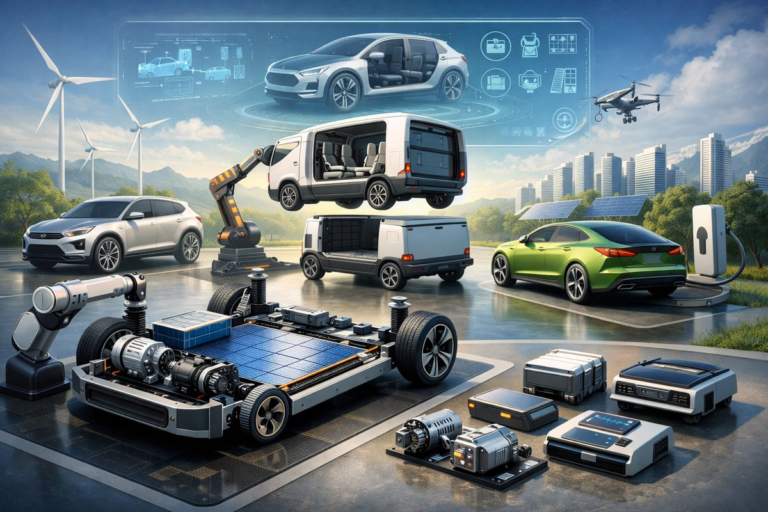
Sustainability doesn’t stop at zero-emission powertrains. The new wave of automotive design embraces circular economy principles, using recycled plastics in interior panels, closed-loop battery recycling systems, and bio-based composites that reduce weight and emissions across the vehicle lifecycle. In one pilot, seat frames were 3D printed from recycled aluminum powder, cutting both material waste and machining time. Parts that once required dozens of individual fasteners can now be printed as single assemblies with embedded sensor mounts.
On the dealership and service side, augmented reality (AR) tools are gaining traction. Technicians wearing smart glasses can overlay schematics onto the real-world engine, highlighting fluid levels, torque specifications, or safety warnings in their field of view. Training times drop as new hires can follow guided instructions without flipping through bulky manuals. For owners, AR mobile apps let them point a smartphone at their dashboard to receive step-by-step tutorials on simple tasks like topping-up washer fluid or replacing cabin air filters.
All these advances carry profound implications for mobility planning and policy. As fleets become instrumented with high-resolution data streams, cities can partner with private operators to optimize curb space, streamline loading zones, and reduce congestion hotspots. Infrastructure upgrades can be prioritized where collision risk remains high, guided by aggregated near-miss reports from connected vehicles. In rural areas, predictive maintenance tools can dispatch service vehicles proactively, reducing the chance of drivers being stranded on isolated roads.
This data-driven ecosystem still has hurdles to clear: interoperability standards must converge so that charging stations, vehicle systems, and city networks speak a common language. Cybersecurity remains a perpetual concern as more critical systems migrate to software-defined architectures. And equity considerations demand that advanced mobility benefits reach underserved communities, not just affluent early adopters.
Yet the trajectory is clear. By shifting focus from raw mechanical output to granular data orchestration, automotive technology is becoming smarter, safer, and more sustainable. Whether you’re a commuter seeking a seamless trip into downtown traffic or a fleet manager hunting every efficiency edge, the next generation of motion will be powered not just by electrons and torque but by ones and zeroes. The road ahead might be paved with data streams, but it leads to a future where vehicles and infrastructure work together in harmony-bringing us all along for the ride.