Location
Mount Vernon, WA 98274

Location
Mount Vernon, WA 98274
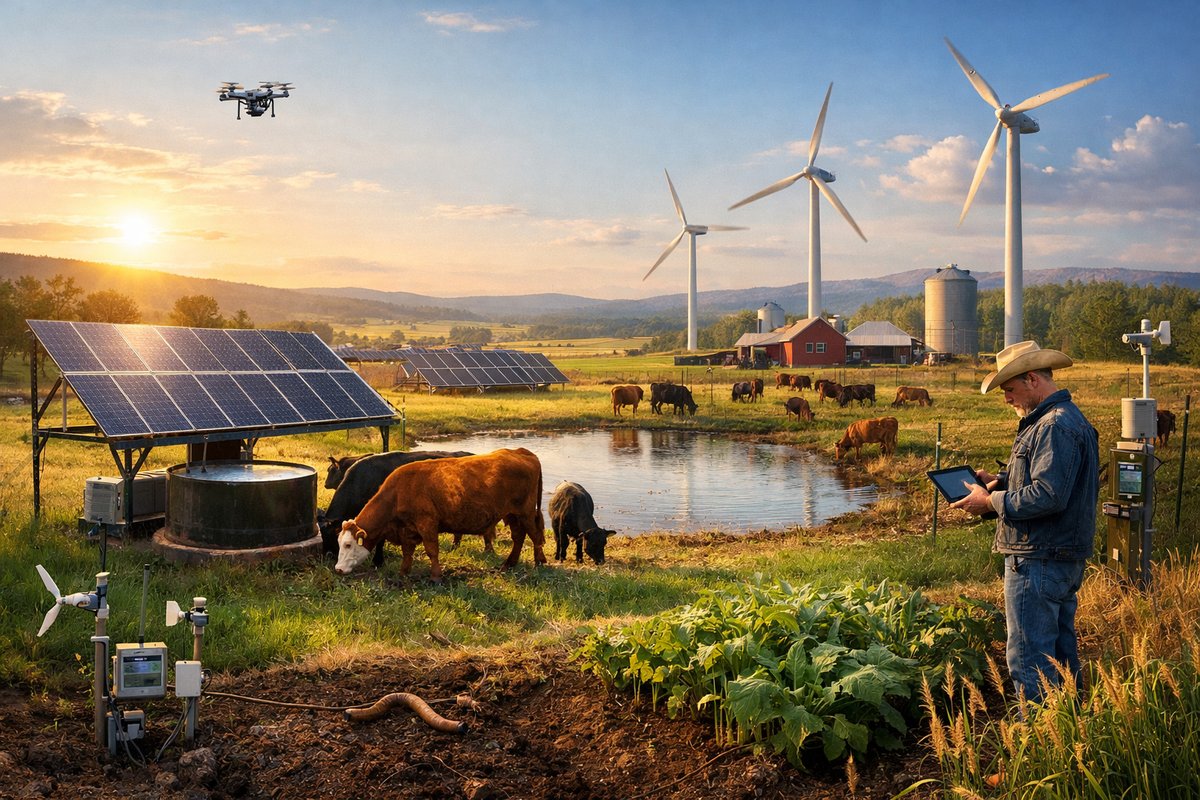
In a rural coalition spanning eight family farms, ranchers are piloting integrated systems that combine renewable energy, digital monitoring, and regenerative practices. Early results show significant cuts in emissions, feed costs, and water use-all while boosting herd health and soil fertility.
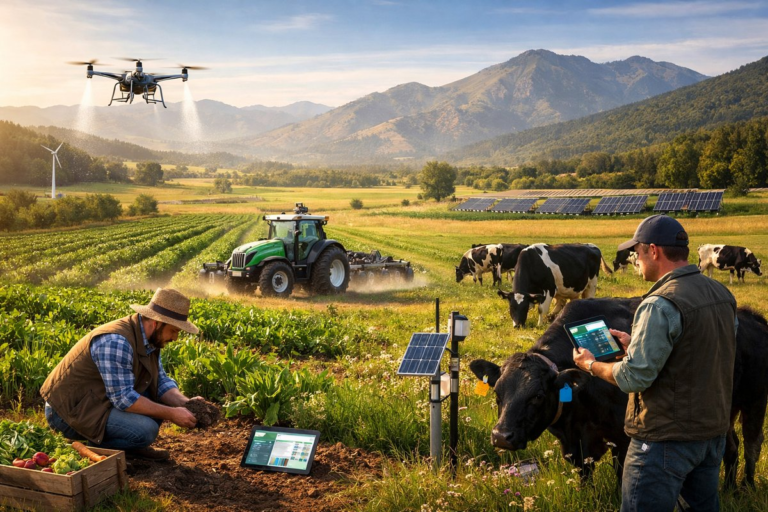
In the rolling hills of the Heartland, a coalition of eight family-owned farms is unveiling a new chapter in livestock stewardship. Representing more than half a thousand head of cattle across 300 acres of pasture, this group has joined forces to pilot an integrated system that blends renewable energy, digital monitoring, and hands-on animal welfare. At its heart is a solar-powered mobile feed mixer that slashes fossil fuel consumption by up to 70 percent. Early data reveals blending times cut in half and a 15 percent improvement in feed conversion ratios. Manager Sara Davis calls the pairing of time-tested husbandry with high-tech tools ‘a game changer’ for herd well-being and operational resilience.
Underneath the corrugated metal roof of a refurbished barn, a new anaerobic digester hums softly. Fed by livestock manure and crop residues, it captures methane emissions that would otherwise drift into the atmosphere. Over three months of operation, the community-run bio-digester has diverted nearly 200 metric tons of carbon dioxide equivalent and generated enough renewable gas to heat two adjacent homes year-round. Beyond greenhouse gas reduction, the system produces a nutrient-rich digestate that is being trialed as fertilizer on nearby cornfields, closing a loop from livestock waste back to crop fertility.
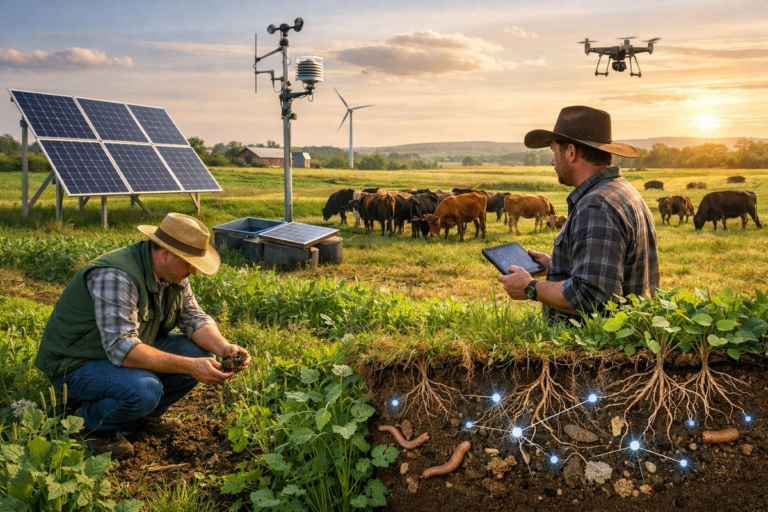
Solar arrays mounted on trailer frames power the mobile feed mixer and other small equipment scattered across paddocks. Each panel stands just over a meter high and plugs into the mixer’s inverter via quick-release connectors. When the midday sun peaks, the mixer churns a blend of alfalfa, barley straw, and protein supplements in under eight minutes-half the time of diesel-run units. Operators appreciate the quiet operation that keeps cattle calm during feeding and means no hauling expensive fuel to remote fields. Maintenance crews report that basic checks on panel cleanliness and wiring twice a month suffice to keep systems running at peak efficiency.
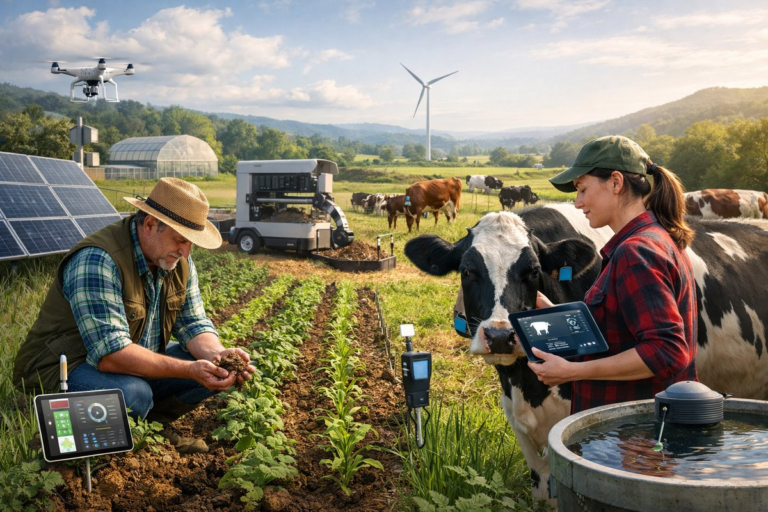
Watering animals in large paddocks has long posed challenges, from ice-clogged troughs in winter to contaminated runoff after storms. To address this, the farmers installed automatic watering troughs with built-in float valves and wireless level sensors. These devices relay real-time data on reservoir volume and water quality to a central dashboard. If a trough drops below a defined threshold or shows spiked turbidity levels, the system sends alerts to mobile devices. This setup has cut water wastage by 35 percent so far and ensured consistent hydration that correlates with higher average daily weight gains among the herd.
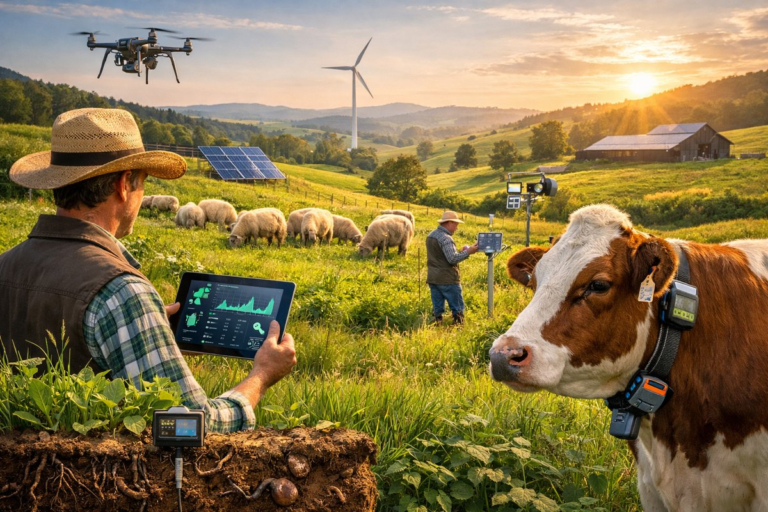
On the pasture itself, an array of soil moisture sensors, temperature probes, and GPS collars guide a dynamic rotational grazing plan. Rather than moving cattle on a fixed schedule, ranchers monitor pasture health metrics and herd movement patterns through a cloud-based mapping tool. When moisture dips below 20 percent in one zone, cattle are guided by temporary fencing to a greener paddock that has just completed rest for regrowth. This precision approach has boosted forage utilization by 25 percent and fostered deeper root systems that improve soil carbon sequestration over time.
Animal welfare gains center on proactive health monitoring. Each cow wears a simple RFID-based ear tag linked to a handheld reader that logs feeding behavior, activity levels, and body temperature. A spike in temperature or a drop in rumination time triggers an alert, allowing veterinarians to intervene within hours rather than days. A pilot group using this system saw a 40 percent drop in respiratory illness cases and reduced antibiotic use by 30 percent. Farmers report that catching infections early not only improves recovery rates but also cuts down on labor and treatment costs.
Meanwhile, the nutrient-rich material from the bio-digester and crop residues feed into a community-scale compost tumbler. Farmhands rotate the sealed drum twice a week to maintain aerobic conditions and speed decomposition. After six weeks, the output resembles dark, crumbly humus with an organic matter content of over 40 percent. This compost is applied to pastures and rotation fields, replacing synthetic fertilizers while boosting soil biology. Monitoring of nitrate leaching shows a 60 percent reduction compared to adjacent non-composted plots, safeguarding local waterways from nutrient pollution.
To extend the grazing season, some members have built hydroponic fodder sprouters on site. These steel racks with LED grow lights and automated misting pumps convert grains into fresh, nutrient-dense green fodder within seven days-slashing the cost of purchased hay in winter. The towers occupy under 50 square meters of barn space and yield up to 200 kilograms of fodder per cycle. While initial setup demands careful calibration of temperature and humidity, most operators find the system pays back within a single season thanks to feed savings and improved animal performance.
Recognizing that new technology can overwhelm small operators, the coalition established a local data hub and training center in partnership with a nearby agricultural college. Here, farmers and ranch hands attend workshops on everything from basic wiring and sensor troubleshooting to interpreting data trends and implementing corrective fencing layouts. In its first quarter, the center delivered more than 200 training hours and developed a peer mentorship program that pairs tech-savvy graduates with veteran operators. Participants report higher confidence levels and a willingness to experiment with next-generation solutions.
Early financial analysis underscores the potential for significant savings alongside environmental gains. Average cash costs per animal unit exposed to the new system are 20 percent lower, driven by reduced fuel, fertilizer, and feed expenses. Equally important, herd health improvements have translated into higher carcass quality scores and a premium at regional processing plants focused on traceability and animal welfare. For smaller ranches, the cooperative model has also unlocked bulk purchasing discounts on equipment and group financing options, smoothing out capital requirements for each member.
Yet the transition is not without hurdles. Upfront investment in sensors, digester infrastructure, and communication networks can run tens of thousands of dollars per operation. Reliable internet connectivity remains a sticking point in remote uplands, necessitating occasional site visits by technicians. Even with subsidy programs and low-interest loans, some operators worry about taking on debt for untested technologies. To guard against these risks, coalition leaders emphasize phased rollouts and shared ownership arrangements, allowing newcomers to learn on a smaller scale before scaling up.
Support from agricultural startups, nonprofit foundations, and state-level climate funds has been essential. Grant programs targeted at greenhouse gas reduction helped finance half the cost of the bio-digester, while technical assistance grants offset training expenses. Meanwhile, a handful of agtech startups contributed hardware donations in exchange for field data, accelerating product iterations and firmware updates. Real-time water quality logs helped refine sensor accuracy, and open-source software communities tuned algorithms for better pasture mapping. This cross-pollination between grassroots farmers and innovators has spawned new ventures focused on rural resilience and carbon-smart agriculture.
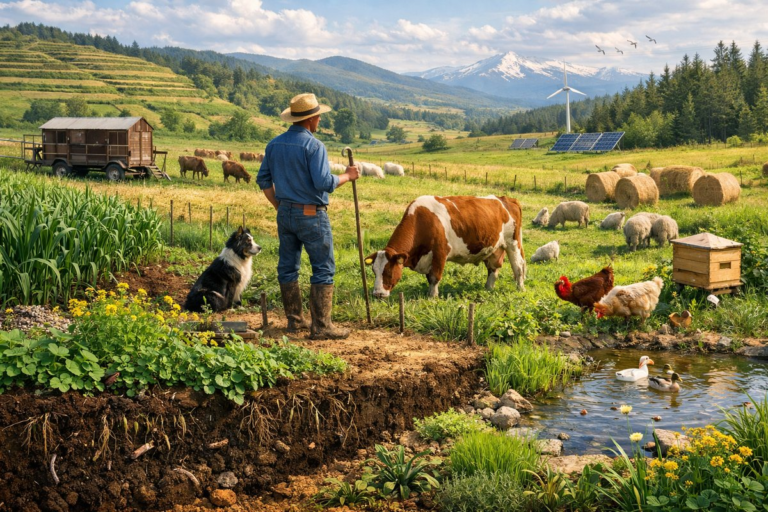
As the pilot enters its second year, the coalition is already mapping out a regional roll-out that could encompass 2,000 head of livestock and expand irrigated pasture by 500 additional acres. Collaborations with neighboring cooperatives are in discussion, and industry groups are eyeing a replicable model for wider adoption. Policy makers have taken notice too, exploring performance-based subsidies tied to verified emission reductions and soil health outcomes. If the current trajectory holds, this Heartland experiment could emerge as a blueprint for 21st-century livestock farming-one that marries economic viability with environmental stewardship and community-driven innovation.