Location
Mount Vernon, WA 98274

Location
Mount Vernon, WA 98274
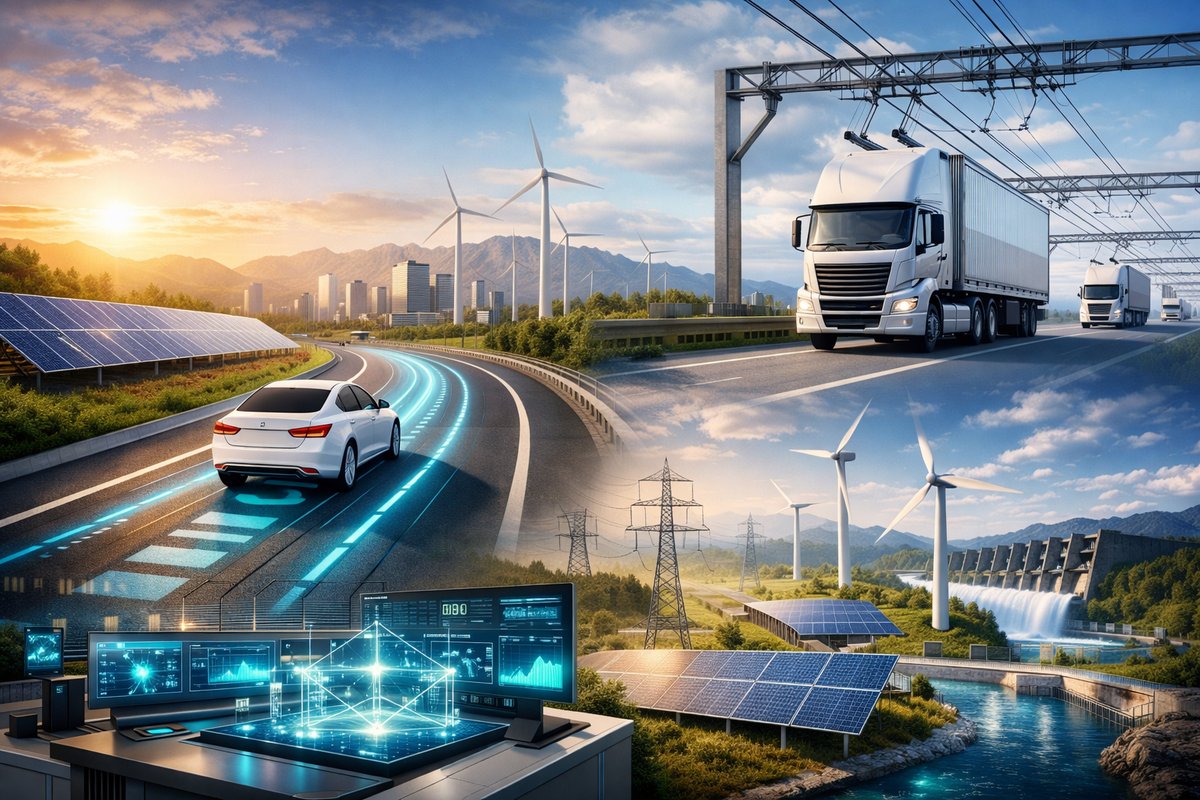
From dynamic wireless charging lanes in California to overhead electrified corridors in Europe, a new era of transportation infrastructure is emerging. Integrating electric vehicles with smart grids and renewable energy promises to reshape our relationship with mobility, sustainability, and energy resilience.
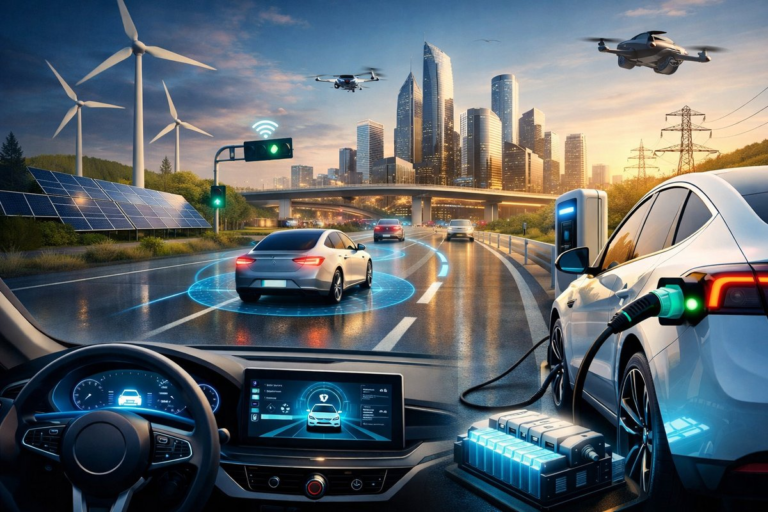
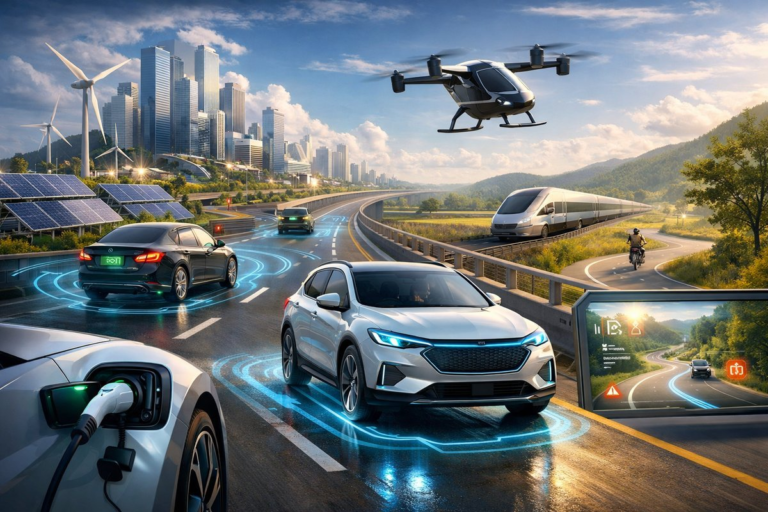
Across the globe, transportation infrastructure is being reimagined as more than just asphalt and concrete. Modern highways are evolving into conduits of electricity that can recharge vehicles on the move and feed power back into the grid. Pioneering pilots from California to Sweden illustrate how dynamic wireless charging lanes, overhead electric corridors, and vehicle-to-grid (V2G) platforms are converging to create a seamless energy ecosystem for electric vehicles (EVs), commercial fleets, and even individual drivers.
In California’s Inland Empire region, a recent Department of Transportation grant funded the installation of dynamic wireless charging pads beneath a test lane on a heavily traveled commuter corridor. EVs equipped with compatible receivers can top off their batteries at highway speeds, adding up to 20 miles of range during a 30-mile drive. Early data shows that passenger cars lose less than 5 percent of their battery capacity during typical commutes, effectively eliminating range anxiety and reducing the demand for large, heavy battery packs.
Meanwhile, in Sweden, a stretch of highway outside Gothenburg has been outfitted with overhead catenary lines-similar to those used by electric trains-to power heavy-duty trucks. This “eHighway” trial has allowed battery-electric tractor units to travel extended distances without stopping for recharging. Logistics companies participating in the pilot report that fuel costs for freight transport dropped by nearly 50 percent, with corresponding cuts in greenhouse gas emissions.
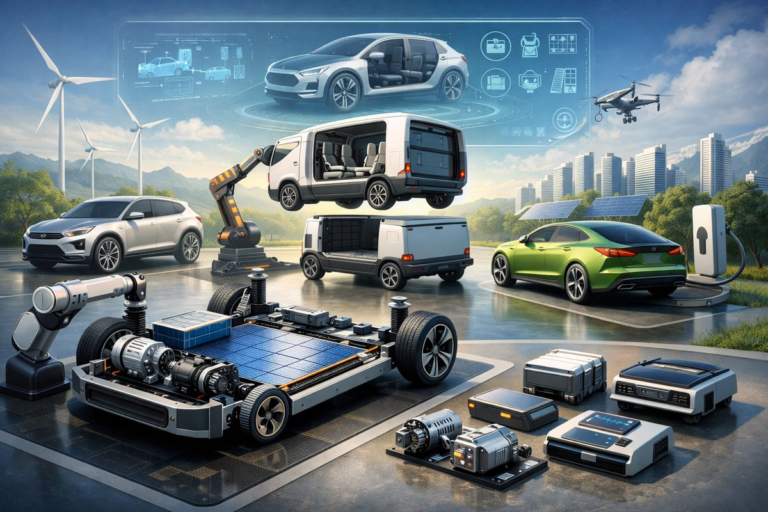
Dynamic charging and eHighways present complementary approaches to extending EV range without enlarging battery capacity. Wireless road-embedded coils work best for passenger cars and light commercial vans, while overhead lines serve high-energy vehicles like semis and busses. Together, they can reduce the weight and cost of EV fleets, freeing automakers to focus on smaller battery packs and more efficient powertrains.
But the transformation doesn’t stop at on-road charging. Vehicle-to-grid integration allows EVs to act as distributed energy storage when parked or plugged in at home, at workplaces, or at public chargers. During peak electricity demand, a connected EV can feed energy back into the grid or into a home’s electrical system, helping to stabilize supply and lower overall costs. Pilot programs in Texas and New York have demonstrated that V2G-enabled EVs can provide grid balancing services valued at hundreds of dollars per vehicle each year.
Synergies between roadside dynamic charging and V2G are already being explored in smart microgrid communities. Solar arrays on nearby rooftops can generate clean power during the day, feeding both local homes and charging lanes. At night, EVs serve as backup batteries to supply critical loads during outages. This bi-directional flow of energy enhances resilience in areas prone to wildfires or hurricanes, where traditional grid infrastructure may fail.
Of course, technical challenges remain. Aligning vehicles precisely over buried charging coils requires improvements in automated lane positioning. Power transfer efficiency varies with coil spacing, vehicle speed, and environmental factors like temperature. Engineers continue to refine coil designs, resonance frequencies, and roadside enclosure materials to maximize energy throughput while minimizing heat and electromagnetic interference.
Installing electrified lanes also adds complexity to road maintenance. Road crews must work around buried charging infrastructure during resurfacing, and equipment must be durable enough to withstand heavy traffic, debris, and environmental exposure. Agencies are testing modular panels that can be replaced individually, reducing repair times and cutting overall life-cycle costs.
Funding models for these projects span public grants, utility investments, and private partnerships. Some regions are exploring subscription services that charge drivers a monthly fee for continuous access to charging lanes. Others propose toll-like per-mile fees collected automatically via vehicle connectivity. Aligning economic incentives for drivers, fleet operators, utility companies, and infrastructure owners is crucial for scaling these innovations beyond pilot corridors.
On the environmental front, lifecycle analyses suggest that dynamic charging highways and eHighways can lower total emissions by up to 40 percent compared with conventional battery-only EVs. Reducing required battery capacity cuts the embedded carbon footprint of manufacturing, while enabling continuous operation of heavy vehicles on renewable electricity greatly diminishes tailpipe emissions.
Fleet operators stand to gain the most immediate benefits. Delivery companies running electric vans on urban routes can extend daily mileage without mid-day charging stops. Public transit agencies can power bus rapid transit lines through dynamic wireless segments, maintaining schedules even during inclement weather when air pollution spikes. Meanwhile, long-haul trucking fleets can adopt hybrid configurations-drawing power from overhead lines on highways and switching to battery power on local roads-minimizing diesel use in sensitive residential areas.
Regulatory frameworks must evolve in tandem. Safety standards for electromagnetic exposure, interoperability requirements across manufacturers, and billing transparency are high on the agenda. International coordination bodies are drafting protocols for wireless charging lane specifications and V2G communication standards to ensure vehicles from different automakers can access the same infrastructure seamlessly.
Consumers, however, remain the ultimate barometer of success. Early adopters of EVs have praised the convenience of overnight V2G charging at home, but many still worry about infrastructure availability on long trips. As more highways adopt dynamic charging lanes and public charging networks densify, prospective buyers will gain confidence that electric mobility can meet all driving needs.
Looking ahead, industry analysts forecast that by the end of the decade, up to 20 percent of major highways in North America and Europe could feature some form of electrification. Advances in wireless power transfer efficiency, combined with falling renewable energy costs, create a compelling business case for expanding the network. The result: a transport ecosystem where driving and charging become indistinguishable, and vehicles play an active role in energy management.
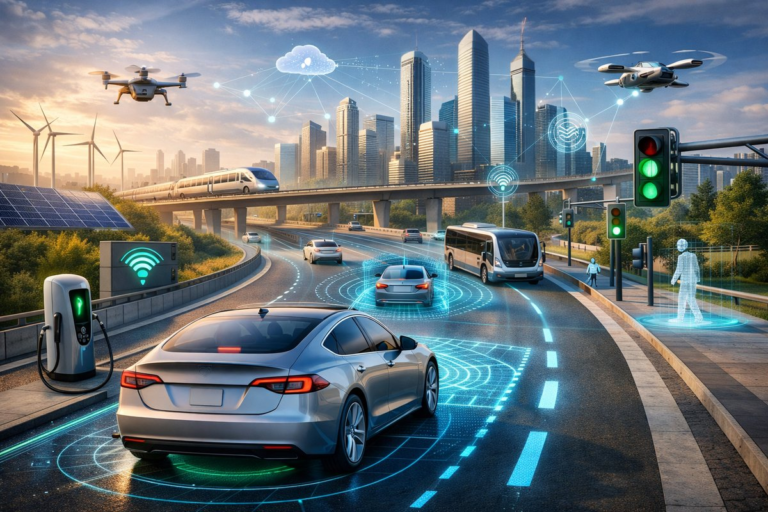
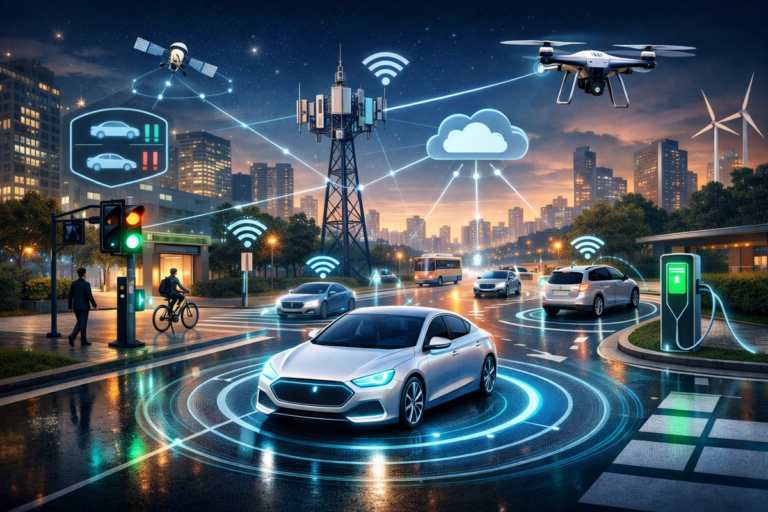
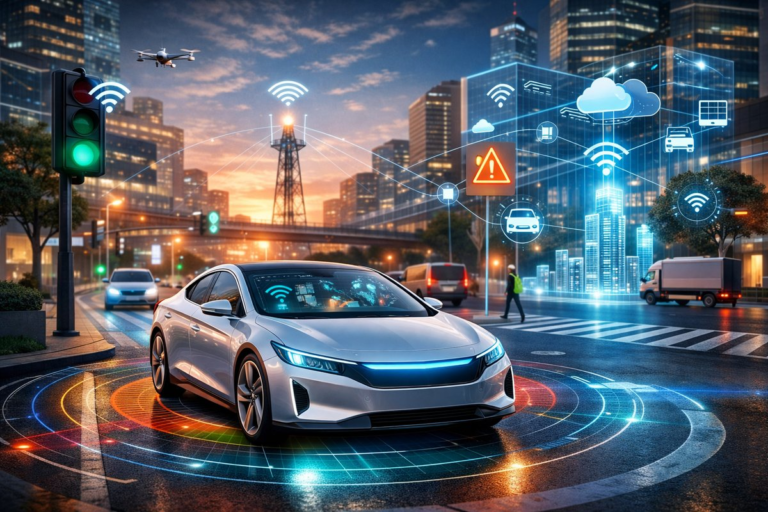
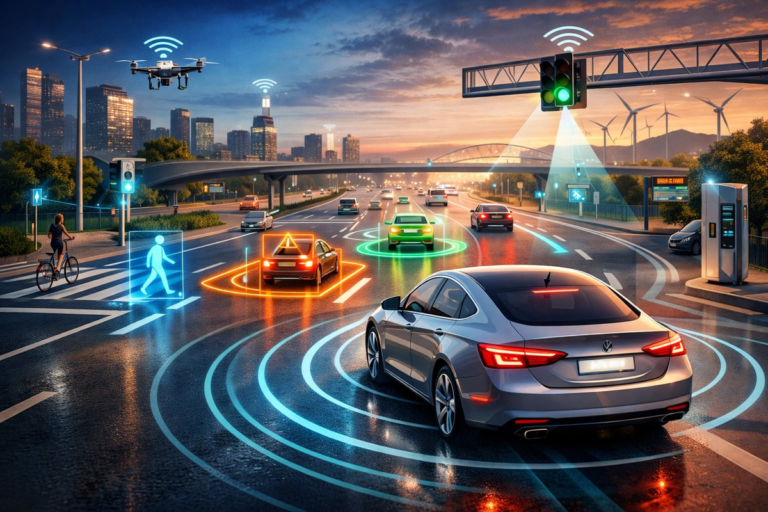
Artificial intelligence and connectivity platforms will tie these elements together. Predictive maintenance alerts from roadside sensors can preheat coil segments during cold months to maintain power output. Real-time traffic data can reroute drivers onto electrified corridors to optimize energy use and reduce congestion. Fleet management dashboards will integrate dynamic charging schedules with route planning tools, maximizing operational uptime.
As the line between roads and power grids blurs, the very notion of refueling will transform from a discrete pit stop into a continuous background process. Travelers may soon experience a future where their EV never drops below 80 percent state of charge, even on coast-to-coast journeys. Behind the scenes, a complex web of coils, transformers, overhead lines, and smart meters will orchestrate a symphony of electricity and motion.
The shift to electrified highways and vehicle-to-grid integration represents one of the most profound infrastructure evolutions in over a century. It promises cleaner air, lower energy costs, and greater resilience for communities. And for drivers and fleet operators, it means turning every mile driven into an opportunity-both to travel farther and to power the world more sustainably.
Whether you’re a city planner, an EV owner, or simply someone curious about the future of mobility, keep an eye on these emerging corridors of power. The roads of tomorrow won’t just move us from point A to B-they’ll keep us charged, connected, and in step with a cleaner energy future.