Location
Mount Vernon, WA 98274

Location
Mount Vernon, WA 98274
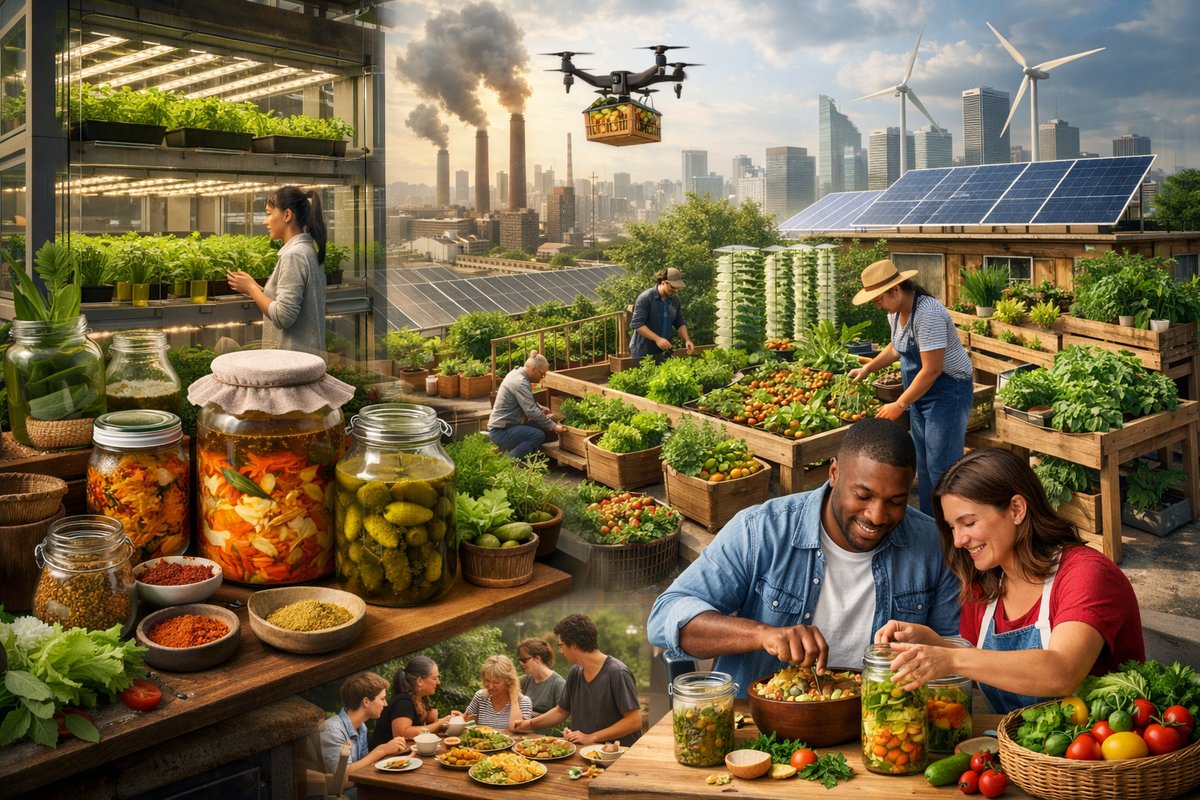
As supply chains wobble and climate challenges intensify, home chefs and communities are embracing resilient practices that nourish people and planet. From the rise of fermentation labs to decentralized urban farms, a wave of culinary innovation is reshaping how we grow, prepare, and share food.
In kitchens large and small around the globe, a quiet revolution is underway. Shifting weather patterns, economic disruptions, and evolving social values have propelled new culinary movements that blend ancient wisdom with cutting-edge ideas. Today’s home cook doesn’t simply follow recipes-they forge connections between soil and table, tradition and technology.
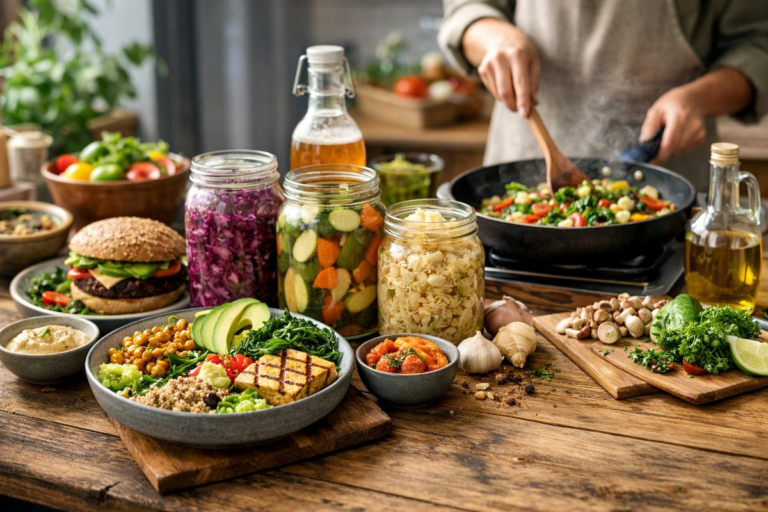
One of the most intriguing shifts is the fermentative resurgence sweeping living rooms, community centers, and even college dorms. As global probiotic brands face questions over sustainability and transparency, enthusiasts are turning inward, reviving time-honored methods for sauerkraut, kimchi, yogurt, and kombucha. DIY fermentation not only promotes gut health but also invites creative experimentation with local produce. Seasonal root vegetables can take on complex, tangy notes in a matter of days, while fruit skins yield naturally effervescent brews. Workshops on street corners and online livestreams have become incubators for new flavor profiles-from turmeric-ginger kvass to olive-leaf vinegar-reminding us that curiosity and collaboration can yield more than packaged products ever could.
Beyond the jar, another wave of revival centers on underutilized grains and pulses. Touted for their hardiness in drought and extreme heat, ancient cereals like sorghum, teff, and fonio are transitioning from niche ingredients to staples on menus and in home pantries. Chefs are crafting loaves of bread with teff for its earthy depth, while plant-forward cafés highlight sorghum bowls crowned with seasonal vegetables. Pulse-based pastas made from lentils and chickpeas have gained traction not only for their nutritional punch but also for their lower water footprint compared with durum wheat. These ingredients carry stories of resilience-cultures that sustained communities through harsh climates are being reintroduced to markets hungry for flavor and sustainability.
Growing food closer to consumption points is another trend propelling change. Urban farms are sprouting on rooftops, vacant lots, and even in subway tunnels. Hydroponic towers and aeroponic racks allow leafy greens, microgreens, and herbs to thrive with minimal water and no soil, while community gardens reconnect city dwellers to seasonal cycles. Novel farm-to-door services partner with these micro-producers, delivering boxes of nutrient-dense produce to subscribers who crave transparency and a smaller carbon footprint. At the same time, digital platforms that connect backyard gardeners with neighbors who need extra tomatoes or chilies are fostering informal, hyperlocal markets. In an era when supply disruptions can leave shelves barren, these grassroots networks offer both abundance and resilience.
As more people cultivate food at home, space-saving solutions have taken center stage. Vertical planter walls, modular hydroponic kits, and compact aquaponics systems are now common sights in cozy urban apartments. These setups empower individuals to take control of their food supply-lettuce one week, strawberries the next-while reducing waste through direct harvest. Educational apps and social media groups guide novices through nutrient schedules and pest management, turning every balcony into a living laboratory. This trend speaks to a deeper desire: to reclaim agency over nourishment in a world where ingredients often travel thousands of miles before arriving at our plates.
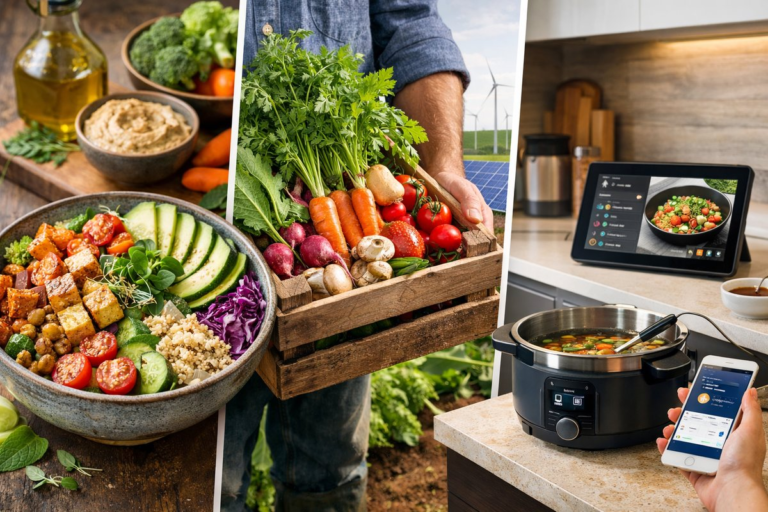
Technology isn’t limited to growing. In the kitchen, smart devices and data-driven tools are blending with age-old practices. Precision scales now pair with recipe apps to adjust ingredient ratios on the fly, calibrating for altitude, humidity, or dietary preferences. Countertop devices can ferret out nutrient profiles, recommending substitutions when certain vitamins or minerals dip below target levels. Even AI-powered recipe generators are appearing, analyzing pantry inventories to propose creative meals that minimize waste. Yet these innovations don’t supplant traditions-they augment them. A home cook might consult a digital guide to fine-tune a ferment but still rely on tactile cues-smells, textures, and timing honed over generations.
Zero-waste cooking remains a rallying cry across culinary circles. From coffee grounds turned into mushroom compost to citrus peels transformed into aromatic vinegars, ingenious upcycling methods are reclaiming every scrap. Community events swap surplus ingredients before spoilage sets in, while local nonprofits rescue perfectly good produce headed for dumpsters. Meal-planning apps now flag when food nears expiration, nudging users to repurpose wilted greens into pesto or stray carrots into stock. These small steps add up: households that embrace waste-minimizing techniques can reduce food trash by more than half, cutting grocery bills and methane emissions in tandem.
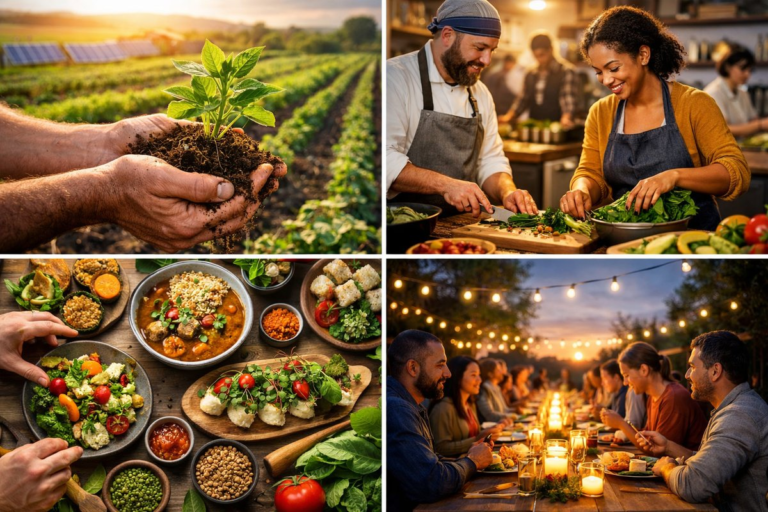
Social dining experiences have also evolved. Pop-up supper clubs celebrate regenerative farms, guiding diners through multiple taste sensations that trace a crop’s journey from seed to harvest. Interactive dinners invite participants to join in chopping, kneading, and brewing, forging bonds through communal effort and storytelling. Even as restrictions on gatherings ebb and flow, hybrid events stream live cooking demonstrations paired with ingredient kits delivered to doorsteps. In these intimate settings, food becomes a catalyst for dialogue about equity, biodiversity, and the human right to nourishing meals.
Industry meets grassroots in the burgeoning space of circular design. Kitchen appliances are being reimagined for longevity and repairability, with modular cooktops, repair-friendly blenders, and compost-ready food processors. Manufacturers are collaborating with local repair cafés to train volunteers in mending glass lids and replacing worn seals. Simultaneously, packaging designers are inventing compostable wraps and refillable pouches that collapse for return and reuse, addressing one of the largest hurdles in responsible consumption. As attention turns from convenience to accountability, the line between producer and consumer blurs: everyone has a role in closing the loop.
The final ingredient tying these trends together is community. Whether it’s a neighbor sharing excess basil plants or an online forum trading sous-vide tips, food has always been a conduit for connection. The latest movements magnify that truth, inviting individuals to look beyond solitary cooking toward collective nourishment. Learning to ferment, forage, or grow produce becomes less about self-sufficiency than about weaving a resilient network that uplifts every table.
Tomorrow’s flavors won’t be dictated solely by celebrity chefs or global supply chains. They will emerge from grassroots innovation, ecological stewardship, and shared curiosity. As you open your pantry, consider the hidden stories behind each grain and leaf. Every purchase, every experiment, and every shared meal is a vote for the kind of culinary future we wish to cultivate: one that binds us to our roots, to our neighbors, and to the living world beneath our feet.