Location
Mount Vernon, WA 98274

Location
Mount Vernon, WA 98274
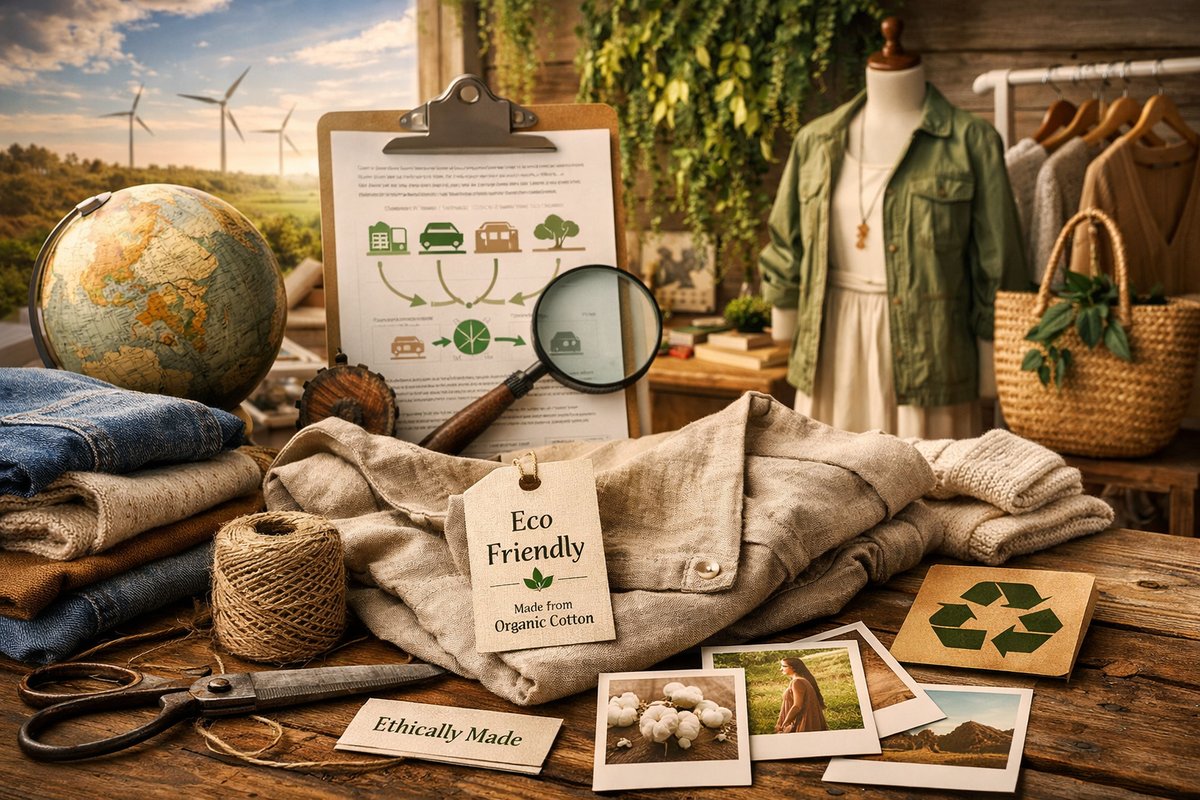
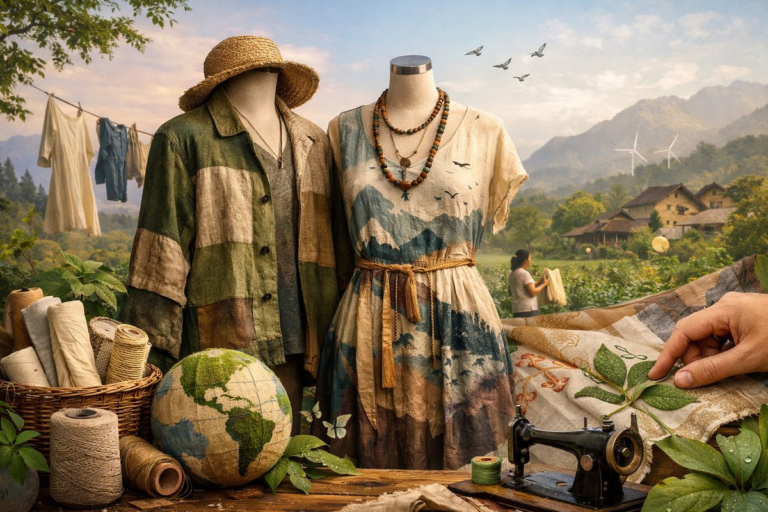
A new wave of fashion is taking hold as consumers demand more than just style. Sustainability, transparency and personal storytelling are reshaping how apparel is designed, produced and worn-turning every garment into a statement of values.
A shift is underway in global apparel markets as consumers place mission-driven values alongside fit and finish. Data from a recent survey by McKinsey Global Fashion Index shows that 35 percent of shoppers now rank sustainability as a top purchasing factor-surpassing price or brand loyalty. This rising demand for ethics-infused style is spurring brands, artisans and tech innovators to collaborate on fabrics, processes and digital experiences that align wardrobes with individual worldviews.
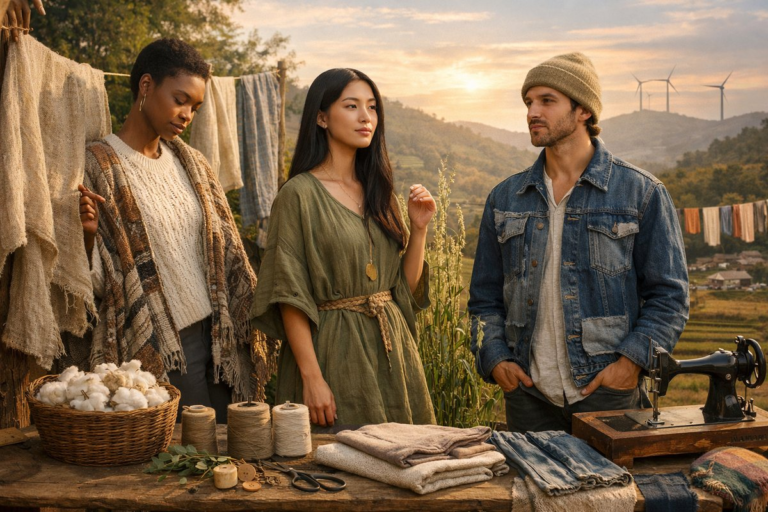
While fast fashion once prioritized fleeting trends, today’s values-driven labels are investing in regenerative agriculture and circular production. Wool grown on low-impact ranches, soy-based dyes and biofabricated leathers crafted from fungal mycelium represent a departure from petroleum-derived textiles. A report by the Ellen MacArthur Foundation estimates that transitioning even 20 percent of global cotton production to regenerative methods could store up to 2.5 million metric tons of carbon annually. By placing soil health and biodiversity at the core of material sourcing, these pioneers are proving that style and ecosystem resilience can flourish together.
Beyond natural fibers, designers are experimenting with lab-grown textiles that bypass animal byproducts and heavy chemical treatments. In small studios and university labs alike, cellulose extracted from algae is being spun into tensile yarns, while bacterial cellulose membranes are forming vegan replacement leather. These breakthroughs promise factory-scale efficiencies and lower water footprints. Early-adopter labels are already offering limited-edition drops made entirely from algae-derived fabric, combining vivid color options with closed-loop water recycling.
Digital craftsmanship is rising in parallel, enabling made-to-order production that avoids overstock and markdowns. Virtual fitting rooms use body-scanning apps to generate custom size recommendations, and AI-driven pattern generators adapt garment silhouettes to individual preferences. At the same time, augmented reality styling tools allow shoppers to layer digital accessories in real time, blending the boundaries between e-commerce and in-person retail. The result is a seamless consumer journey that reduces returns-currently responsible for nearly five billion pounds of CO₂ emissions each year-and strengthens the personal connection to every garment.
Transparency technologies are gaining traction as well. Blockchain-based labeling platforms track each step of a garment’s lifecycle, recording the farm origin of fibers, energy sources used in manufacturing and final delivery milestones. By scanning a QR code on a care label, shoppers can access a full audit trail, including greenhouse gas metrics, water usage and fair-wage certifications. This level of clarity helps shoppers hold brands accountable and ensures that statements like “ethically made” are backed by verifiable data rather than vague marketing claims.
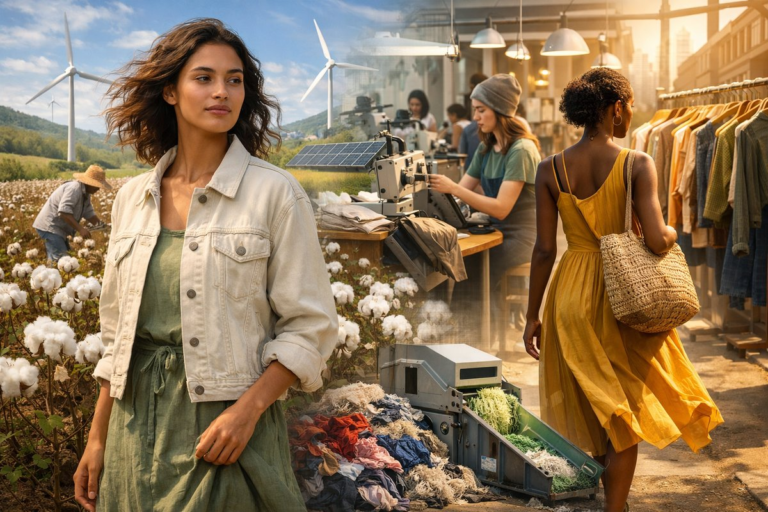
Circular business models are flourishing alongside these innovations. Clothing rental services have grown by more than 150 percent in the past two years, offering subscription boxes of trend-forward pieces that return to the supply chain for cleaning, repair and resale. Meanwhile, resale marketplaces for pre-loved apparel are projected to exceed $64 billion in annual sales by 2028 as more consumers trade low-cost distraction pieces for investment items with timeless silhouettes and durable materials. These platforms extend the life cycle of garments, reducing landfill waste and creating opportunities for creative curation and peer-to-peer storytelling.
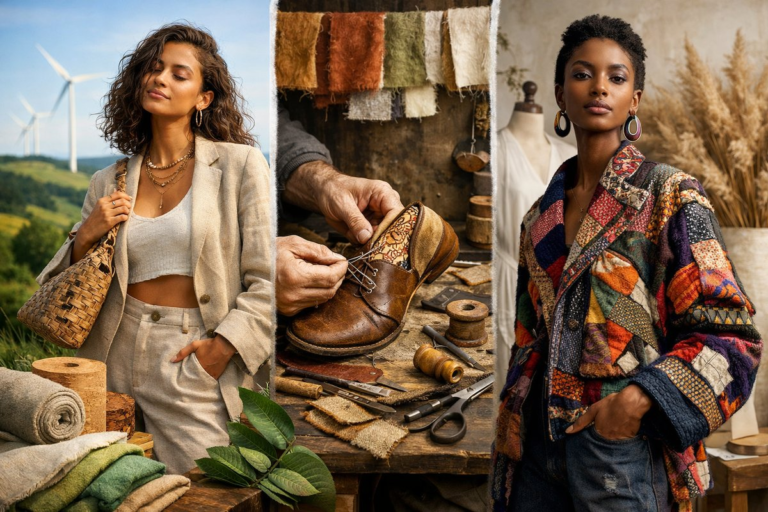
Accessories are also getting an eco-chic makeover. Upcycled components-such as hardware repurposed from decommissioned aircraft, reclaimed wood beads and reconstituted rubber for soles-are giving jewelry, belts and footwear a rough-hewn elegance. Bold statement earrings made from recycled aluminum or silicone scraps are showing up on runways, paired with modular bracelets that expand and contract like living sculptures. These tactile accessories underscore the personal nature of adornment: each piece carries a hidden history of material rescue and creative renewal.
Storytelling has become a powerful tool for brands and consumers alike. Transparent Instagram features allow craftswomen in rural communities to livestream indigo-dye ceremonies, while pop-up workshops invite shoppers to stitch their own patches on upcycled jackets. Customers often share videos of their creative sessions, cementing a sense of co-creation and shared purpose. Brands are responding by commissioning artists to design graphic motifs inspired by local ecosystems, weaving each pattern into limited-edition collections that spark dialogue about cultural heritage and environmental concern.
Behind the scenes, community-driven audits are shaping impact measurement. Organizations staffed by independent researchers conduct randomized checks on supplier factories, evaluating waste management practices and labor conditions. Metrics like “water recycled per garment” and “renewable energy percentage” are becoming standard KPIs that inform annual sustainability reports. By making these figures public, brands invite scrutiny from activists, NGOs and consumers-and foster a collaborative framework for continuous improvement.
Despite this momentum, significant challenges remain. Scaling regenerative fiber farms requires alignment among growers, regulators and apparel buyers to create stable financial incentives. Developing lab-grown textiles at commercial volumes depends on advanced bioreactors, long-term research funding and regulatory approvals that vary by region. Consumer education must keep pace: surveys show that only 47 percent of shoppers fully understand the concept of closed-loop recycling for clothing. Without clear guidance, well-intentioned consumers risk sending garments to the wrong recycling streams, undermining circular efforts.
Yet optimism runs high among industry observers. Conferences dedicated to values-driven apparel are growing in attendance, and major fashion weeks now set aside runway slots for sustainable showcases. Venture capital investment in textile startups hit record levels last quarter, signaling that financial markets see long-term opportunity in better materials and smarter supply chains. For consumers, this convergence of ethics and aesthetics means no longer choosing between a capsule wardrobe of heirloom staples and a closet full of disposable trends.
In a world grappling with climate urgency and social equity demands, the garments we wear can become symbols of positive change. When outfits tell stories of healthy soils, fair wages and creative collaboration, they elevate each day’s routine into a living manifesto. As values continue to guide purchasing choices, the wardrobe transforms from a silent backdrop into a canvas for self-expression-and proof that fashion and purpose can be woven together in every stitch.