Location
Mount Vernon, WA 98274

Location
Mount Vernon, WA 98274
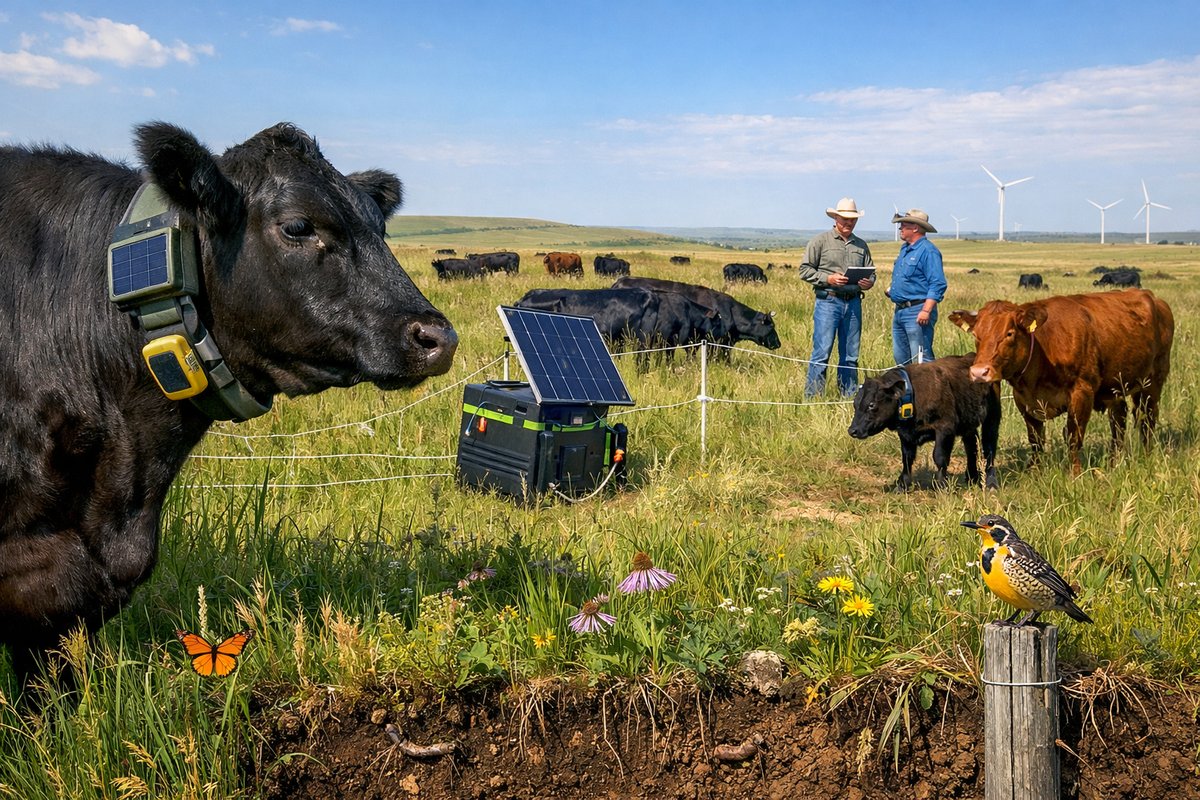
A coalition of more than fifty ranches in Nebraska and Kansas has begun testing a suite of solar-powered monitoring collars and portable electric fencing to enhance cattle health, cut antibiotic use, and boost grassland recovery. Early data reveals improvements in animal welfare, soil carbon capture, and pasture biodiversity.
Across the rolling prairie of Nebraska and Kansas a coalition of more than fifty ranches has launched a groundbreaking pilot program aimed at marrying cutting-edge livestock health monitoring with regenerative grazing practices. By outfitting cattle herds with solar-powered monitoring collars and deploying portable electric fencing systems charged by on-site panels, the network seeks to reduce antibiotic use while restoring native grasses and sequestering carbon deeper into the soil. Early metrics suggest this blend of low-intensity tech and rotational pasture management could offer a replicable model for sustainable livestock farming nationwide.
Historically ranchers in this region have relied on broad-spectrum antibiotics and static grazing allotments to manage herd health and forage availability. While those methods supported large herds on open range they often contributed to antibiotic resistance and soil degradation. The new program replaces blanket dosing with individualized health alerts from collars that track activity levels temperature changes and rumination patterns. When a sensor detects unusual behavior the ranch manager receives a notification allowing timely intervention and reducing unnecessary treatments.
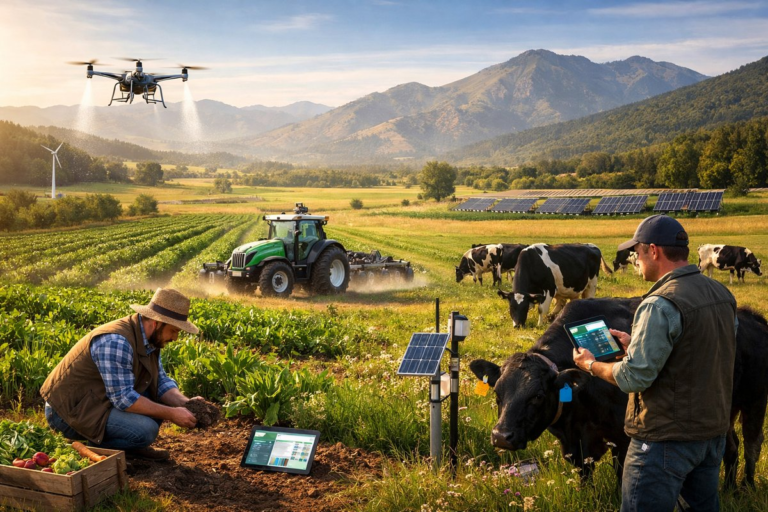
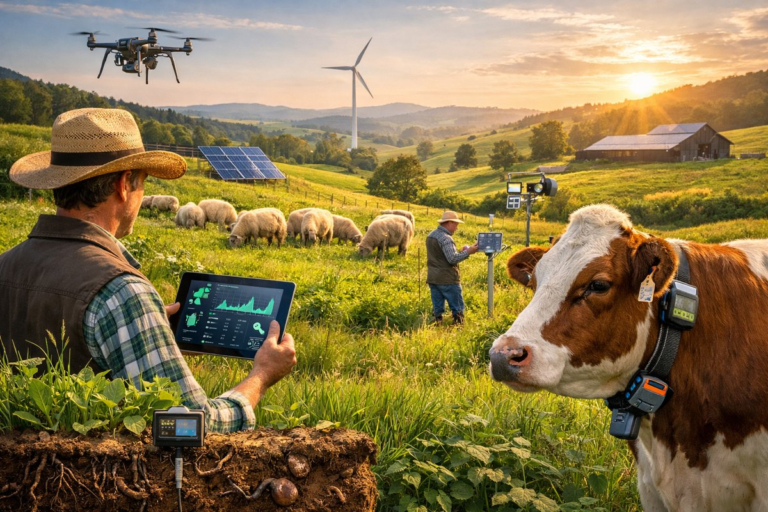
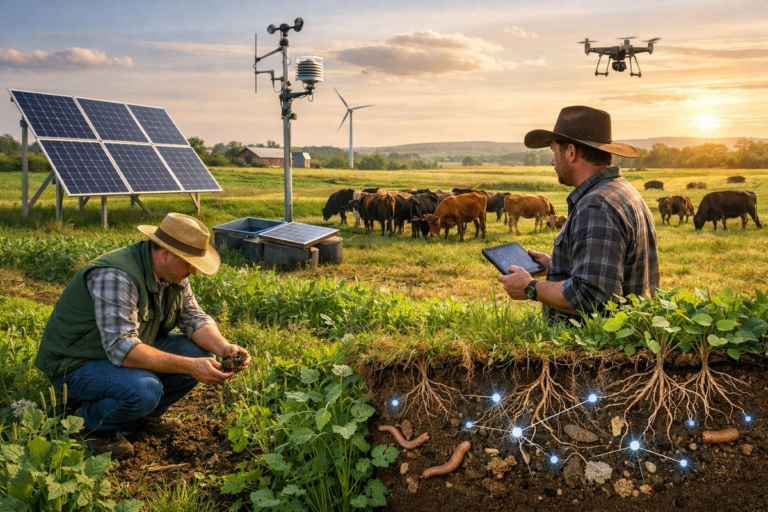
The solar-powered health collars combine motion accelerometers temperature probes and low-power GPS chips housed in lightweight waterproof enclosures. Each collar charges its internal battery via miniature photovoltaic cells mounted on the casing. During daylight hours sensors collect data around the clock logging grazing time resting intervals and even chewing cycles linked to digestive health. All information streams through a long-range wireless mesh network back to central hubs where analytics flag anomalies. Ranchers report that early detection of digestive distress has cut antibiotic treatments by nearly 30 percent in the first three months of the trial.
Complementing the health network are portable electric fence units that can be repositioned in minutes to establish new grazing paddocks. Each fence setup includes foldable solar panels a battery pack and insulated polywire clips. Ranch crews can adjust paddock size daily based on grass growth rates soil moisture readings and herd size. This dynamic layout encourages uniform grazing pressure prevents overuse of single areas and allows even regrowth periods for native forage species. Preliminary soil samples show a 15 percent increase in organic matter within six weeks of implementing rotational moves.
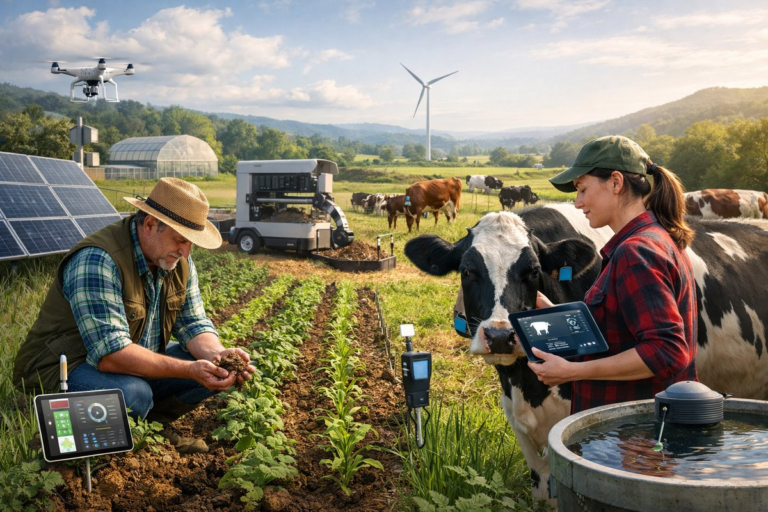
Underpinning the program is a cloud-based management console that aggregates sensor data weather forecasts and satellite imagery. Ranch managers can view heat maps of grazing intensity track herd movements in near real time and review health alerts. Web dashboards also integrate forage growth models driven by local rain gauges and soil sensors inserted at root zone depth. This digital ecosystem allows timely decisions on when and where to shift electric fencing or supplement feed while ensuring pastures never rest below critical sward height thresholds.
Feed quality has been enhanced by introducing a locally sourced algae-derived probiotic blend mixed into daily rations. This natural supplement aims to optimize rumen function reduce methane emissions and improve nutrient absorption without relying on antibiotics. Second-party lab tests performed by a regional agricultural research center confirm a five percent drop in methane output per animal and measurable improvements in weight gain benchmarks. Ranchers feel that pairing proactive health monitoring with targeted feed additives unlocks a two-pronged path to herd wellbeing and environmental performance.
To accelerate prairie restoration the coalition has partnered with a local drone services provider to scatter native grass and wildflower seeds into ungrazed paddocks. Lightweight seed pods loaded onto custom quadcopter drones disperse a precise mix of deep-rooted prairie grasses pollinator-friendly forbs and nitrogen-fixing legumes. This aerial seeding bypasses ground disturbance preserves soil structure and spurs biodiversity corridors across the landscape. Early flight runs during spring have already yielded visible shoots of serviceberries and little bluestem in spots that once lay barren after conventional tillage.
Feedback from participating ranchers has been overwhelmingly positive. One operator in western Nebraska notes that his herd seems calmer and more evenly distributed across pastures since sensors began monitoring travel patterns. Another highlights how rapid paddock shifts helped prevent a localized parasite outbreak in early summer. Across the network average daily weight gains are up two percent and vet call-outs are down by nearly half. Those improvements not only boost ranch profitability but also reinforce animal welfare and reduce reliance on emergency interventions.
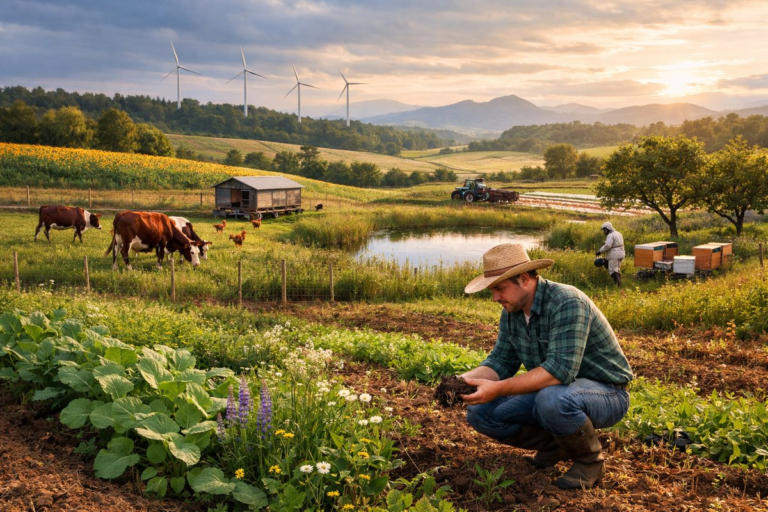
Environmental assessments commissioned by a regional soil conservation district reveal that rotational grazing paired with native seeding and reduced chemical inputs fosters stronger root networks higher soil moisture retention and increased carbon storage. Water infiltration rates have climbed by 20 percent in test plots while surface runoff during heavy storms has lessened significantly. Ecologists point out that the growing canopy of perennial grasses also supports grassland bird species and beneficial insects often driven away by monoculture pastures.
Despite the early successes some challenges remain around upfront investment costs and rural connectivity. High-value sensor collars and solar electric fence kits represent a significant capital outlay for smaller operations. Meanwhile reliable data transmission depends on new long-range wireless towers or low-orbit satellite backhaul in fringe areas. To address these obstacles the coalition is negotiating bulk purchase discounts working with local co-ops to share gateway infrastructure and offering payment plans that align costs with productivity gains over multiple seasons.
Funding for the pilot combines a federal agricultural innovation grant with support from a private foundation dedicated to rural resilience. Agricultural extension agents from state universities are providing training workshops and troubleshooting field demonstrations. Students in nearby community college agronomy programs assist with soil sampling drone calibration and data analysis gaining hands-on experience in precision ranch management. This collaborative learning environment mirrors the collaborative nature of the project itself where knowledge sharing sits at the core of long-term success.
Building on the pilot’s momentum the coalition plans to scale the model to other Midwestern states before the end of the year. Partnerships are already in discussion with ranch networks in South Dakota and Iowa looking to replicate the sensor-fence-drone ecosystem. Research institutions are evaluating how similar practices could apply to sheep dairy operations bison herds and goat ranches. Ultimately stakeholders hope that this technology-infused approach to grazing management will form a resilient blueprint for sustainable livestock farming under changing climate pressures.
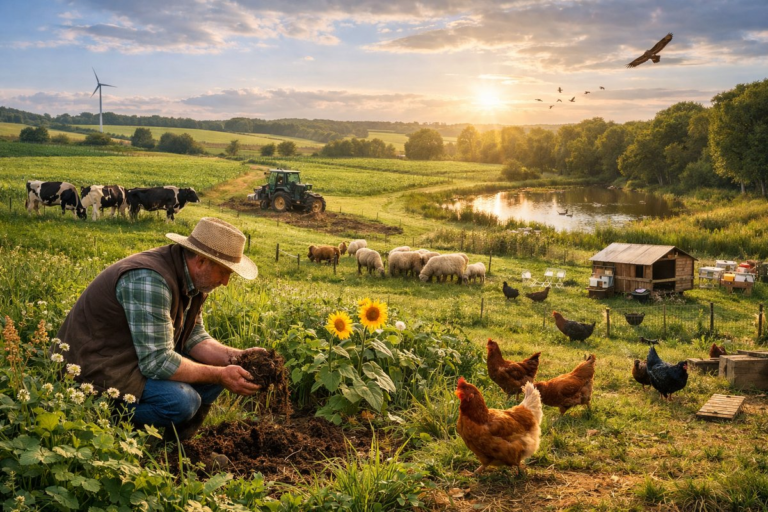
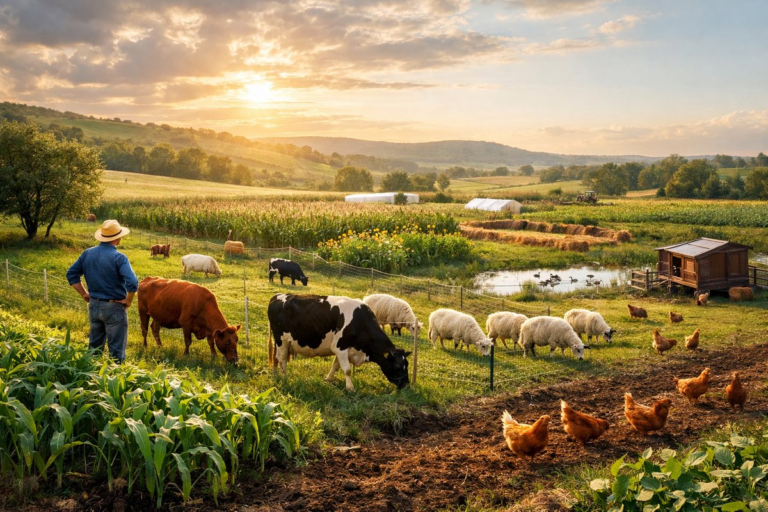
With animal health alerts, adaptive paddock design and targeted pasture enrichment working in harmony ranchers in Nebraska and Kansas are charting a new course for livestock stewardship. By balancing high-tech monitoring with time-tested rotational grazing the pilot demonstrates that productivity and environmental care need not compete. As data from the coming seasons accumulates this community-driven project may well become the poster child for rural innovation at the intersection of animal welfare, soil health and carbon management.