Location
Mount Vernon, WA 98274

Location
Mount Vernon, WA 98274
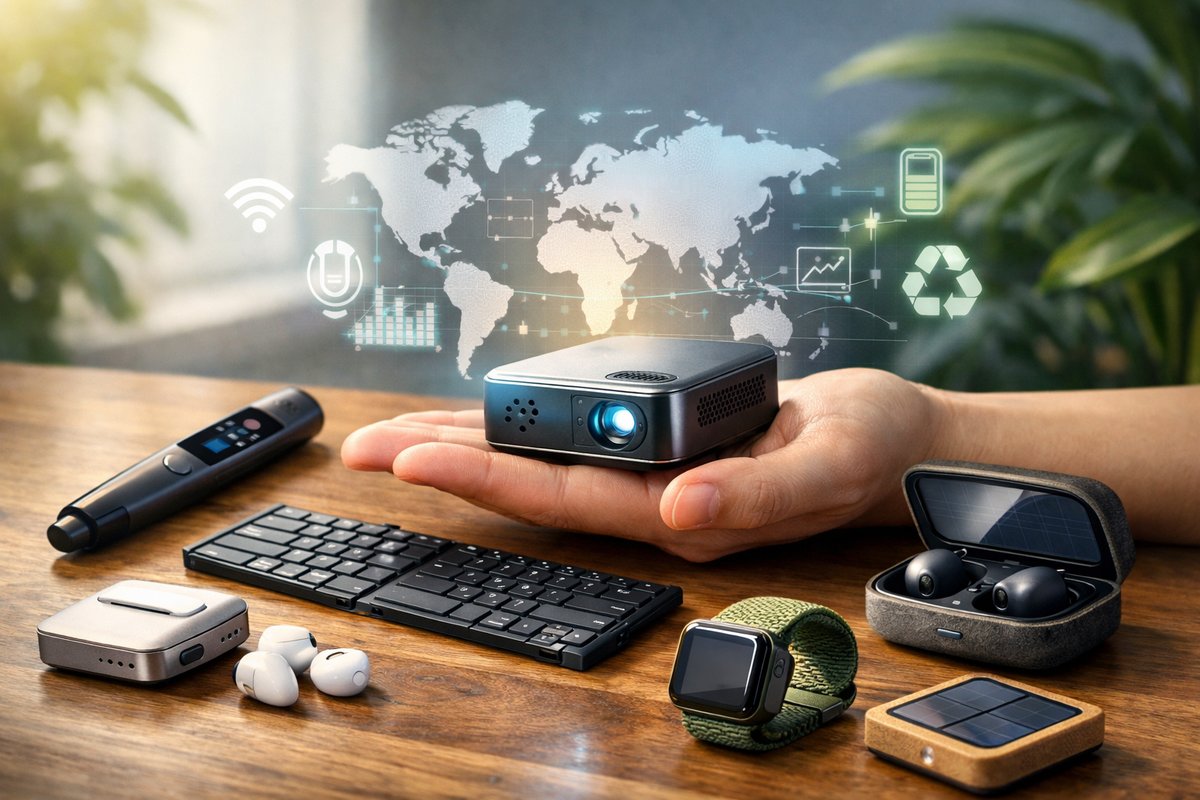
From pen-sized translators to palm-sized projectors, a new wave of micro gadgets is rewiring how we work, learn, and connect. Engineers are blending sustainability with connectivity, crafting tools that fit in the palm yet pack high-powered capabilities. Discover the innovations driving this trend and what it means for the future of everyday tech.
It began with the rise of pocket calculators and digital watches, but the latest chapter in personal technology has taken the concept of small-scale gadgets to a whole new level. Across workshops and startup incubators, designers are shrinking components, enhancing energy efficiency, and melding intelligent software with compact hardware. The result: micro gadgets that can translate languages on the fly, project high-resolution visuals from the palm of your hand, or harvest solar energy from mere inches of surface area.
One leading example is a pen-sized language translator that captures spoken words in one language, processes them through on-device AI, and delivers real-time speech output in another. No cloud connection is needed-everything happens on a microcircuit board smaller than a postage stamp. Early testers report use cases from streamlining international business calls to helping tourists navigate foreign cities without fumbling through phrasebooks. The success of this device demonstrates how onboard processing power and optimized software stacks have converged to make powerful AI portable.
Another breakthrough comes in the form of palm-friendly projectors. Engineers have miniaturized light engines and improved efficiency of solid-state illumination sources to squeeze a 100-lumen projector into an enclosure the size of a matchbox. Coupled with embedded wireless streaming modules, users can beam presentations or video onto walls, ceilings, or even outdoor tents without being tethered to a computer. Campers, field researchers, and mobile journalists see this as a game changer-open-air movie nights, impromptu data briefings, and remote workshops are now easier than ever.
Materials science plays a pivotal role in this evolution. Companies are experimenting with recycled plastics and bio-based polymers for casings, reducing environmental impact without compromising durability. Internally, printed circuit boards are being reimagined as flexible films, enabling new form factors-devices that fold, bend, or wrap around wrists. This shift toward sustainability not only aligns with consumer demand for eco-friendly products but also opens doors to wearable gadgets that blend seamlessly with daily attire.
Power remains the central challenge. Micro batteries have seen incremental improvements, but breakthroughs often come from energy harvesting. Tiny solar cells integrated into keychain attachments can trickle-charge internal cells, keeping essential functions alive when outlets are scarce. And kinetic energy harvesters, once relegated to wristwatches, are finding new life in pen lights and pocket sensors that recharge themselves as you move. While these methods can’t yet fully replace conventional charging for high-drain devices, they offer critical top-ups that keep essential functions running during emergencies.
Connectivity is another frontier. The rollout of low-power wide-area wireless networks has enabled gadgets to maintain internet links over greater ranges without draining batteries. Micro GPS trackers, environmental sensors, and asset tags now ping location and status information for weeks on a single battery. In warehouses and smart farms, this translates to lower maintenance costs and streamlined logistics. For everyday consumers, it means smarter keys, backpacks, and even plants that can alert owners when sunlight or water is low.
Looking at software, modular operating systems built for minimal hardware footprints are gaining traction. These stripped-down platforms run on little memory and require fewer security updates, making them ideal for devices with limited processing resources. Developers can swap modules-say, a motion-detection package or a voice-activation library-without rebuilding the entire system. That modularity accelerates innovation, letting small teams assemble bespoke gadgets in hours rather than months.
Privacy and security concerns rise in parallel with connectivity. When even the tiniest gadgets collect data, robust encryption and on-device processing become essential. A micro digital key that unlocks doors or safes must shield credentials from hackers. A portable health monitor that tracks vital signs needs airtight protections to ensure personal data never leaks. Manufacturers are responding by embedding hardware-based security elements-secure enclaves that isolate critical processes and encryption keys from the general operating environment.
Consumer behavior is shifting along with technology. Instead of owning dozens of specialized tools-flashlights, cameras, translators-many users prefer a handful of multifunctional gadgets. A single device can serve as an ambient sound recorder, voice translator, and emergency beacon. Subscription-free software updates delivered via peer-to-peer mesh networks keep these versatile tools current without burdensome fees.
Retailers are adapting too. Pop-up experience zones let buyers test micro gadgets in real-world simulations-recording sound in a mock café, projecting slides onto a portable screen, or charging outdoor sensors under simulated sunlight. These hands-on demonstrations demystify advanced features and showcase durability in settings that mirror actual usage scenarios.
Meanwhile, educational institutions are integrating micro gadgets into curricula. Engineering students design and build miniaturized robotics modules, biology labs employ microscopic environmental sensors, and language classes experiment with on-device translation. These projects foster hands-on learning and inspire a new generation of innovators to tackle constraints of size, power, and cost.
Behind the scenes, partnerships between hardware pioneers and open-source communities are accelerating progress. By sharing schematics, firmware libraries, and testing protocols, collaborators reduce duplication of effort. A developer in one continent can build upon work done thousands of miles away-combining mesh-network code with low-power sensor drivers to create a totally new gadget concept within days.
Although the trend toward ever-smaller devices is clear, challenges remain. Repairability suffers when components are soldered onto integrated modules. Users may struggle to replace batteries or upgrade memory. Regulators are paying attention, exploring right-to-repair legislation that could mandate modular designs and standardized connectors-even on the tiniest tech. If successful, such rules could unlock a new era of user-serviceable micro gadgets, reducing electronic waste and extending product lifespans.
There’s also the question of human-machine interaction. Small screens can only show so much, and tiny buttons challenge dexterity. Voice control, gesture recognition, and haptic feedback are stepping in-but they need to be both reliable and intuitive. Eyes-free operation is crucial in scenarios ranging from driving assistance to medical emergencies. Progress here will dictate which micro gadgets truly earn a place in our pockets and which remain niche curiosities.
Looking ahead, we’ll likely see hybrid devices that pair a minimal physical interface with a proximity-aware companion app on a smartphone or wearable display. Imagine a ring-sized sensor that alerts you via a smartwatch app when airborne allergens spike-a seamless blend of micro gadget and personal network. Or a micro robotic drone that fits on a keychain, unfolding remotely to deliver small items or inspect tight spaces.
In the megacity of tomorrow, your digital ecosystem could consist of dozens of tiny nodes-all coordinating in the background. Your jacket might contain climate sensors that tweak heating layers, your office desk could host a pocket projector that syncs with your phone, and your backpack might house a multi-sensor hub that monitors air quality on your commute. These discreet gadgets will weave into the fabric of daily life, making interactions more fluid and environments more responsive.
Ultimately, the path forward for micro gadgets hinges on balancing power, connectivity, and usability, all while keeping sustainability at the forefront. As consumers demand greener materials and longer-lasting designs, innovators must rethink everything from circuit layouts to packaging. Early indicators show progress: devices crafted from recycled metals, casings made with plant-based fibers, and energy-harvesting modules that reduce reliance on disposable batteries.
The story of next-generation mini gadgets is still unfolding. What began as novelty items is evolving into a new class of tools that transform how we communicate, learn, and explore. Whether you’re an educator in need of portable lab instruments, a traveler seeking zero-hassle translators, or an outdoor enthusiast craving lightweight power solutions, the frontier of micro tech offers something for everyone. In the coming years, these palm-sized companions may become as indispensable as the smartphone itself-quietly working behind the scenes to enhance every moment of our daily rhythms.