Location
Mount Vernon, WA 98274

Location
Mount Vernon, WA 98274
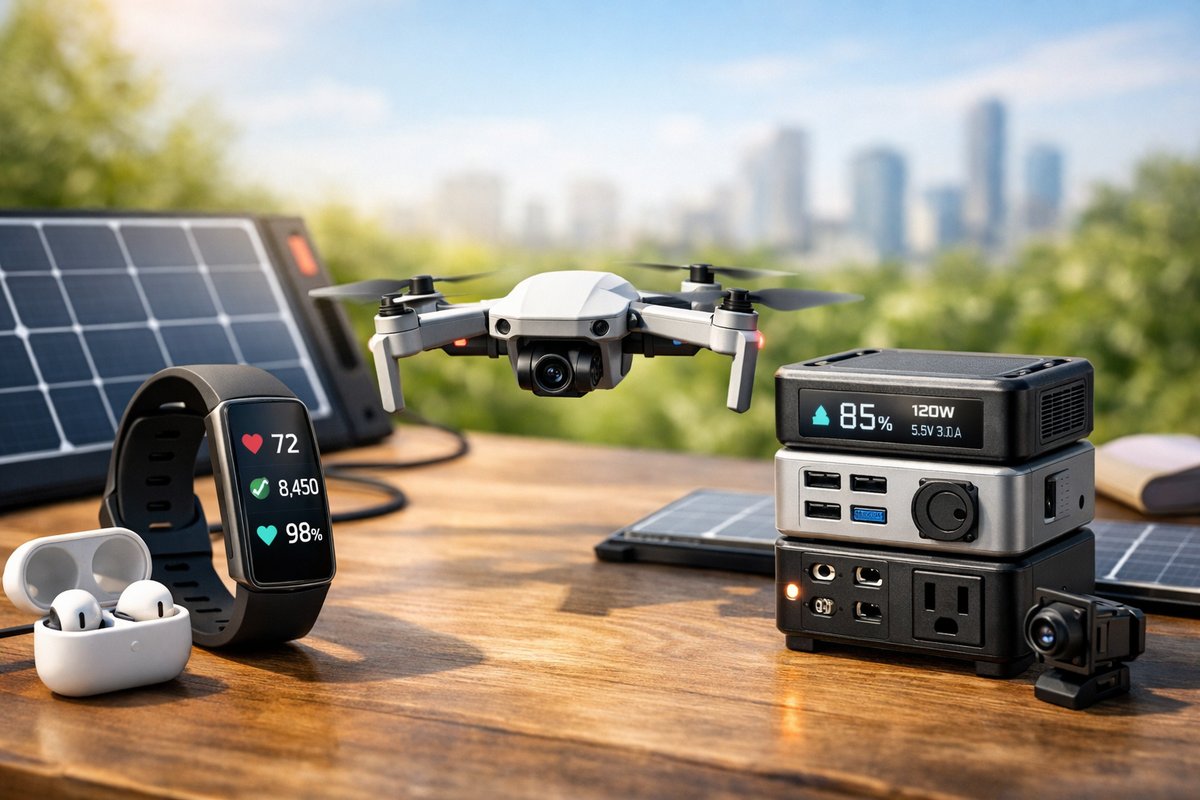
From on-the-go health trackers to pocket drones and modular power stations, a new generation of miniature devices is redefining convenience, sustainability, and privacy. Discover how these tiny marvels are reshaping daily life and empowering users with unprecedented capabilities.
Imagine stepping out for a morning walk without juggling bulky gadgets or tangled cords. In pockets and backpacks around the world, a quiet revolution is under way: ultra-compact tools that deliver big capabilities in small packages. These aren’t novelty trinkets but thoughtfully engineered devices driven by breakthroughs in materials science, battery chemistry, and edge AI. Far beyond the novelty of handheld projectors or fitness trackers, today’s miniaturized tech prioritizes sustainability, data privacy, and emotional intelligence-designed to adapt to individual needs and lifestyles. Here’s an inside look at the frontier of pocket-sized powerhouses and how they promise to elevate everyday routines.
At the heart of this movement lies an unlikely hero: the modular power bank. Once a simple battery pack, it has evolved into a customizable energy hub. Tiny solar-cell attachments allow daytime trickle charging for hikers and campers, reducing reliance on the grid. Snap-on wireless charging coils eliminate cables for earbuds or smart rings. Swappable battery modules mean users can carry only the capacity they need-one cell for a morning commute, two for a cross-country flight. Crafted from recycled aluminum and non-toxic polymers, these power banks embrace a cradle-to-cradle philosophy, encouraging repair and reuse rather than single-use disposability. The result: a greener way to keep favorite gadgets humming, wherever life leads.
Sustainability is only part of the picture. As more devices collect health and environmental data, privacy has moved from afterthought to priority. Tiny air-quality monitors, no larger than a matchbox, now feature end-to-end encryption and open-source firmware. Indoor CO2 and volatile organic compound sensors store data locally, giving users full control over sharing. If a coworking space sees a spike in particulate matter, the monitor alerts without uploading sensitive location or user profiles to corporate servers. Similarly, wearable stress-tracking rings measure heart-rate variability and skin temperature on-device, triggering silent vibration reminders to breathe or step outside for a moment of calm. Data stays private until the wearer opts in to export summaries-proof that even the smallest electronics can respect personal boundaries.
Healthcare is embracing micro-scale innovation, too. Continuous glucose sensors have shrunk to a slender patch no larger than a coin, offering real-time readings via a companion app without the need for fingertip pricks. Portable UV sensors clip to clothing or backpacks, alerting users when sun exposure exceeds healthy thresholds. Menstrual-cycle and hydration monitors tuck into keychains, providing discreet, moment-by-moment insights. These devices rely on ultra-low-power wireless protocols and nanomaterial-based sensing elements to run for weeks on a single charge. By democratizing health data, they empower individuals to make informed lifestyle decisions-reducing stress on overburdened healthcare systems and fostering a more proactive approach to well-being.
Wherever there’s a language barrier, enter smart translators fit for a pocket. Early models required bulky headphones and constant cloud connections, but the latest handheld translation devices boast offline neural engines capable of smoothing out idioms and accents in dozens of languages. A single button press and instant text-and-voice feedback transform street markets, business meetings, or family gatherings across continents. Haptic cues guide pronunciation refinement, while local dialect packs ensure cultural nuances aren’t lost in translation. These gadgets are designed with emotional intelligence in mind, offering context-aware suggestions-polite phrasing or regional greetings-so users communicate with confidence and respect.
Creativity and entertainment haven’t escaped the miniaturization trend. Ultra-compact projectors now fit inside a slim credit-card-sized case, projecting a 60-inch image on any flat surface in dim light. Built-in speakers and Bluetooth audio support let impromptu movie nights spring to life in living rooms or hotel rooms without cumbersome cables. Some models even include gesture controls for pausing or changing slides in presentations. Filmmakers, gamers, and casual viewers alike appreciate the blend of portability, image fidelity, and low energy consumption. These pocket projectors showcase how small form factors can deliver immersive experiences traditionally reserved for dedicated home theater setups.
For adventurers and content creators, pocket drones have graduated from toy status to professional tools. Weighing under 250 grams, these micro aerial vehicles pack obstacle-avoidance sensors, GPS stabilization, and 4K cameras into shells no larger than a smartphone. Foldable arms and quick-release propellers make setup a matter of seconds, while intelligent flight modes-from waypoint navigation to cinematic orbit shots-free users to focus on storytelling rather than joystick finesse. The low-noise rotors and geofencing safeguards assure that wildlife photographers, urban explorers, and travel vloggers can capture unique perspectives without disturbing environments or risking breakage.
Even the humble keychain has been reimagined as a digital multi-tool. Tiny USBC hubs now combine flash storage, high-speed data ports, and HDMI output in a sleeve no wider than a house key. Some incorporate a fingerprint sensor for secure file access, while others include NFC chips for contactless digital business cards or smart-home triggers. These micro hubs lean into cross-platform compatibility, connecting phones, tablets, laptops, and gaming consoles on the fly. They demonstrate how consolidation of everyday functions into fewer, smarter devices can declutter pockets and streamline workflows.
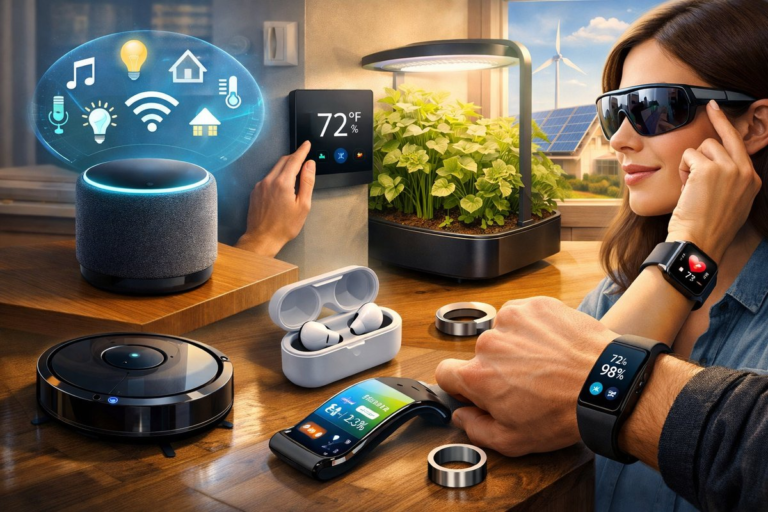
Of all the pocket-sized gadgets rising in popularity, perhaps the most remarkable are those that adapt to emotional context. AI-powered smart rings or pendants can detect signs of stress or fatigue through biometric cues and recommend mindful breaks. They sync with mood-tracking journals, suggesting music playlists or guided meditation sessions tailored to the wearer’s emotional state. By bridging physical, digital, and psychological realms, these wearables aim not just to optimize productivity but to cultivate holistic wellness.
What do these innovations share? A commitment to modularity, privacy, sustainability, and emotional intelligence. By focusing on targeted functionality instead of bloated, one-size-fits-all designs, engineers are making tech that feels more like an extension of personal needs than an imposition. Materials are chosen for low environmental impact. Software is built with opt-in data sharing, putting consent at the forefront. And AI features are calibrated to support well-being, not exploit attention.
As production techniques improve and economies of scale kick in, price points will become more accessible. Soon, what feels cutting-edge today will be standard in every pocket. Enthusiasts and early adopters are already customizing ecosystems of micro gadgets, creating workflows that mesh solar battery packs with biometric rings and portable translators. In remote villages, sustainable solar chargers power health sensors and air monitors, opening new possibilities for telemedicine. In dense urban corridors, lightweight drones map pollution pockets, feeding data into community dashboards.
The next generation of pocket-sized smart tools promises even further leaps: self-healing polymers that repair surface scratches, flexible batteries woven into clothing, and AI assistants that live entirely on-device for zero privacy trade-offs. Nanoscale sensors may detect pathogens in the air before symptoms emerge. But regardless of these advances, the guiding principle remains the same: make tech that empowers people while honoring planetary boundaries and personal dignity.
Whether you’re a digital nomad cutting down on carry weight, a parent monitoring indoor air quality for children, or a language lover exploring far-flung markets, these tiny titans are reshaping what’s possible. They remind us that sometimes the biggest innovations come in the smallest packages-and that the future of technology may be measured not in inches or pounds, but in how deeply it connects to our values and everyday lives. As these gadgets slip into pockets and onto keyrings, they carry with them the promise of smarter, kinder, and more sustainable living-one small device at a time.