Location
Mount Vernon, WA 98274

Location
Mount Vernon, WA 98274
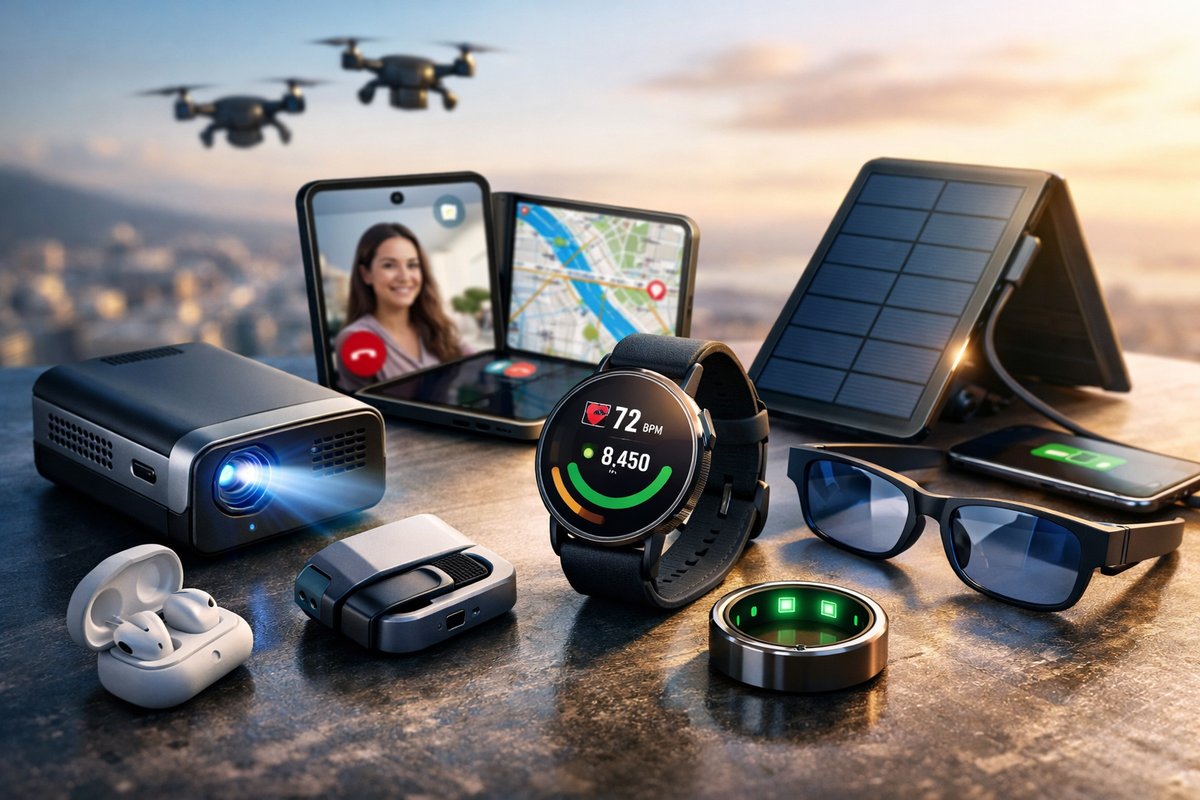
From pocket-sized projectors to wearable biometric sensors, the latest wave of ultra-portable gadgets is redefining convenience, connectivity, and sustainability. Discover the innovations that are turning our daily routines into powerful experiences wherever we go.
Every day, our pockets grow heavier with possibilities as engineers and designers pack more computing power into increasingly smaller shells. What once required a backpack now fits into a single hand: micro-projectors beam presentations on the fly, smart rings handle payments at a tap, and biometric earbuds track real-time health data. This surge in ultra-portable tech is reshaping how we work, play, and live, collapsing the gap between intention and action.
At a recent global tech expo, manufacturers unveiled a new generation of mini LED projectors no larger than a matchbox. These units deliver crisp 1080p images on any flat surface, drawing under five watts of power. Complemented by foldable e-readers that combine paper-like screens with solar panels embedded in their covers, they showcase a clear intention: empower users on the move without tethering them to a wall outlet or Wi-Fi network.
Meanwhile, the market for pocket-sized computing hubs has expanded. Credit-card-sized single-board computers now rival desktop processors from just a few years ago, supporting 4K video decoding, machine learning inference, and secure data encryption. They give hobbyists and entrepreneurs an approachable platform for building everything from autonomous drones to remote environmental sensors. Recent academic research estimates that use of these devices in community monitoring projects has reduced local energy waste by 15 percent over the past twelve months.
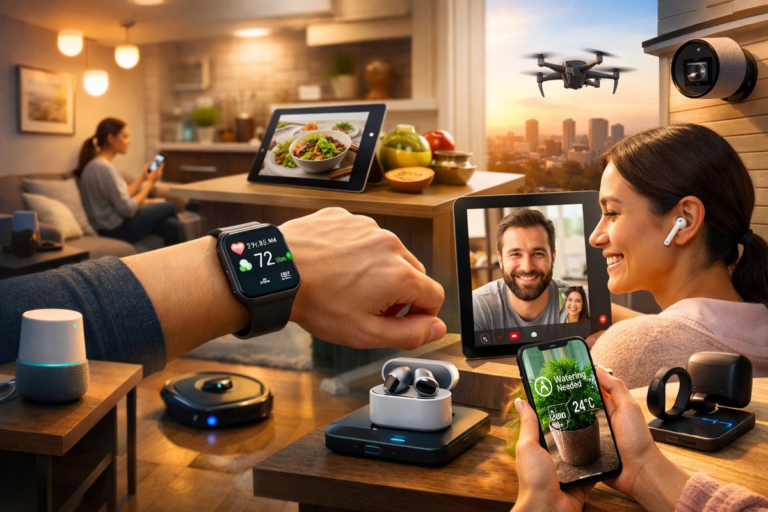
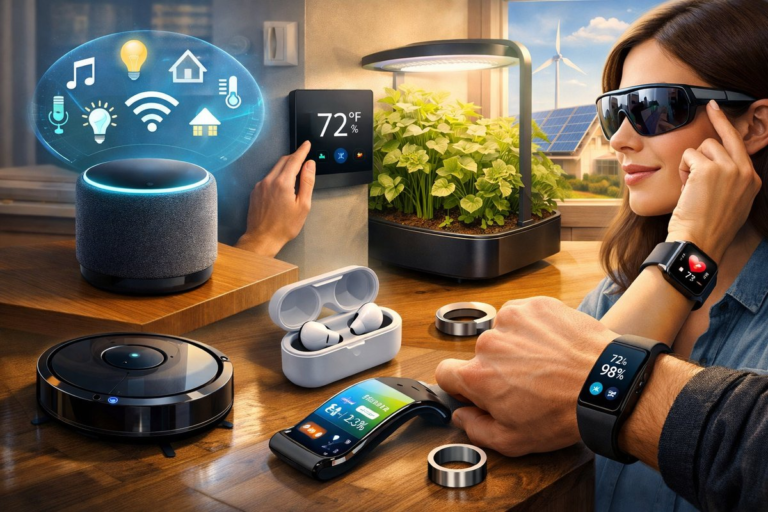
Wearables have followed suit, shrinking to the point that a ring can house an accelerometer, NFC chip, and LED indicator. Smart rings track sleep patterns, contactless payments, and contact tracing in a form factor that slips on a finger rather than clings to our wrists. According to industry analysts, shipment volumes for finger-borne wearables climbed by 25 percent year-over-year, signaling growing consumer trust in more discreet forms of monitoring technology.
Audio accessories have also gotten a health-centric makeover. Wireless earbuds now incorporate infrared sensors to measure blood oxygen levels and skin temperature. In field tests, these health-monitoring earbuds delivered accuracy within a few percentage points of clinical devices, opening new possibilities for at-home wellness checks and real-time fitness feedback. Battery life improvements mean extended use throughout a workday or workout session, and rapid-charge modes restore hours of playback in mere minutes.
Language barriers are falling thanks to handheld translators no larger than a deck of cards. Equipped with on-device artificial intelligence, these units handle dozens of languages offline, turning conversations in bustling markets or remote villages into seamless exchanges. Travel surveys indicate that over half of international tourists now carry a dedicated translation gadget alongside their smartphones, valuing offline reliability in areas where data roaming costs or network coverage can be prohibitive.
Product designers are also addressing environmental concerns by integrating solar cells into rugged chargers that fit inside a jacket pocket. These foldable panels and battery packs can harvest sunlight to keep phones, GPS trackers, or LED lanterns running, extending gear uptime on long journeys. Early adopters in outdoor education programs report that pocket solar chargers reduced reliance on disposable batteries by nearly 40 percent.
The embrace of modularity is another trend. Clip-on sensors for instant biometric readings, swappable lens units for ultra-compact cameras, and magnetic mounts that transform a smartphone into a microscope or thermal imager illustrate a shift toward devices that grow with user needs. This approach extends product lifecycles, cuts electronic waste, and allows consumers to customize hardware without buying a new device each time requirements evolve.
In education and creative industries, pocket oscilloscopes and portable sketch tablets are breaking down barriers. Field engineers can diagnose circuit issues on site, students can visualize waveforms at a picnic table, and artists can draft storyboards under a tree canopy. The convergence of low-latency touchscreens, haptic feedback, and stylus input has created a generation of creative tools that feel tactile and immediate despite their diminutive size.
Connectivity solutions have kept pace. Credit-card-sized 5G hotspots fit inside a wallet and broadcast high-speed internet to multiple devices, enabling mobile offices anywhere with cellular coverage. In a recent survey of remote workers, nearly 60 percent reported that a portable hotspot was their most critical gadget for maintaining productivity during travel or field assignments.
Privacy and security have moved to the forefront of these designs. Hardware encryption modules, secure boot sequences, and on-device AI processing ensure that sensitive information-biometric readings, translations, or encrypted messages-never leaves the gadget unprotected. Open-source firmware options also empower tech-savvy users to verify device integrity, reducing the risk of third-party backdoors or data leaks.
Looking ahead, emergent materials such as foldable silicon and printed electronics hint at further miniaturization. Wearable patches could monitor hydration and nutrient levels, while flexible displays might wrap around a pen or adhesive strip. Prototypes of smart contact lenses promise augmented reality overlays in direct vision, presenting the next frontier of blending digital and physical worlds at a glance.
As these micro-gadgets continue to permeate daily life, they bring profound implications for autonomy and creativity. No longer confined to desks or living rooms, computing power travels in our pockets and jewelry, ready to assist with translation, health checks, presentations, or impromptu design sketches. The boundaries between tasks and tools shrink, empowering each of us to become our own technologist, communicator, or troubleshoot expert at a moment’s notice.
In this era of ultra-portable innovation, convenience and sustainability intersect. Modular components lessen the environmental footprint, solar enhancements reduce battery waste, and stronger security features protect personal data on the go. Our relationship with technology is evolving from passive consumption to hands-on curation, as we mix and match micro tools that align with our values, needs, and creative impulses.
The frontier of pocket-friendly powerhouses is only beginning to unfold. Whether you’re a digital nomad, a field researcher, or someone who simply appreciates the freedom to step away from a desk without losing momentum, these ultra-portable gadgets are shrinking the world in remarkable ways. Keep an eye on the tiny innovations-they just might change how you see the world, one pocket at a time.