Location
Mount Vernon, WA 98274

Location
Mount Vernon, WA 98274
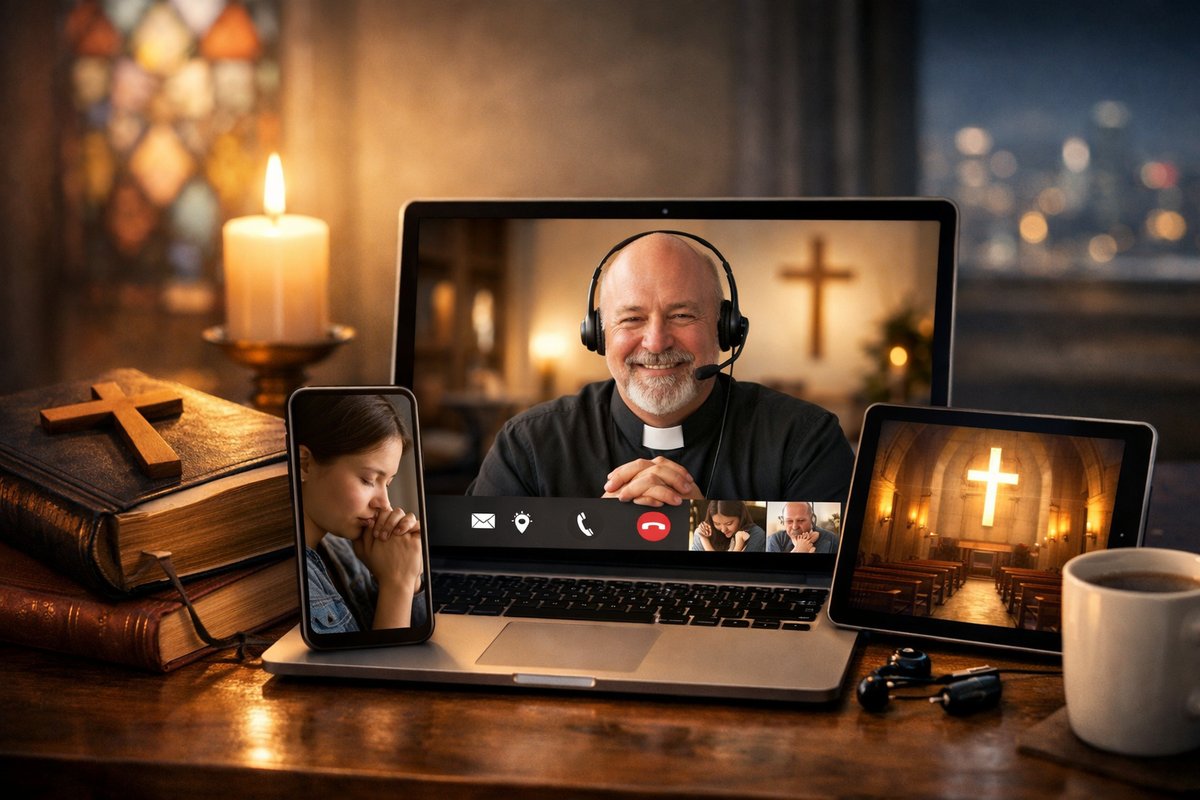
Churches and faith organizations are turning to telechaplaincy platforms to meet a growing demand for accessible pastoral counseling and spiritual support. This emerging digital ministry blends technology with tradition, offering believers private, on-demand care at any hour.
In communities large and small, a new chapter of pastoral outreach is unfolding. Telechaplaincy apps-mobile and web platforms connecting users with certified chaplains or trained volunteers-are becoming an integral part of Christian ministry. As mental health concerns and social isolation intensify, congregations are experimenting with digital channels to ensure that no one has to face anxiety, grief, or spiritual questions alone.
Early adopters describe telechaplaincy as a bridge between Sunday services and real-life struggles. One midwestern congregation launched a pilot last year, offering a 24/7 chat feature staffed by seminary-trained counselors. Attendance among young adults rose by 35 percent, and average session length stretched from fifteen minutes on Sundays to nearly forty minutes at unexpected hours-late at night or during lunch breaks.
That momentum is mirrored in coastal cities, where multicultural parishes have added video calls to their slate of outreach services. A bilingual program in California reported a doubling of participation among non-English speakers after adding simultaneous interpretation and live captioning. Congregants praised the anonymity and ease of use: a quick tap on their smartphone replaced the anxiety of scheduling an in-office visit.
What began as an emergency response during recent crises has matured into a sustainable model. Developers of faith-oriented platforms highlight features such as encrypted messaging, appointment scheduling, and digital prayer walls. One platform offers integrated devotional prompts, linking users to scripture passages tailored to their situation-grief, job loss, chronic illness, or relationship stress. All of this happens without requiring users to download multiple apps or juggle separate logins.
Behind the scenes, partnerships with seminaries and counseling centers ensure that chaplains meet accreditation standards. Institutions that once relied solely on in-person internships now require trainees to host remote sessions, preparing the next generation of clergy for a hybrid ministry environment. For rural communities with limited access to mental health resources, telechaplaincy may be the only option. A network serving remote counties reported that 60 percent of its users have never stepped foot in a church building.
Technology companies have taken note. A spate of wellness startups is integrating faith modules alongside traditional features like guided meditation and mood tracking. Some church networks have responded by developing bespoke apps, complete with push notifications for scripture readings and opportunities to schedule live prayer gatherings via video conferencing.
Yet the digital shift isn’t without its challenges. Internet connectivity remains a barrier in low-income neighborhoods and certain rural areas. Security and privacy concerns accompany any online service, especially when it involves personal struggles and confessions. Ministries must navigate data protection regulations, ensuring that encrypted conversations cannot be accessed by unauthorized parties. Additionally, critics warn that too much reliance on screens risks diminishing the value of face-to-face fellowship and tactile rituals that have defined Christian worship for centuries.
To address these issues, many organizations adopt a blended approach. Users might begin with a telechaplaincy session, then receive an invitation to join a small, in-person prayer group. Conversely, attendees at a weekday Bible study can reserve an online follow-up if they seek one-on-one guidance. This flexibility helps maintain communal bonds while offering a discreet option for sensitive topics.
Case in point: a suburban parish launched a digital “quiet hour” each weekday evening, inviting members to join a rotating roster of chaplains for one-on-one video prayer. The simplicity of the setup-a basic smartphone and a free video-chat link-proved powerful. Within months, nearly half of the congregation had participated, with many crediting the format for helping them manage everyday anxieties without feeling judged.
In urban centers, some ministries are experimenting with public telechaplaincy kiosks-private booths installed in community centers and malls. Equipped with a tablet, headphones, and a charging station, these hubs enable passersby to initiate a secure video call with a chaplain in minutes. Early trials report that kiosks attract individuals who would not otherwise seek out a church building, opening doors to conversations about faith, purpose, and hope.
Experts argue that the next frontier lies in data-informed pastoral care. Anonymized interaction patterns-peak hours, frequently discussed topics, average session durations-can guide ministries in allocating staff and tailoring programming. For instance, if many users seek help with grief on weekend afternoons, a church might schedule a themed tele-retreat or webinar to address the emotional rhythms of loss.
Beyond one-on-one counseling, telechaplaincy platforms are spawning digital small groups. Participants gather in virtual breakout rooms for guided reflections, prayer circles, and scriptural meditations. Leaders share screens to display hymn lyrics, read passages, or launch audio meditations. By fostering structured interaction online, these groups preserve a sense of shared journey, even when members are dispersed across time zones.
As telechaplaincy gains traction, theological educators are revisiting curricula to include digital ministry competencies. Courses on ethics now examine the limits of online confidentiality. Practical theology classes explore how liturgy can translate to a virtual environment without losing its symbolic impact. These updates reflect a broader shift: ministry is becoming more adaptable, meeting people where they are-physically and emotionally.
Looking ahead, integration with emerging technologies-artificial intelligence, virtual reality, and wearable devices-presents both promise and caution. AI-driven chatbots could handle triage conversations, directing users to a human chaplain when deeper care is needed. VR prayer experiences might immerse participants in virtual sacred spaces, evoking ancient cathedrals or natural sanctuaries. Wearable biosensors could alert chaplains when stress levels spike, prompting timely outreach. But every innovation carries ethical implications: who owns the data, and how can ministries guard against depersonalization?
For now, the surge in telechaplaincy underscores a simple truth: people crave connection and compassion. By blending tried-and-true spiritual practices with modern tools, Christian communities are reinventing pastoral care for the digital age. Whether it’s a late-night conversation on a smartphone or a quick prayer session between errands, ministry is stepping beyond church walls, reaching hearts wherever they happen to be.
Quiet courage and thoughtful reflection remain at the heart of this transformation. As one chaplain put it, “Technology may deliver the service, but empathy delivers the soul.”
May these digital paths continue to open, weaving human tenderness through circuits and screens, ensuring that anyone in need can find a guiding presence just a tap away.