Location
Mount Vernon, WA 98274

Location
Mount Vernon, WA 98274
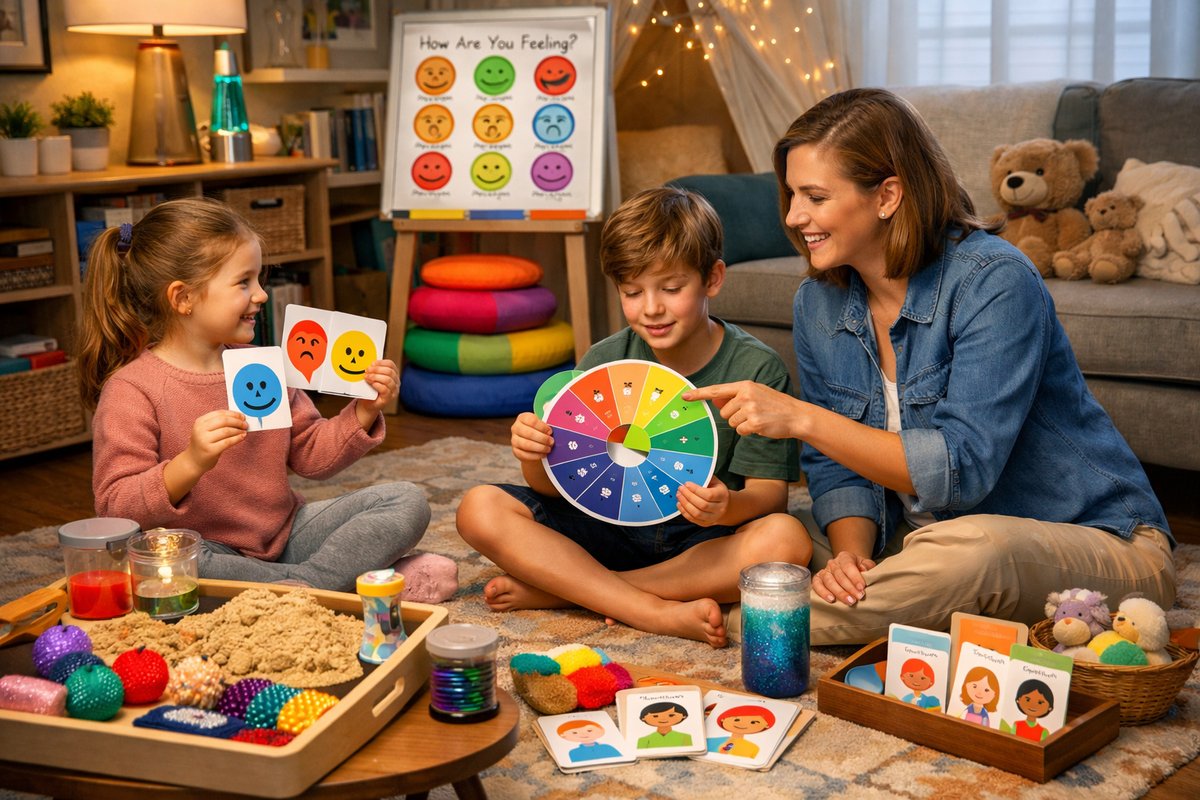
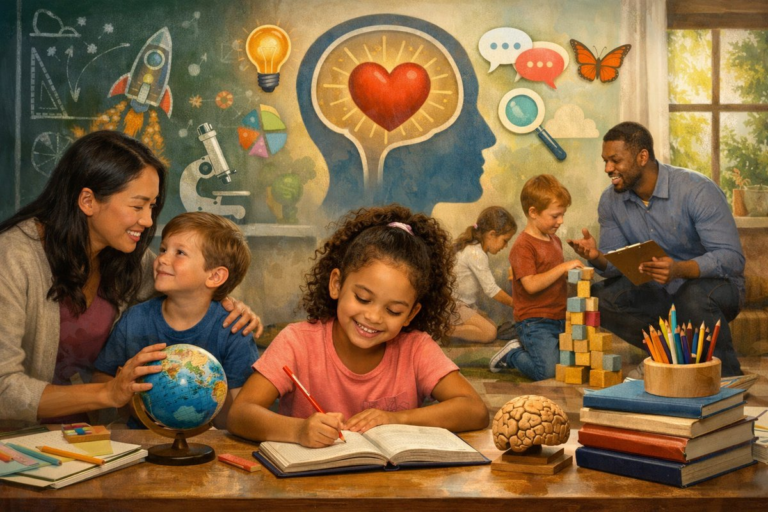
A growing number of parents are transforming their living rooms into laboratories for emotional learning, blending play with coaching to help children build self-awareness and resilience. Recent reports highlight how simple tools-from flashcards to sensory kits-are empowering families to nurture both cognitive skills and emotional intelligence under one roof.
In living rooms and backyards across the nation, a quiet revolution is underway. More families are weaving emotional literacy into everyday moments, treating home environments not only as nurseries of imagination but also as training grounds for self-awareness. As schools and after-school programs struggle to keep pace with growing calls for social and emotional learning, many parents are taking matters into their own hands, equipping their children with the vocabulary and tools to understand feelings, practice self-regulation, and build empathy alongside math and reading.
A 2023 survey by a leading parenting research group found that 78 percent of parents consider emotional education as important as academic skills in early childhood. Yet only 45 percent reported that their children’s formal schooling offered dedicated time or resources for feelings work. This gap has inspired a market surge in home-friendly products and DIY coaching kits designed to bring emotional learning into daily play. From illustrated emotion cards to interactive storytelling plush toys, parents are arming themselves with resources that once were confined to therapy or specialized classrooms.
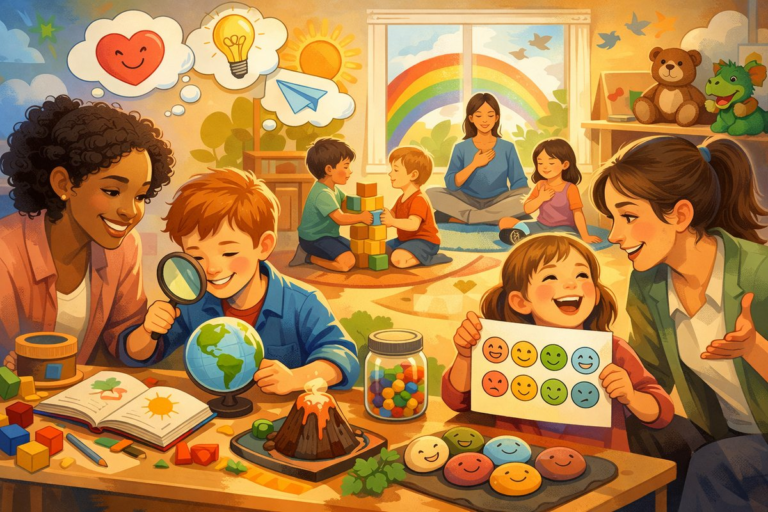
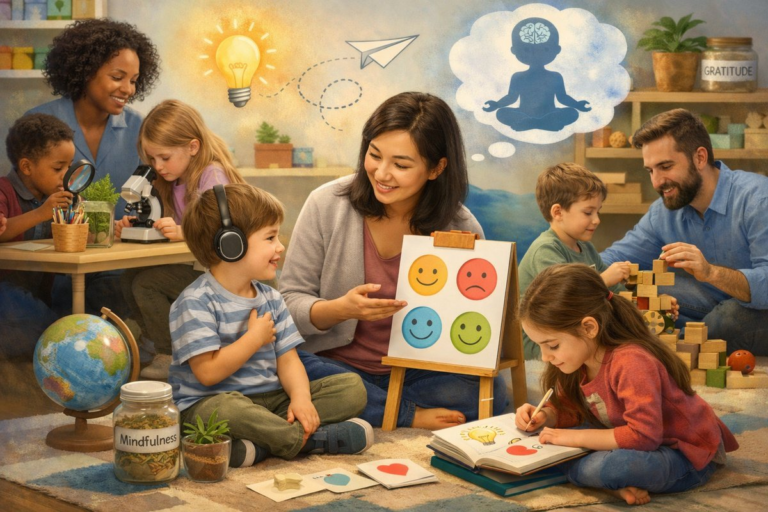
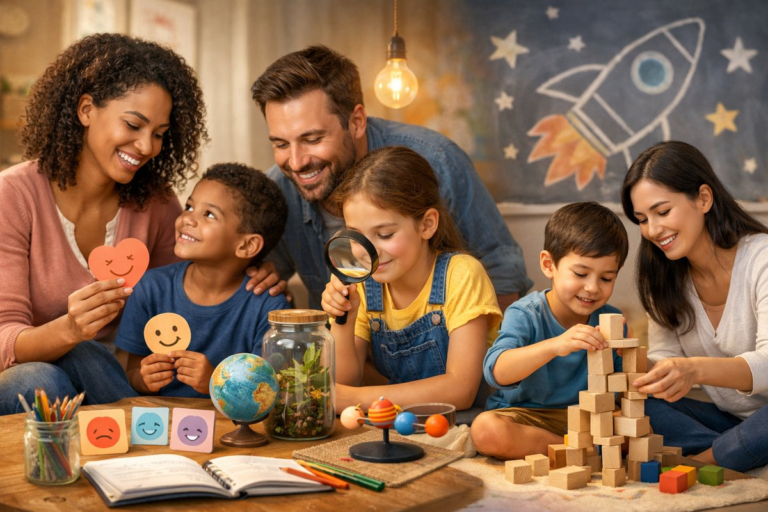
Take the Mason family in suburban Ohio. With two children under eight, they’ve converted a corner of their den into what they call the “Feelings Lab.” Here, siblings experiment with color-coded emotion flashcards, build towers of wooden blocks when they need a quiet moment, and gather for five minutes of guided breathing exercises using a deck of mindfulness cards laid out on a low coffee table. “After my daughter learned the word ‘frustrated’ from one of those cards, she started naming it when her tower collapsed,” says Laura Mason. “That moment of naming cut her crying fits in half. She felt heard, even though I wasn’t a mind reader.”
Emotion flashcards have become one of the star performers in the home-education toolkit. Typically illustrated with expressive faces and paired with simple prompts, these cards invite children to point, mirror, or discuss how a character might feel in different scenarios-like missing a friend’s birthday or winning a game. Research from a mid-Atlantic university indicates that children who practice emotion-naming games at home show a 20 percent increase in their ability to label feelings in unfamiliar situations. Pediatricians and school counselors often recommend these cards as conversation starters for early learners.
Simultaneously, the demand for tactile, open-ended toys is soaring. Wooden stacking blocks, once a staple of nurseries, have made a comeback as dual-purpose playthings. Parents encourage children to build expressive sculptures-tight towers when calm, zigzag bridges when excited-that can then spark conversations about emotional states. “Blocks speak a universal language of control and release,” explains child development specialist Dr. Nina Patel. “When kids physically build or knock down structures, they’re also externalizing internal experiences. It’s a hands-on metaphor for managing strong feelings.”
Other families are turning to sensory play dough kits scented with lavender, cinnamon, and mint. By molding colors into shapes that represent joy, sadness, or anger, children can project abstract emotions onto malleable forms. This tangible approach helps youngsters who struggle to articulate feelings in words. “My son loves the lavender-scented dough,” says mother of three Angela Ruiz. “When he’s anxious, he smooths it out between his fingers, takes a sniff, and suddenly he can tell me what’s bothering him.” Child psychologists note that combining scent with touch and color deepens neural pathways, making it easier for children to recall and describe emotional experiences later on.
Not every home is turning corner nooks into labs. Some parents are experimenting outdoors, blending nature exploration with emotional check-ins. Guided nature journals encourage kids to sketch a leaf or pebble, then assign an emotion to their find. “We ask, ‘Does this jagged rock feel more like anger or excitement?'” explains outdoor educator Mark Chang. “It helps children examine feelings from a distance, as if they’re curators of emotional artifacts.” These guided walks reinforce the idea that emotions are as much a part of the world as physical objects-tangible, observable, and worthy of study.
While many of these tools can be self-led by parents, some families opt for structured coaching programs delivered via downloadable cards or mobile apps. A handful of startups now offer multi-week kits, complete with parent guides, printable worksheets, and video tutorials on emotion coaching techniques. These programs often draw from established psychological models, such as the RULER approach-recognizing, understanding, labeling, expressing, and regulating emotions-originating from a neuroscience research center at a prestigious university. Early adopters report not only calmer mealtimes and smoother morning routines but also improved sibling cooperation and heightened curiosity in conflict resolution.
Designing the physical space has also become part of the equation. Adjustable art easels, soft floor cushions, and muted lighting can transform a chaotic corner into a calm “talking circle,” where family members gather for emotion check-ins at dinner or bedtime. According to interior psychologist Sofia Mendes, these micro-design choices signal to children that emotional conversations are important, “like setting a table for a feast of feelings.” Parents who invest in multi-purpose furniture find that clear visual boundaries help kids shift from play mode to reflection mode without tantrums or dragging feet.
As the movement gains traction, educators and child advocates are calling for wider adoption in schools and community centers. They argue that emotional coaching at home primes children for discovering these skills in group settings, where peer interactions can be more complex. Pilot programs in several public elementary schools are now exploring partnerships with local nonprofits to distribute take-home kits and train parents during evening workshops. Preliminary results show that when children use the same emotion vocabulary at home and at school, teachers report fewer behavioral referrals and higher participation in group assignments.
Not everyone is convinced that gadgets and kits alone can solve the deeper challenges of emotional literacy. Critics caution against overreliance on products that risk turning genuine feelings into checklists or performance tasks. “True emotional understanding comes from authentic conversation, not just following prompts,” warns licensed family therapist Elena Morales. She suggests that tools should supplement, not replace, one-on-one dialogue. Morales encourages parents to use products sparingly, ensuring that each toy or card deck becomes a catalyst for real discussion rather than a scripted session.
Parents noted that the best results happen when tools fit seamlessly into daily routines. Instead of scheduling formal “emotion hour,” families report greater success with spontaneous check-ins after transitions-getting off the school bus, during snack prep, or just before bedtime story. This micro-moment approach helps children internalize emotional exploration as a natural part of life, not an isolated lesson.
Looking ahead, the trend shows no signs of slowing. New entries in the market include storybook apps that pause narration to ask children how the hero might feel and DIY craft sets for customized emotion wheels. Meanwhile, a recent feature in a leading educational magazine dubbed this era “the homegrown empathy movement,” highlighting a shift toward holistic parenting that honors both heart and mind.
For today’s parents, the message is clear: building thinkers goes hand in hand with nurturing feelers. By integrating simple tools-blocks, cards, sensory kits-into the rhythms of daily life, families are laying foundations for children to navigate both algorithms and anxieties, equations and empathy. In this new frontier of home education, every conversation, every scaffolded toy, becomes an opportunity to cultivate emotional architects for the challenges ahead.