Location
Mount Vernon, WA 98274

Location
Mount Vernon, WA 98274
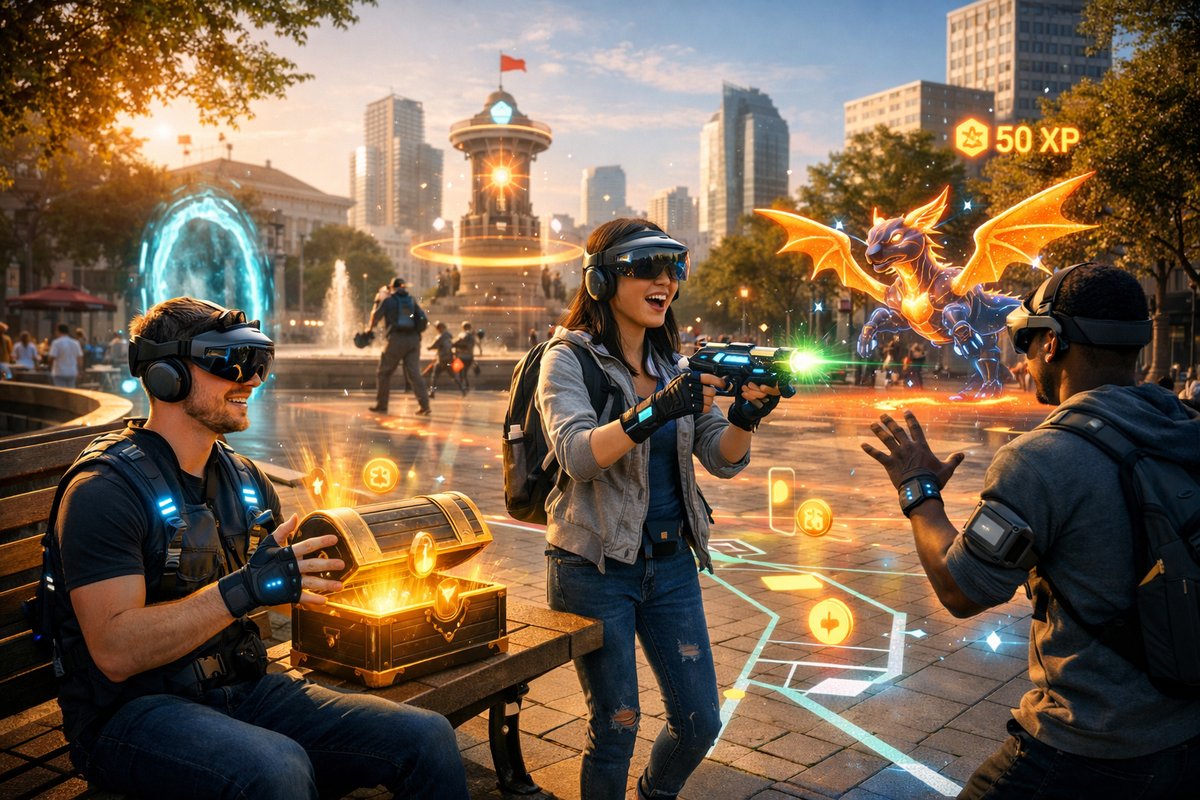
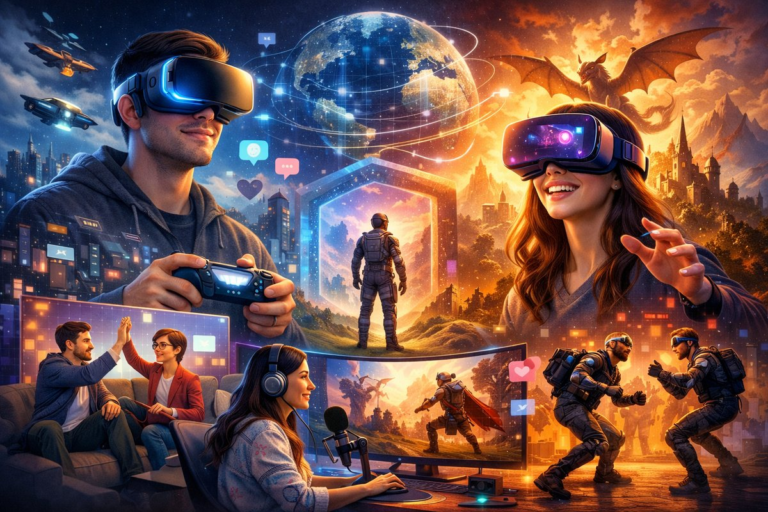
From park benches to public plazas, gamers are leveling up their surroundings with next-generation augmented reality. New headsets, haptic wearables and social platforms are transforming urban streets into living gameboards, turning everyday commutes into shared adventures.
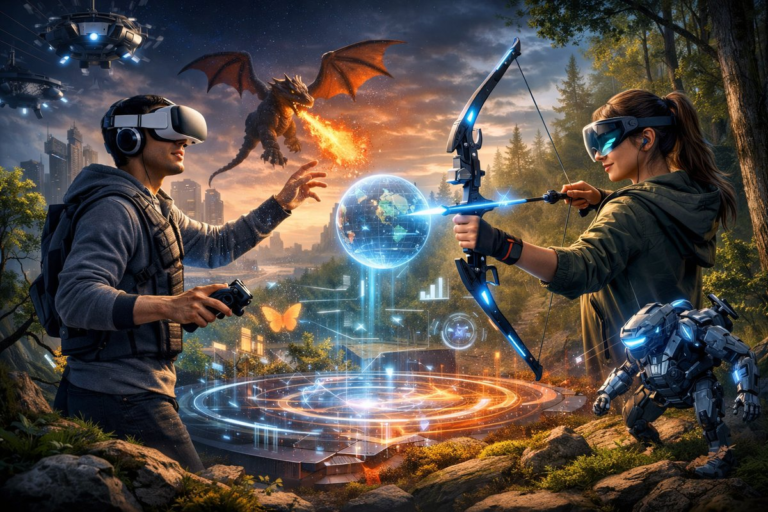
In cities around the world, the border between physical streets and digital realms is dissolving. What began as camera overlays on smartphones has blossomed into full-fledged augmented reality experiences that invite players to explore, connect and compete in real time. Fueled by advances in wearable displays, haptic feedback gear and social connectivity, location-based AR gaming is no longer a novelty for early adopters-it’s emerging as a mainstream form of entertainment and community engagement.
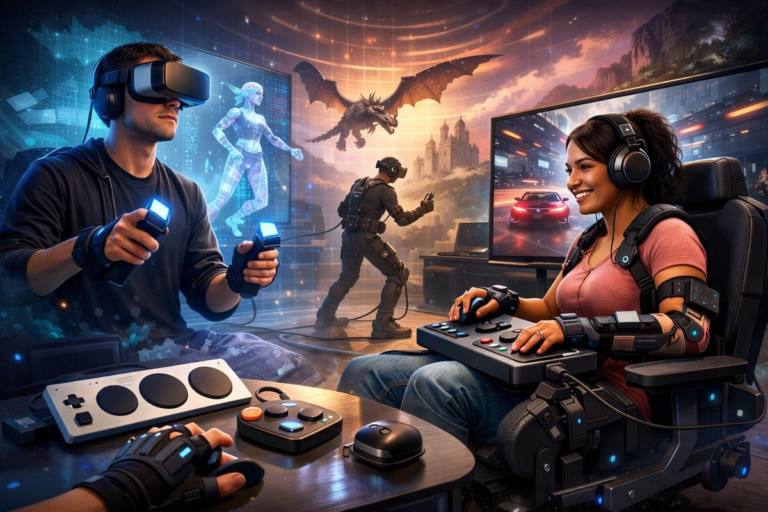
This transformation owes much to hardware innovations. Mixed-reality headsets, once confined to bulky prototypes, are becoming lighter and more affordable, offering a comfortable, hands-free window into virtual overlays. Gone are the days when players had to hunch over a phone screen; today’s devices project landmarks, characters and challenges directly into your line of sight. Paired with compact haptic feedback vests, gamers can feel the pulse of an incoming virtual creature or the recoil of a digital blaster against their torso. This on-body sensation bridges the gap between sight and touch, making encounters in the wild feel surprisingly real.
Behind the scenes, developers are tapping into robust location databases and environmental mapping tools. Early efforts relied on GPS alone, leading to drift and misalignment in crowded urban canyons. Now, cloud-based mapping services offer centimeter-level precision, enabling virtual objects to anchor to building facades, park sculptures and street art. During a recent developer showcase at a major technology festival, attendees watched as digital creatures nested in real-world planters, then scattered when someone reached in to touch the physical soil. These demonstrations underscore how software and sensor fusion are redefining spatial storytelling.
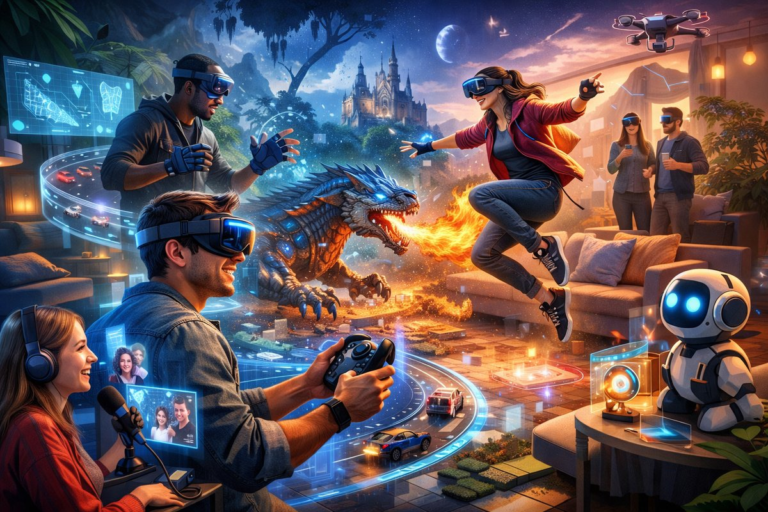
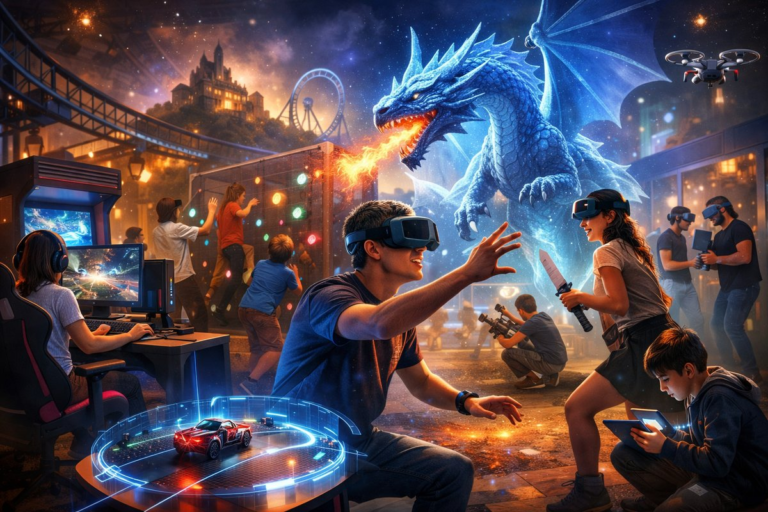
Social features are the heartbeat of this new era. A dedicated community app acts as a digital town square, where players can form squads, tag meeting spots and share highlights. In one large-scale event, thousands of participants converged on a waterfront promenade to cooperate in capturing a towering, animated behemoth. Spectators cheered on their phones as the giant shimmered with light and emitted low-frequency rumbles felt through wearable vests. Following the finale, a virtual reward drop encouraged players to swap tips, screenshots and real-world trinkets in impromptu pop-up markets.
Brands and cultural institutions have taken notice. Museums are overlaying lost artifacts onto the spaces they once occupied, while local art festivals embed secret murals only visible through an AR lens. Food trucks now gamify their offerings: customers scan a glowing marker on the menu board to unlock time-limited challenges and collect virtual coupons redeemable for discounted bites. Even fitness trackers are seeding AR experiences into jogging routes, turning daily exercise into treasure hunts where checkpoints dispense character skins or power-ups.
The environmental impact of gear and events hasn’t gone unnoticed. Sustainable design principles are guiding the development of eco-friendly accessories-recycled plastics for wearable mounts, solar-powered charging stations in public parks and biodegradable markers embedded in sidewalks. Some indie creators are repurposing reclaimed materials to craft pop-up AR pods that require no electricity beyond the players’ own devices. This focus on low-impact setups ensures that the digital layer enriches urban life without littering it with single-use electronics.
At home, the craze has spurred a surge in modular accessories. A simple ball joint system lets you attach lights, lenses and selfie sticks to a smartphone, transforming it into a handheld AR rig. Swappable battery modules clip onto the frame when a longer exploration is planned, while quick-release mounts allow seamless shifts between handheld, chest-mounted and bike-mounted configurations. For hobbyists tinkering in small workshops, 3D-printed adapters enable custom grips and counterweights, ensuring hours of comfortable play.
Software tools have opened up content creation to nonprogrammers. Visual scripting platforms now let local art communities author mini-games that overlay murals, statues or performance spaces. Neighborhood groups are hosting weekend workshops where participants learn to drop virtual characters into local parks or design shareable digital stickers that appear within a three-block radius. This democratization of AR content means that the next viral experience might emerge from a corner café rather than a major studio.
Security and privacy remain central concerns. Since location-based experiences collect real-time positional data, platforms must anonymize movement logs and give players granular control over shared details. A successful initiative in one city uses opt-in beacon zones, where public markers signal that data collection will power an event, and players explicitly grant permission before entering. This transparent approach builds trust and encourages wider participation.
For businesses, the rise of location-based AR has unlocked novel marketing and engagement channels. Retailers can create scavenger hunts that guide foot traffic to flagship stores, while stadiums can overlay team mascots onto concession stands, rewarding fans who scan for exclusive content. Even public transit systems have experimented with narrative layers that turn subway platforms into episodic chapters of a city-wide mystery.
As technology continues to advance, the line between gaming, art and social connection will blur further. Next-generation smartglasses promise color-calibrated displays that rival cinema projectors, while improved battery chemistry will extend play sessions from hours to an entire day. Machine learning algorithms are getting better at interpreting crowded scenes, allowing virtual players to duck behind real people or leap over stationary benches in a single cohesive experience.
Yet the most powerful shift is cultural. Once, gaming meant isolating yourself behind a screen. Now, it’s about exploration-discovering hidden corners of your own city, forging temporary alliances with strangers and celebrating creativity in public spaces. From quiet morning jogs to boisterous weekend festivals, location-based AR has injected a sense of wonder into the everyday.
As this movement gathers momentum, prepare to see more streets transform into dynamic stages. Whether you wield a headset, tap your phone or don a vibration vest, the next great adventure could be waiting right outside your door.