Location
Mount Vernon, WA 98274

Location
Mount Vernon, WA 98274
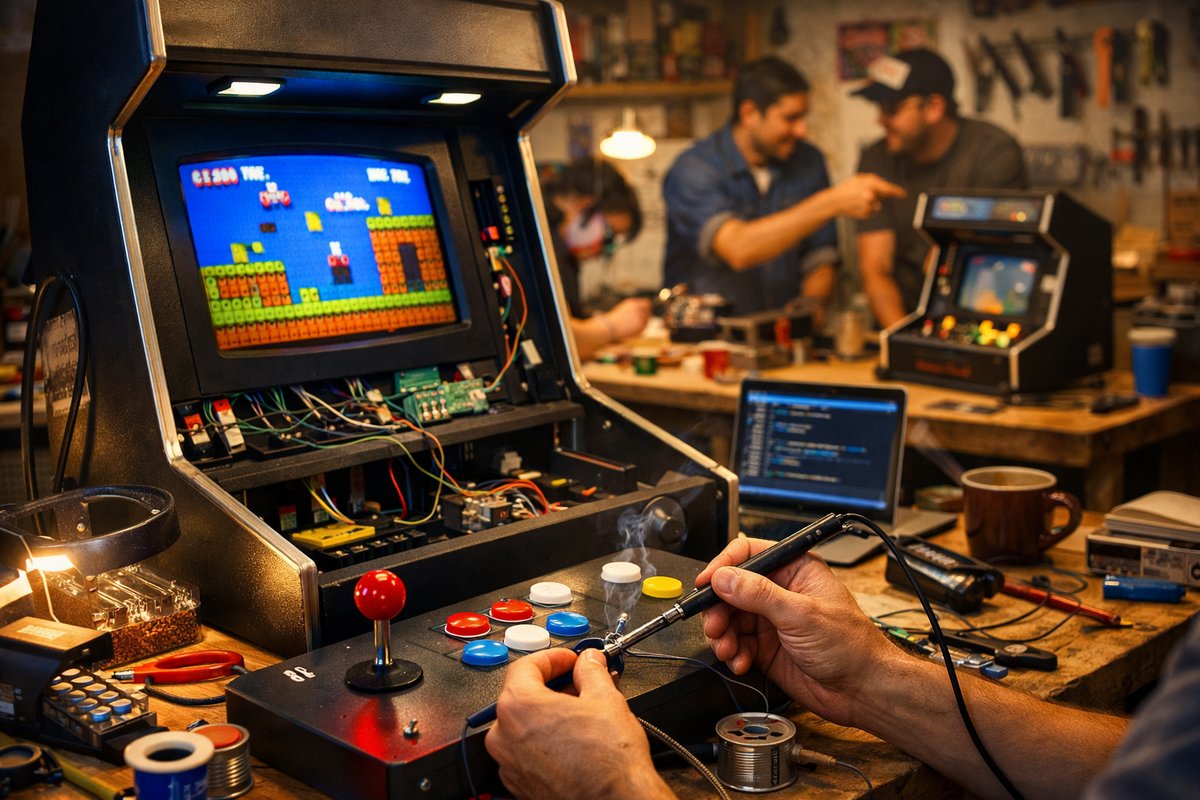
In workshops, garages and coffee shops around the globe, enthusiasts are turning vintage gaming magic into hands-on projects. From soldering buttons to programming open-source emulators, DIY arcade builders are breathing new life into local gaming scenes and fostering creative collaboration.
Long gone are the days when arcades were confined to neon-lit mall corners or seaside boardwalks. A grassroots resurgence is underway, powered by makers, coders and designers who believe that the love of games extends far beyond high-end consoles and cloud servers. Across neighborhoods, teams of hobbyists are collaborating on DIY arcade cabinets-wooden enclosures packed with joysticks, LED displays and repurposed controllers-to host pop-up events, teach soldering skills and create new social spaces.
It all begins with a single-board computer and an appetite for nostalgia. Hobbyists are embracing open-source emulation software that lets them recreate hundreds of classic titles-from side-scroll beat ’em ups to pixel-perfect shooters. These chips, roughly the size of a credit card, plug into HDMI ports on TV panels salvaged from old monitors or thrift-store finds. With a few lines of code, a boot-menu interface springs to life, presenting curated game collections. The result: a seamless, turnkey arcade experience delivered through Spend-Under-$100 hardware.
But the real magic happens when communities gather around the build process. At maker spaces and local hackathons, experienced builders lead workshops on cutting plywood for cabinet sides, drilling precise button holes and wiring arcade switches. Soldering irons hum, hot glue guns hiss, and participants-some as young as ten-discover the tactile thrill of crafting their own hardware. These sessions don’t just impart technical skills; they spark curiosity, build confidence and nurture cross-generational bonds. Parents working alongside their kids share stories of coin-op legends, while veteran coders mentor newcomers on Python scripts that automate marquee lighting effects.
Material choices reflect a sustainable ethos. Many builders repurpose salvaged wood, old shelving boards or discarded furniture panels. Screen enclosures might reuse glass panes or plexiglass recovered from broken picture frames. Even the LEDs lining marquee edges often come from disassembled holiday decorations. This upcycling trend reduces waste and turns each cabinet into a one-of-a-kind piece-with custom artwork applied via heat-transfer vinyl or hand-painted finishes.
The cabinets themselves range from compact “bartop” units designed for counter-height play to full-size standing machines that tower at five feet tall. Some groups have taken creativity further by upholstering stools with retro gaming patterns, embedding wireless speakers to pump out 8-bit soundtracks or installing motion sensors that trigger ghostly effects in horror-themed layouts. Gamers can toggle between joystick controls and classic trackball inputs, swapping panels in minutes thanks to modular design frames bolted with quick-release latches.
Once built, these machines travel to coffee shops, breweries and community centers for pop-up arcade nights. Attendees drop a few dollars into communal “coin jars” to support the project, while organizers project high-score leaderboards onto café walls. Friendly tournaments spring up-two-player fighting game brackets, high-speed racing challenges, cooperative puzzle hunts-each event strengthening local connections. Beyond competition, the shared experience of huddling around glowing CRT-emulation screens fosters genuine camaraderie.
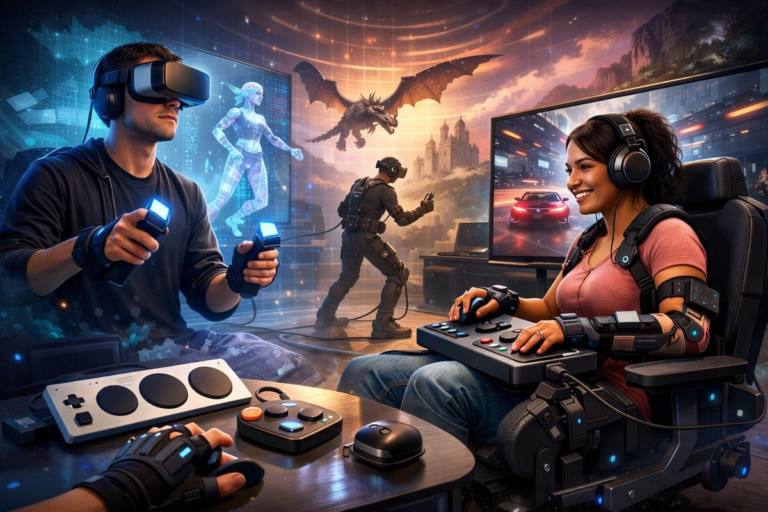
Organizers also use these events as platforms for inclusivity. Dedicated all-ages hours ensure family-friendly gaming, while sensory-safe sessions offer reduced lighting and noise for neurodivergent players. Wheelchair-accessible cabinets and simplified control panels invite participants of all abilities to join in. By foregrounding accessibility, these DIY scenes are expanding gaming culture to embrace new voices and perspectives.
Technology advances are keeping pace with community imagination. Some builders integrate network-enabled controllers, allowing remote participants to dial in via the internet and challenge on-site players. Others experiment with motion-capture cameras that translate body movements into in-game actions, bringing physical theatre into arcade design. Emerging open-source frameworks even let multiple cabinets link as modular “arcade networks,” roaming players hopping between machines to pursue cross-cabinet high-score hunts.
Educational institutions are taking note. Schools and libraries have begun adopting simplified DIY arcade kits as STEM learning tools. Students not only write code for emulator front-ends but also learn about electronics, 3D printing replacement joystick mounts and graphic design for marquee art. Librarians report that after-school “arcade builder clubs” boost attendance and engagement, especially among students who might not gravitate toward traditional academic clubs.
Retailers specializing in maker supplies have seen a surge in demand for arcade-specific components: microcontrollers, arcade-style pushbuttons, illuminated joysticks and wiring harnesses. Even tabletop board-game cafés are investing in small pilot projects, offering a hybrid menu of physical and digital play. By contrast, big-box arcades struggle to compete with the intimacy and personalization of homegrown builds.
Yet the DIY arcade renaissance is more than a nostalgia trip for ’80s kids. Indie developers are using these cabinets to showcase experimental titles-pixel artists broadcasting live drawing sessions, musicians remixing classic soundtracks with modern beats, performance groups staging live narrative games that blend theater and interactive screens. These creative crossovers position arcade cabinets as evolving canvases, not just static vessels for retro love.
Looking ahead, community builders envision mobile “arcade pop-trucks” rolling into parks and festivals, school outreach programs teaching coding through game jams, and collaborative global high-score marathons linking cities across continents. The simple act of drilling button holes has grown into a movement that reimagines how we play, learn and connect.
In a world where digital experiences often feel abstract and siloed, these tactile, face-to-face DIY adventures offer a refreshing counterpoint. By crafting their own hardware and hosting inclusive events, makers are reclaiming play as a collaborative art form-and proving that sometimes the best way forward is to look back, take things apart and build something utterly new.