Location
Mount Vernon, WA 98274

Location
Mount Vernon, WA 98274
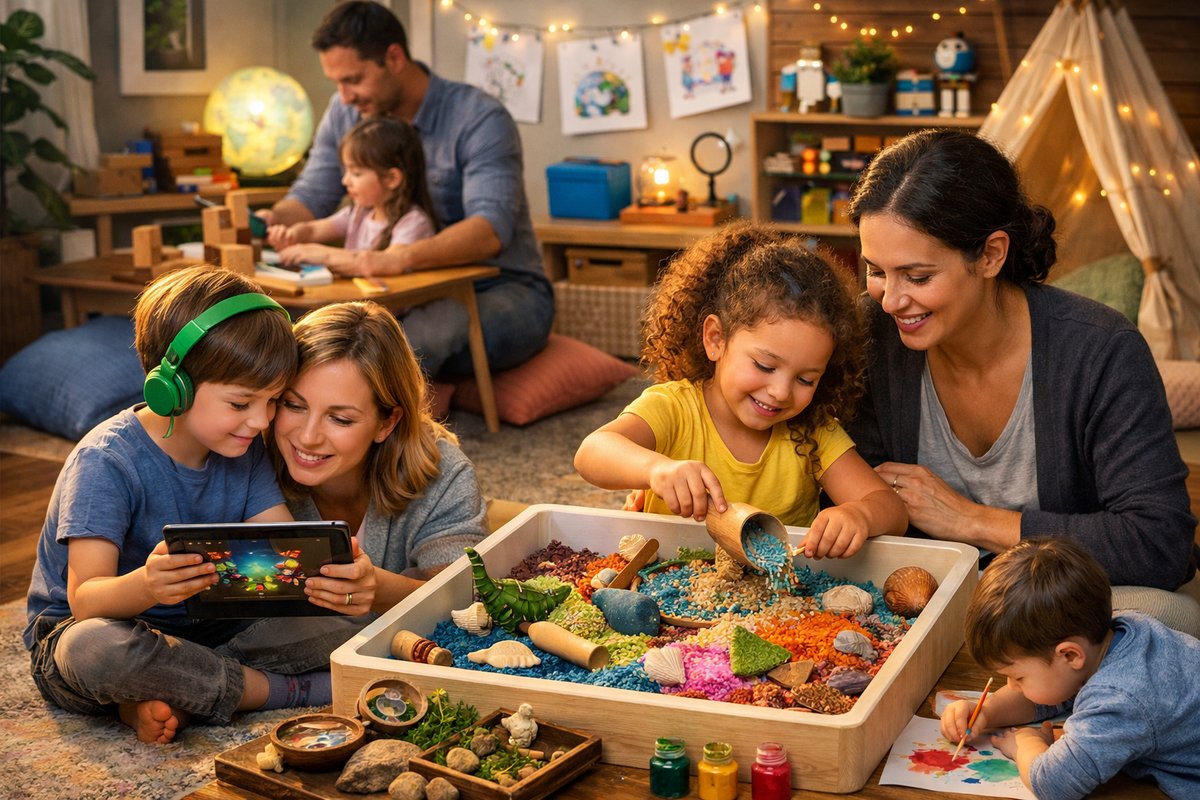
Parents and educators are blending digital innovation with tactile experiences to create home environments that foster emotional intelligence, creativity, and resilience. From adaptive storytelling apps to DIY sensory bins, this shift transforms everyday spaces into laboratories of curiosity and empathy.
The past few years have seen a transformation in how families approach emotional learning. No longer confined to school walls or therapy sessions, emotional intelligence is finding a permanent place in the heart of the home. Parents are experimenting with a new generation of tools-both digital and analog-to turn playtime into an opportunity for self-awareness, empathy, and creative problem-solving. By combining interactive apps, sensor-enhanced toys, hands-on kits, and nature exploration, these pioneers are crafting living rooms, backyards, and play nooks into dynamic learning spaces that respond to a child’s feelings as much as their imaginations.
Adaptive storytelling apps are among the most talked-about innovations in this space. One voice-activated narrative platform uses basic voice analysis to detect tone and pacing, adjusting plot twists or character emotions to match a child’s mood. If a young listener sounds anxious, the app introduces a playful sidekick who guides the hero toward calm solutions. If excitement creeps into the narrative, sudden challenges fuel resilience and resourcefulness. These apps pair voice recognition with age-appropriate themes-friendship, problem solving, kindness-so every story doubles as an emotional workout. With a handful of prompts, children learn to identify their own feelings, practice self-regulation, and imagine new ways to face everyday challenges.
Augmented-reality (AR) sensory tables also play a growing role in at-home emotional learning. Using a simple projector and depth-sensing camera, an ordinary sandbox becomes a shifting landscape that responds to touch. A child’s hand might part “digital water” streamers, or draw a rainbow path that reacts with gentle color pulses. Beneath the surface of looser grains, virtual creatures appear and retreat as sand hills rise and fall. Educators and designers see this as more than play: it’s an immersive environment for emotional experimentation. When a simulated storm erupts, children practice patience and rebuilding skills. When digital butterflies flutter across their creations, collaboration and optimism take center stage.
Sensor-enhanced plush toys are another frontier. Equipped with gentle biometric sensors woven into their fabric, these huggable companions detect changes in breath rate or body warmth. If a child is tense, a soft heartbeat pattern slows and steady vibrations mimic a calming hug. Over time, kids learn to recognize how their own bodies send signals of stress or calm. Paired with guided breathing exercises and simple reflection prompts-sometimes delivered through a voice-controlled speaker-this hands-on feedback loop builds a deeper mind-body connection. Many parents report that their children voluntarily turn to these plush friends during moments of frustration, using them as cues to pause, breathe, and regroup.
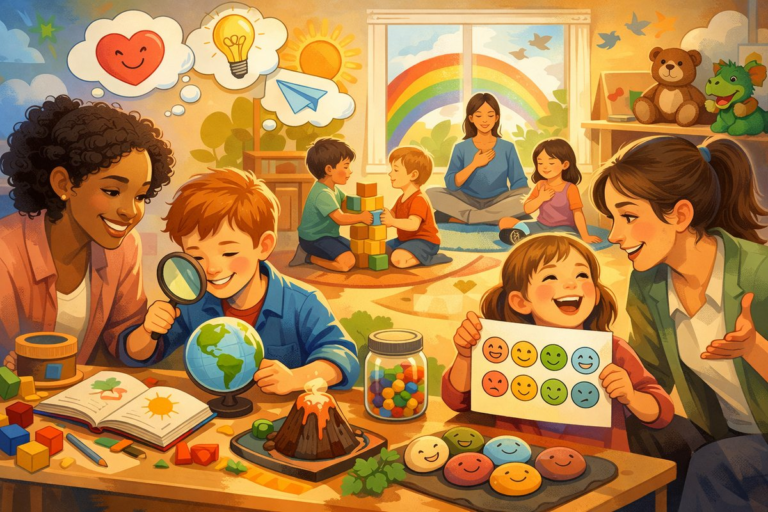
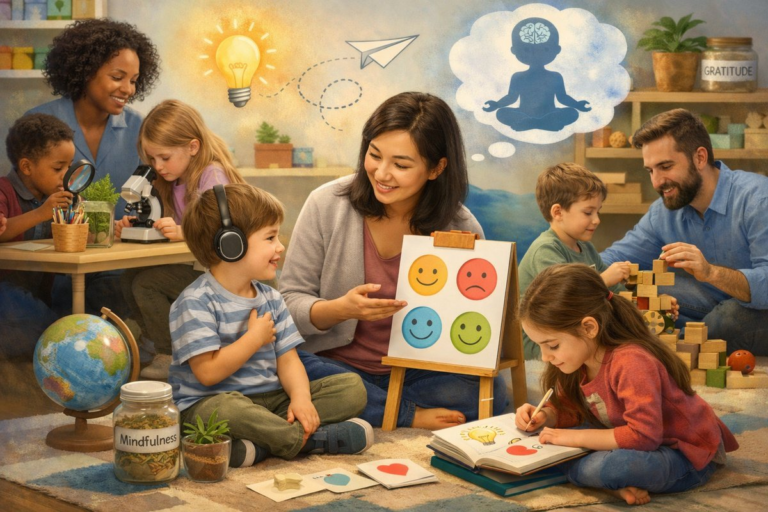
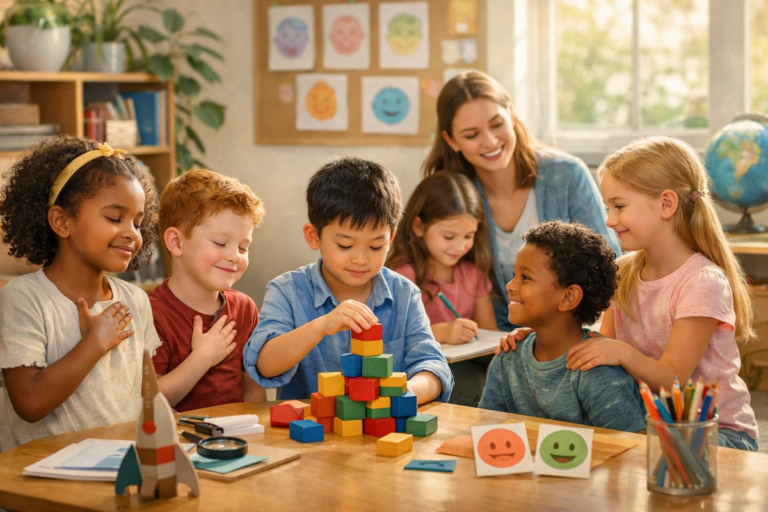
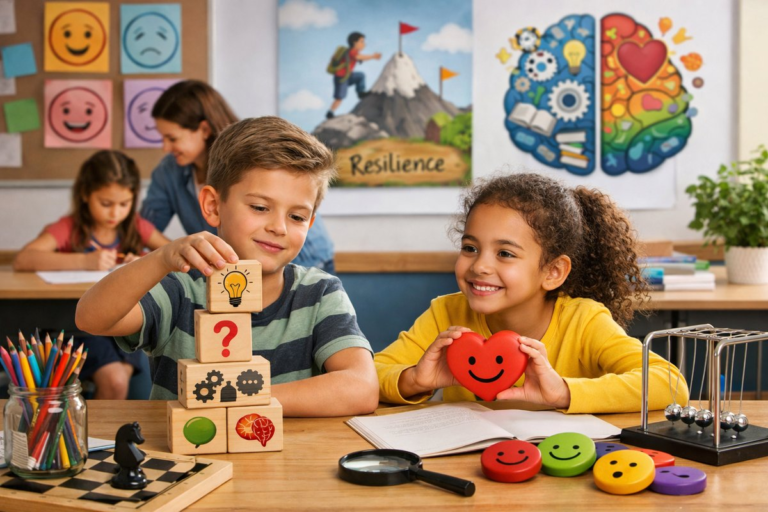
Tangible tools still play a crucial role alongside high-tech options. Emotion flashcards, featuring expressive faces and open-ended questions, invite siblings or friends to pair up as “emotion detectives.” Journaling kits equipped with colorful markers, stickers, and guided prompts turn daily reflections into a ritual. Children might draw the color that best represents their feelings or write short letters to themselves about what made them proud that day. Over time, these tactile practices reinforce vocabulary for nuanced emotions-pride, contentment, bewilderment-as well as the self-compassion to hold all of them at once.
STEAM-inspired building materials have joined the emotional toolbox. Modular magnetic blocks encourage collaborative construction projects, but also spark conversations about planning, compromise, and adapting when towers tumble. Parents often introduce simple coding activities alongside these blocks: a motorized platform that rolls forward only when a child describes a positive solution to a conflict. Framing challenges in terms of empathy and cooperation transforms engineering concepts into social learning lessons. Modern building sets even include emoji-shaped connectors to let kids design mini “emotion robots” that change facial expressions based on programmed inputs.
Outdoor learning hasn’t been left behind. Nature exploration kits-complete with magnifying glasses, sample jars, and a child-friendly field guide-can be paired with digital photo-journaling apps to document feelings associated with different discoveries. A discovered ladybug becomes an entry point for wonder and care; a muddy puddle stirs delight and spontaneity; a gust of wind offers a chance to talk about change and impermanence. Hybrid outdoor sessions blend analog observation with digital reflection, so each hike or backyard scavenger hunt doubles as both a science lesson and an emotional check-in.
“Children learn best when they can connect new experiences with familiar routines,” says a child development specialist who has been piloting several of these tools in home-based workshops. “When a toy or app responds directly to how a child is feeling, it closes the gap between abstract emotion words and real-time bodily cues. That’s when you see breakthroughs in self-awareness and social empathy.” The specialist emphasizes that none of these tools replace genuine conversation: rather, they serve as catalysts, sparking questions like “What made your heart pound when the robot fell?” or “How did you feel when the storm began in your sandbox world?”
For families looking to create a balanced emotional learning environment at home, experts recommend rotating stations across the house or yard. A corner with plush calmers and guided breathing sessions, a table with journaling materials and flashcards, a tech corner for story apps, and an outdoor bin for nature exploration circulate each week. This variety keeps learning fresh and allows children to choose the channel that best matches their current curiosity or emotional state.
Parents themselves become co-learners in this model. Carving out short daily “playful check-ins”-even ten minutes-can foster deeper listening skills and a sense of shared discovery. One family described gathering each evening in the living room, where their child’s emotion-tracking plush toy and a set of magnetic blocks awaited. Together they’d co-author a short story based on that day’s highs and lows, then capture key moments in a shared digital journal. Over time, the act of storytelling transformed into a communal ritual of gratitude, resilience, and laughter.
Virtual peer interactions add another layer. Group video calls centered around a shared digital whiteboard or collaborative AR sandbox let children connect with friends, guided by emotion-focused prompts. Kids discuss solutions when fictional characters face challenges or vote on which mindfulness exercise to try next. These sessions cultivate social skills like listening, turn-taking, and perspective-shifting-vital ingredients for empathy. Parents report that remote playdates structured around emotional tools feel more purposeful and less chaotic than open-ended screen time.
As families blend these high- and low-tech approaches, the home evolves into a holistic learning lab. Children develop emotional vocabularies, resilience strategies, and collaborative mindsets simply by exploring the toys and tools around them. Rather than seeing playtime as a break from learning, parents are embracing it as the most natural avenue for emotional growth. In doing so, they’re building houses filled with curiosity, agency, and joy-where each shimmer of light across a digital sandbox or turn of the journal page becomes a stepping-stone toward lifelong well-being.