Location
Mount Vernon, WA 98274

Location
Mount Vernon, WA 98274
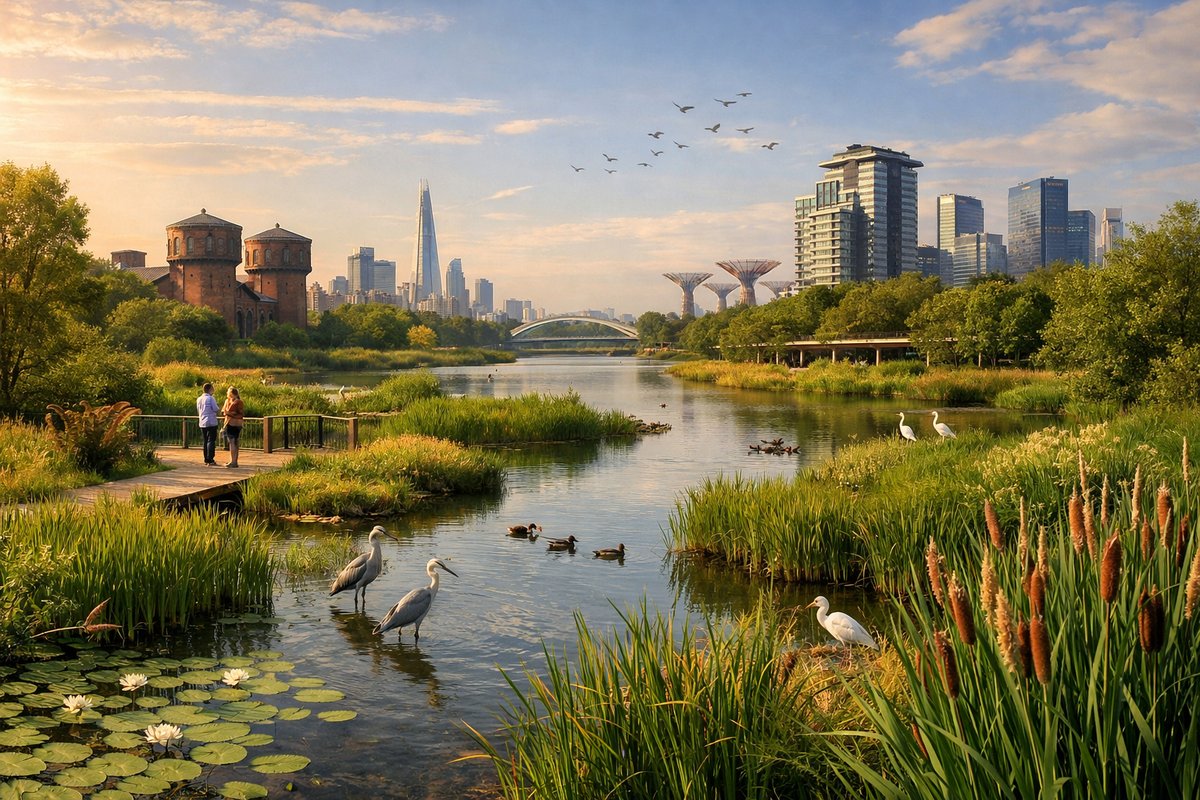
Engineered marshes and revived waterways are reshaping cityscapes worldwide, offering flood protection, carbon capture, and sanctuaries for wildlife. From London's repurposed reservoirs to Singapore's landscaped streams, urban wetlands demonstrate nature's power to adapt and heal.
At dawn, a quiet chorus of frogs and dragonflies greets the first light over a reclaimed reservoir on the outskirts of a major metropolis. Once a disused industrial basin, the site now hosts a tapestry of reeds, sedges, and floating plant islands. Along winding boardwalks, joggers pass birdwatchers with binoculars, while community volunteers collect water samples to track microplastics and nutrient levels. This scene is no longer confined to remote wetlands; it is emerging in city centers from Europe to Asia as urban planners embrace living infrastructure.
Across the globe, a new wave of rewilding projects is converting paved lots, disused reservoirs, and channelized streams into multifunctional wetlands. These engineered marshes provide more than tranquil green space. They slow and store stormwater, reducing flood peaks by up to 40 percent during intense rainfall events. They filter pollutants and microplastics, improving water quality downstream. They even capture carbon-studies estimate that healthy urban wetlands can sequester as much as three to four metric tons of carbon per hectare each year.
In London, the transformation of a Victorian-era reservoir at Walthamstow into a dynamic wetland sanctuary illustrates what’s possible when heritage meets ecology. Dozens of plant species native to the Thames floodplain now thrive on shallow mudflats, supporting herons, kingfishers, and migrating waders. Sensors buried under the surface measure soil moisture and greenhouse gas fluxes in real time, feeding data to an online dashboard that local schools use for environmental science lessons. By night, subtle LED lighting under footbridges guides frogs back to their breeding pools, safeguarding nocturnal movements without disturbing sensitive wildlife.
Midwestern cities in North America are experimenting with similar blue-green corridors. In one Rust Belt community, a defunct canal has been recast as a linear wetland park. Concrete walls were replaced with terraced banks planted with willow, bulrush, and native grasses. During heavy storms, water spills onto floodplain terraces rather than overwhelming sewer systems, sparing adjacent neighborhoods from basement floods. Citizen scientists equipped with waterproof field journals and handheld turbidity meters record changes in water clarity, so volunteers can map hotspots of sediment run-off and collaborate with municipal managers on targeted erosion controls.
In Southeast Asia, where monsoons drive dramatic swings between drought and deluge, cities are landscaping streams to mimic natural channels. In one tropical capital, an elevated highway once severed a meandering creek, trapping garbage and fouling stagnant pools. Following a redesign, the creekbed was reshaped with gentle curves and riffles, restoring oxygen levels for fish and aquatic insects. Floating treatment wetlands-platforms rooted with reed and cattail-harvest excess nutrients and entrap microplastics carried by stormwater. Since the restoration, local cottonmouth snakes and river otters have been spotted for the first time in decades.
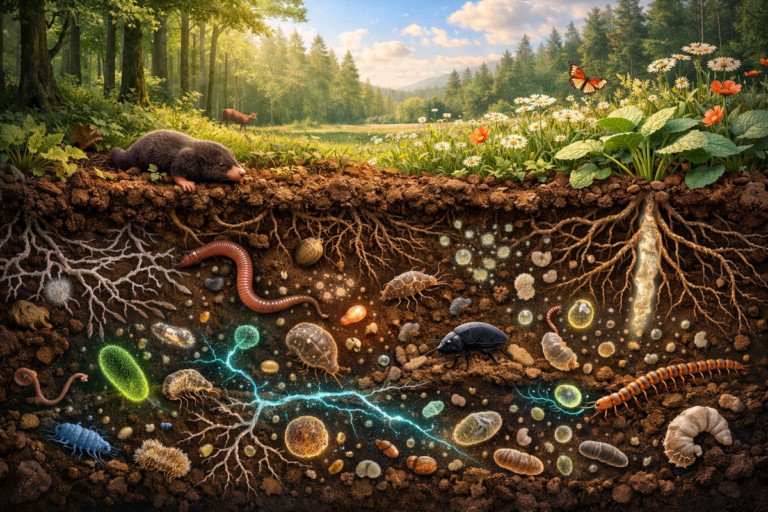
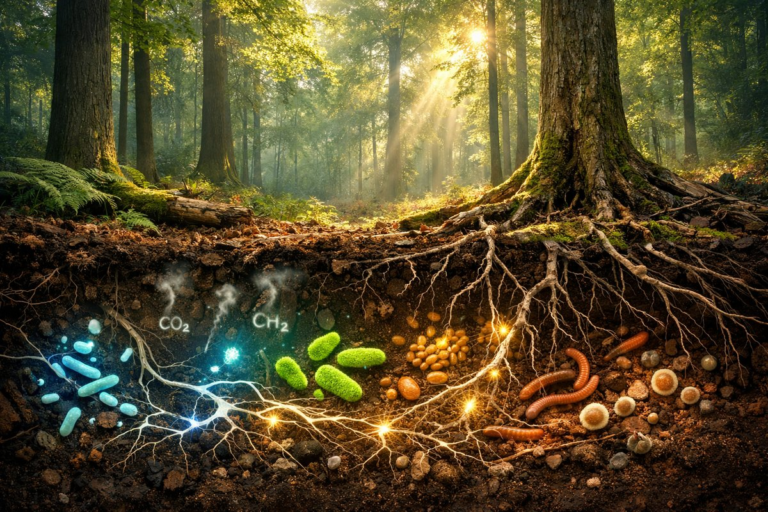
Engineers and ecologists are also harnessing the power of microbial and fungal communities beneath our feet. Soft sediment traps encourage the growth of methane-consuming bacteria, curbing greenhouse gas emissions often associated with some wetlands. Mycorrhizal fungi networks in adjacent woodlands help stabilize banks and promote nutrient exchanges between trees and soil. A pilot project in a European capital is inoculating plantation poplars along a reconstructed floodplain with dilutions of native fungal spores, accelerating tree growth and increasing resilience to heat waves.
High-resolution drone imagery and hyperspectral sensors are proving indispensable for mapping vegetation health and water quality across sprawling urban wetlands. By detecting subtle shifts in chlorophyll fluorescence or leaf water content, researchers can identify stressed patches before visible damage appears. This early warning system enables managers to adjust water levels or remove invasive species like water hyacinth, which can otherwise choke waterways and displace native flora.
Beyond the technical approaches, social engagement is fundamental. In many cities, wetland sites double as outdoor classrooms and cultural gathering spots. Story circles at dusk bring diverse communities together to share memories of rivers once buried beneath asphalt. Art installations crafted from locally recycled materials highlight themes of water stewardship and seasonal change. Through guided night walks, participants learn to distinguish amphibian calls, deepening their sense of connection with hidden ecosystems.
The economic benefits of urban wetlands are increasingly clear to decision-makers. Imagine a city facing a ten-year outlook for flood defenses: traditional gray infrastructure-walls, tunnels, and pumps-carries high capital and maintenance costs. By comparison, integrating wetlands into parks and greenways provides co-benefits for recreation, tourism, and property values. A business improvement district in South America reported that properties adjacent to a newly rewilded waterway saw resale values rise as much as 12 percent within eighteen months, attributed in part to enhanced views and access to nature.
Global frameworks like the Kunming-Montreal Global Biodiversity Framework emphasize nature-based solutions as essential tools for climate adaptation and biodiversity targets. Urban wetlands answer multiple objectives in a single landscape: they foster habitat complexity in concrete jungles; they mitigate floods in an era of more intense storms; they capture carbon in a world racing to limit warming. Yet challenges remain. Site selection must account for legacy contamination in soils and sediments. Maintenance regimes demand long-term funding and technical expertise. Invasive species and altered hydrology can undermine ecological goals if left unchecked.
To address these hurdles, interdisciplinary teams are forming at municipal scale. Hydrologists, landscape architects, ecologists, public health experts, and community groups co-design projects from inception. A youth council in a major Asian city recently co-wrote a wetland management plan, advocating for zero-emission maintenance equipment and inclusive educational programs. Their proposal includes floating solar arrays that shade fish habitats while generating renewable power for nearby water treatment works. Such integration of functions-energy, water, habitat-epitomizes the circular thinking driving twenty-first-century urban design.
Innovation is also taking place on the policy front. A handful of metropolises have introduced stormwater credit trading, where developers can either manage runoff on site or purchase credits from wetland restoration projects elsewhere in the watershed. These market mechanisms channel private funding into public green infrastructure, incentivizing landowners to protect and expand wetland patches. Peer cities are now sharing templates for these credit systems, creating a network of practitioners that learn from successes and missteps in real time.
Looking forward, the next wave of urban wetland research will explore synergies with emerging technologies. Genetic environmental DNA (eDNA) sampling-where small volumes of water can reveal entire communities of fish, amphibians, and invertebrates-offers noninvasive biodiversity assessments that were science fiction only a decade ago. Artificial intelligence algorithms trained on acoustic recordings can track frog choruses or bird migrations, painting dynamic ecological portraits across seasons and years. Such data streams empower adaptive management: if water quality dips or invasive species encroach, managers can respond quickly rather than waiting for annual surveys.
The story of urban wetlands is as much about people as it is about water and plants. It is about remembering that streams and marshes once wove through the heart of many cities, providing fish, fuel, and ceremonial spaces for generations. In our rush to build upward and outward, those living corridors were paved over and forgotten. Today, by peeling back layers of history and pavement, we discover that wetlands remain resilient allies. They reclaim their place not as relics of the past but as vital partners for climate resilience, biodiversity, and human well-being.
For anyone curious to explore the next reclaimed wetland near you, the opportunities abound. Volunteer groups welcome newcomers to monitor water quality, plant native seedlings, or lead guided nature walks. Mobile apps crowdsource wildlife sightings, turning casual strollers into vital contributors to urban biodiversity inventories. Even small actions-choosing permeable paving for a backyard patio or supporting local policies for green infrastructure-can ripple outward.
In a world striving to balance concrete growth with living ecosystems, urban wetlands stand out as elegant solutions: they blend science, community, and beauty. When broken pavements give way to marsh grasses and dragonflies dance above pooled water, we glimpse the promise of cities where nature and humanity thrive together.