Location
Mount Vernon, WA 98274

Location
Mount Vernon, WA 98274
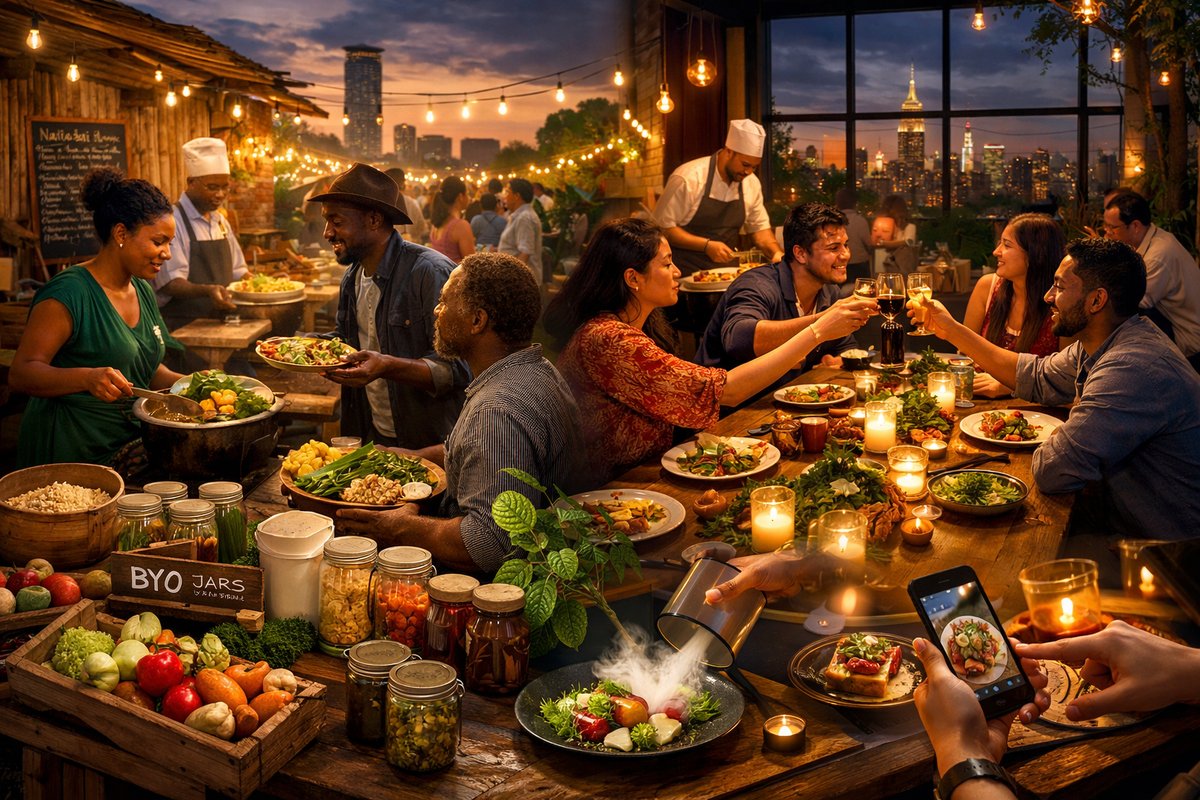
Across cities from Nairobi to New York, a new wave of pop-up kitchens, sensory supper clubs and zero-waste bazaars is transforming the act of sharing a meal into a communal ritual. Driven by sustainability, curiosity and digital know-how, these community circuits are reshaping food culture in surprising ways.
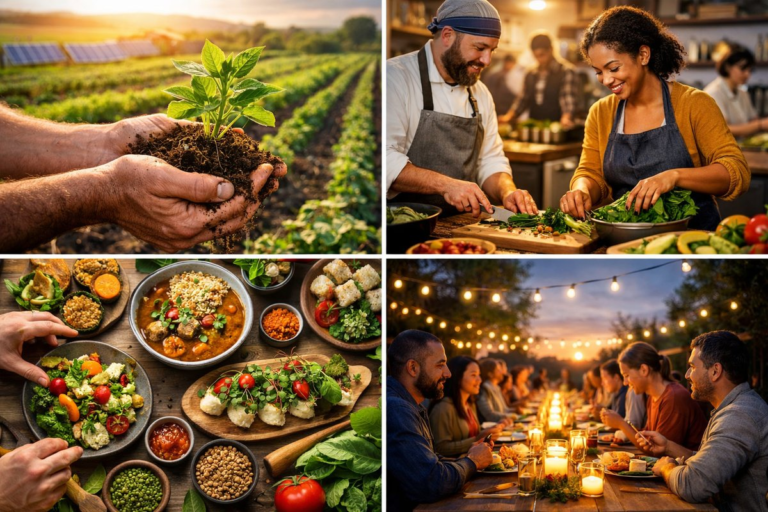
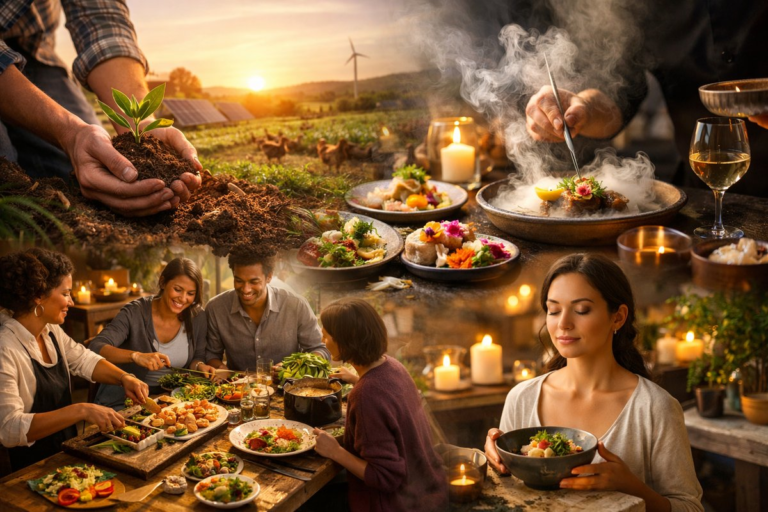
In neighborhoods around the globe, a culinary renaissance is quietly underway. It’s not led by celebrity chefs or flashy dining rooms, but by grassroots initiatives that tap into local networks, unusual ingredients and smart technology. Call it the age of community circuits-a web of hyperlocal pop-ups, ephemeral markets and immersive dining experiences all built on the values of sustainability, curiosity and human connection.
It began, in part, with hungry home cooks seeking fresh ways to reach neighbors. In Portland, Oregon, a collective of bakers launched a carbon-negative bread pop-up, offering small loaves made from regenerative-farm grains and surplus fruit pulps. Diners picked up orders at neighborhood greenhouses, swapping plastic packaging for “refillable cloth sacks” and leaving compostable coffee grounds behind to feed urban soil. Within weeks the project inspired similar takeovers in Seattle and Toronto.
Meanwhile in Tokyo, city planners teamed up with culinary entrepreneurs to convert vacant storefronts into micro-markets stocked with wild-harvested mushrooms, foraged sea greens and edible flowers grown on rooftop gardens. Shoppers explore nightly “urban harvest lanes” under twinkling lanterns, chatting with mushroom cultivators who explain how they coax oyster varieties from coffee grounds. The result is a lively corridor where traders, chefs and hobbyist gardeners share skills alongside produce.
Across the Indian Ocean in Nairobi, a pop-up supper series celebrates insects as protein powerhouses. Local cooks infuse cricket flour into chapatis and blend locust larvae into nutty spice rubs. Far from novelty, the series taps into centuries-old East African entomophagy traditions, reframing them for contemporary palates and raising funds for school feeding programs. Here, tasting menus double as cultural preservation and climate action.
What ties these ventures together is an emphasis on ephemeral engagement. Popup supper clubs and mobile markets blossom for a night or a weekend then vanish, leaving behind digital footprints-Instagram posts, recipe swaps, neighborhood message-board threads. Organizers rely on word-of-mouth and simple SMS alerts rather than glossy websites or paid ads. The fleeting nature amplifies desire, creating a shared sense of discovery and participation.
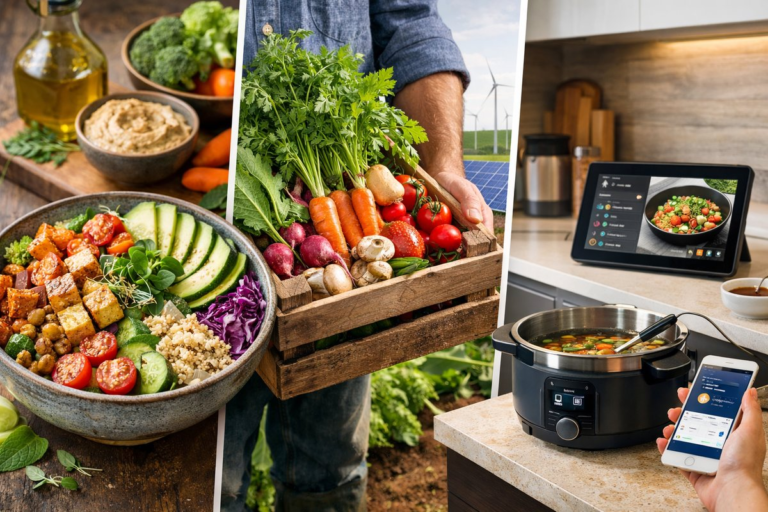
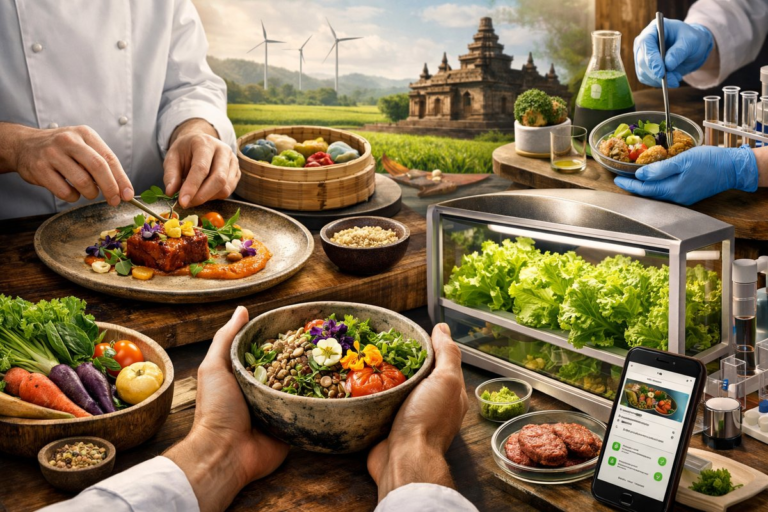
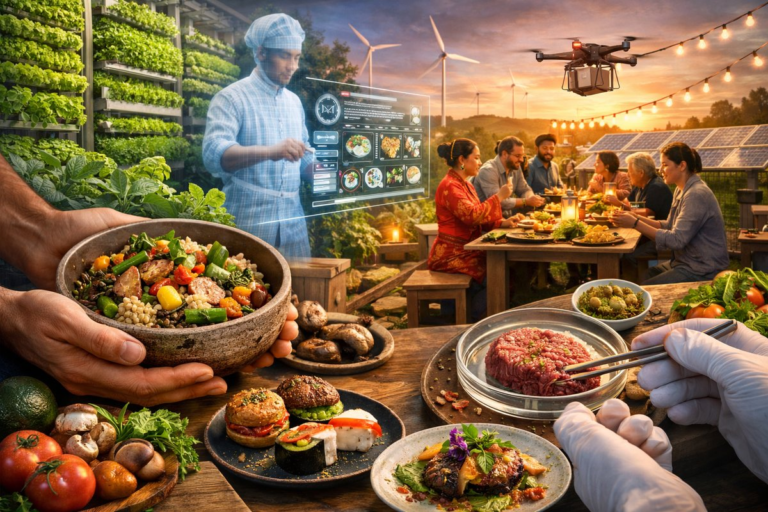
But it’s not just about scarcity. Technology is helping these micro-operations scale without losing a community focus. A rising number of independent hosts now lean on volunteer-run apps that track leftover inventory in real time, sharing surpluses with local food banks or coordinated compost pickup services. Smart sensors monitor ambient humidity in pop-up stalls, ensuring heirloom tomatoes retain their flavor and preventing spoilage in warmer months. Digital ingredient ledgers, built on open-source platforms, allow diners to trace every spice back to the farm or forest patch where it was harvested.
And then there’s the sensory dimension. Immersive supper clubs are moving beyond tasting menus to full multisensory storytelling. In London, one host recently staged a “riverbank dinner” inside a converted shipping container. Low-lying projections of flowing water envelop the walls while diners wear headphones playing recorded night-cricket chirps and waterfowl calls. Courses arrive on driftwood platters: elderflower-poached trout, nettle pesto flatbreads and wild raspberry sorbet garnished with hand-picked mint. The boundary between environment and plate blurs, reminding participants that food originates in shared ecosystems.
Back in Manhattan’s Industry City district, young chefs have turned shipping crates into modular kitchens, forming itinerant food halls that assemble and disband on the same weekend. Patrons wander through container corridors sampling kimchi-tacos, charred cauliflower shawarma and charcoal-infused rice bowls. Each chef pays rent based on calories sold, rather than square footage-an incentive model that rewards creativity, speed and waste reduction. Unsold portions get funneled to nearby shelters through real-time donation apps.
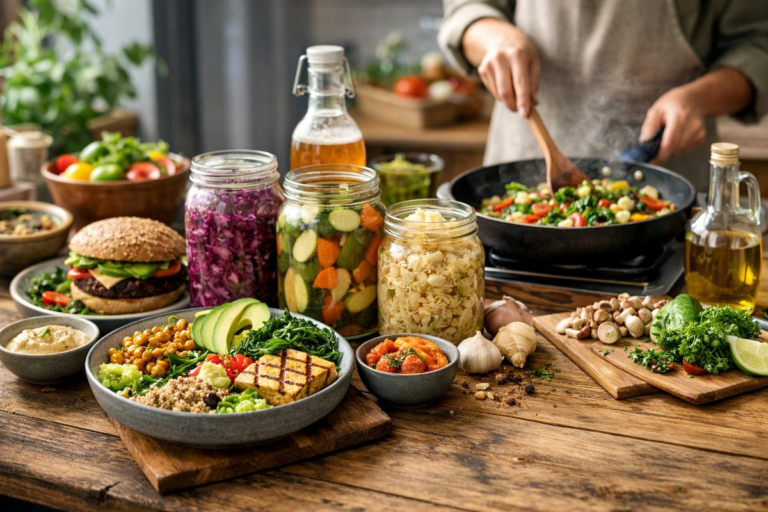
Sustainability is more than a buzzword in this scene-it’s a guiding principle. Many hosts require diners to bring their own tableware or supply sanitized glass jars for desserts. Single-use plastic is banned almost universally. Leftover food scraps go to volunteer-run biodigesters, converting waste into biogas to power neighborhood kitchens. In Stockholm, an eco-market launched last spring lets shoppers apply a barcode sticker to each item, scanning it at central compost stations when it’s no longer edible. They earn credits toward future purchases, closing a loop between purchase and disposal.
The movement also sparks new partnerships between growers and storytellers. Small-scale farms are collaborating with local weavers to package heirloom grains in hand-loomed cloth bags. Edible-ink printers create artful labels on micro-lots of fermented hot pepper sauces, embedding QR codes that link to video diaries of the farmers in the Culiacán valley. It’s a direct line from till to table to smartphone, honoring craft while meeting modern appetite for transparency.
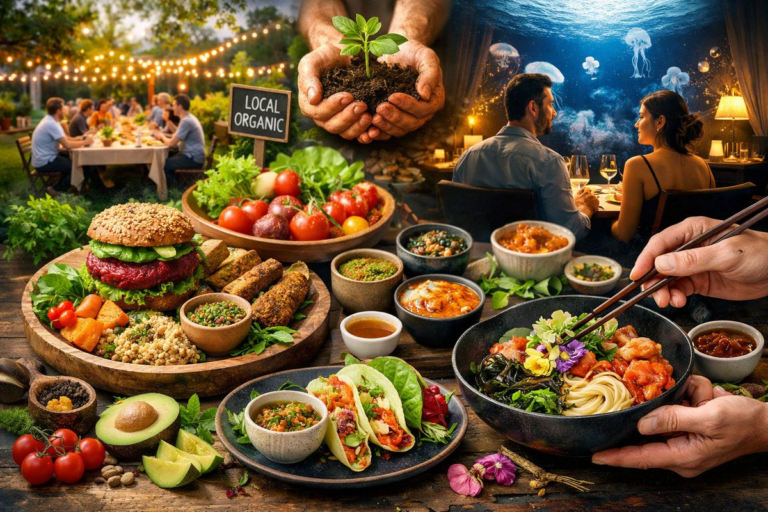
For home cooks, these under-the-radar trends offer inspiration and practical know-how. Community “ingredient swaps” are popping up on public plazas, where neighbors exchange surplus harvests-sorrel for squash, quince for quince paste-alongside recipe pamphlets. Online forums dedicated to urban foraging and neighborhood gleaning share GPS-tagged locations of public fruit trees and abandoned gardens. Even apartment dwellers learn to coax microgreens from windowsill towers, bridging the gap between city living and fieldcraft.
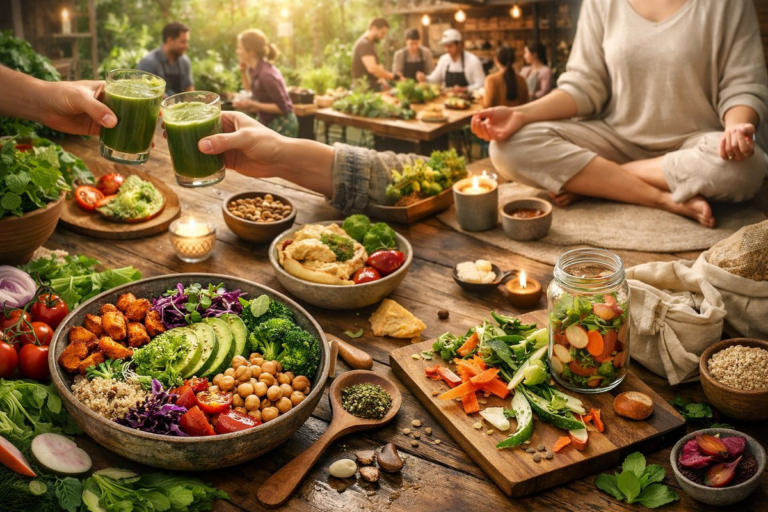
At its heart, the community circuits phenomenon underscores a simple truth: food is social. When meals arrive on shared benches under open skies, when foraged berries are passed from hand to hand, when storytelling becomes part of the menu, eating ceases to be a solitary act. It becomes an affirmation of place, a celebration of ingenuity and a promise that the next bite will connect us to someone else’s passion.
As these networks expand-linking pop-ups in Melbourne to zero-waste bazaars in Berlin to supper clubs in São Paulo-they challenge conventional restaurant models. They remind us that hospitality can thrive in a courtyard, a converted crate or a rewilded parking lot. They rely less on polished plating and more on authenticity, curiosity and shared purpose.
In an era of mass-produced fast food and global logistics chains, community circuits offer a counterpoint. They invite diners to slow down, to follow a text alert to a hidden courtyard or to ferry home a sack of mushrooms cultivated in spent coffee grounds. They nudge us toward a more conscious way of eating-one where waste is an afterthought, where flavor comes from local terroir and where the human story behind each bite matters as much as the ingredients themselves.
If you’re curious to explore these new culinary currents, start small. Seek out a neighborhood ingredient swap, track local pop-up alerts on social apps or join a volunteer run for a community compost program. You might discover that the most memorable meals aren’t found in guidebooks, but at the intersection of adventure, stewardship and friendship.
And when the world feels busy, remember this: food has the power to slow us down, to root us in shared soil and to connect us across differences. Community circuits are more than the latest trend-they’re a reminder that the table is a map, and every meal an invitation to explore.