Location
Mount Vernon, WA 98274

Location
Mount Vernon, WA 98274
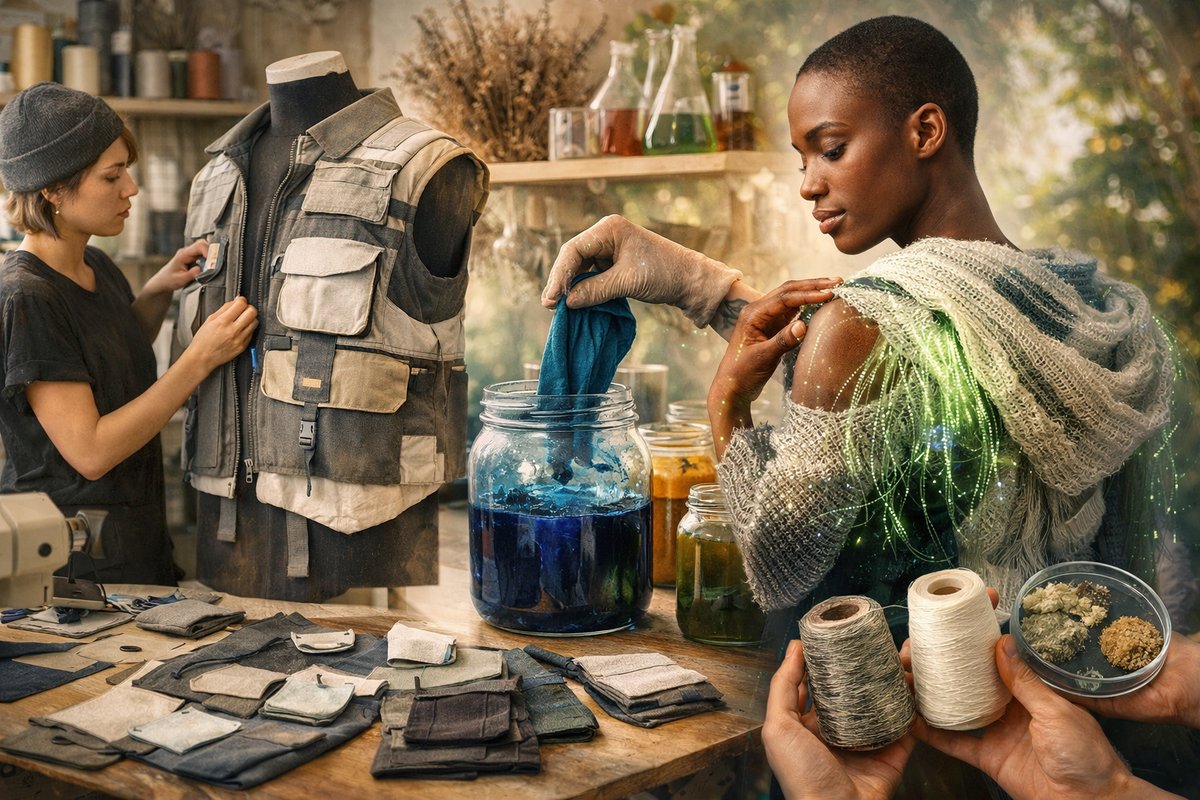
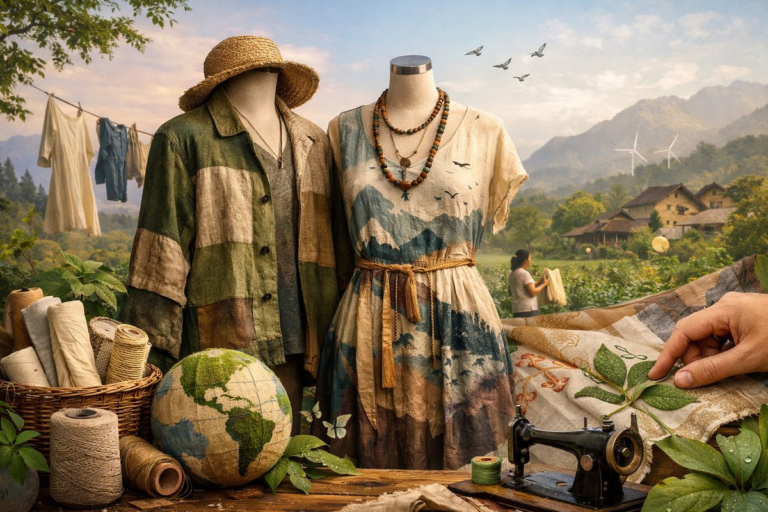
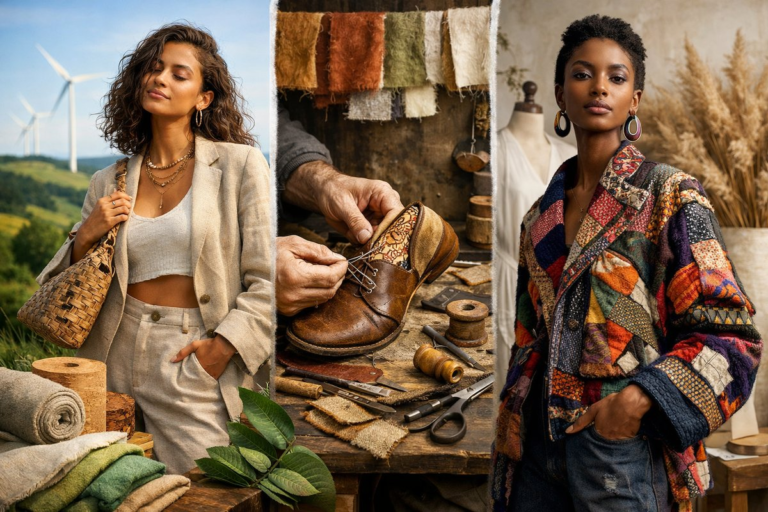
In workshops from Berlin to Brooklyn, designers and makers are rethinking clothing as dynamic canvases-pieces that breathe, adapt, and invite personal storytelling. A wave of modular construction, home-based dye labs, and bio-based yarn innovations is blurring the line between wearer and creator, and opening new pathways for sustainable style.
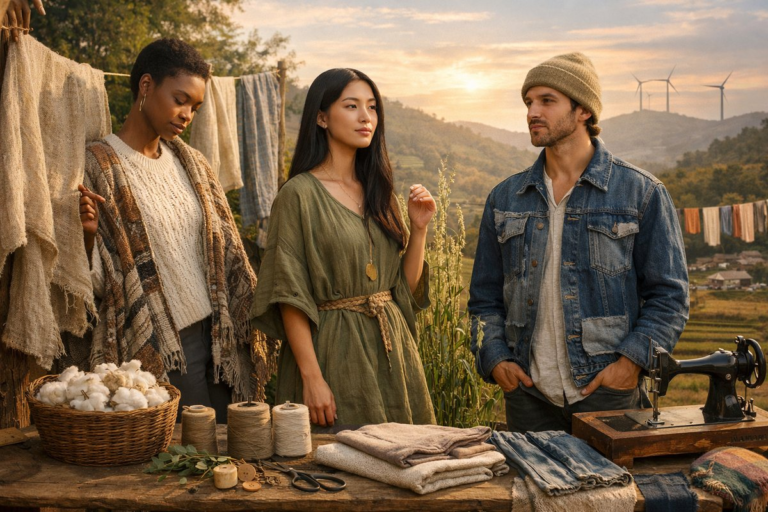
At a pop-up maker studio tucked behind a former warehouse in Berlin, a designer threads algae-derived yarn through a compact circular knitting machine. Nearby, a community of hobbyists tunes color-changing pigments extracted from black beans and onion skins, mixing their own custom dye baths in repurposed glass jars. This lively scene is a microcosm of an emerging movement in fashion: one that rewards curiosity, centers sustainability, and empowers individuals to shape every stitch of their wardrobe.
Gone are the days when garments arrived sealed in plastic, destined for ephemeral wear before landfill or donation. Instead, the narrative shifts toward modular garments you can deconstruct and rebuild; living textiles that evolve with temperature, light, or even humidity; and zero-waste patterns you can adapt on a desktop fabric cutter. These innovations are not confined to high-end runways or secretive R&D labs. They’re spreading through DIY hubs, open-source pattern repositories, and local ateliers, making fashion’s future accessible to lifelong learners and novice stitchers alike.
A key catalyst has been the convergence of four values: privacy, sustainability, curiosity, and emotional intelligence. Designers are crafting pieces that respect personal data-such as color-shifting jackets that morph hues without reliance on connected apps. They’re sourcing materials from urban food-waste streams, transforming spent coffee grounds into moisture-wicking fibers or capturing algae blooms to spin soft, biodegradable yarn. Every swatch and silhouette serves as a conversation starter about our collective relationship with consumption and waste.
In New York City, an experimental collective recently unveiled a line of snap-button blazers that unfold into travel wraps. The garment’s modular snaps let wearers attach water-resistant hoods, reflective trims, or cushiony pocket rolls. On a business day, it pairs seamlessly with tailored trousers; by evening, it drapes over leggings for an impromptu dance performance. Through workshops in community centers, beginners learn to sew the snap tracks onto thrifted fabric, turning off-the-rack finds into endlessly reconfigurable statements. Each blazer carries a personal memory, reflecting the curator’s choices at every demarcation of snap and seam.
Meanwhile, on the digital frontier, open-source pattern platforms are attracting tens of thousands of downloads each month. A zero-waste bomber jacket pattern offers detailed SVG files compatible with home fabric-cutting machines. Users can input fabric width and desired sleeve length, then watch the software remap panels to eliminate offcuts. Participants in online forums share hacks-like layering two colorways for reversible effect, or integrating RFID blocks into pocket linings for digital-privacy buffs. This cross-pollination of ideas cultivates a collaborative mindset more akin to software development than traditional fashion design.
One of the most surprising developments arises from microbial dyeing. At a sustainable design forum in Copenhagen, researchers presented living microbes that self-report pH shifts by altering pigment intensity. Garments treated with these cultures shift from moss green to ochre as ambient acidity or wearer perspiration changes. Treatments are nonpathogenic and rinseable, enabling at-home refresh cycles that can be repeated dozens of times. Participants at pop-up labs mix their own starter cultures, broadcasting results via livestream for viewers curious about bio-lab basics.
Portability has become a watchword for many home practitioners. Small 3D-knitting devices now fit on kitchen counters, churning out tubular scarves, sock blanks, or swatches of jacquard patterns in hours. These units often pair with smartphone apps that let users fine-tune stitch density or upload pixel art to transform into knitted imagery. For those who lack a sewing background, the barrier to entry feels less forbidding: if you can load yarn and tap a few icons, you can produce custom textiles on demand.
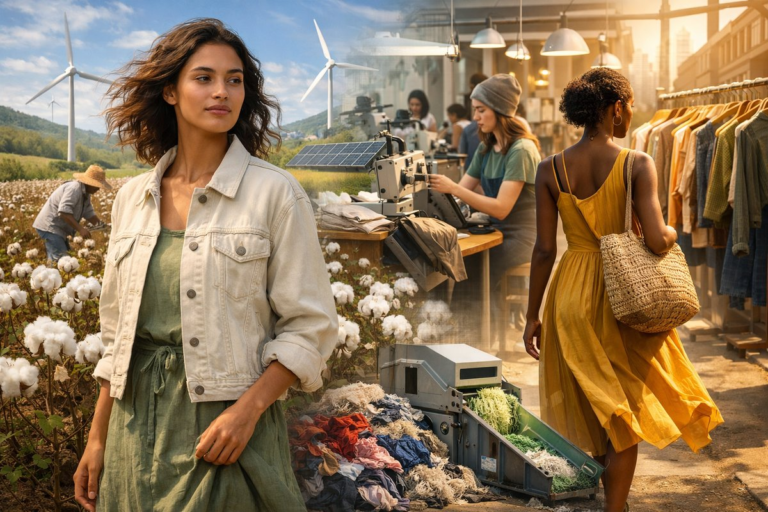
This decentralization is reshaping the fashion landscape. Factory-scale dyehouses now feel pressure to offer small-batch, on-demand color services, often delivered in biodegradable pouches that dissolve in the dye tub. Fabric mills are experimenting with modular panel designs, printing biodegradable codes onto selvages so that automated cutting tables can optimize layouts for zero waste. Even shipping logistics are evolving: local micro-fulfillment hubs allow finished garments to be printed or knitted near the customer, slashing carbon emissions and storage overhead.
The impact extends to retail and rental models. Hybrid programs are emerging: subscribers receive a curated “DIY kit” containing uncut fabric, snap-on accessories, and localized dye samples. If they keep the finished garment, they pay a modest fee; if they return the kit after a month, they receive store credit. This garment-as-service approach reduces impulse purchases and encourages experimentation-risks that consumers might hesitate to take with expensive off-the-rack pieces. Community “style labs” host monthly events where returned kits are sanitized, re-sorted by color and panel type, and re-released with fresh instructions.
Corporate interest in these grassroots innovations is also scaling up-but with a twist. Instead of co-opting DIY trends into mass-produced “eco-collections,” a handful of forward-thinking labels have launched developer programs. They provide open APIs and detailed material libraries so that independent pattern makers can integrate brand-approved modular components. This collaboration fosters a network of designers who blend corporate quality controls with the creativity of distributed makers. Partnerships with local makerspaces even enable pop-up repair bars within brick-and-mortar shops-a gesture toward reparability that builds trust and extends garment lifespans.
Of course, challenges remain. Not every home practitioner has access to a fabric-cutting machine or a reliable supply of compostable dyes. Educators caution that widespread adoption of bio-dye techniques will require robust safety guidelines and waste-management plans. And there’s a question of scalability: can these decentralized practices ever cover the breadth of global demand without reverting to environmentally harmful materials or shipping emissions?
Yet the excitement is palpable. At a recent festival in Barcelona, attendees helped knit a 50-meter communal scarf, each 10-centimeter section representing a grounded story-migration, climate grief, or joyful protest. The installation looped through the national museum’s courtyard before being unraveled, washed, and respun into new yarn. That cycle of creation, display, and reinvention may be the most powerful testament to this movement’s ethos.
What does all this mean for the everyday consumer? First, clothing is poised to become a longer-lasting asset rather than a disposable trend. Open-source patterns and local dye labs put agency in the wearer’s hands, reducing reliance on seasonal product drops from distant factories. Second, personal style gains a functional dimension: garments can signal shifting moods or environmental data, inviting conversation without sacrificing aesthetics. Finally, by weaving modular components and living textiles into our wardrobes, we cultivate a deeper connection to the materials, communities, and processes that shape the clothes on our backs.
In a world where the average garment sees fewer than ten wears before disposal, the promise of living threads, modular snaps, and home-grown pigments offers a compelling alternative. It’s a shift from passive consumption to active co-creation, where each person becomes a steward of both style and sustainability. As more designers open their pattern libraries and more makers experiment with bio-inks and compact knitting rigs, the blueprint for tomorrow’s wardrobe takes shape-one mindful stitch at a time.