Location
Mount Vernon, WA 98274

Location
Mount Vernon, WA 98274

An exciting array of sensor-driven gadgets, AI-powered recipe assistants, and tabletop robots is redefining how people shop, prepare, and savor meals at home. From spoilage detectors that extend produce life to robotic arms that plate dishes, the latest kitchen innovations blend high-tech precision with culinary creativity.
At a technology showcase in Berlin earlier this year, a slender device no bigger than a coffee mug lined up alongside concept grills and culinary drones. Its purpose: to sniff out early signs of produce spoilage with semiconductor gas sensors, moisture gauges, and machine-learning algorithms. While once relegated to industrial food-safety labs, these miniaturized sensors are now woven into everyday kitchen routines, offering home cooks a real-time snapshot of freshness that can help slash waste.
Behind this gadget is an emerging European startup that closed a €15 million funding round last quarter. Its investors include sustainable living venture funds and food industry veterans eager to deploy shelf-life analytics at home. By tapping into a handheld unit or smartphone app, users can scan leafy greens or fruit and receive a spoilage forecast, complete with storage recommendations and recipe suggestions for produce nearing its prime. The result is less toss-out guilt and an empowered trip to meal planning.
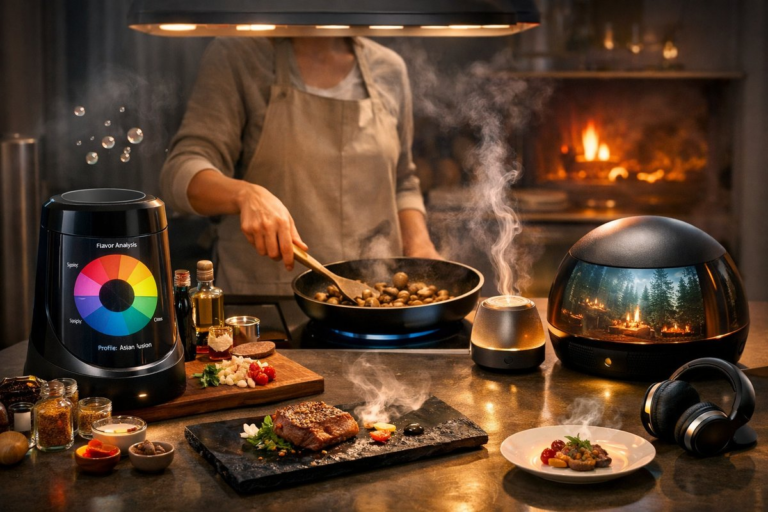
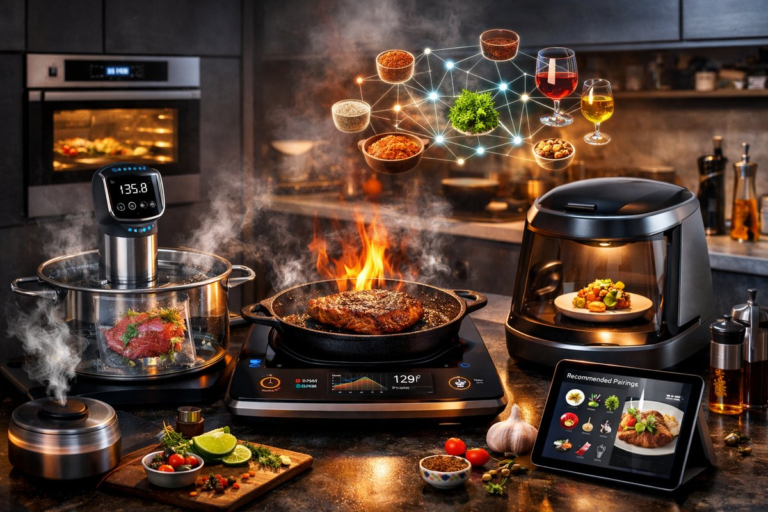
Across the Atlantic, researchers at a leading technical university revealed a prototype touch-sensitive countertop that measures weight distribution and temperature differentials to guide stirring, flipping, and searing tasks. The interface lights up with gentle arrows or color codes, indicating whether oil is hot enough for a perfect sear or if a soup needs more gentle agitation. This kind of haptic feedback, once the domain of industrial manufacturing floors, is coming home to kitchens, giving both chefs and novices a sense of intuitive control.
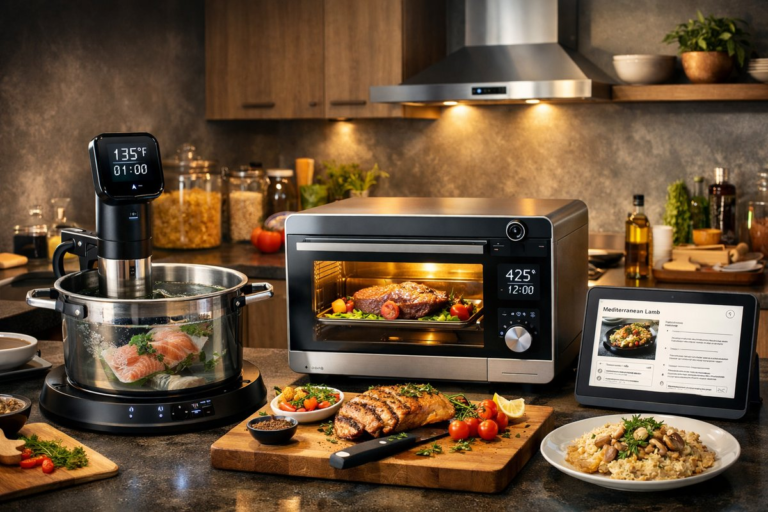
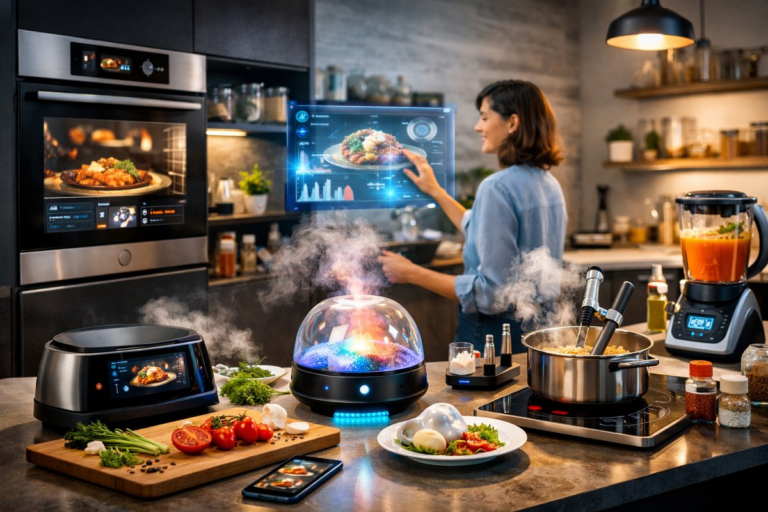
Meanwhile, AI-driven culinary assistants are converging with smart ovens to adapt recipes on the fly. One platform uses computer vision through the oven door’s camera feed to monitor browning levels, moisture retention, and even aroma profiles. If the system detects that a roast is trending toward overcooking, it will lower the temperature by a few degrees and prompt users to insert a probe thermometer for verification. Users report that this dynamic guidance transforms anxious weeknight meals into reliable successes.
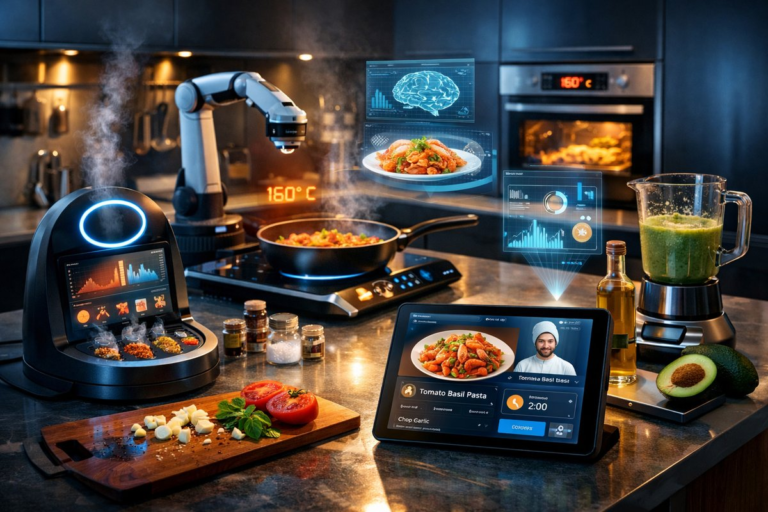
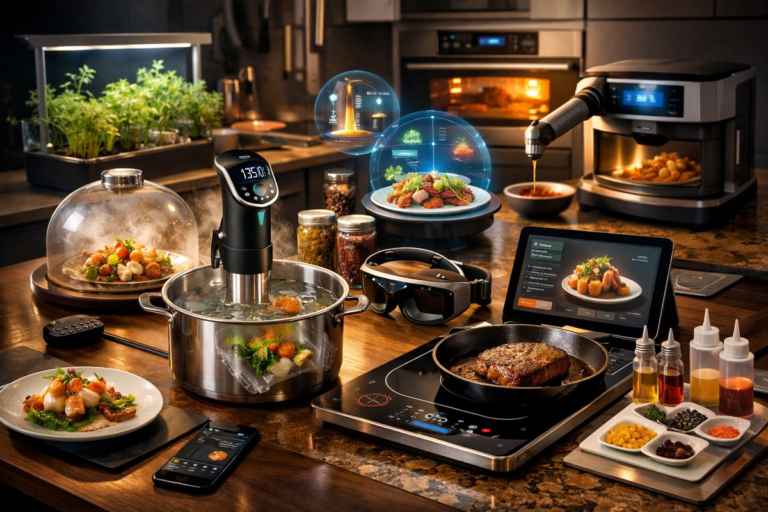
Robotics has also made its way onto kitchen counters. A tabletop robotic arm-about the size of a desktop lamp-was recently demoed preparing a five-course menu. It can whisk eggs, pour batter, plate appetizers with precision, and even drizzle sauces in elegant patterns. Chefs who tested the unit say it excels at repetitive tasks and can be programmed for custom plating routines, freeing human cooks to focus on taste profiles, seasoning, and creative presentation. A collaborative chef-tech partnership demonstrates how mechanical repeatability and human imagination can coexist.
Beyond novelty, these innovations intersect with sustainability goals. Smart packaging now integrates near-field communication tags that communicate with kitchen sensors, dynamically updating expiration dates based on storage conditions and package integrity. When produce crosses temperature thresholds during transport or storage, the system recalculates freshness windows. Users can get push notifications when items should be used soon, coupled with recipe ideas that match on-hand ingredients.
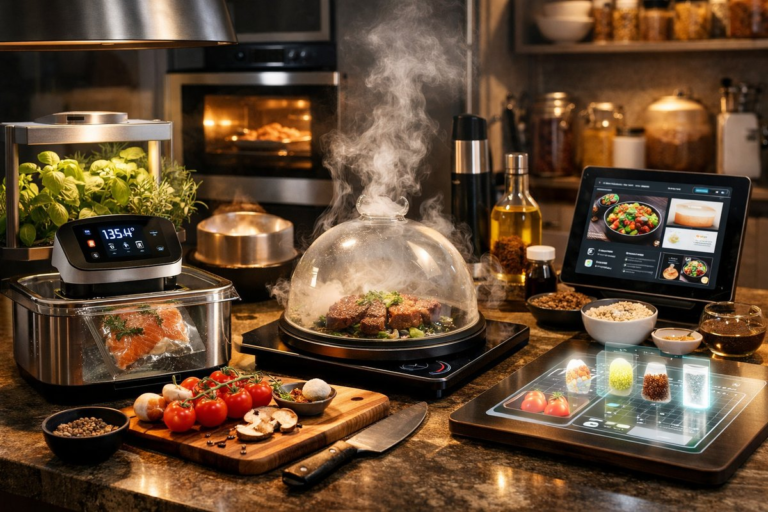
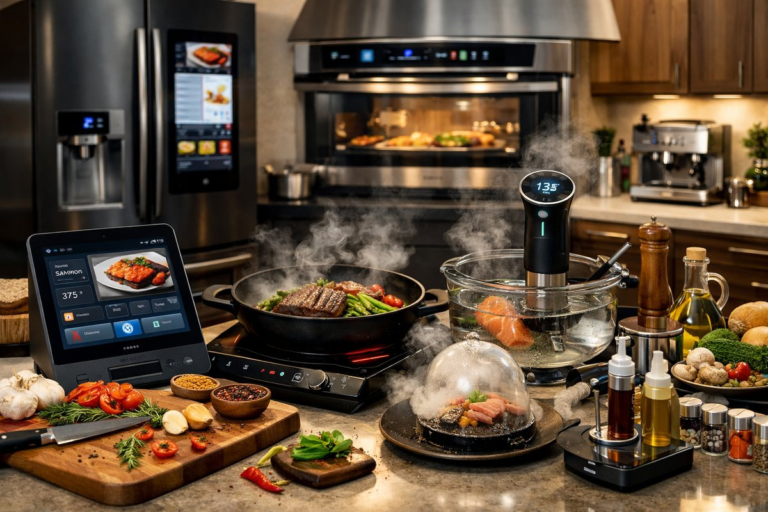
The home appliance landscape is also embracing modularity. A recent product lineup includes a central hub with removable cooking modules: an air fryer attachment, a steam-convection chamber, a vacuum sealer, and a rapid-chill nitro-infusion block. Cooks can snap these modules on to experiment with sous-vide techniques, fermented beverages, or whipped foams-all from the same base unit. Highly efficient induction elements and self-cleaning surfaces keep maintenance minimal, while firmware updates add new cooking profiles over time.
Culinary educators are taking note, integrating these tools into digital cooking classes. Participants receive a sensor kit in the mail, allowing instructors to guide them through real-time readings of dough fermentation, caramelization progress, or pH shifts in homemade kimchi. The synchronous data stream creates a communal learning environment, bridging geography and experience levels. Hobbyists appreciate how hard data can buttress sensory judgment and accelerate skill building.
However, consumers still face hurdles. Interoperability between different brands and ecosystems remains limited, forcing users to juggle multiple apps or hubs. Privacy advocates point out that continuous kitchen monitoring can generate intimate data about eating patterns and household habits. Early adopters are calling for transparent data-sharing policies, local processing options, and clear controls over what information leaves the home network.
Retailers are responding by bundling devices with privacy declarations and offering open-source APIs for hobbyist tinkerers. Some manufacturers are designing hub-free architectures where edge computing handles sensor readings and AI inference directly on the unit. This keeps sensitive data offline while still delivering smart features. Community forums have sprung up to share custom firmware, recipe scripts, and integration hacks-underscoring a maker-spirit approach to kitchen innovation.
Looking ahead, industry insiders predict a shift from gadget-centric marketing to integrated lifestyle experiences. Imagine a smart shopping cart that tags items with sensor-embedded labels, autosyncs with your refrigerator’s inventory, and queues a set of dynamic recipes based on what’s newly in stock. Preparations could begin en route, with guided demos delivered to your smartphone. The boundary between grocery shopping, meal planning, and cooking will blur, as the kitchen becomes an interconnected node in a larger food system.
For home cooks craving both precision and playfulness, the next few years promise an unprecedented toolbox. From spoilage-detecting sniffers and touch-sensitive counters to robotic sous-chefs and modular cooking modules, kitchen technology is no longer confined to R&D labs. Sustainability, emotional engagement, and culinary exploration are all baked into devices designed to spark curiosity and minimize waste. As standards converge and ecosystems mature, the real magic may lie not in any single gadget, but in the seamless choreography of sensors, software, and human creativity.
Whether you’re a novice learning to balance flavors or a seasoned gastronome fine-tuning plating, these emerging tools offer new ways to transform meals into memorable moments. By marrying data-driven insights with sensory craft, the home kitchen is evolving into a stage where technology and taste coauthor the next chapter of culinary adventure.