Location
Mount Vernon, WA 98274

Location
Mount Vernon, WA 98274

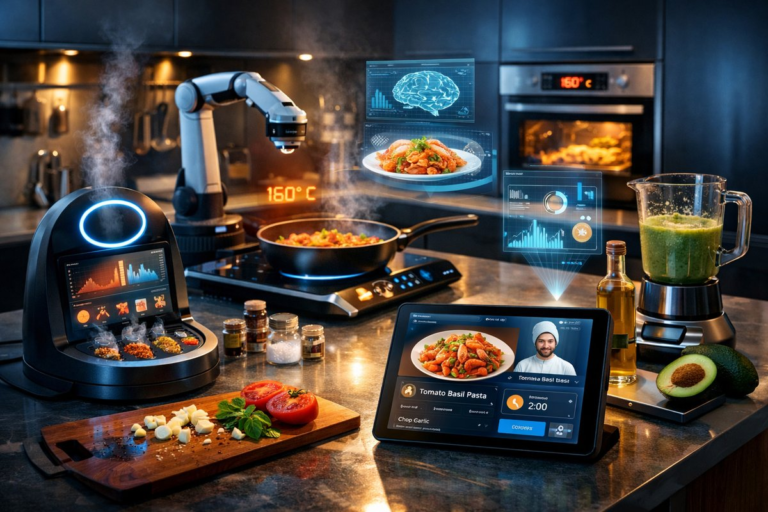
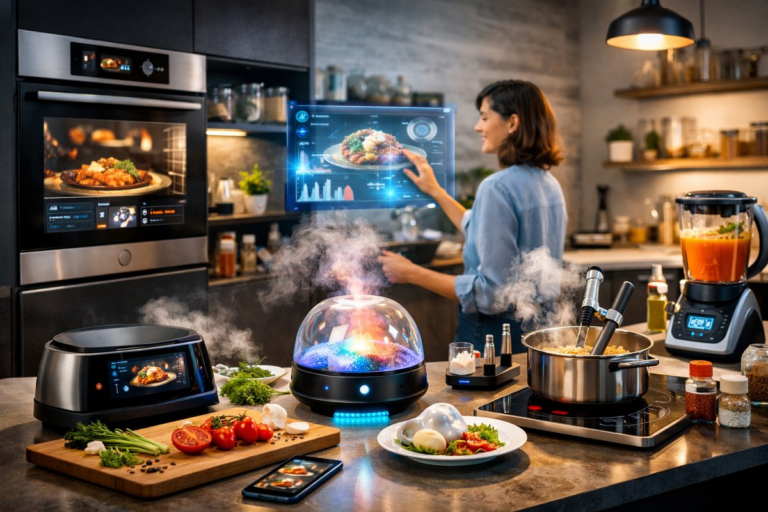
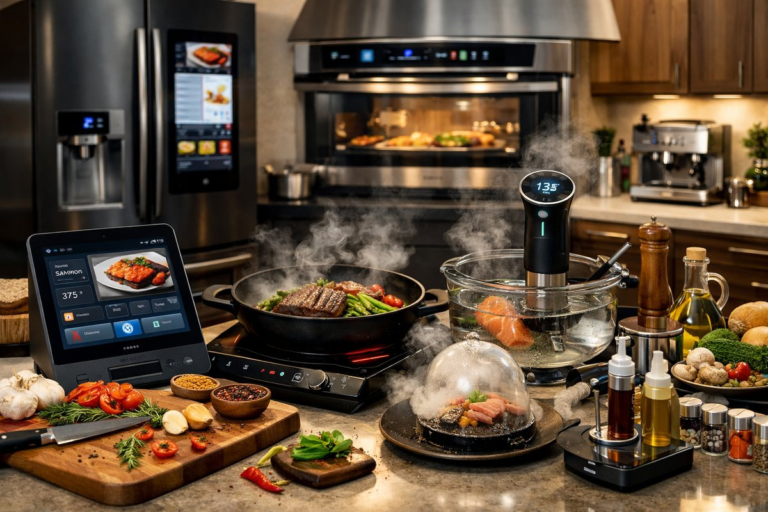
A new wave of kitchen technologies is turning our stoves into multisensory laboratories. From aroma-detecting sensors unveiled at Madrid Fusión to AI-driven recipe assistants, home cooks now have tools that can 'smell' doneness, track fermentation in real time, and visualize flavor profiles in augmented reality.
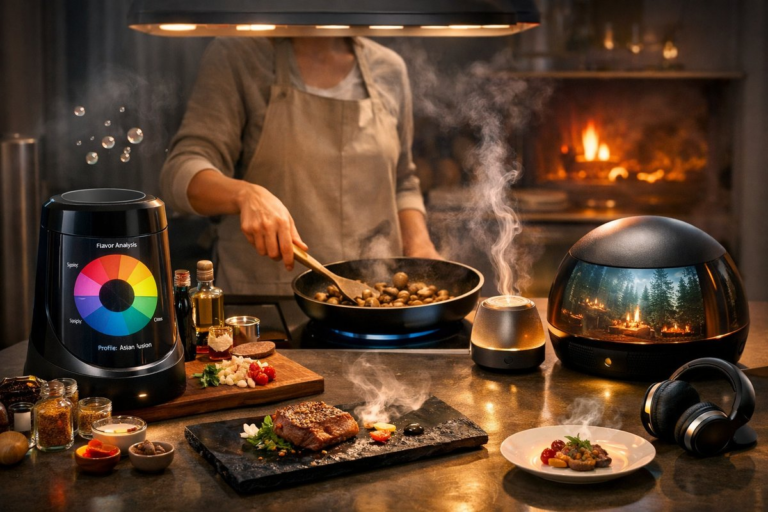
A few months ago at Madrid Fusión, one of the world’s leading culinary conferences, several startups unveiled tiny odor-sensing modules designed for home stoves and range hoods. These sensors promise to detect when a steak reaches medium-rare, when onions have caramelized to perfection, or when a pot of broth has lost a critical amount of its aromatic compounds. Paired with smartphone apps and AI analytics, they are part of a growing trend that applies data-driven precision to the art of cooking.
The idea of a kitchen that can ‘smell’ may sound futuristic, but it builds on decades of work in food science, electronic noses, and gas chromatography. In these new consumer-level devices, arrays of chemical sensors pick up volatile aromatic compounds-aldehydes, ketones, esters-and send real-time data to an app. Algorithms trained on thousands of cooking trials translate those chemical signatures into actionable tips: “Raise heat by 10%,” “Add acid to balance fat,” or “Simmer two more minutes.” From professional chefs seeking consistency to curious cooks eager to level up, this level of precision is changing how we think about timing and flavor.
It’s not just steaks and sauces. Home fermentation is enjoying its own renaissance, fueled by connected crocks that monitor temperature, pH, and gas production as kimchi, kombucha, and sourdough take shape. A smart fermentation vessel contains sensors that record every fluctuation in acidity and microbial activity, streaming data to an app that maps flavor curves over days or weeks. Users can compare batches, share charts with online communities, and even receive alerts if a jar of pickles becomes over-sour. As home fermentation becomes more scientific, cooks are discovering the nuances of wild yeasts and lactic acid bacteria with unprecedented clarity.
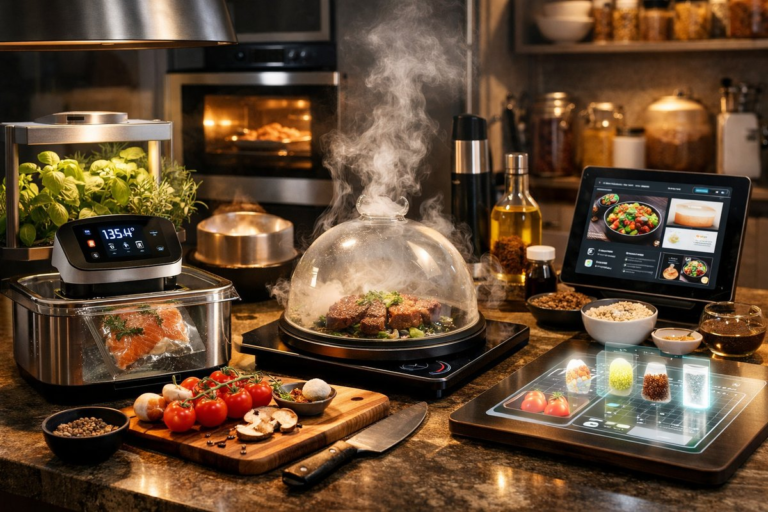
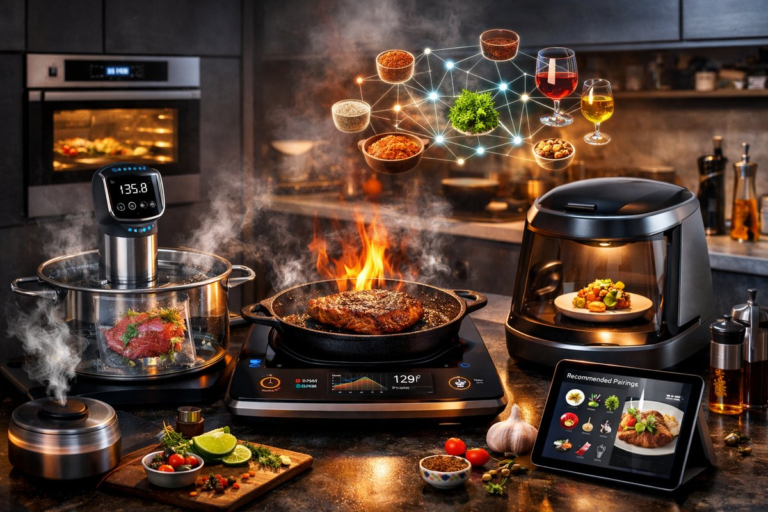
Meanwhile, precision cookware is entering a new era. Beyond immersion circulators and sous-vide water baths, pan manufacturers are embedding heat-map sensors into stainless steel and aluminum, giving a visual readout of hot spots and cold areas. When paired with magnetic induction cooktops, cooks gain the ability to zone-control a single pan: high heat in the center for searing, gentle warmth at the edge for keeping sauces from setting. These pans often sync with apps that log temperature curves, helping users learn how different oils and metals conduct heat, or how to finish risottos with perfect rhythm.
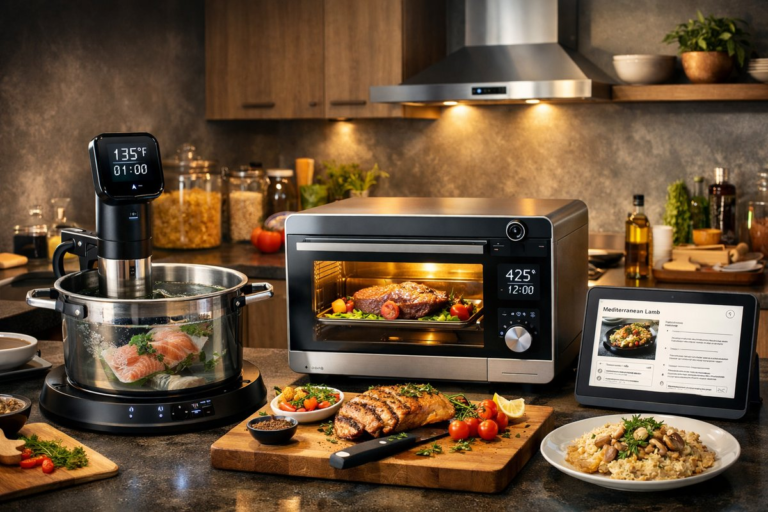
On the software side, AI recipe assistants are moving beyond text prompts into voice-driven culinary coaches. Some platforms now use natural language understanding to field complex questions: “Can I swap coconut milk for cream to make this tomato curry vegan?” or “What is the ideal resting time for this rack of lamb at 72°C?” They tap into vast databases of ingredient interactions, flavor affinities, and cooking techniques, guiding cooks through substitution puzzles and troubleshooting mishaps. As the assistants learn from user feedback, they become personalized mentors-just like a seasoned sous-chef sharing trade secrets.
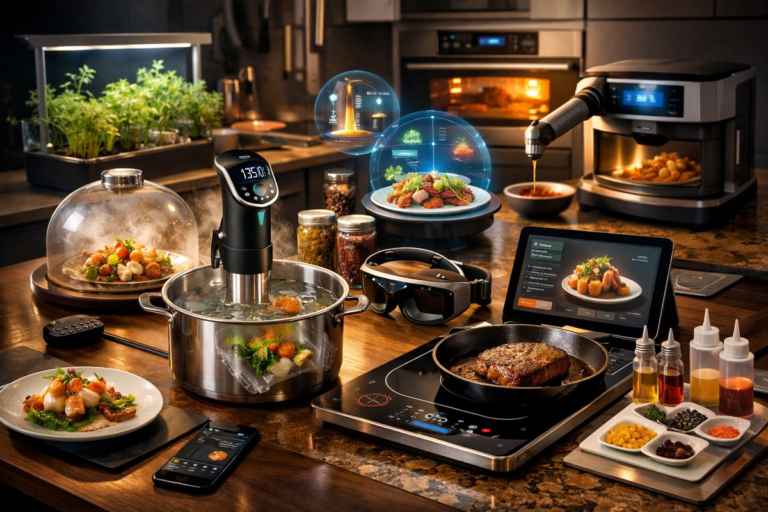
Augmented reality is joining the mix, too. Wearable smart glasses or tablet-mounted cameras can overlay guided instructions onto your cutting board, highlighting where to slice a tomato, when to stir a risotto, or even drawing a virtual spiral to plate a salad. Some demos have shown how AR can reveal the chemical composition of a dish in mid-preparation: color-coded overlays indicate acidity, fat content, or moisture levels. While these systems remain expensive for now, early adopters see a future where novices can tackle techniques once reserved for professional kitchens.
All this innovation raises questions about ritual and intuition. Cooking has always blended sensory feedback-sight, smell, taste, touch-with memory and gut instinct. Will relying on sensors and AI erode those human skills or sharpen them? Many home cooks report that real-time data actually enhances awareness. When your stove tells you that your chili is losing its zesty top notes, you become more attuned to aroma changes. When an app guides you to adjust salt in a soup, you learn to detect seasoning imbalances more quickly on future attempts without the gadget.
Affordability is another hurdle. Smell sensors and AR systems still command premium prices, and many cooks won’t invest unless they see clear benefits. Yet prices are dropping as components scale up and competition grows. Entry-level aroma modules can now be found for under a hundred dollars, while induction pans with basic heat-mapping cost slightly more than high-end cookware. As companies bundle these tools with free apps, they hope to tap the same crowds that drove the success of smart scales and digital thermometers.
There are also privacy considerations. When smart kitchen devices collect data on your cooking habits-favorite recipes, weekly fermentation schedules-they create profiles that could reveal dietary preferences or even health indicators. Responsible vendors emphasize local data processing, end-to-end encryption, and opt-out settings. For those prioritizing privacy, open-source firmware and offline-first apps are gaining traction, allowing cooks to run aroma-analysis routines on their own home networks without sending information to the cloud.
Professional chefs, too, are experimenting with these tools. In several Michelin-starred restaurants, teams use electronic noses to maintain consistency across multiple kitchen stations, or to fine-tune the aging of charcuterie. Food researchers employ gas chromatographs alongside cheaper aroma sensors to approximate lab-grade output at a fraction of the cost. These collaborations between chefs, scientists, and tech developers have led to ingredient-level breakdowns-flavor wheels that map thousands of compounds linked to garlic, coffee, or roasted nuts.
In home kitchens, the next frontier may be taste sensors that mimic the human palate. Experimental devices are already measuring sweetness, bitterness, umami, and saltiness in liquid samples. Imagine dipping a probe into a sauce to get instant metrics on its flavor balance, then adjusting seasonings based on precise readings. While taste-sensing hardware remains in prototypical stages, hobbyists are eagerly anticipating commercially available versions.
As multisensory kitchen tech becomes more widespread, makers are also rethinking design and sustainability. Sensor modules are built into removable, rechargeable cartridges instead of disposable plastics. Cookware manufacturers experiment with recycled metals and energy-efficient induction bases. Some AR devices use solar-powered rechargeable cells to reduce dependence on frequent USB charging. This blend of innovation and environmental mindfulness reflects a broader shift in the industry toward both high-tech convenience and low-impact footprints.
For the home cook, these emerging tools open up new pathways for creativity. What if you could track the aroma profile of a homemade jam, then tweak the pectin ratio to enhance floral notes? Or perfect the crust color of your sourdough by measuring Maillard reaction gases? Whether someone is preparing a weekday dinner or staging an at-home tasting event, the ability to see, smell, and analyze flavor like never before transforms cooking into a kind of edible science lab.
The history of kitchen technology is full of breakthroughs-pressure cookers, thermometers, blenders-each one expanding the possibilities of home cooking. Now, with smell sensors, AI-driven assistants, and AR overlays, we’re entering a phase where time-tested instincts and cutting-edge gadgets work in tandem. No matter where you stand on the spectrum from analog traditionalist to digital early adopter, there’s a tool for every cook ready to explore flavor in new dimensions.
Whether you’re refining your hallmark Bolognese sauce, experimenting with lacto-fermentation, or plating a dessert with molecular garnishes, the next generation of kitchen tech invites you to play, learn, and taste in ways that were once reserved for professional labs. And as these tools become more accessible, the distance between your kitchen and the frontier of culinary science continues to shrink, turning every meal into a moment of discovery.