Location
Mount Vernon, WA 98274

Location
Mount Vernon, WA 98274
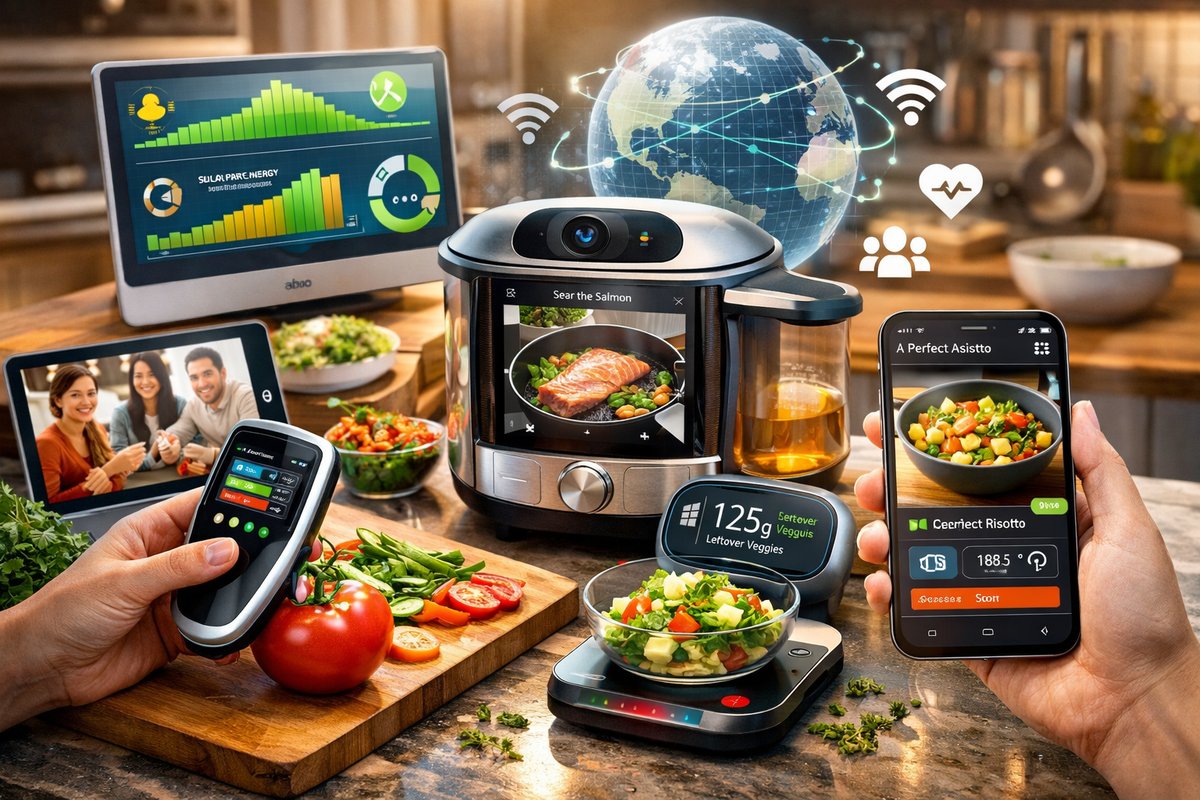
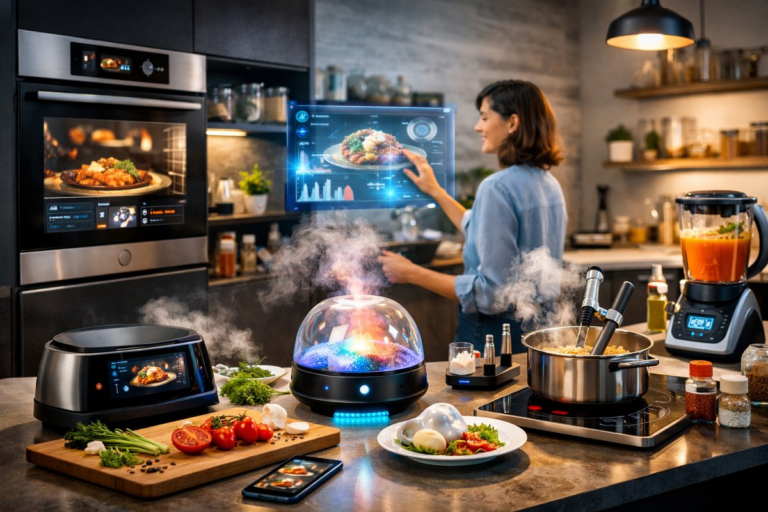
Cutting-edge kitchen gadgets and connected apps are turning cooking into an exploratory adventure, blending multi-spectral sensors, AI guidance, and community-driven rituals. From handheld flavor scanners to eco-conscious energy dashboards, these emerging tools empower home cooks to refine taste, reduce waste, and share meals across borders. The future of cooking is data-driven, sustainable, and deeply social.
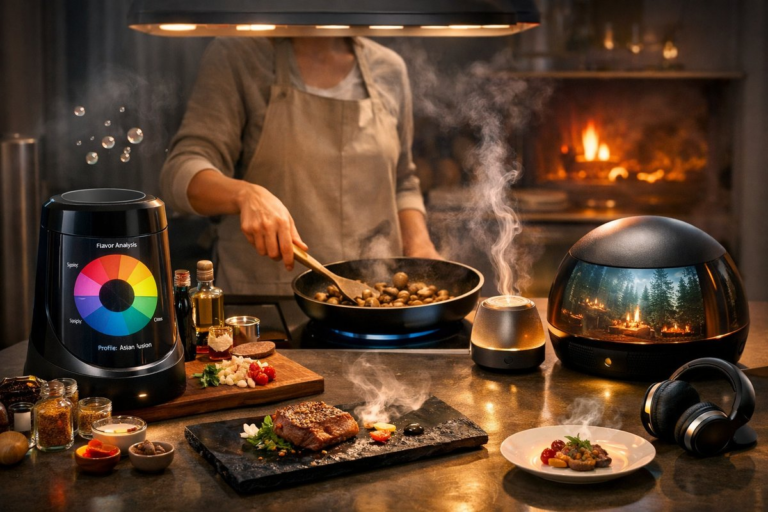
In kitchens around the world, a fresh wave of technology is transforming everyday cooking into a data-rich exploration of flavor and sustainability. At the Global Culinary Tech Summit earlier this year, engineers and food scientists unveiled a handheld multi-spectral flavor sensor designed to scan ingredients in real time. Shaped like a compact wand and paired with a smartphone app, this device captures subtle chemical signatures in produce and proteins by analyzing reflectance at multiple light frequencies. The resulting data illuminates acidity levels, sweetness indices, and umami potential, assigning an interactive “flavor score” that home cooks can use to experiment with unexpected pairings-from citrus-marinated mushrooms to matcha-rippled custards-guided by hard data instead of guesswork. Demonstrations on the expo floor drew crowds eager to see how a quick scan could suggest a spice swap or an ingredient boost to brighten a sauce or balance a stew.
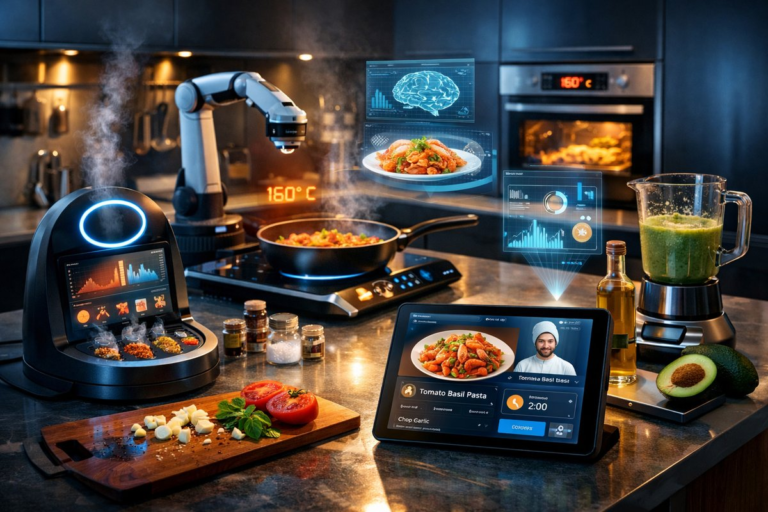
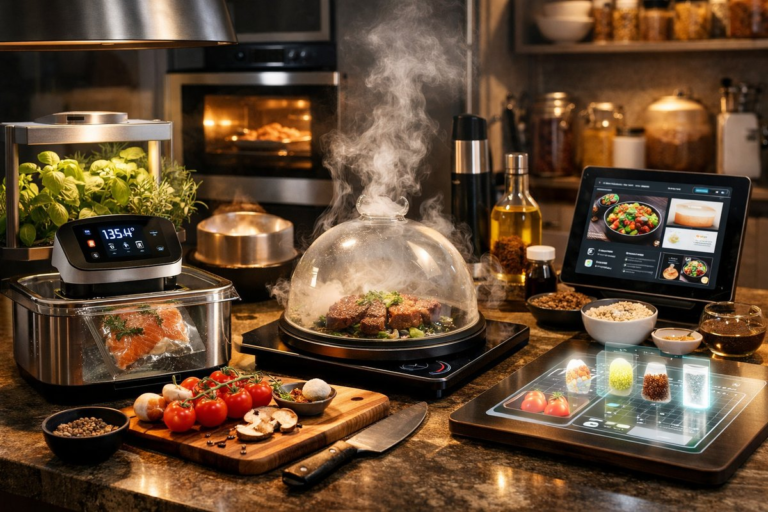
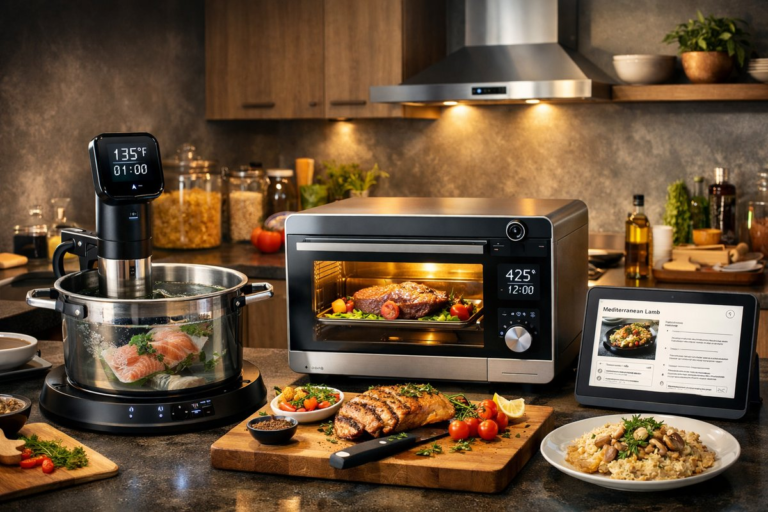
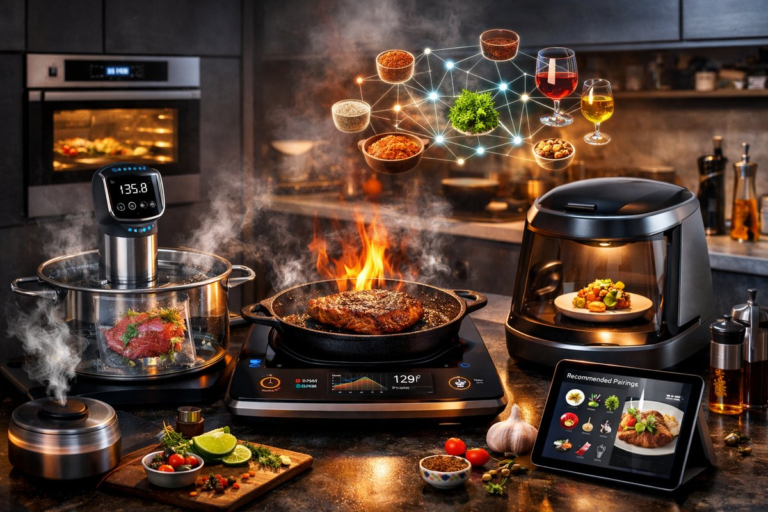
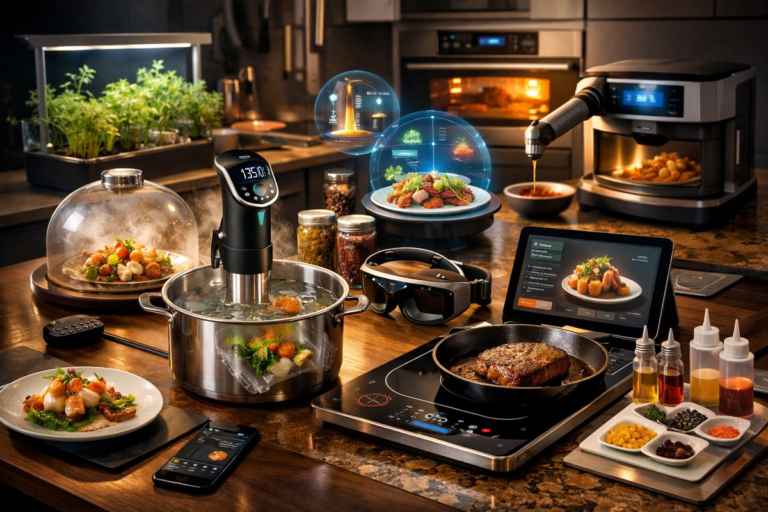
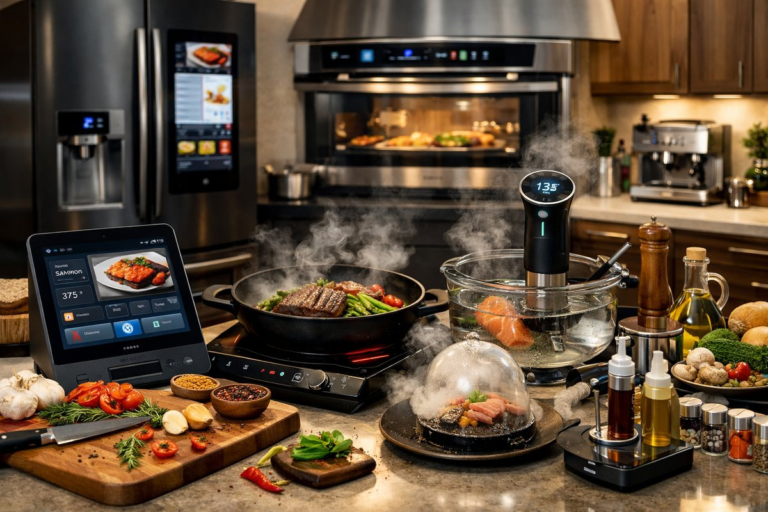
Alongside flavor scanners, AI-driven recipe assistants have entered mainstream kitchens, blending computational power with culinary intuition. These tablet-style guides connect wirelessly to kitchen appliances and integrate with voice interfaces, delivering step-by-step instructions tailored to each cook’s skill level and regional ingredient availability. Some advanced models leverage integrated cameras and computer vision to monitor the browning of proteins or the rise of dough, sending real-time prompts-“Your chicken thigh has reached an internal golden ratio, consider flipping now”-and suggesting adjustments, such as a splash of lemon juice or a sprinkle of finishing salt. Meanwhile, precision immersion circulators have evolved into sensor-packed sous-vide stations that measure texture and density in the cooking bath. By modeling the transfer of heat and moisture, they adjust temperature with granular accuracy plus or minus a tenth of a degree, ensuring perfect doneness in cuts ranging from delicate fish fillets to robust pork shoulders without the need for manual timers.
Ingredient management has also taken a leap forward thanks to a new generation of smart kitchen scales and connected refrigeration systems. Scales now pair with extensive food-composition libraries to automatically log weight, macronutrients, and micronutrients as you place ingredients in bowls, offering instant dietary breakdowns on a companion app. At the same time, fridge modules equipped with ethylene gas sensors and UV light compartments can slow the ripening process for fruits and prolong the shelf life of leafy greens by up to 40 percent. On the countertop, automated herb gardens monitor humidity, light exposure, and soil pH to cultivate fresh basil, mint, and cilantro year-round, while ultrasonic herb infusers use high-frequency vibrations to extract essential oils in seconds, creating concentrated drops of flavor that can be drizzled onto dishes or stirred into cocktails. Together, these tools reduce food waste, optimize flavor, and encourage cooks to embrace seasonal or less-common ingredients by making them more accessible and longer-lasting.
In response to growing awareness about household carbon footprints, eco-conscious kitchen sensors have emerged that estimate the environmental impact of a meal in real time. By cross-referencing ingredient origin data, transportation emissions, and cooking methods, these devices display an interactive dashboard that quantifies energy consumption, greenhouse gas output, and water usage for each recipe step. They might nudge cooks toward more sustainable choices-like steaming vegetables instead of boiling them or roasting under residual oven heat instead of using a stovetop burner. Additionally, smart compost sensors placed in home compost bins track moisture and temperature, alerting users when conditions are optimal for microbial activity or when additional dry material is needed to avoid anaerobic odors. Early adopters report cutting kitchen waste by nearly 25 percent over three months, attributing both the real-time feedback and the gamification elements-such as unlocking “green cooking” badges-to increased mindfulness at meal prep.
Beyond solo experiments, kitchen tech is fostering new forms of communal dining and shared ritual. Live-streamed “supper clubs” integrate synchronized timers and distributed sensors, so participants separated by continents can cook the same dish in lockstep, guided by an instructor’s virtual presence. Interactive hardware kits-featuring smart pressure cookers, Wi-Fi-enabled pickling lids, and internet-connected candy thermometers-arrive at each participant’s door, ensuring everyone follows the same infusion or caramelization curve. These remote gatherings not only bridge geographic divides but also emphasize mental well-being and emotional connection through cooking as a mindfulness practice. Social feeds built into recipe platforms allow cooks to celebrate plating visuals, exchange flavor notes, and share tweaks, making every meal feel like an interactive performance and turning individual kitchens into nodes of a global culinary community.
Academic partnerships have accelerated the evolution of these innovations, blending food science research with consumer testing. A pioneering study at a leading university food lab placed prototype flavor sensors and AI assistants in student residences, tracking changes in cooking habits over a semester. Data revealed participants explored 30 percent more unfamiliar ingredients and completed more complex recipes than a control group relying on traditional cookbooks. Surveys indicated that on-device flavor prompts boosted confidence, encouraging cooks to swap out staples for exotic fruits or heirloom vegetables. Meanwhile, open APIs that connect kitchen gadgets to research databases are enabling crowdsourced experiments in taste perception, texture mapping, and nutritional outcomes. The integration of lab-grade analytics with everyday appliances is turning every home chef into a citizen scientist capable of contributing to a broader understanding of what makes food satisfying.
Looking ahead, industry analysts predict that the convergence of edible sensors, machine learning, and community-driven cooking platforms will redefine how we approach daily meals. Privacy-preserving data frameworks are in development to ensure that culinary preferences and dietary records remain under user control, while open-hardware movements advocate for hackable devices that can be repurposed for fermentation projects or experimental flavor extractions. As hardware costs decline and machine-learning models become more accessible, tomorrow’s kitchens may feel less like sites of solitary labor and more like creative ateliers powered by curiosity, collaboration, and conscious consumption. For adventurous palates eager to explore new culinary territories, these emerging tools promise to transform every dish into a moment of discovery-one precise measurement, one synchronized session, and one shared recipe at a time.