Location
Mount Vernon, WA 98274

Location
Mount Vernon, WA 98274
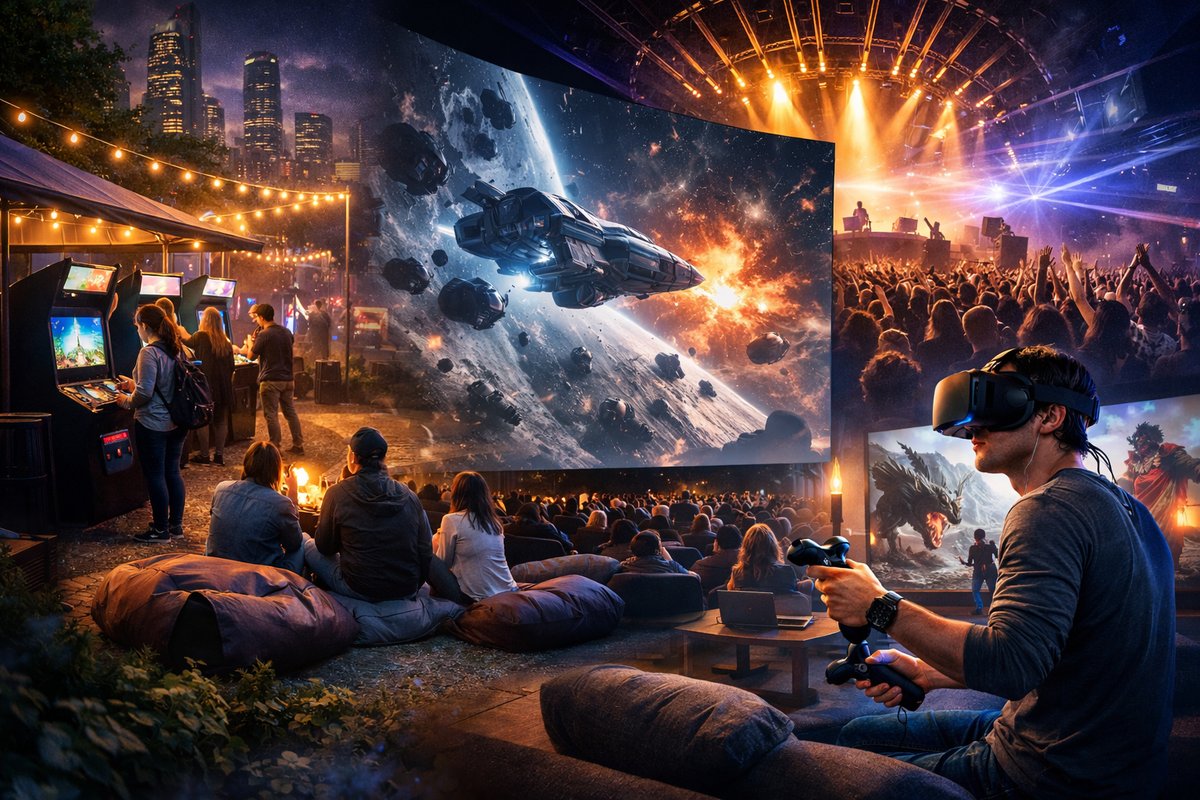
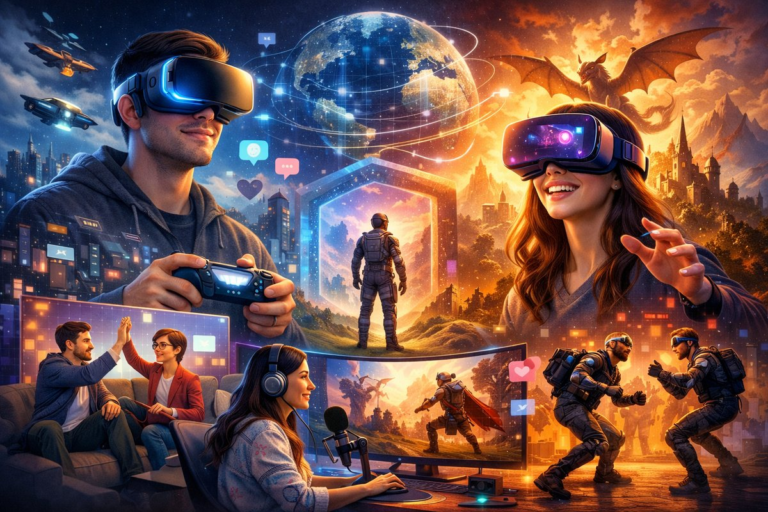
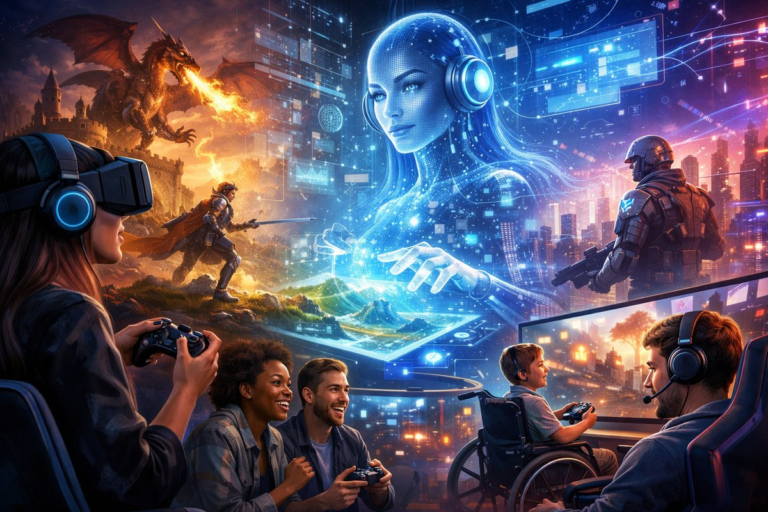
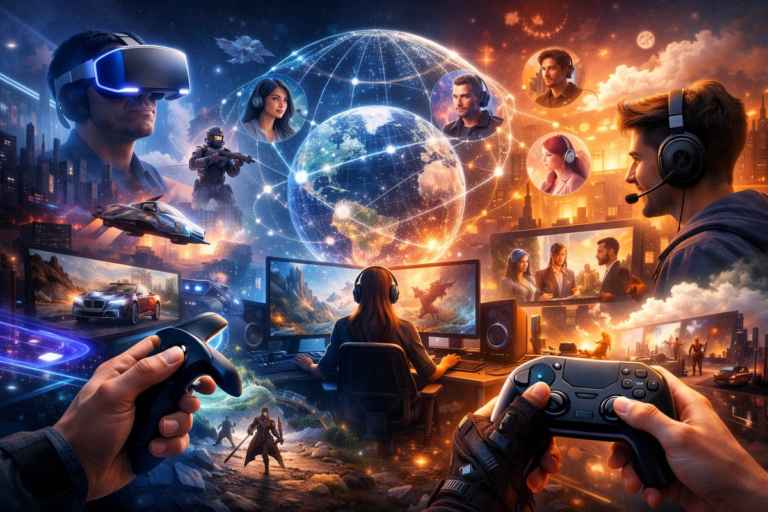
A growing wave of hybrid entertainment venues is dissolving the lines between gaming, cinema and live events. From temporary pop-up arcades in urban parks to immersive at-home theaters, the landscape of play is evolving into a seamless blend of digital and physical worlds. This shift is driving new community rituals, spurring innovation in gear and redefining how audiences connect with interactive storytelling.
City streets turned playgrounds. Warehouse lofts rewired into VR concert halls. Suburban garages retrofitted for indie film marathons. Across the globe, creatives and entrepreneurs are rewriting the rule book for entertainment spaces, blending gaming, cinema and live performance into single, fluid experiences. As players and spectators alike crave deeper connections and more immediate thrills, hybrid play venues are emerging as the next frontier in leisure.
What’s driving this evolution? A mix of pandemic-born ingenuity, fresh tech breakthroughs and a hunger for shared moments. With streaming services saturated and console generations edging toward stasis, audiences have begun seeking new rituals: gathering in small crowds to tackle co-op quests on massive LED walls, or settling into bean bags around a screened tabletop for tabletop role-playing game livestreams. These aren’t your parents’ arcades or cinemas. They’re living, breathing ecosystems that collapse the distinction between storyteller and participant.
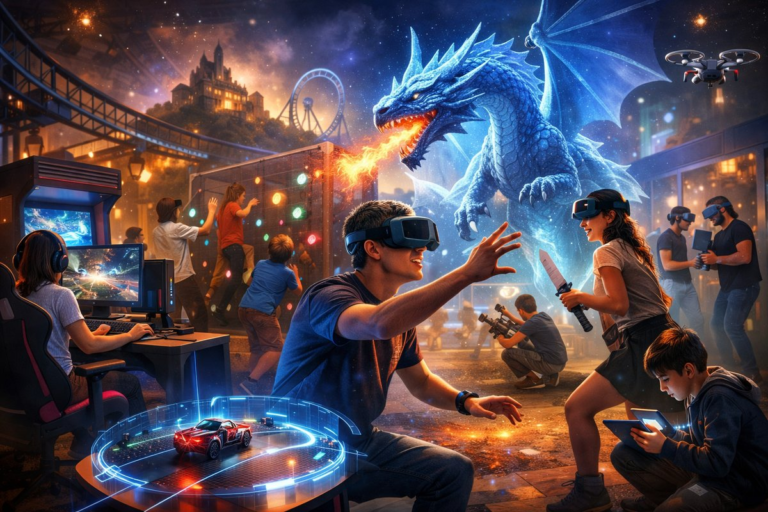
Early pioneers began popping up in city centers last year, transforming underused storefronts into day-long experiences. Imagine stepping off a busy high street into a neon-bathed lounge, where you can swing a virtual reality sword in a gladiator arena, compete in a retro racing cabinet tournament, then queue for a short film programmed by a local director. Food trucks parked outside feed into this ecosystem, offering quick bites between levels or popcorn and slushies before impromptu screenings of animated shorts. Patrons don’t merely spectate-they become part of a communal event that spans hours, or even an entire weekend.
This model caught fire at festivals and fairs, where temporary installations became highlights of summer schedules. A tech expo in Berlin last spring hosted a sandbox-style sandbox sandbox loaded with user-generated mini games, each projected onto a 360-degree cylinder for crowds to watch and vote on. In Austin, a music festival invited VR DJs to remix live audio based on real-time audience movement tracked by motion sensors. Both events leaned on modular kits of screens, sensors and networked consoles, allowing organizers to scale attractions up or down in a matter of hours.
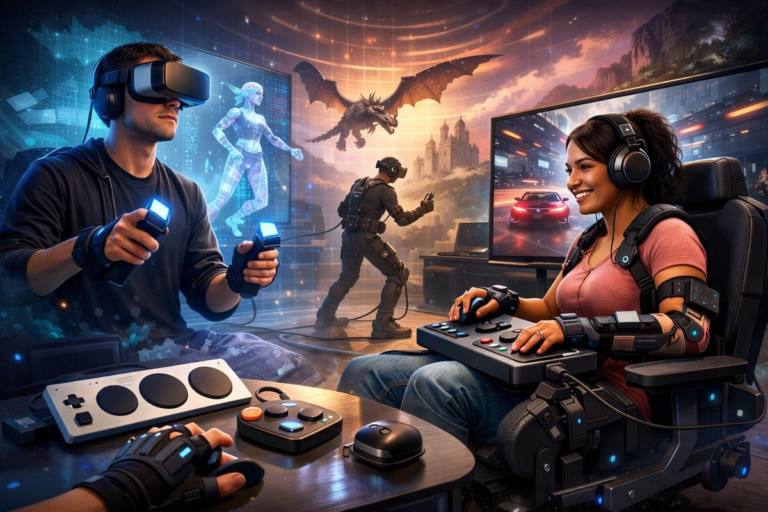
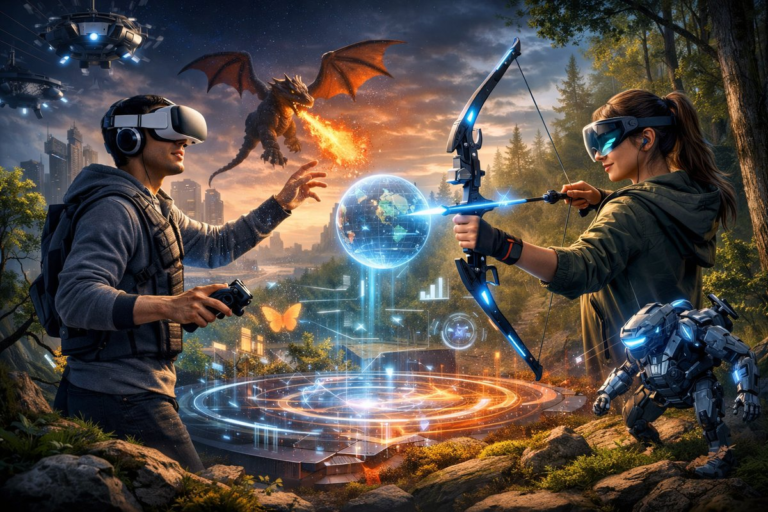
Behind the scenes, gear manufacturers and software developers have raced to keep pace. Easily deployable projection rigs now fit in carry cases no larger than a suitcase. Open-source platforms let indie designers spin up multiplayer scenarios in minutes. Wireless tracking modules for VR headsets and motion controllers have shed physical tethers, freeing participants to roam 20 by 20 feet arenas without tripping over cables. Meanwhile, new spatial audio systems create hyperlocal sound zones, so multiple activities can run simultaneously in the same room without muddying each other’s acoustics.
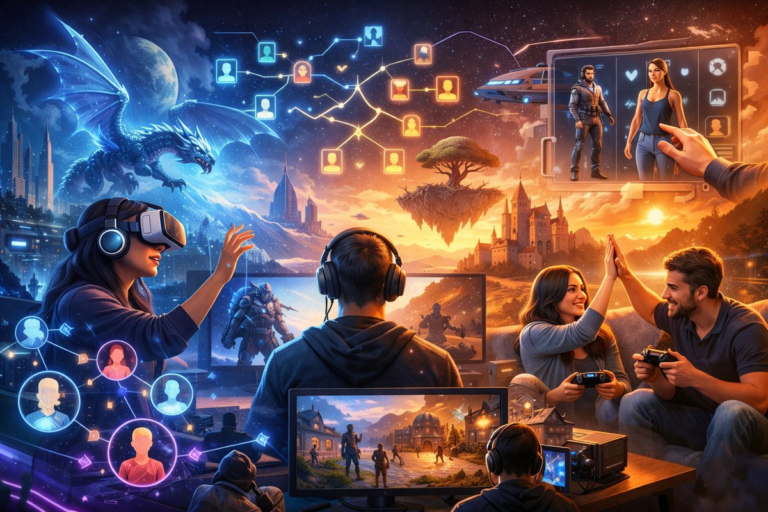
At the heart of these experiences is a renewed emphasis on social presence. In the past decade, individual VR sets and home consoles became more powerful but more isolating. Today’s hybrid venues are about reclaiming play as a communal pursuit. Whether you’re collaborating to solve an escape-room puzzle on a giant touchscreen table or cheering on friends tackling a platforming gauntlet on a high-def projector, the energy of the group amplifies each moment. That shared charge is precisely what many enthusiasts report missing after hours of solo gaming.
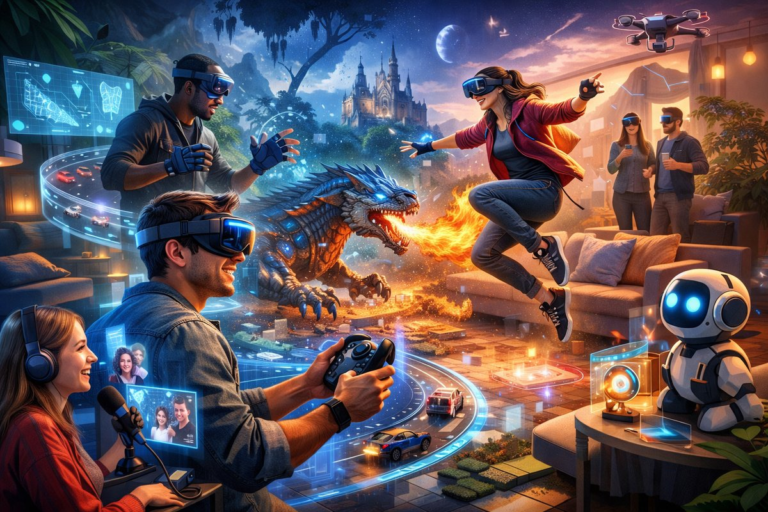
This trend has also inspired at-home hospitality upgrades. As public installations grabbed headlines, gamers and cinephiles began rethinking their living rooms. Modular furniture with built-in cable management, drop-away projector mounts, blackout curtains and ambient LED lighting are all in higher demand. Streaming racks with networked consoles and media servers are being replaced by single-box solutions that handle gaming, 4K playback and streaming simultaneously. Even soundbars have evolved into full-blown surround systems with detachable satellite speakers for flexible placement.
The transformation is most visible in urban apartment blocks. Residents in high-rise buildings have started subdividing open-plan units into dedicated play spaces-one corner for VR, another for console multiplayer, a third outfitted with reclining seats and projection screens for movie nights. In one San Francisco co-living house, the common area was overhauled into a hybrid lounge: a long sofa faces a wall-mounted display that alternates between gaming tournaments, art-house film screenings and streamed live concerts. Every weekend, neighbors reserve slots on a shared calendar, turning the space into an unofficial entertainment hub for the entire block.
Community-run venues have sprung up too. Grassroots groups booking municipal recreation centers on off-peak days to host mixed-format events. These gatherings often pair a short indie film screening with a quick esports bracket, followed by a local band playing inside a projection-mapped art installation. With local sponsors covering rental costs, ticket prices stay affordable, drawing diverse crowds-families, hobbyists, students-united by the desire for in-person connection.
The commercial sector is taking note. Some cinema chains have trialed “play-and-watch” evenings, letting small groups arrive early for a few rounds on retro cabinets before a midnight horror screening. A handful of major esports teams have opened urban outposts where fans can book a booth, play alongside pro players in exhibition matches and chat with team analysts over coffee. Retailers in malls are carving out gaming lounges stocked with the latest consoles, VR rigs and classic arcade systems, integrated with cafés to keep energy levels high.
All this momentum points toward a new era of entertainment defined by hybridity and fluidity. The walls between mediums are breaking down. Film festivals incorporate playable VR shorts. Game conventions feature live stage performances and indie theatrical showcases. Cooperative play expands beyond the screen into sensor-driven physical challenges. Audiences are no longer passive; they’re co-creators, collaborators, co-starred.
Still, challenges remain. Licensing for public screenings and interactive demos can be complex. High-speed internet and hardware costs pose barriers for grassroots organizers. Safety protocols for VR and motion-based attractions must be carefully managed to prevent injuries. Yet the very act of tackling these hurdles has become part of the appeal-driving further innovation in kit design, insurance models and event planning software.
Looking ahead, industry insiders predict even more seamless integration. Advances in cloud streaming will reduce the need for local hardware, allowing venues to pivot instantly between game libraries and film catalogs. Improved gesture recognition and haptic suits promise richer physical feedback, making virtual competitions feel palpably real. AI-driven personalization may tailor venue layouts on the fly, adapting lighting, sound and screens based on live audience data to optimize engagement.
For now, the hybrid revolution is already reshaping how we play and watch. Whether you’re a developer scouting pop-up arcades for inspiration, a host redesigning your living room into a multi-purpose lounge, or simply a fan craving new ways to connect, the tools and spaces available today invite fresh experiments. As these versatile venues multiply-from downtown alleys to suburban living rooms-one thing is clear: play has outgrown the console. It’s stepping into the world, and the world is leveling up right alongside it.
When next you plan a night out or a cozy gathering, consider skipping the traditional movie or single-player session. Seek out a hybrid experience: join a communal quest at a local art warehouse, reserve a VR jam in a coffee shop lounge, or transform your own home theater into a portal for co-op adventures. In this era, the only limit is your imagination-and maybe how strong your internet connection is. That tension between boundless creative possibility and the real-world gear that makes it happen is exactly what fuels the excitement today. Play is serious business, and the business of play is more dynamic, inclusive and electrifying than ever before.