Location
Mount Vernon, WA 98274

Location
Mount Vernon, WA 98274
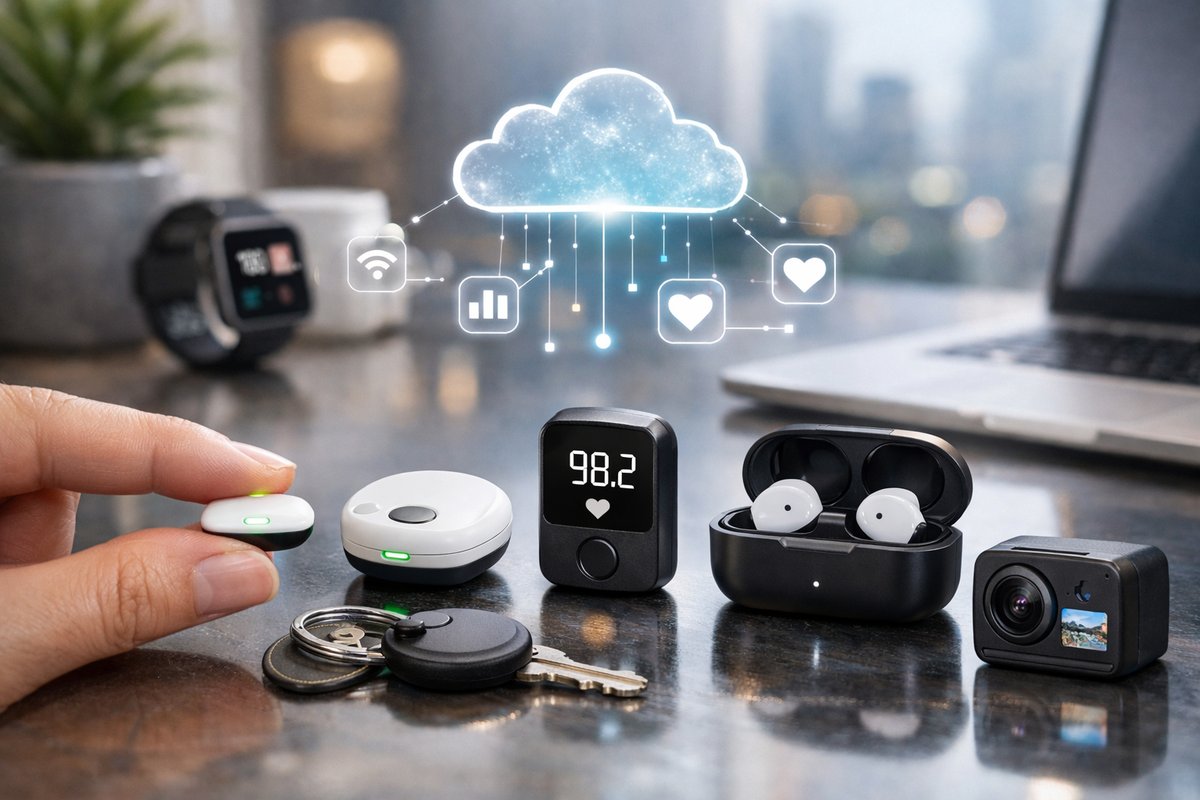
From pocket-sized power banks to palm-friendly health sensors, a new wave of ultra-compact gadgets is reshaping routines at home, at work, and on the go. Engineers are unlocking the potential of advanced materials, clever design and cloud-connected features to pack more function into ever tinier footprints.
In the bustling landscape of consumer technology, where every iteration seems to promise more power, higher resolution or longer battery life, a subtler revolution is quietly taking shape. It’s not about the biggest screens or the fastest chips. Instead, the spotlight has shifted to miniature marvels-pocket-sized devices that refine everyday tasks and elevate ordinary moments. Engineers and designers are now laser-focused on scaling down physical dimensions without sacrificing performance, creating a new generation of tools that fit in the nook of a palm or clip onto a keyring.
Recent breakthroughs in battery chemistry, printed electronics and 3D-printed enclosures have paved the way for devices that would have been unthinkable just a few years ago. A micro power station, no larger than a paperback, can now deliver enough juice to keep a smartphone or small laptop running for hours. These portable power packs rely on high-density lithium polymer cells and smart battery management chips that constantly monitor temperature and charge cycles, ensuring safety and longevity in increasingly cramped internal layouts.
Meanwhile, foldable solar chargers have become more efficient and durable. Thin-film photovoltaic cells laminated into flexible polymer sheets can be rolled or folded like a map. In bright sunlight, these featherweight panels generate enough current to trickle-charge a phone or top up a micro battery during hikes, picnics or outdoor work sessions. As climate-conscious consumers look for ways to reduce their carbon footprint, the marriage of miniaturization and green energy is becoming hard to resist.
Audio enthusiasts are also getting in on the tiny-tech action. Instead of bulky bookshelf speakers, you can now carry a folding, Bluetooth-enabled speaker that unfolds to project clear, balanced sound. Some models integrate magnetic drivers and custom acoustic chambers that expand outward when the gadget is opened. Whether you’re sharing a podcast at a café table or hosting an impromptu backyard concert, these pocket speakers deliver surprising volume and fidelity without weighing down your bag.
Data storage has undergone a similar shrinkage. External solid-state drives in credit-card-sized enclosures now offer terabytes of capacity and USB-C connectivity. Their NVMe flash modules transfer gigabytes of video or large datasets in seconds, making them invaluable for photographers, videographers and field researchers who need fast, reliable backups on the move. Advances in thermal management-using graphite heat spreaders and micro-vent channels-keep these tiny units from throttling during sustained data transfers.
On the health and wellness front, wearable sensors have entered the micro era. Instead of a clunky wristband, some fitness trackers now tuck into a ring or clip discreetly onto clothing. These devices measure heart rate variability, blood oxygen levels, sleep stages and even skin temperature, syncing data to a mobile app via Bluetooth Low Energy. Real-time analytics and AI-driven insights can alert users to signs of stress or dehydration before symptoms appear, empowering proactive self-care.
For language learners and globetrotters, palm-sized translation devices are breaking down communication barriers. These gadgets combine a high-fidelity microphone, neural-network-driven translation software and a minimalist display to render spoken phrases in dozens of languages within seconds. With offline language packs for remote regions or overseas trips, travelers can carry a universal interpreter that weighs less than a tube of lip balm.
Creatives are embracing miniaturization too. A portable digital pen scanner has the precision of a desktop flatbed in a device no larger than a highlighter. Slide it over text or images on any surface, and it captures high-resolution scans that sync to cloud storage or OCR software. Designers, students and researchers can digitize printed materials on the spot, eliminating the need to carry bulky scanning equipment.
Even drones have taken on micro proportions. Palm-friendly quadcopters equipped with propeller guards and ultrasonic sensors can hover autonomously or be guided with a smartphone app. They capture 4K-quality video and offer gesture-control modes for selfies or group shots. These nano-drones are redefining how content creators and hobbyists capture aerial footage in tight indoor spaces, backyards or city streets without the logistical hurdles of larger UAV systems.
Connectivity has followed suit. Mesh-network nodes no larger than a key fob can extend Wi-Fi coverage throughout a home or office. They wirelessly sync with each other to form self-healing networks, automatically re-routing signals if one node goes offline. This plug-and-play approach spares consumers from running cables or wrestling with complex router settings.
At the heart of these innovations lie advances in materials science. Graphene coatings, ceramic batteries and ultra-thin circuit boards are making electronics more resilient and flexible. Printed sensors on foldable polymers can bend and stretch without breaking trace lines. As manufacturing techniques mature, economies of scale will drive costs down, ensuring that the smallest gadgets aren’t prohibitively expensive for mainstream audiences.
Industry analysts predict that micro-electronics will infiltrate even more corners of daily life. Imagine a pocket-sized air quality monitor that clips to a backpack strap, sending real-time pollution data to your phone. Or a credit-card-thin infrared thermometer that checks surface temperatures on machines or food without bulky gun-style housings. The line between industrial-grade tools and consumer-friendly devices is blurring, giving rise to new use cases at home, in the classroom and on the job site.
Yet, as the size of gadgets shrinks, user experience design must adapt. Tiny buttons or screens can frustrate users, so haptic feedback, voice control and companion apps play a larger role. AI-driven voice assistants embedded in micro devices handle complex commands, while gesture recognition and touchless interfaces reduce the need for physical controls. In some cases, developers embed voice-activated safety locks or customizable shortcuts to prevent accidental triggers when tossing a device into a pocket or purse.
Privacy concerns also come into focus. When a gadget can record audio, track vital signs or scan environments from a pocket, manufacturers must ensure secure data handling. End-to-end encryption, on-device data processing and transparent privacy policies are becoming standard features. In an age of digital surveillance anxieties, micro-hardware developers are emphasizing user control over data-allowing physical switches to disable cameras or microphones when privacy is paramount.
Sustainability considerations are influencing design too. Some micro gadgets feature modular battery packs or recyclable polymer shells. Repairable circuitry and standardized screw mounts make it easier to replace worn-out components instead of discarding the entire device. As consumers become more eco-aware, brands that champion repairability and material reuse stand to gain trust and loyalty.
What does this mean for consumers? The next time you reach for a pocket-size power station, a clip-on health sensor or an ultra-compact speaker, know that you’re holding the product of converging advances in chemistry, electronics, software and user-centered design. These mini wonders are more than novelty items. They’re reshaping how we charge our devices, monitor our well-being, capture ideas, communicate with the world and explore remote areas.
As the micro gadget movement gains momentum, one question remains: how small can we go before constraints on battery capacity, processing power or durability become insurmountable? For now, innovators are finding creative workarounds-super-efficient power regulators, on-demand network offloading and multi-layer folding mechanisms. The horizon of possibility keeps expanding, and soon we may carry entire toolkits in objects no larger than a credit card.
In the coming months, expect to see even more surprising form factors: retractable drone arms, roll-out displays, wireless charging pucks that double as personal hotspots, and AI-powered smart keychains. As these technologies trickle down from research labs to retail shelves, the promise of powerful convenience in a micro package will continue to reshape daily life in unexpected ways.