Location
Mount Vernon, WA 98274

Location
Mount Vernon, WA 98274
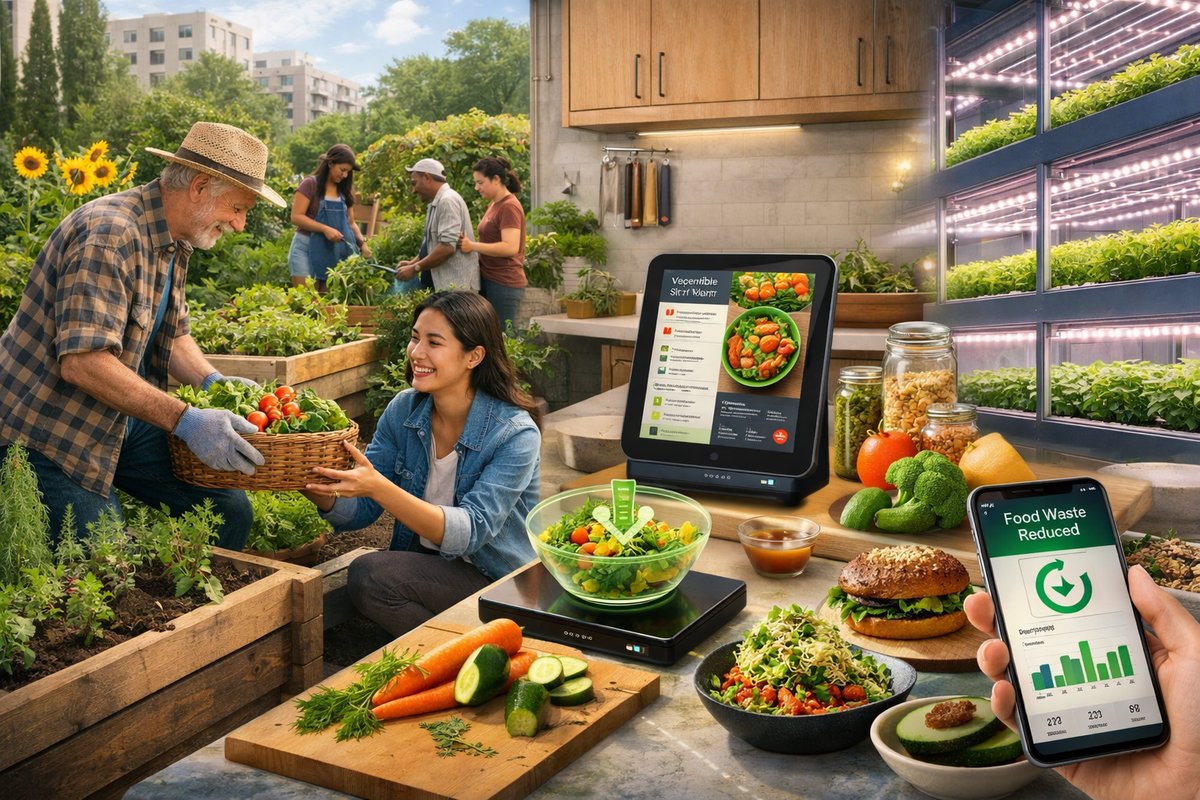
From communal gardens that bring neighbors together to AI-driven cooking assistants helping us reduce waste, a new wave of culinary innovation is reshaping both what and how we eat. Explore how sustainability, technology and community connection are guiding the next chapter in food culture.
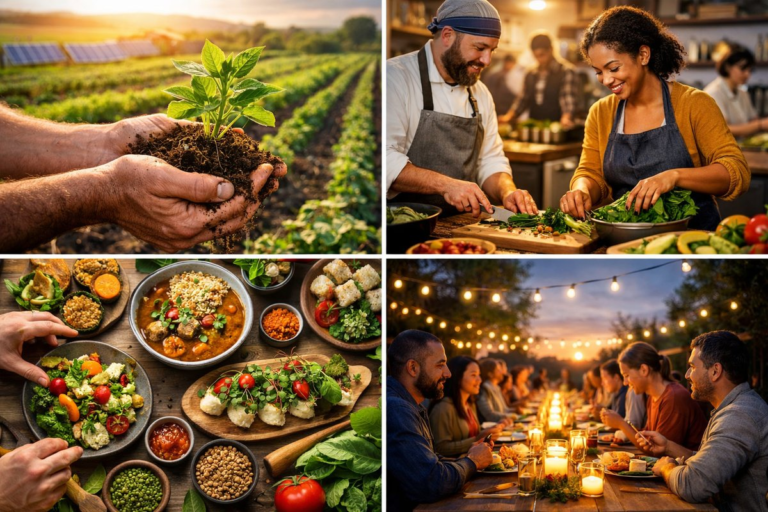
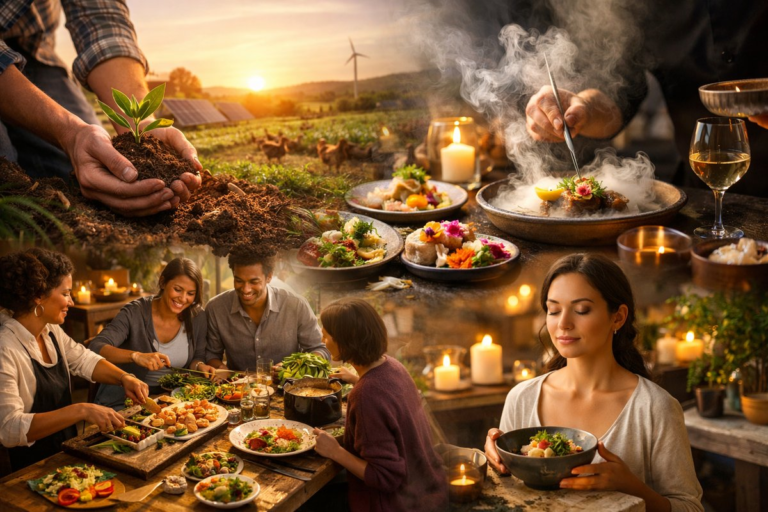
In neighborhoods around the world, backyards and balconies are transforming into microfarms, where homegrown herbs and vegetables flourish under modern LED lights or in simple soil beds. These urban patches are more than green escapes-they’re living experiments in local resilience. City dwellers are discovering that the path to fresher, more flavorful produce doesn’t require a sprawling farm-it can begin with a windowsill planter of basil or a stackable hydroponic system tucked in a sunny corner.
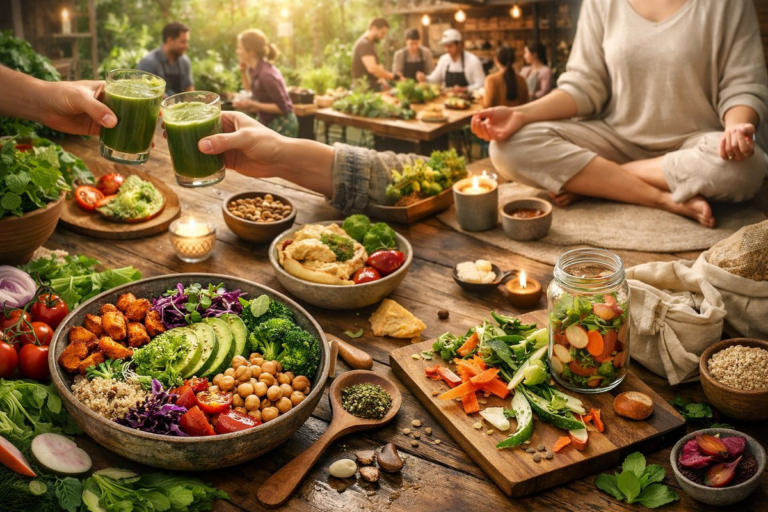
Across town, pop-up communal kitchens are inviting strangers to share a meal cooked over open flames in park clearings or converted shipping containers. These mobile setups combine the appeal of street food with the intimacy of a family dinner, blurring the lines between chef and diner. Participants bring ingredients for a themed potluck-often focusing on neglected regional grains or heritage vegetables-and learn to cook side by side, guided by volunteer instructors who champion recipes passed down through generations.
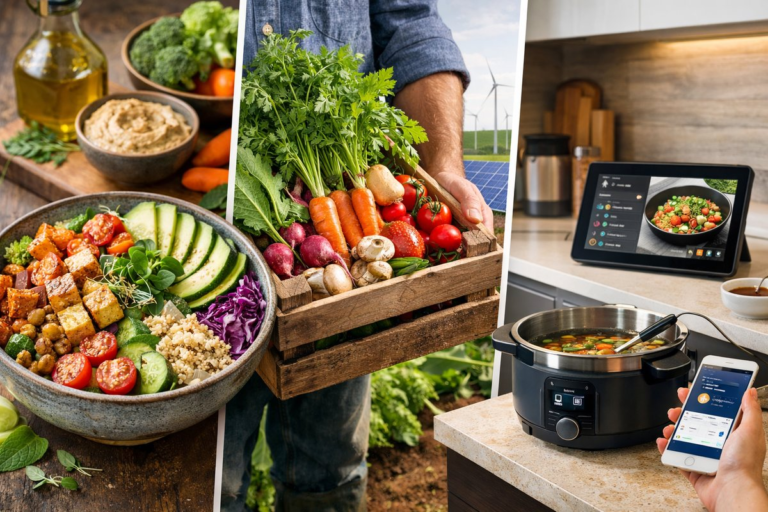
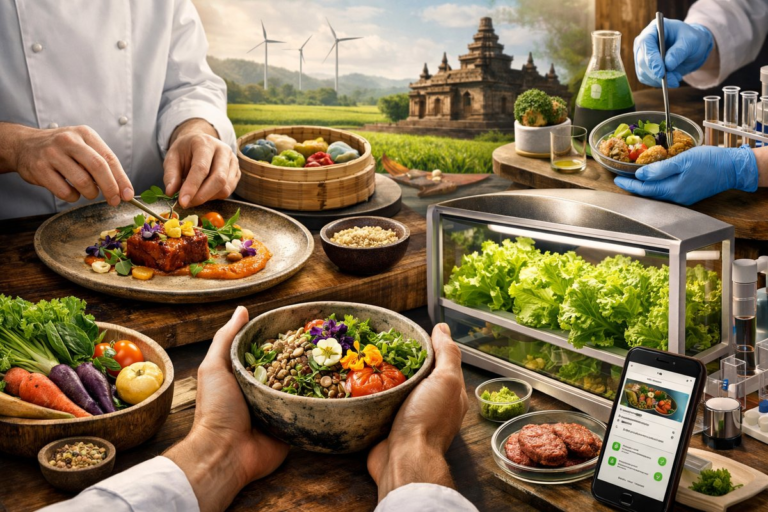
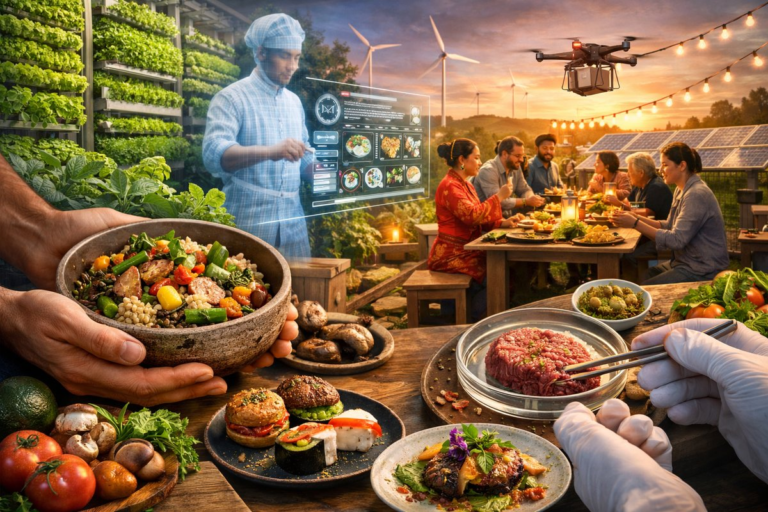
Meanwhile, digital tools are stepping into the home kitchen, not to replace the cook, but to inspire creativity and cut down on waste. AI-powered apps like Plant Jammer analyze the contents of your refrigerator and pantry, suggesting recipes that use up wilting greens or stray spice jars. Integrated voice-controlled platforms can guide you through complex techniques, from tempering chocolate to mastering a chiffon cake’s airy crumb. The result is less leftover mystery and more confidence to experiment.
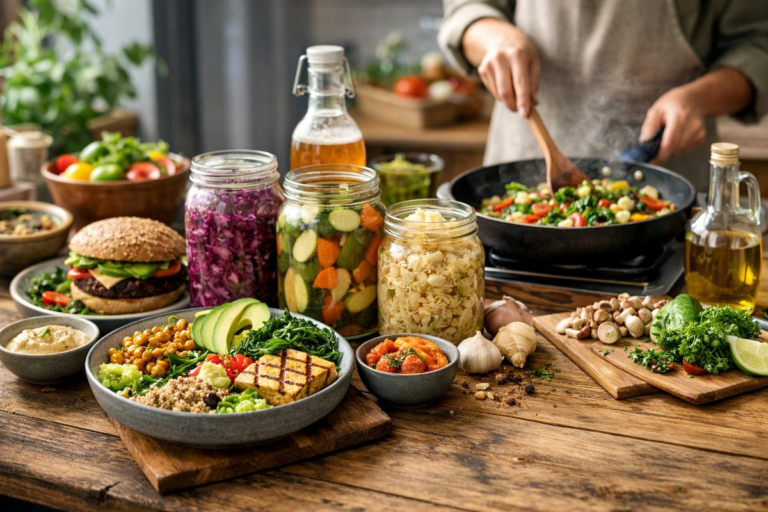
Zero-waste cooking has also taken center stage, driven by rising awareness of how food scraps and single-use packaging contribute to landfill volume. Home chefs are embracing root-to-stem cooking, where carrot greens and broccoli stalks become pesto and slaw. Even banana peels and citrus rinds are finding new life: peels turn into candied citrus or infused syrups, while café-style lattes get a hint of peel zest. Compost bins with charcoal filters sit on counters, turning coffee grounds, eggshells and tea leaves into the beginnings of garden soil.
Fermentation, once relegated to boutique tasting rooms, is the subject of online ticketed workshops and artisan festivals. Attendees learn to master kimchi slaw, sauerkraut brightened with juniper berries, and probiotic-rich kvass. Kits that include glass crocks, airlock lids and removable weights make the process approachable, even for those who balked at sourdough starters. Retail sales of home fermenting equipment grew by more than 20 percent last year, reflecting a curiosity that blends culinary tradition with gut-friendly nutrition.
On the frontiers of flavor, “foraged fusion” cuisine is gaining traction. Chefs and home cooks alike forage for edible mushrooms in woodland parks-guided by experts who emphasize safety-and bring mushrooms like hen-of-the-woods or black trumpets back to the kitchen. Paired with globally inspired seasonings-think smoked paprika, ghee and fermented chile pastes-these wild finds become the stars of risottos, tacos and flatbreads.
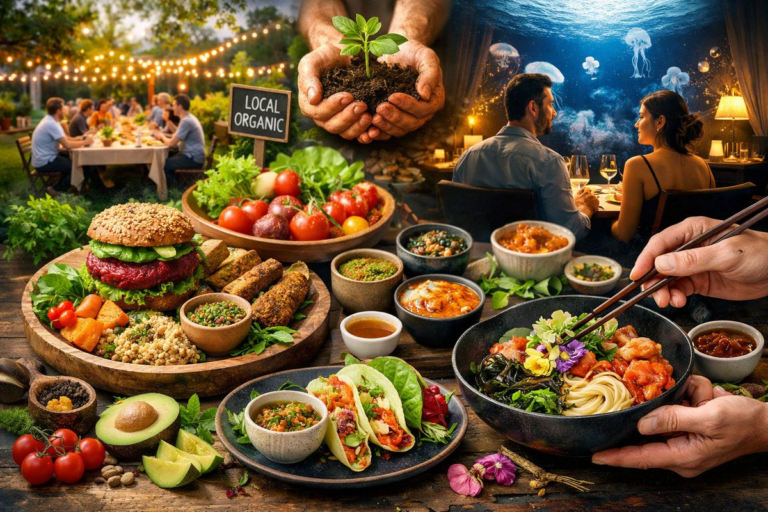
Meanwhile, community-supported agriculture programs are evolving beyond simple farm-to-table boxes. Members now choose selections through online platforms that let them swap heirloom tomatoes for purple radishes or kale for microgreens. Fresh-picked eggs, honey from on-site hives and seasonal flower bundles join the produce mix. Virtual farm tours streamed on social media strengthen the connection between growers and eaters, revealing pollinator habitats, rainwater catchment systems and soil regeneration techniques in real time.
Sensory dining experiences are another growing trend, where multi-course menus are paired not only with beverages but also with textured tableware, ambient sounds and aromatic misting. Guests might wear gentle blindfolds for a course to heighten taste memory, or listen to curated playlists that echo crashing waves during seafood dishes. These immersive events explore how our senses intertwine with flavor perception, inviting diners to question how color, scent and acoustics shape the act of eating.
At home, the rise of modular cookware systems is answering the needs of these adventurous cooks. Stackable pots and pans with interchangeable lids reduce storage clutter, while stainless steel perforated inserts transform a single vessel into a steamer, pasta cooker or colander. Magnetic handles let you snap off a pan to serve directly at the table. Such gear makes it easier to shift between stir-frying, simmering and steaming without accumulating a pile of mismatched pots.
Of course, packaging remains a keystone issue. Recycled cardboard meal kits, refined by emerging startups, now arrive without excess plastic. Instead of individually wrapped portions, ingredients are bundled in compostable paper sacks or glass jars that you return on your next delivery. Some services even allow you to submit photos of your pantry inventory; their algorithm then curates recipes that fit your existing staples, reducing edible waste before it starts.
In the beverage world, boutique roasters are experimenting not only with origin beans but also with fermentation stages in coffee processing. Natural-process coffees, where cherries ferment intact before drying, yield fruit-forward notes that can rival a citrusy orange wine. Meanwhile, at home, cold brew makers with adjustable steep times let aficionados dial in smoothness, acidity and caffeine strength.
Across social platforms, micro-communities are forming around specific pantry staples. The #MisoMondays crowd shares recipes that spotlight fermented soy paste, from creamy soups to miso-glazed vegetables. #ChiliOilChats buzz with users layering toasted spices and chili flakes into oil infusions, drizzling them over dumplings or avocado toast. These vertical subcultures make it easier for cooks to deep-dive into one ingredient, unlocking its full potential.
Yet beyond trends, a throughline emerges: people are craving connection-whether to each other, the land or the stories behind each dish. Shared meals in community kitchens alleviate loneliness, while digital forums foster mentorship among novice fermenters or sustainable farmers. In a time when playlists and news feeds dominate digital life, the kitchen has become a space to gather, to collaborate and to remember that food is as much about relationship as it is about taste.
What comes next? Expect continued experimentation at the intersection of technology and tradition. We may find 3D-printed garnishes on green-market salads or real-time quality trackers embedded in reusable packaging. Yet even as tools evolve, the essential act of breaking bread with someone-friend, stranger or mentor-will remain our greatest source of nourishment and wonder.