Location
Mount Vernon, WA 98274

Location
Mount Vernon, WA 98274
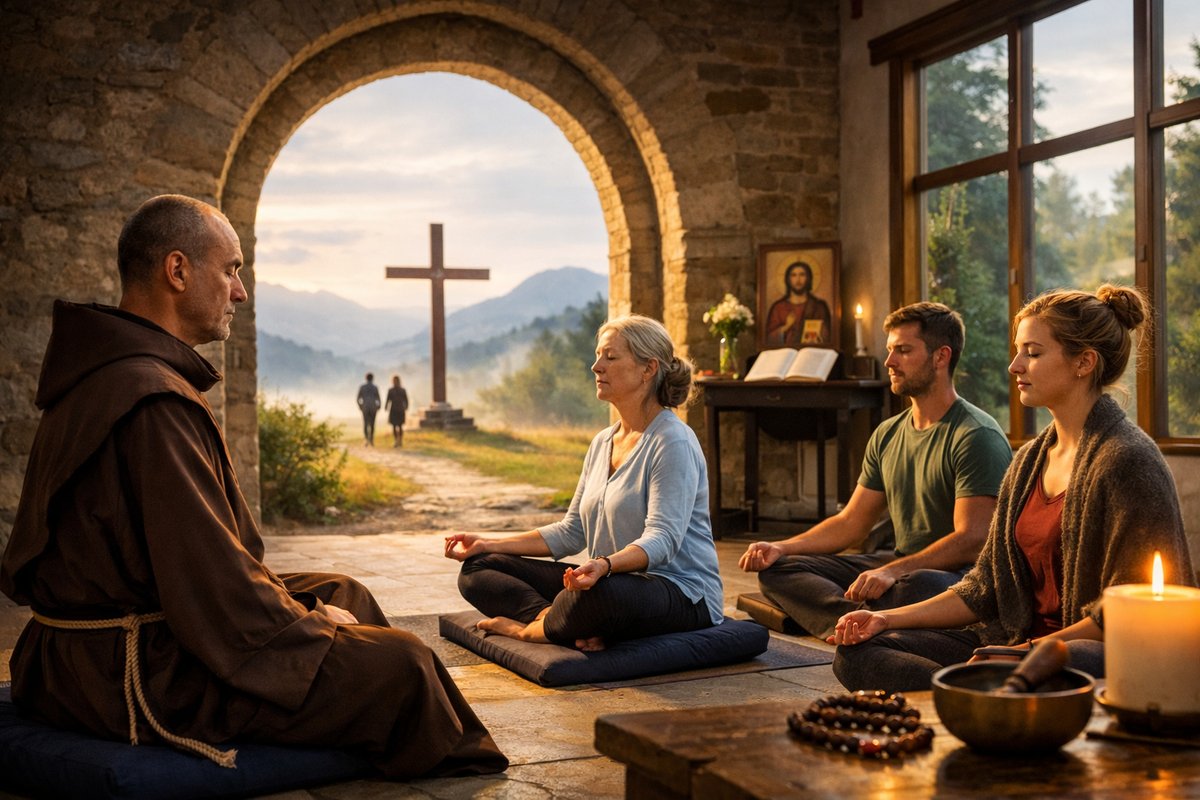
Christian retreat centers are blending ancient monastic disciplines with modern mindfulness techniques to address a surge in spiritual and mental health needs. As participants seek deeper connection and emotional resilience, these programs are reshaping the landscape of faith-based wellness across regions.
In recent years, a quiet transformation has been unfolding in Christian retreat centers nationwide. Faced with growing levels of stress and burnout, congregants and clergy alike have been exploring mindfulness practices once associated primarily with secular wellness culture. Now, an increasing number of retreat houses rooted in Christian tradition are integrating guided meditation, contemplative prayer, and body awareness into weeklong and weekend retreats-offering a fresh approach to spiritual renewal.
The shift began taking shape shortly after the global pandemic prompted an unprecedented spike in anxiety and depression. According to a 2023 Barna Group report, nearly 80 percent of Protestant church leaders in the United States reported that members of their congregations were experiencing heightened stress and seeking pastoral support for mental health concerns. In response, a network of retreat organizers-from historic monastic orders to ecumenical conference centers-began experimenting with practices such as breath prayer, walking meditation in nature, and mindful lectio divina.
“We noticed people wanted more than a keynote or a Bible study,” says the director of a midwestern retreat center that welcomes Christians across denominations. “They were longing for structured silence, simple exercises to calm bodily tension, and guidance on how to carry that stillness back home.”
Traditional Benedictine and Ignatian retreats have long included periods of silence and contemplative reading, but the new wave explicitly borrows from mindfulness frameworks developed in clinical settings. Instructors invite participants to tune into physical sensations, name emotions without judgment, and cultivate a nonreactive awareness of thoughts. These methods mirror secular programs used in hospitals to treat chronic pain and stress-related conditions, yet they are presented in a distinctly Christian context-rooted in the conviction that creating space for God’s presence can transform the whole person.
A recent pilot program hosted by a northeastern conference center illustrates the trend. During a four-day retreat in a pine forest setting, guests rose for predawn prayer before joining small-group sessions on mindful breathing anchored by Scripture passages. Midday meals were served in silence, punctuated by brief reflections on gratitude drawn from the Psalms. Each afternoon featured guided labyrinth walks and journaling prompts encouraging participants to identify patterns of anxiety and surrender them in intercessory prayer. The final evening concluded with an outdoor vespers service, where candles flickered against a backdrop of whispering pines.
Participants describe the experience as life changing. One attendee shared that she had struggled with insomnia for years; after practicing a simple breath prayer-“Breathing in God’s peace, breathing out my worry”-she found herself sleeping deeply for the first time in months. Another reflected on discovering how habitual tension in her shoulders mirrored a deeper fear of failure, and how releasing that tension in a guided body scan unlocked fresh insight into her need for self-compassion.
Despite initial skepticism from some church leadership, the programs have gained traction. A coalition of more than 20 Christian retreat centers now shares resources and curriculum ideas through an online forum. Retreat directors swap lesson plans on contemplative coloring with Psalms, share playlists of ambient worship music for silent meditation, and recommend readings that bridge neuroscience and spiritual formation.
The movement also resonates with younger generations. Millennials and Gen Z retreatants, in particular, report finding traditional worship services too rushed or performance-driven. They are drawn instead to a slower rhythm that allows space for doubt, honest questioning, and emotional release. One 28-year-old participant commented, “I came here expecting a rigid schedule of meals, lectures, and prayers. Instead, I found moments of stillness I didn’t know I needed.”
For many clergy, the trend represents an opportunity to reframe pastoral care. After hosting retreat alumni who return with practical tools for stress management, several pastors have incorporated short mindfulness exercises into weekend services and small-group meetings. In one suburban congregation, a weekly midweek gathering now opens with five minutes of silent centering prayer before transitioning into discussion and fellowship. Church staff report that offering spiritual practices adaptable to busy lifestyles has helped members feel more integrated rather than overwhelmed by faith obligations.
Yet integrating new methods is not without challenges. Some critics caution against uncritically adopting mindfulness techniques popularized outside the church, warning that stripped of their Christian foundation they can become purely self-focused. Retreat leaders respond by emphasizing the theological roots of contemplative prayer and by framing each exercise in scriptural context. They remind guests that the goal is not merely stress reduction, but deepening communion with God.
Financial considerations also play a role. Retreat centers have seen rising overhead costs for staffing, facility maintenance, and materials such as yoga mats, meditation cushions, and audio equipment for guided sessions. To keep programs accessible, many offer sliding-scale fees and scholarships funded by local churches. A handful have begun livestreaming introductory sessions at modest subscription rates, providing revenue to support in-person scholarships.
Looking ahead, organizers plan to expand the range of offerings. Some centers are piloting family retreats where parents and children learn simple breathing prayers together. Others are partnering with healthcare providers to offer continuing education credits for counselors and chaplains who attend mindfulness-focused spiritual formation courses. In one pioneering collaboration, a rural retreat house is working with a nearby hospital on a study to measure how Christian contemplative practices affect markers of inflammation and stress hormones in chronic illness patients.
Whether through silent walks in the woods or guided meditations on ancient hymns, Christian mindfulness retreats are carving out new space in the broader landscape of faith-based wellness. They offer a countercultural invitation to slow down, pay attention, and trust that meeting God in the stillness can spark both personal healing and communal renewal. As one retreat graduate put it, “It’s not about escaping life’s demands-it’s about facing them with a renewed sense of peace and purpose.”