Location
Mount Vernon, WA 98274

Location
Mount Vernon, WA 98274
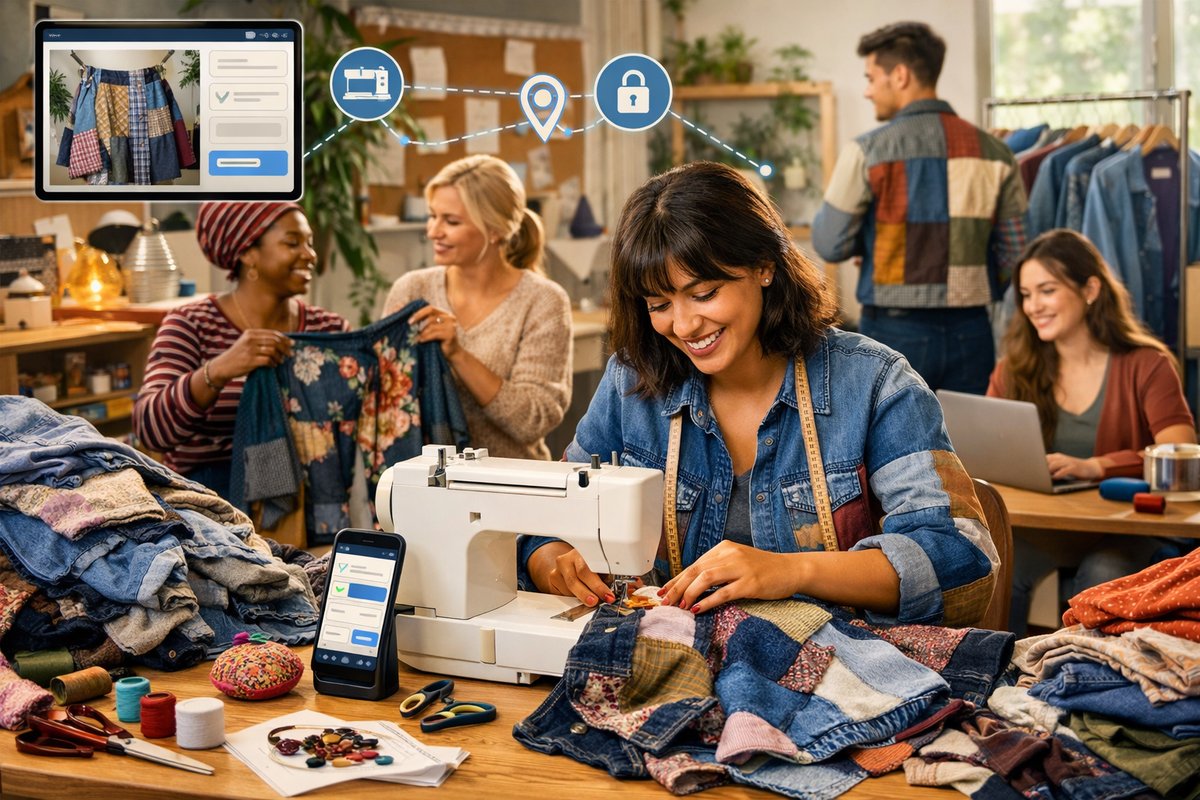
A new platform is turning neighborhood textile waste into customized fashion statements, connecting home sewers and style seekers through secure, privacy-first technology. Early adopters report reduced clothing landfill contributions and a burgeoning sense of community around circular style.
A freshly unveiled peer-to-peer upcycling platform is promising to rewire the relationship between clothes and communities by routing discarded textiles through local makers who breathe new life into old garments. Launched this spring with seed funding from impact investors, the app-dubbed LoopWardrobe-aims to divert tons of fashion waste from landfills while offering bespoke apparel at prices competitive with mass-produced fast fashion.
Built around a modular workflow, LoopWardrobe allows users to create a profile and upload photos of unwanted items they’d otherwise toss or donate. Home-based sewers, tailors, and textile experts scan incoming requests through an AI-driven, on-device classification tool that identifies fabric composition, color, and condition-all without sending personal photos to remote servers. This privacy-first approach has resonated with style-savvy users wary of data-hungry platforms that harvest customer images for profiling or ad targeting.
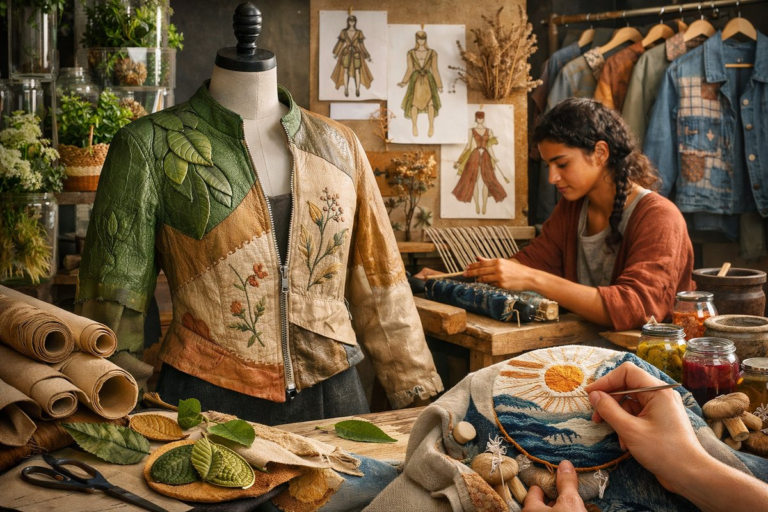
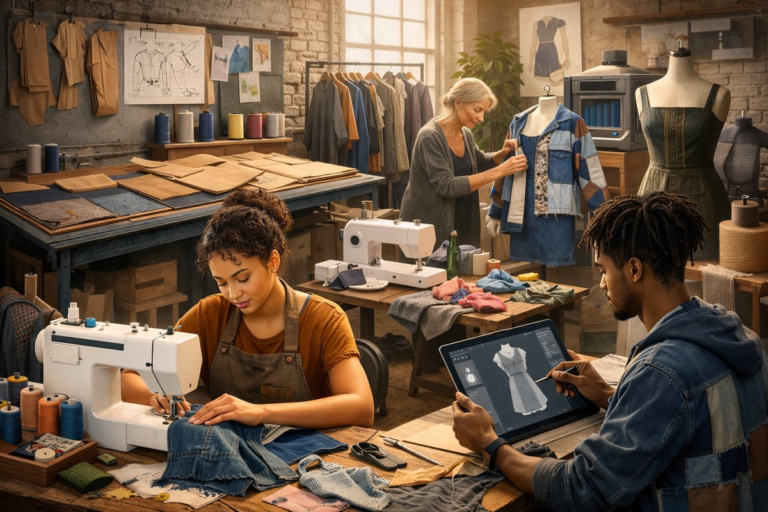
Once a match is made, the platform facilitates local pickup arrangements or drop-off points at community hubs such as libraries and co-working spaces. Makers can offer upcycling options ranging from simple patchwork repairs to fully reimagined pieces-think turning an old denim jacket into a two-tone bomber or repurposing vintage scarves into quilted patchwork skirts. In-app messaging keeps both parties informed on design drafts and pricing, with LoopWardrobe taking a modest commission only after each transaction completes.
Founders say the inspiration came from witnessing piles of textiles accumulate in donation centers, while talented home sewists often lacked a consistent customer base. “We wanted to connect these complementary needs in a way that builds skills, fosters neighborhood ties, and shrinks the carbon footprint of our closets,” explains the team’s lead product strategist, who previously oversaw sustainability initiatives at a major online marketplace.
Within its first month, LoopWardrobe claims to have onboarded more than 8,500 members across five pilot cities, including Berlin, Portland, and Kyoto. Early analytics suggest each transaction diverts up to five pounds of textile waste. At that rate, the platform’s founders project preventing nearly 50 tons of fabrics from landfill in the first quarter alone-an encouraging sign for environmental advocates tracking the fashion industry’s footprint.
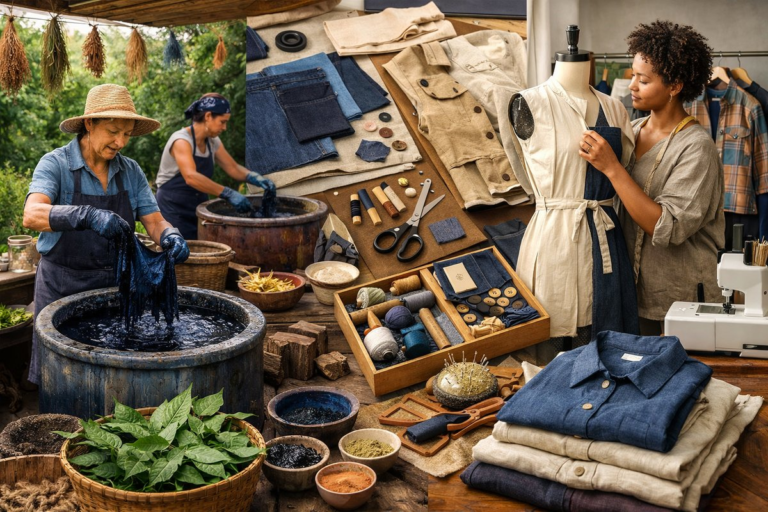
Local makers report that the platform isn’t just about sustainability but also a pathway to new revenue streams. One Los Angeles-based seamstress recounts transforming a closet-clearout request into a capsule collection of upcycled eveningwear, which sold out at a community pop-up event. The project’s success helped her justify investing in a natural fiber dye kit, enabling artisanal color palettes using recycled plant pigments.
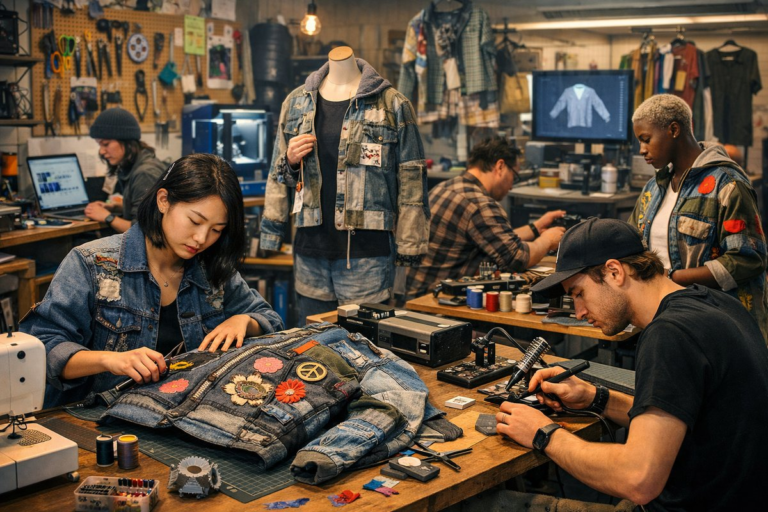
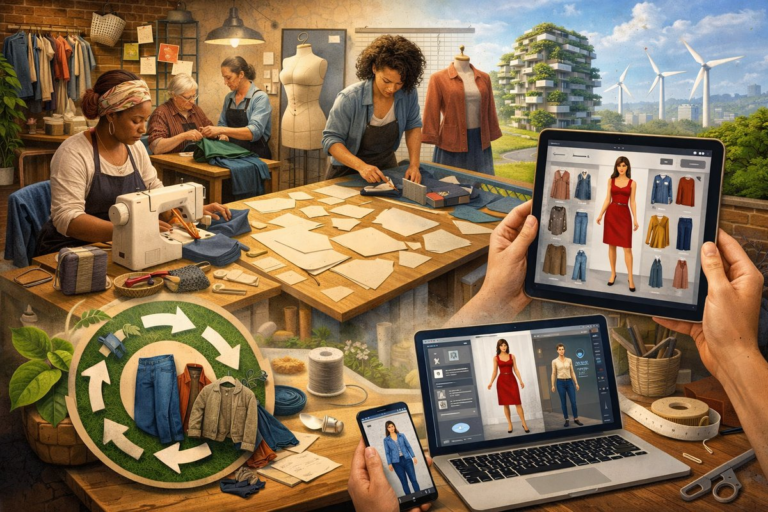
LoopWardrobe’s underlying technology draws on computer vision models trained on open-source fabric datasets. By processing images on users’ devices, the app reduces backend energy consumption while improving data privacy. It also streamlines pattern drafting by generating editable digital templates that makers can modify in common design software or print on demand. This strikes a balance between DIY-minded creatives who prefer hands-on pattern cutting and tech-savvy designers seeking rapid iteration.
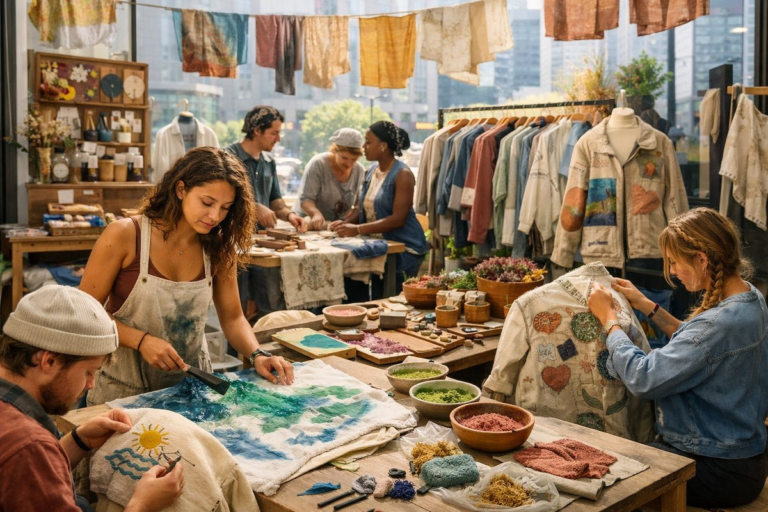
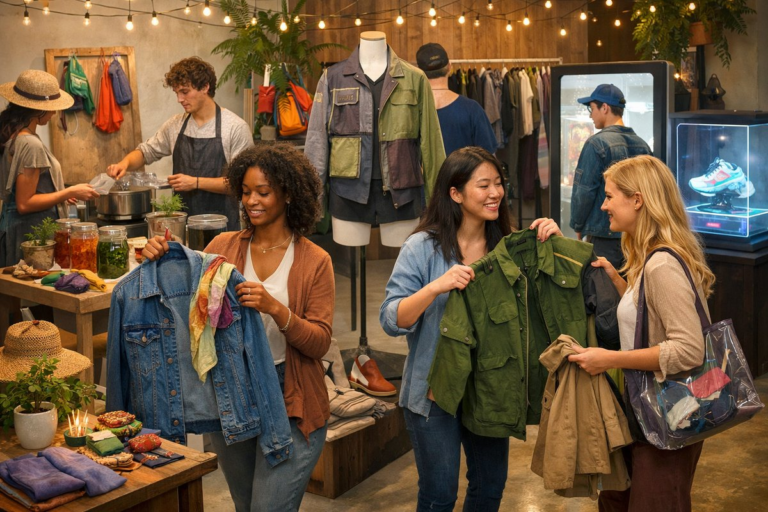
Beyond individual upcyclers, the platform has begun forging partnerships with community sewing workshops and sustainable fashion pop-ups. These collaborations open opportunities for hands-on skill shares, material swaps, and joint showcases where reimagined garments can reach wider audiences. A series of weekend meetups in Barcelona and Vancouver will include skill-building sessions in dyeing techniques, patchwork quilting, and zero-waste pattern drafting.
Investors familiar with circular economy startups say LoopWardrobe stands out for integrating community engagement with practical tools. Unlike one-off donation drives or purely digital resale marketplaces, this model stitches together makers, material flows, and locality. It leverages the growing interest in slow fashion-where consumers seek transparency and creative customization over the anonymity of mass-market labels.
Policy experts note that the timing aligns with stricter regulations emerging worldwide. The European Union’s Waste Framework Directive now encourages member states to adopt reuse and repair targets for textiles. Meanwhile, several U.S. states are considering extended producer responsibility bills that would require garment producers to finance collection and recycling systems. Apps like LoopWardrobe could offer ready-made infrastructure for meeting these mandates.
Critics caution that scaling such hyperlocal models poses logistical challenges. Coordinating pickups, maintaining quality control across hundreds of independent makers, and ensuring fair pricing in varied markets can become complex as user numbers rise. LoopWardrobe’s founders acknowledge these hurdles and plan to introduce automated routing algorithms, in-app quality assurance checklists, and localized price benchmarks to guide both makers and customers.
In practical terms, users eager to try the service should start by auditing their wardrobe for pieces needing repair, resizing, or aesthetic updates. High-value fabrics-like linen shirts, denim jackets, or silk scarves-often fetch the best upcycling rates, while heavily worn tees can be cut into patchwork squares or reimagined as layered accessories. Beginners might pair leftover scraps with simple sewing tutorials available through the platform’s resource library.
For makers, LoopWardrobe recommends setting up a dedicated workspace equipped with essential tools: a reliable handheld steamer for smoothing fabrics, a precision cutting mat, and a selection of natural dyes to offer custom coloration. The app’s digital templates support standard home sewing machines, but professionals can integrate patterns directly into industrial or tabletop cutting devices for higher volume work.
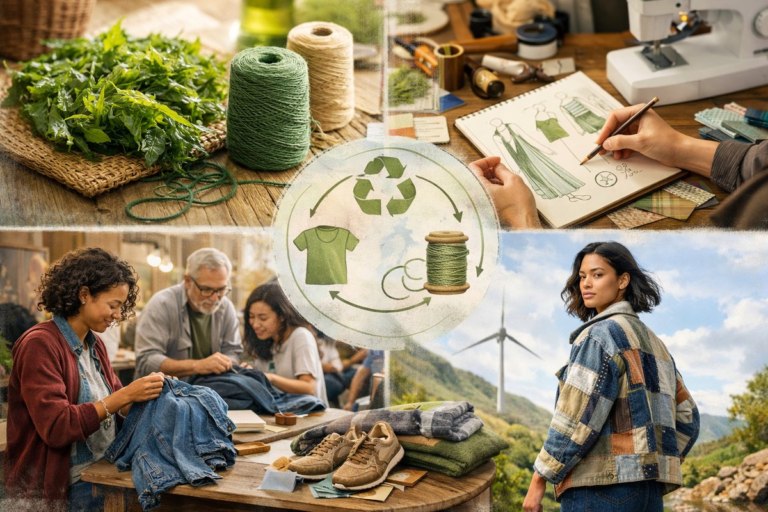
As the upcycling movement gains momentum, platforms like LoopWardrobe illustrate how technology can enhance, rather than replace, traditional craftsmanship. By facilitating new material flows and nurturing local creative ecosystems, they offer a blueprint for turning on-trend headlines about circular fashion into everyday wardrobe rituals. If the early numbers hold, this peer-to-peer upcycling revolution could prove to be more than a niche pastime-it might become a cornerstone of tomorrow’s sustainable apparel economy.
With global textile waste topping tens of millions of tons annually, community-driven solutions are no longer optional extras but vital components of a resilient fashion future. LoopWardrobe’s founders envision a network of micro-studios where neighbors trade fabrics and expertise, reinforcing social bonds while lightening our collective environmental load. For anyone intrigued by the prospect of transforming old T-shirts into trendsetting statements, the app opens a door to functional creativity-and a shared wardrobe that truly reflects our values.