Location
Mount Vernon, WA 98274

Location
Mount Vernon, WA 98274
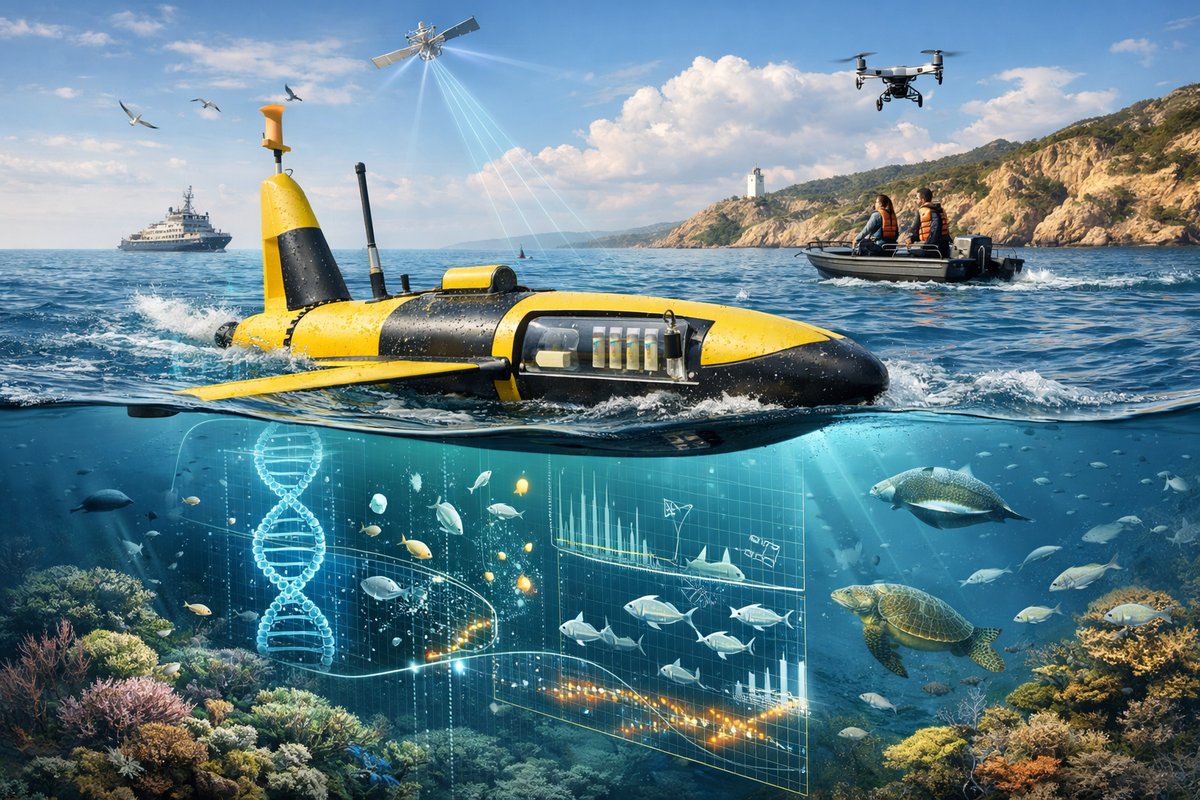
A new generation of autonomous ocean gliders equipped with acoustic sensors, environmental DNA samplers, and microplastic detectors is transforming how scientists map coastal biodiversity. By blending real-time AI analysis with citizen-driven data collection, researchers are uncovering hidden patterns that could reshape conservation strategies.
The world’s coastlines are changing faster than ever. Rising temperatures, shifting currents, and the steady influx of pollutants create a dynamic environment that challenges traditional survey methods. Researchers have long relied on ships and stationary buoys to collect snapshots of water quality, species presence, and noise pollution. These approaches, however, can be expensive, time-consuming, and spatially limited. A new wave of innovation is rising to meet these challenges: fleets of autonomous ocean gliders and floaters that can carry a suite of sensors on extended missions, gathering continuous data across hundreds of square kilometers.
Rather than dispatching a single vessel for a week and hoping conditions align, researchers now deploy swarms of self-piloting gliders programmed to follow underwater highways. Each glider is about the size of a surfboard, with buoyancy chambers and wings that convert vertical motion into horizontal glide. Onboard modules include hydrophones for recording acoustic signals, environmental DNA samplers that collect biological traces for genetic analysis, and microplastic detectors that measure particle density and size. In just one patrol, a swarm can track migrating whales by their calls, detect invasive jellyfish blooms from DNA fragments, and pinpoint microplastic eddies swirling near river mouths.
The acoustic monitoring setup has undergone a revolution of its own. Traditional microphones pick up a continuous soundscape-ship engines, snapping shrimp, whale songs-but require manual processing to distinguish species and noise sources. By integrating AI-driven classifiers directly on the glider’s microprocessor, each acoustic snippet is tagged with an estimated source and geographic position in real time. A humpback whale call, a tuna school’s reef chatter, or the drone of a cargo freighter all become data points on a map rather than hours of audio to sift through later. Remote operators receive a live feed of tagged sounds, allowing them to adjust mission parameters on the fly, perhaps directing a glider toward an uncharted whale pod based on an unexpected burst of low-frequency pulses.
Environmental DNA sampling has likewise entered a new era of portability. A miniature pump draws in seawater through a fine filter, trapping cells and extracellular genetic material shed by fish, plankton, and bacteria. Instead of freezing samples aboard a ship for lab analysis, these filters are preserved in a stabilizing solution that retains DNA integrity for weeks at ambient temperatures. Once returned to shore, the filters undergo rapid DNA barcoding, revealing species lists from microscopic copepods to rare coastal sharks. The result is a biodiversity inventory that can be updated after every glider mission, offering near-real-time insights into ecosystem shifts or the arrival of nonnative species.
Microplastic detection on autonomous platforms depends on precise optics and fluidics. A dedicated flow cell draws in water and passes it through an array of laser-diode light sources. Scattered light patterns reveal particle size distributions, while onboard image-processing algorithms estimate polymer types based on refractive signatures. For the first time, gliders can map not just microplastic concentrations but also infer the sources-whether fibers from urban wastewater, microbeads from personal care products, or degraded fragments of fishing gear. Coupled with ocean current models, these measurements have identified surprising accumulation zones far from shore, sparking targeted cleanup efforts and policy discussions on limiting plastic inputs.
Last summer, a coordinated deployment off the Gulf Coast demonstrated the power of integrated sensing. Six gliders fanned out across a 200-square-kilometer block of continental shelf. Over a three-week mission, they logged more than 30,000 acoustic events, captured over 1,500 environmental DNA filters, and recorded continuous microplastic readings at 10-minute intervals. The combined data painted a detailed picture of how seasonal freshwater discharge from a major river altered local species assemblages, introduced pulses of agricultural runoff, and carried microplastics hundreds of kilometers into the open sea.
Beyond institutional research teams, citizen science programs have begun borrowing these tools. Volunteers can assemble simplified versions of the glider’s sensor suite at home using open-source hardware designs and readily available components. Coastal communities then lend their vessels or docks for periodic deployments. Data flows into a shared cloud platform where volunteers can track progress, see live maps of marine mammal calls, and explore the spread of microplastic hotspots. This democratization of marine monitoring not only expands coverage but also fosters public engagement and stewardship.
All of this data demands thoughtful visualization. Interactive maps overlay sound intensity contours with species detection markers, contaminant plumes, and current vectors. Users can animate temporal changes, watching schools of fish migrate or microplastic concentrations fluctuate with tidal cycles. Policy makers leverage these visualizations to draft targeted regulations on coastal development, agricultural runoff, and plastic waste management. For instance, red zones of persistent microplastic accumulation prompted new restrictions on fishing net disposal in certain sectors, while spikes in DNA-detected harmful algal species spurred localized advisories for shellfish harvesting.
Privacy and sustainability values are woven into every step. Gliders are programmed to avoid marine mammal core habitat zones unless explicitly needed, reducing disturbance. Data on vessel noise is anonymized to protect sensitive shipping routes. Materials chosen for sensor modules prioritize recyclability and low environmental impact, ensuring that end-of-life disposal does not create new marine debris. Software and hardware designs are shared under open-source licenses, promoting transparency and enabling adaptation for diverse coastal communities.
Looking ahead, researchers envision integrating satellite communications and edge-AI to create truly self-directing ocean observers. Future gliders might detect an unusual acoustic event, confirm it with an eDNA signature, and autonomously adjust course to investigate further-all before a human operator even sees the alert. Networks of these smart vehicles could roam remote polar seas or tropical archipelagos, filling critical gaps in our understanding of under-sampled environments.
The confluence of robotics, molecular biology, and artificial intelligence marks a turning point in marine science. As these swarms of underwater sentinels patrol our coasts, they promise to reveal hidden currents of life, illuminate the pathways of pollution, and guide more effective stewardship of the world’s waters. In an era of accelerating change, this blend of curiosity, precision, and technological curiosity invites us to listen more closely to the ocean’s hidden symphony and to act boldly on what we discover.
Whether you’re a lifelong learner captivated by the deep or a coastal community seeking to protect your shoreline, the unfolding story of autonomous marine monitoring offers a compelling glimpse into how science can inform and inspire. By harnessing the synergy of innovative sensors and community engagement, we can chart a course toward healthier oceans and a deeper appreciation for the delicate patterns that bind life beneath the waves.