Location
Mount Vernon, WA 98274

Location
Mount Vernon, WA 98274
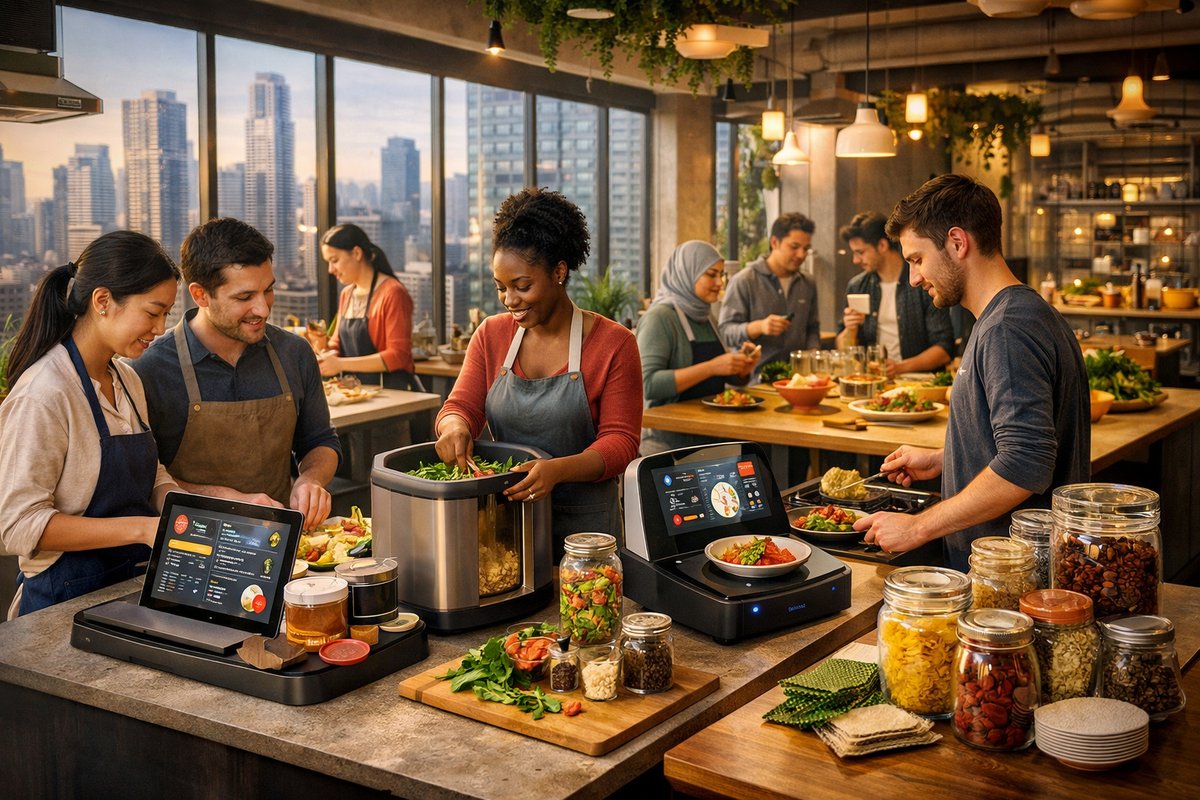
Across global metropolises, collaborative cooking spaces and smart flavor tools are transforming how we prepare and share meals. From AI-driven personalization to ingredient upcycling and zero-waste packaging, these five emerging currents point toward a future of culinary co-creation that's as sustainable as it is social.
In the heart of a repurposed warehouse district, a dozen home chefs gather around stainless steel workstations, sharing spices, gadgets and whole jars of homemade hot sauce. This is more than a co-working space-it’s a communal kitchen, one of hundreds now operating in major cities from Berlin to Buenos Aires. As real estate pressures push restaurants and home cooks alike to get creative, communal kitchens are flourishing, promising new ways to collaborate, reduce waste and multiply culinary ideas.
What started as a cost-saving solution for small-scale caterers and food entrepreneurs has evolved into a fertile ground for experimentation. Residents rent hourly slots on shared induction cooktops, high-capacity ovens and dedicated fermentation stations. In this setting, a classically trained pastry chef might partner with a street-food aficionado to infuse croissants with spicy kimchi, while a vegan baker works alongside a butcher Turner to test plant-based cuts seasoned with upcycled coffee grounds. The result is an electric atmosphere of peer-to-peer learning, where cultural boundaries dissolve in the steam of dumplings and the hiss of searing tofu.
Driving the next wave of personalized flavor profiles is artificial intelligence. AI recipe generator apps now harness massive flavor databases and user-supplied preferences to craft hyper-tailored meal plans. Diners can input dietary needs, favorite cuisines, even mood descriptors like “cozy” or “adventurous,” and receive recipes optimized for taste and nutrition. Early adopters report that AI-suggested spice pairings-unconventional combinations such as gochujang and cardamom or coconut vinegar and rosemary-have opened new culinary doorways.
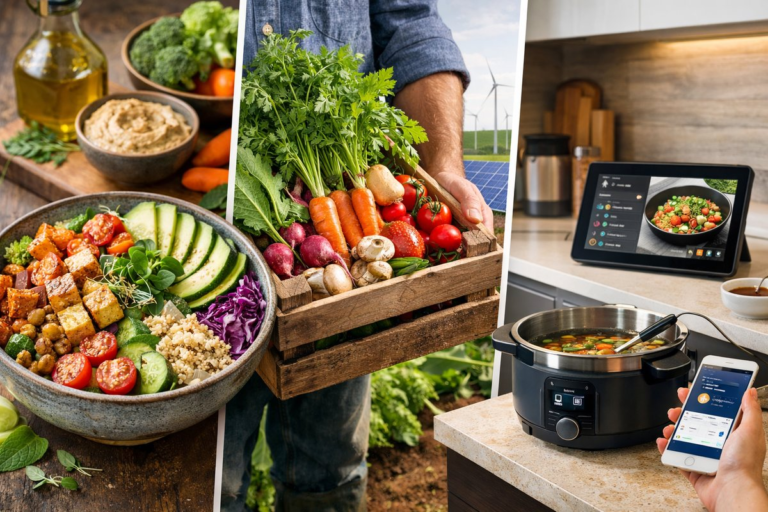
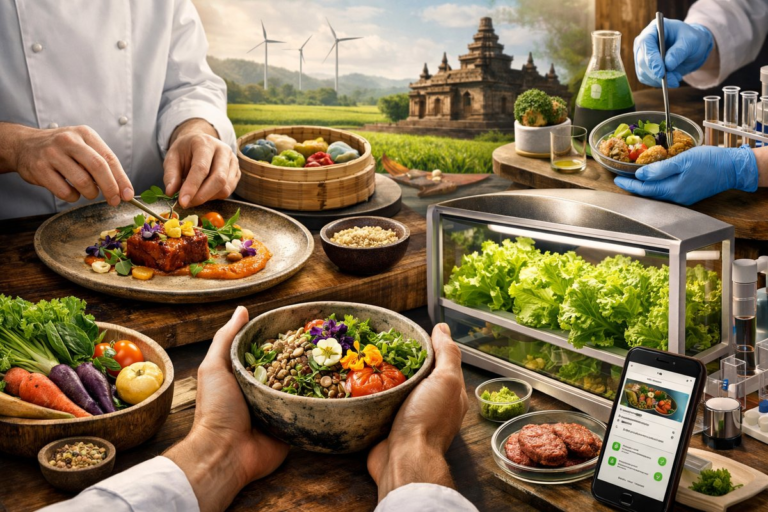
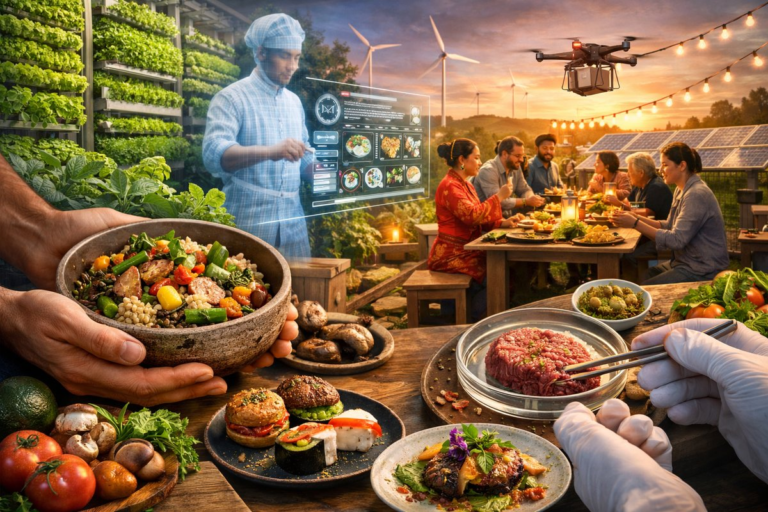
In some tech-savvy kitchens, voice-activated virtual assistants guide cooks through each step, adjusting timers and temperatures on smart induction burners. Connectivity between scales, thermometers and ovens creates a “kitchen orchestra,” automatically calibrating cooking times based on ambient conditions and ingredient weight. These digital integrations are no longer a gimmick; they’re increasingly core to professional and home kitchens aiming for consistency and experimentation at scale.
Sustainability has become a linchpin of modern cooking culture, and upcycling ingredients is emerging as a practical art. Refill markets have embraced package-free spice blends and oil dispensers, while specialty shops harvest “ugly” fruits and vegetables that would be discarded by wholesalers. Tomatoes with blemishes, oddly shaped carrots and slightly overripe bananas now reappear on menus as charred gazpacho, spiralized noodles and decadent banana fermentation projects. Zero-waste caterers will often host pop-up dinners featuring nose-to-tail or root-to-stem menus, presenting guests with crispy kale chips made from full stalks and steaks seared using rendered fat saved from earlier services.
Parallel to upcycling is the rise of edible packaging and climate-resilient ingredients. Festivals and food halls are piloting edible cutlery molded from grain byproducts, while bistros in drought-prone regions experiment with algae-based pasta. Farmers’ markets now include stalls offering milled cricket powder and chickpea-based waffles as protein-dense alternatives, catering to adventurous eaters and sustainability advocates alike. These shifts may feel radical, but they echo centuries-old traditions of frugality and resourcefulness, updated for our age of ecological urgency.
The boundaries between street food and high gastronomy are also blurring. In Tokyo, a Michelin-starred chef recently opened a late-night izakaya inside a former ramen stall, serving artfully plated skewers adapted from decades-old family recipes. Meanwhile, a London pop-up is pairing pinchos from Basque Country with molecular foam, inviting diners to sample small-plate art in shipping-container venues. The secret to success isn’t luxury ingredients but narrative authenticity: telling stories through a single bite of kimchi-laced taco or rose-petal sorbet enlivened with sea salt harvested from a nearby salt farm.
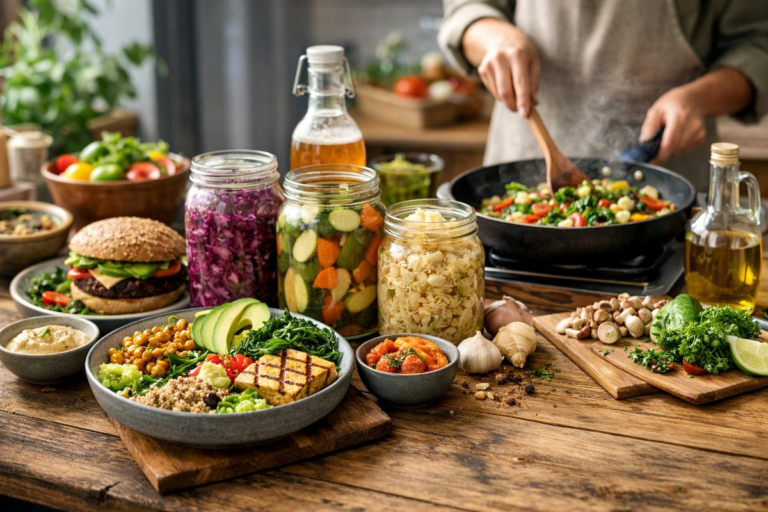
At home, fermentation has become a weekend ritual for many. Traditional crocks with airlocks are selling out faster than supply chains can refill, and smart fermentation monitors now let hobbyists track pH changes and temperatures remotely via mobile apps. Whether crafting lacto-fermented pickles on a city balcony or digitizing kombucha batches in a suburban basement, home brewers are rediscovering the meditative, slow-food side of cooking-one that invites curiosity and patience, even in a world of instant gratification.
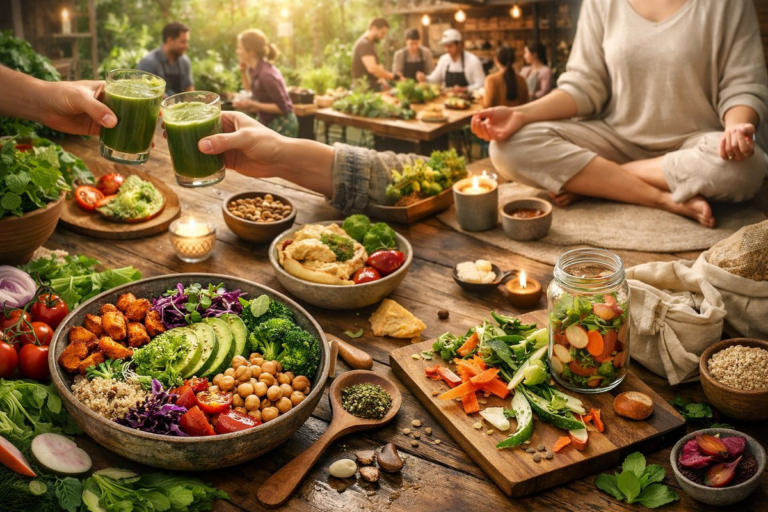
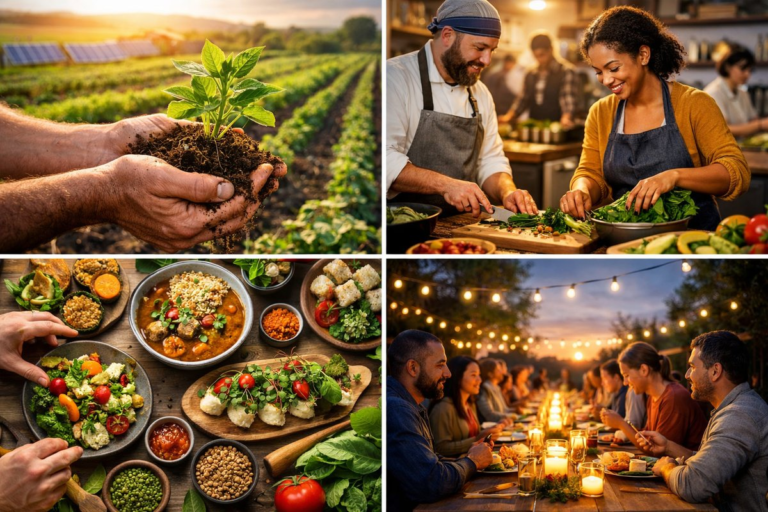
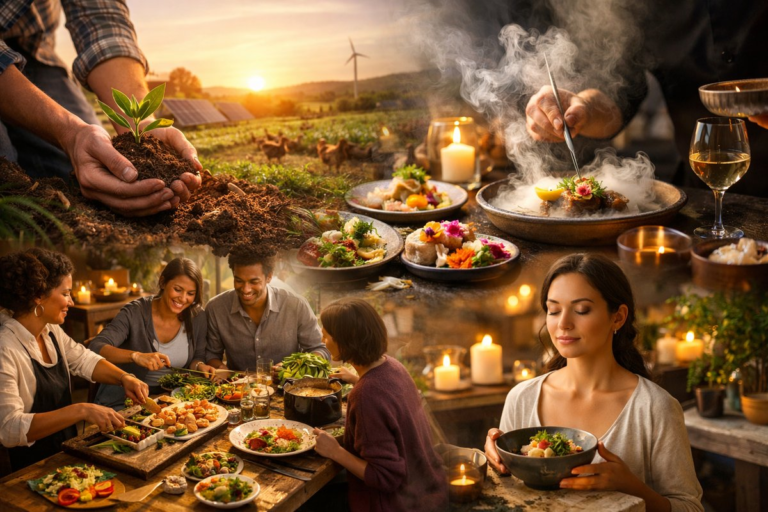
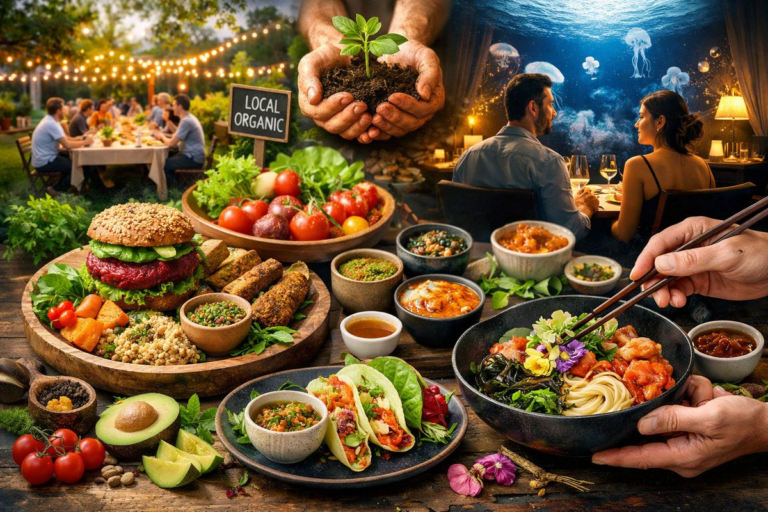
Throughout these innovations, the social dimension remains at the core. Community dinners-whether in rooftop greenhouses or subterranean speakeasy dinners-celebrate cultural exchange and sustainable practices. Diners are invited to chop vegetables alongside the harvest crew, weigh seeds for next season’s plantings or taste and vote on new spice blends before official menus roll out. These immersive interactions fulfill a collective desire to know where our food comes from, who prepares it and how each ingredient contributes to the planet’s well-being.
As the calendar pages turn, culinary co-creation shows no signs of slowing down. Next season, look for virtual reality tastings that simulate farm visits, biofabricated cheese made from plant-sourced proteins, and subscription-based seed libraries that empower home growers to cultivate rare and resilient produce varieties. The kitchen of tomorrow will be as much about ideas, networks and shared purpose as it is about heat, flame and flavor.
In the end, these emerging currents reconnect us to a fundamental truth: food isn’t merely fuel or entertainment, but a means of weaving community and sustenance together. Whether you’re co-cooking with strangers in a converted loft or fine-tuning spice ratios with an AI assistant, today’s culinary trends remind us that the most enriching meals are those created in collaboration-with ingredients, with tools and, above all, with each other.