Location
Mount Vernon, WA 98274

Location
Mount Vernon, WA 98274
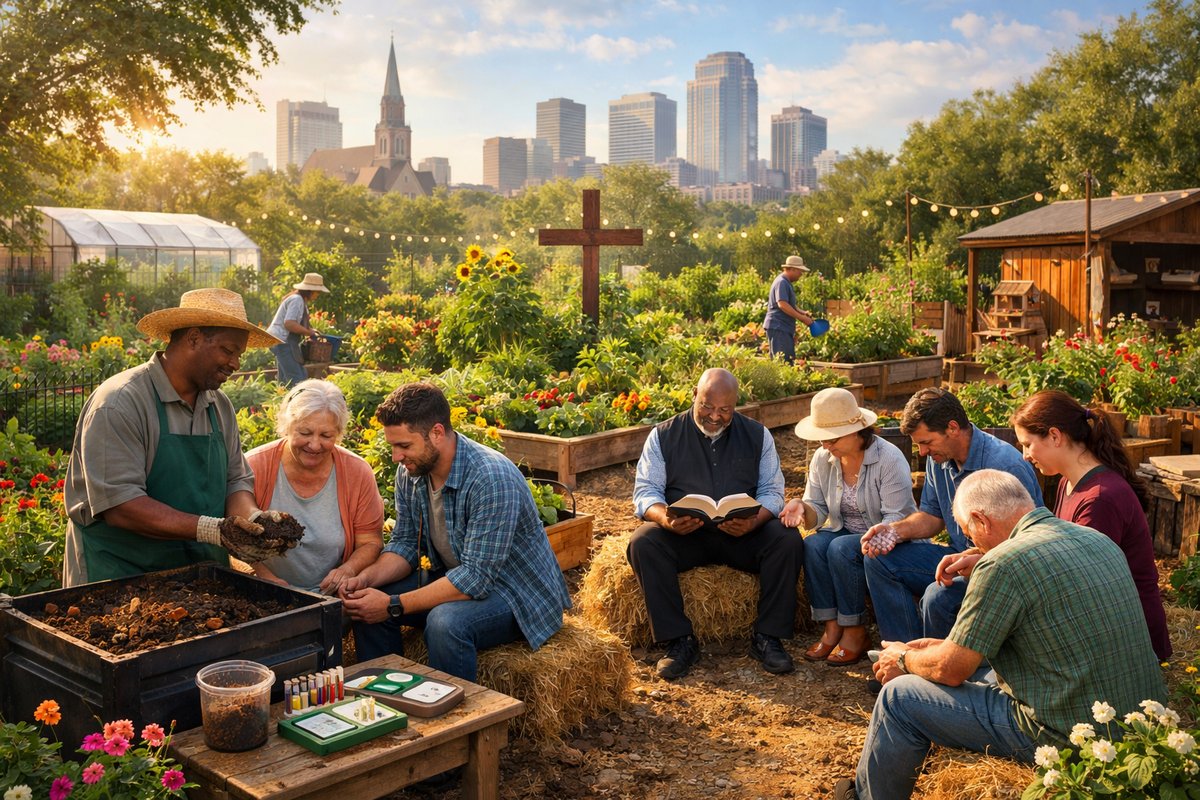
Across several U.S. cities, Christian congregations are transforming vacant lots into thriving gardens that feed neighbors and nourish spirits. With compost workshops, soil-testing kits, and shared devotionals among the rows, faith communities see these plots as places of prayer, service, and environmental stewardship.
A once-empty lot in Southside Chicago is now a tapestry of tomato vines, sunflowers, and prayer flags. At dawn on a recent Saturday, members of the neighborhood church gathered for the opening blessing before trowels hit the soil. For pastor-gardener teams from Detroit to Atlanta, these urban plots are more than sources of fresh produce-they are living sermons on care, community and climate resilience.
Urban agriculture has gained momentum nationwide: the USDA’s 2017 Census of Agriculture identified over 8,000 urban farms and community gardens, a 15 percent increase since 2012. Driven by concerns over food deserts and environmental justice, Christian congregations are leading a wave of faith-inspired gardening initiatives. From donating weekly harvests to partnering with food pantries, they see edible landscapes as bridges between worship and action.
At St. Mark’s Church in Detroit, the Community Gardens Initiative began two years ago with a single raised bed. Today, a former parking strip hosts 12 beds, a communal compost bin and a half-acre orchard. Volunteers of all ages call it “God’s green cathedral.” During summer services, congregants carry baskets of kale and cucumbers to the front pew, offering them as symbols of gratitude and generosity.
“I never thought I’d find prayer in a soil test,” laughs Michelle Turner, the project coordinator. When volunteers measure pH levels and amend the earth with lime or organic compost, they draw parallels to spiritual nourishment. “Just as we adjust soil to help plants flourish, we reflect on what shapes our own growth-kindness, patience and hope.”
Scientific partners have joined the effort. A local university’s agricultural extension program provides free workshops on seed selection and natural pest control. Soil-testing kiosks let gardeners check nutrient levels, while smartphone apps help track watering schedules and sun exposure. Turner says the blend of faith talk and data-driven gardening draws younger participants who crave both spiritual roots and hands-on impact.
In Atlanta, the Good Samaritan Project launched a greenhouse on the property of Grace Fellowship Church. Its mission extends beyond fresh produce: the greenhouse hosts weekly “Talk & Turn” meetings where farmers exchange tips alongside short devotionals. Participants pore over organic pest remedies while reflecting on parables about sowing and reaping. Produced harvests go to seniors in low-income housing and to shelters that could not afford fresh vegetables on their tight budgets.
Beyond urban cores, rural churches are converting underused land to community farms. Covenant Fellowship in Tennessee turned an old baseball field into a six-acre plot growing sweet potatoes, peppers and squash. Revenue from farmers’ market sales covers water infrastructure and tools, and leftover income supports the church’s youth mission trips. Lead volunteer James Park describes the farm as “stewardship in action”-a way to honor the Creator’s provision while reaching neighbors who struggle with hunger.
Experts see multiple benefits: urban gardens reduce heat islands, absorb stormwater and foster social capital. A 2022 study by a Midwest nonprofit found that neighborhoods with community gardens reported 20 percent fewer violent incidents and a 12 percent increase in residents’ perceived well-being. Church leaders note how tending to plants becomes a metaphor for layered spiritual work-pulling weeds, planting seeds, watering faithfully and waiting patiently for growth.
Some congregations are experimenting with faith-based environmental education for children. After Sunday school, second graders at Grace in Atlanta carry watering cans to the greenhouse, reciting a short prayer before each row. Teachers incorporate biblical themes-roots, branches, fruit-and tie the lessons to science standards. One parent marvels that her daughter now pronounces “photosynthesis” with ease and understands why stewardship connects to scripture passages on creation care.
These intergenerational gardens also build bridges across differences. In Chicago’s Southside lot, neighbors from multiple ethnic backgrounds share space and stories. While harvesting sweet peppers, volunteers recall recipes from their homelands-bibingka bread, calypso jollof rice, heirloom tomato salads. The church offers translation for devotionals, making faith talk accessible to all. The garden has become an inclusive sanctuary where shared labor breaks down walls of misunderstanding.
Sustainability is central. Compost bins turn church kitchen scraps and fallen leaves into rich soil amendments. A rain-harvesting system funnels rooftop runoff into barrels, reducing water bills and minimizing strain on city storm drains. Solar grow-lights in an adjacent shed nurture seedlings during early spring chill. Volunteers host quarterly “Green Fellowship” meetings to review metrics-compost yields, water saved, pounds of vegetables donated-and plan next steps.
Church networks are taking note. A denominational task force on environmental stewardship circulated a webinar this spring on replicating urban garden models. Pastors from coast to coast virtually toured plots in Portland, Seattle and Philadelphia, comparing soil mixes and worship integration strategies. Some congregations have even launched micro-grants to help smaller churches start their own green ministries.
The impact extends beyond produce totals. One Detroit resident says the garden taught her to pray out loud for the first time as she tended basil plants. In Atlanta, a retired schoolteacher found renewed purpose co-leading a greenhouse devotion group. For many, the act of planting has sparked deeper conversations about caring for creation and caring for one another.
Critics caution that such efforts can become unfocused if not tied back to core services like housing, food pantries and counseling. But advocates argue that community gardens are complementary-offering hands-on, visible demonstrations of faith in practice. By inviting neighbors to sow side by side, churches are living out a gospel of hospitality and shared responsibility.
As the growing season progresses, new plots are breaking ground in Buffalo, Louisville and Albuquerque. With partnerships forming among faith communities, nonprofits and universities, the movement is poised to cultivate thousands more urban and suburban sanctuaries of green. Whether blessing fresh cilantro at the altar or teaching children to marvel at a bean sprout unfurling, these gardens are sowing seeds of faith, hope and resilience.
Across all of these sites, participants repeatedly stress that true harvest goes beyond vegetables. It’s found in community bonds, in young people learning to value creation, and in moments of stillness by a row of ripening grapes. For the many who believe that grace is both gift and call to action, these Christian urban gardens are proof that with faith, even a handful of soil can yield abundance far richer than the eye can see.