Location
Mount Vernon, WA 98274

Location
Mount Vernon, WA 98274
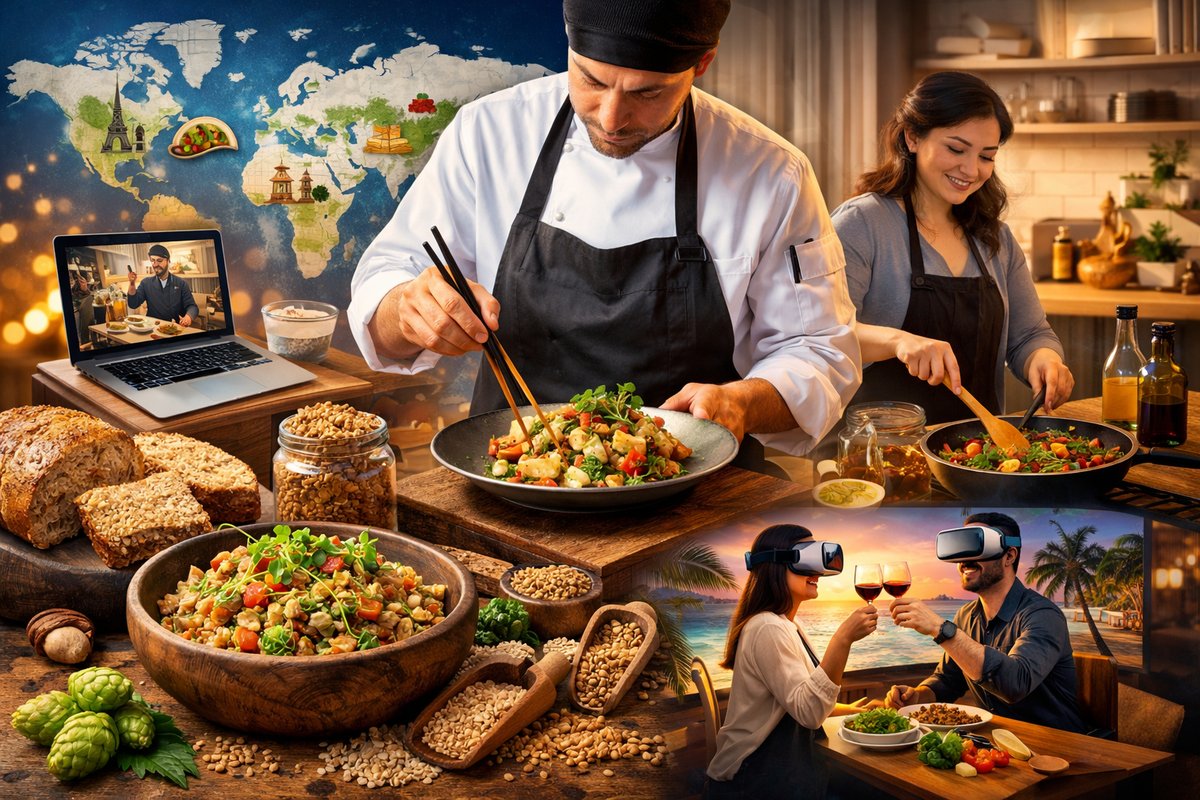
From upcycled grains to virtual dining rooms, a new wave of culinary creativity is reshaping how we source, prepare, and share meals. Chefs, home cooks, and tech entrepreneurs alike are embracing sustainable practices, global fusion, and digital experiences that celebrate both tradition and innovation.
In kitchens around the world, a quiet revolution is unfolding. Home cooks and professional chefs alike are reimagining ingredients once seen as waste, exploring flavors from distant lands, and inviting audiences into immersive digital dining experiences. Driven by heightened environmental awareness and a renewed desire for human connection, today’s culinary trends blur the lines between sustainability, culture and technology. What began as small experiments in urban test kitchens has grown into a global movement, one where every grain, leaf and pixel can be harnessed to craft meaningful meals and memories.
One of the most remarkable shifts is the embrace of upcycled ingredients-byproducts from food and beverage production rescued from landfills and elevated on the plate. Spent grain from brewing, fruit pulp from cold-pressed juice makers, and vegetable peels once destined for compost are now finding new life in crackers, granolas and hearty loaves. Early adopters praise the nutty, roasted undertones these ingredients deliver, along with the satisfaction of closing the loop on waste. In several coastal communities, bakeries are partnering directly with local breweries to transform malted barley residue into rustic breads, while juice bars turn citrus presses’ discarded rinds into tangy sugar-free marmalades. Beyond flavor, this approach slashes landfill contributions and embodies a more responsible mindset toward our food systems.
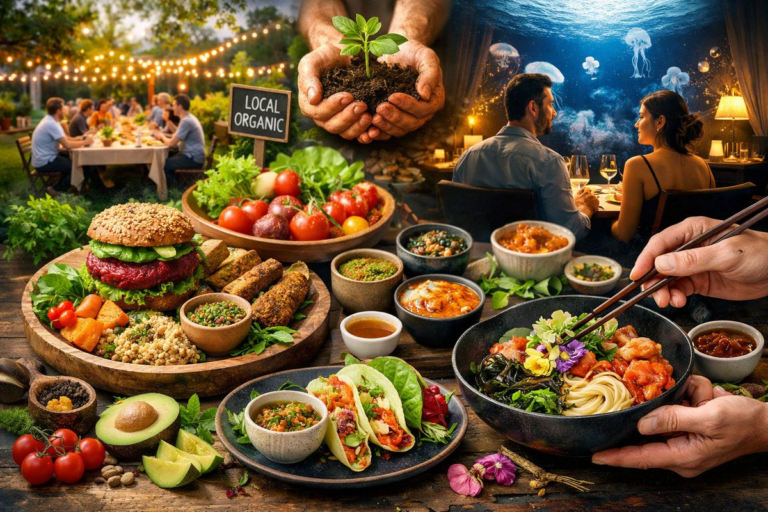
Parallel to upcycling, plant-forward fusion has emerged as a defining feature of modern menus. Chefs are weaving together spice blends from West Africa, fermented sauces from East Asia and indigenous grains like teff or fonio to craft dishes that defy geographic boundaries. Think hearty chickpea-cauliflower tagine enriched with preserved lemon, or black rice sushi rolls paired with miso-marinated root vegetables. This creative mashup honors ancestral techniques while spotlighting underrepresented crops. Community cooking workshops have popped up in urban neighborhoods, where participants share family recipes alongside discussions of seasonal sourcing, creating a vibrant tapestry of cross-cultural exchange that challenges our palate to expand beyond familiar comfort foods.
Beverage innovation has followed suit, evolving into a frontier of functional elixirs and zero-proof cocktails designed for wellness-minded drinkers. Adaptogenic tonics infused with ashwagandha or reishi mushrooms are finding their way into craft mocktails, while nitro cold-brew coffee blends pair garden-fresh herbs like rosemary or lemon verbena. Home bartenders are installing in-kitchen carbonation systems to experiment with rare botanicals, and local cafes are hosting “wellness hour” tastings of herbal infusions that support digestion or promote mental clarity. These drinks simultaneously celebrate age-old traditions-from ayurvedic ginger toddies to European shrub syrups-and cater to the growing number of diners seeking mindful, health-forward alternatives to alcohol and sugar-laden sodas.
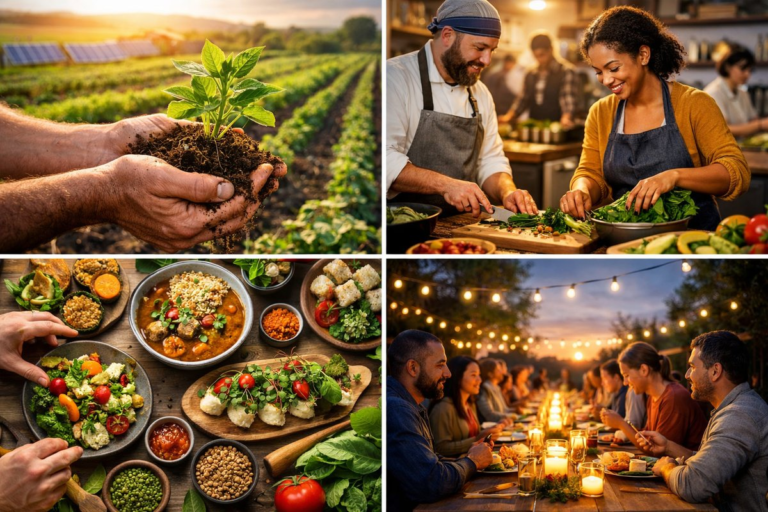
Climate-smart cooking sits at the heart of this culinary renaissance. More recipes than ever emphasize low-carbon proteins-legumes, mushrooms and sustainably farmed seafood-alongside seasonal vegetables harvested within a few miles of the plate. Solar ovens and rocket stoves, once niche off-grid solutions, are showing up at eco-retreats and backyard gatherings, offering proof that sunlight and small twigs can replace fossil fuels in slow-cooking braises or baking bread. Urban rooftop gardens and microfarms supply restaurants with ultra-fresh produce, reducing transport emissions while establishing direct relationships between growers and chefs. For home cooks, monthly produce boxes curated by agricultural co-ops are an invitation to try unfamiliar crops like kohlrabi or sunchokes, deepening our understanding of local terroirs and growing methods.
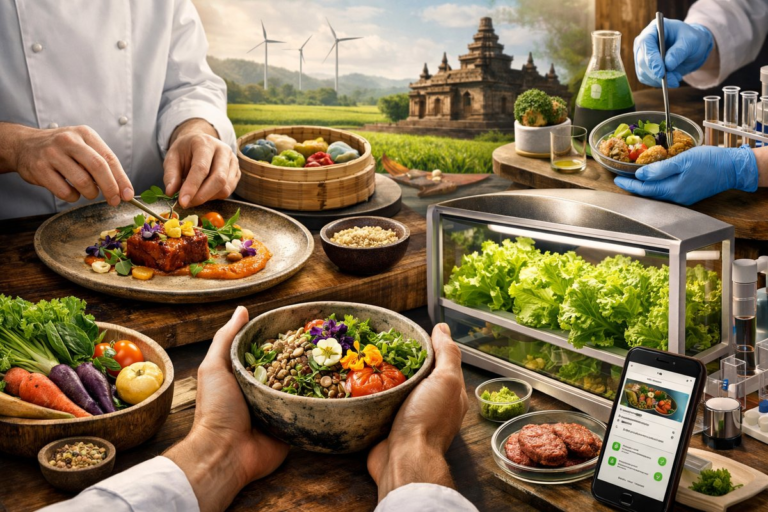
As meals migrate beyond physical dining rooms, digital table experiences are redefining what it means to share food. Live-streamed cooking classes, hosted by chefs from all corners of the globe, now draw audiences in the tens of thousands. Patrons tune in not just to replicate recipes but to witness the stories behind them-the childhood kitchens in rural valleys, the family recipes passed down through generations. Augmented reality menus are under development for fine-dining establishments, letting guests explore ingredient origins and preparation steps via smartphone overlays. In winter months, virtual supper clubs pair strangers from different continents, each cooking the same curated meal kit to savor together over video chat. These digital gatherings foster a sense of global community, proving that even across time zones, food remains a potent connector.
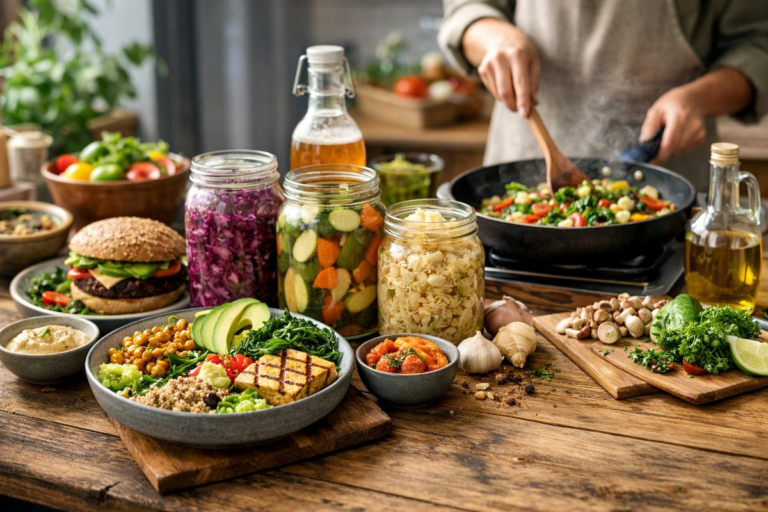
Anchoring many of these trends is a renaissance of fermentation. From micro-fermentation vessels perfect for a single batch of kimchi to kombucha as a mixer in signature cocktails, the art of controlled microbial transformation is everywhere. Home fermenters are experimenting with koji-a mold-based starter used in sake and miso-to create umami-rich pastes for marinades, while sourdough revivalists champion heirloom wheat strains that offer distinct flavor profiles and nutritional benefits. Fermentation labs in metropolitan areas are hosting tasting events where aficionados can sample everything from garum-inspired fish sauces to coconut water kefir. This return to slow, transformative methods is a counterpoint to convenience culture, reminding us that patience and microbial mastery can yield deeply resonant tastes.
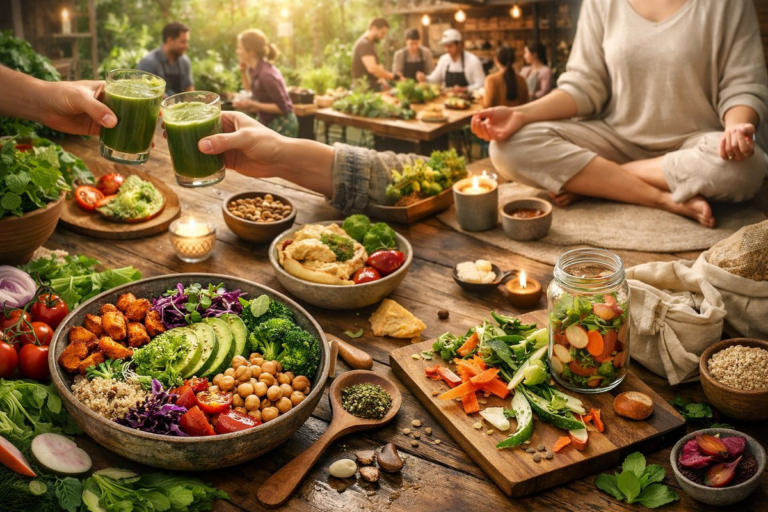
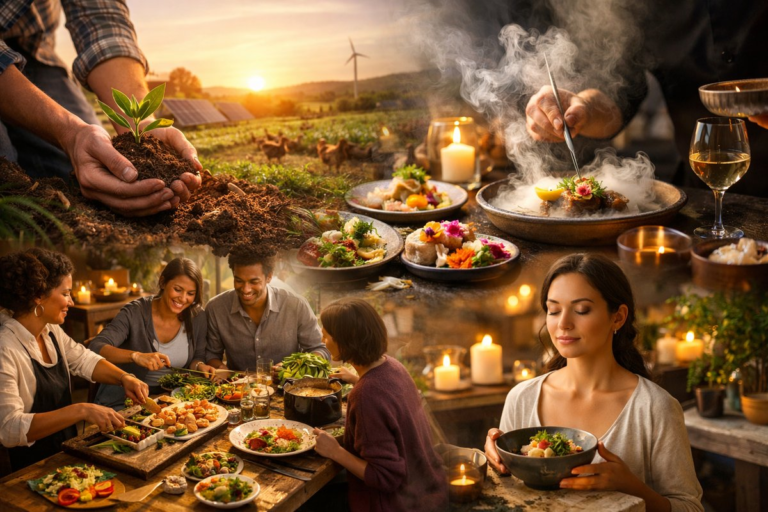
Yet despite all this innovation, the emotional core of eating remains unchanged: the joy of gathering around a table and sharing nourishment with others. Pop-up supper clubs on rooftops and in repurposed warehouses foster fleeting intimacy, where strangers become friends over shared plates of upcycled grain pilaf or seasonal vegetable ragout. School programs are teaching children seed-to-table cooking, inviting the next generation to connect soil science with sauté pans. In retirement communities, intergenerational dinners bring teenagers and seniors together to swap culinary wisdom and fond memories. These experiences underscore how food can bridge age, culture and perspective, feeding not only our bodies but our shared humanity.
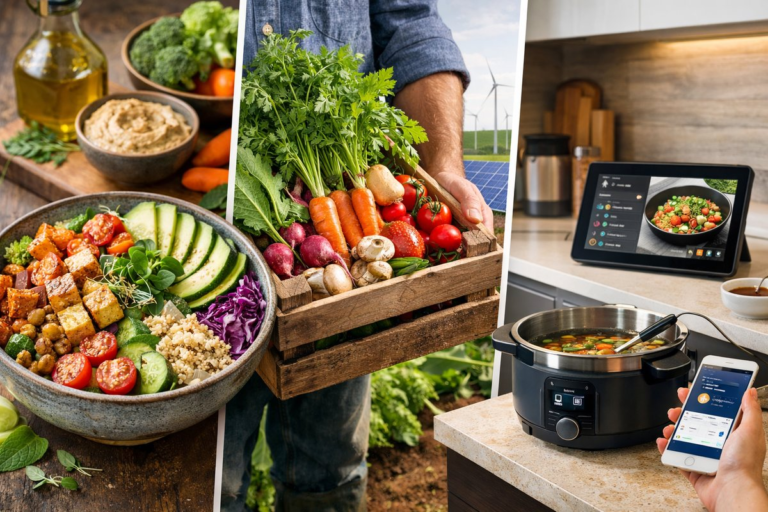
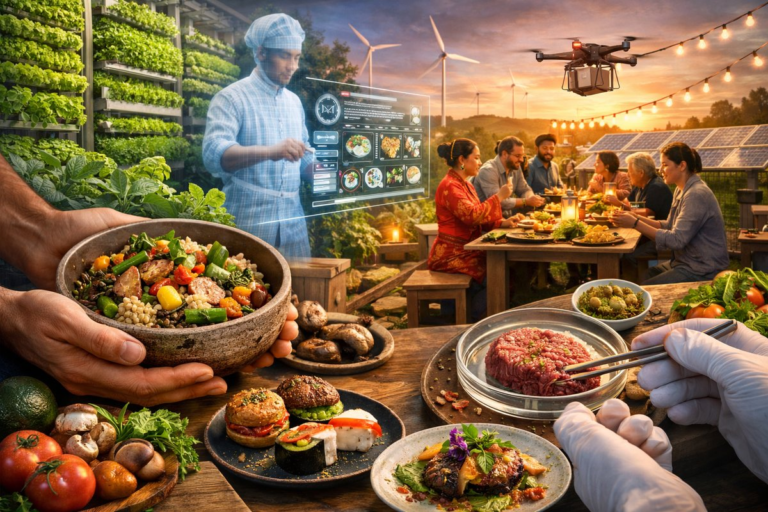
Looking ahead, the kitchen of tomorrow will likely fuse these currents even more deeply. We can expect to see AI-powered recipe generators that suggest upcycling ideas based on leftover ingredients, or smart compost bins that track waste patterns and recommend low-carbon substitutions. Virtual reality dining rooms may offer simulated farm visits before meal service, deepening our appreciation for where our food comes from. At the same time, age-old fermentation chambers and hand-thrown clay vessels will retain their allure, anchoring us to traditions that honor time, place and patience. In this evolving landscape, the most exciting ingredient may be creativity itself-the unifying force that transforms scraps into sustenance, ideas into innovation and meals into memories.