Location
Mount Vernon, WA 98274

Location
Mount Vernon, WA 98274
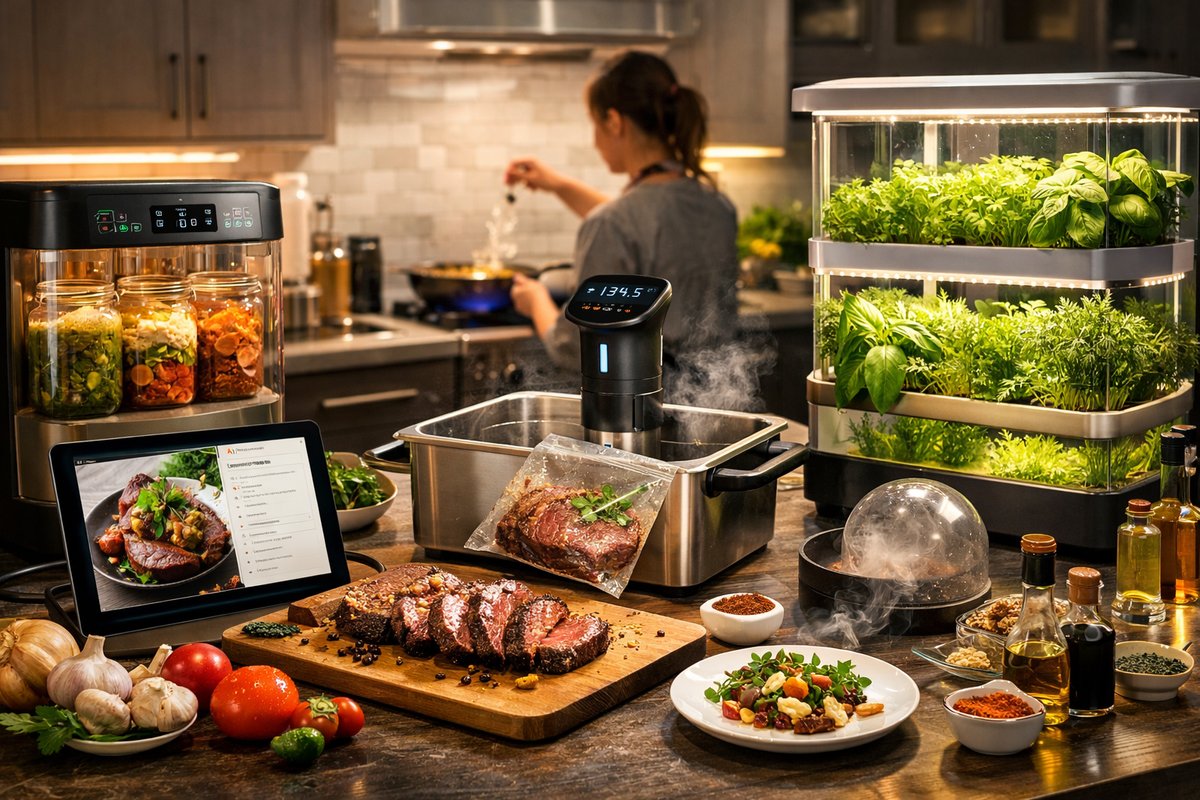
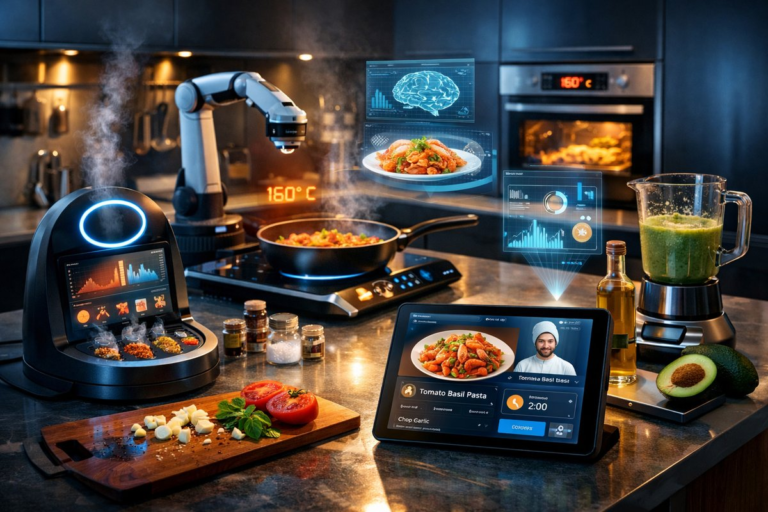
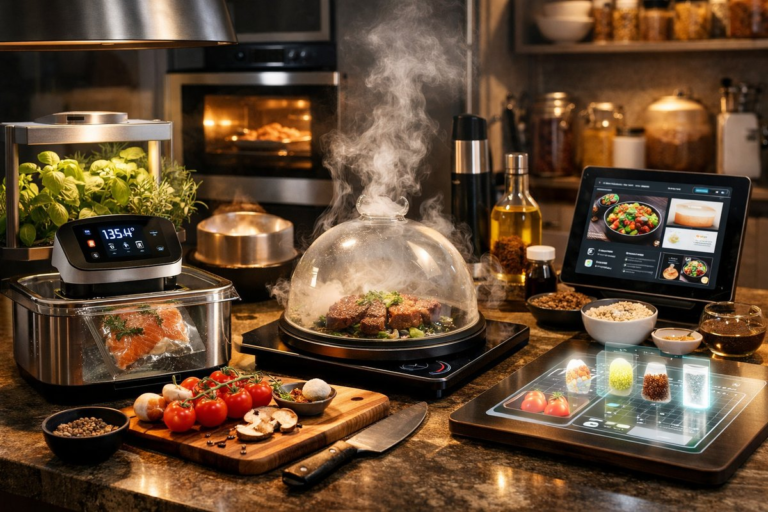
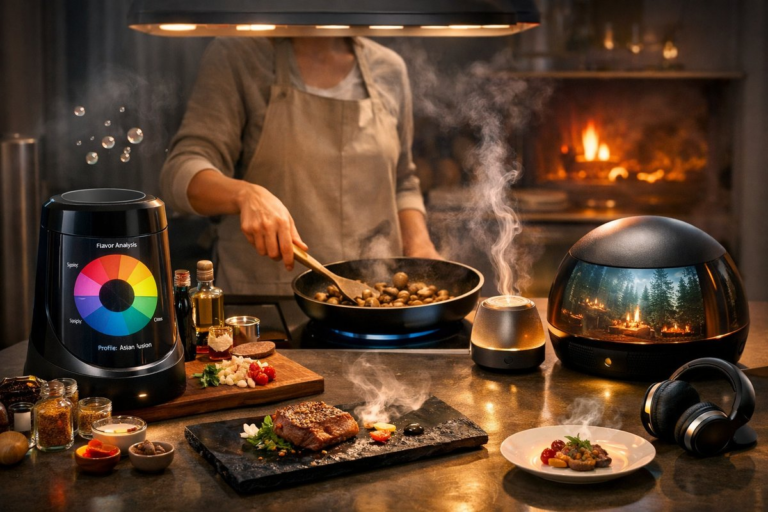
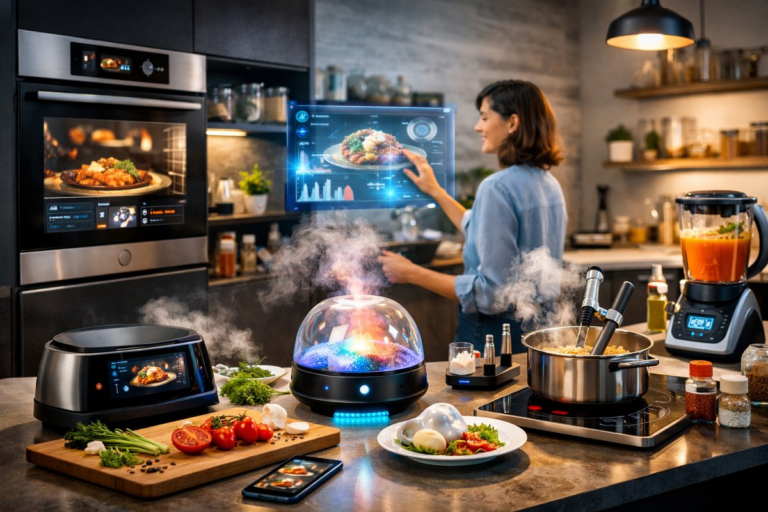
A new wave of kitchen tech is turning adventurous home cooks into flavor pioneers. From AI-driven recipe platforms and fermentation chambers to precision sous-vide and hydroponic herb gardens, diners at home are reimagining taste, sustainability and creativity in every dish.
An era of discovery is unfolding in home kitchens as cooks embrace an array of precision tools and smart devices once confined to professional labs and restaurants. Driven by a hunger for deeper flavor, waste reduction and sustainable practices, hobbyists and novice chefs alike are turning to connected fermentation chambers, AI-guided recipe assistants and sensor-laden freshness monitors to amplify taste and cut down on guesswork.
A revival of microbial craft has taken hold as specialized fermentation cabinets with precise temperature and humidity control hit countertops. These mini-appliances let cooks coax complex flavors from kombucha, kimchi, yogurt and miso with far greater consistency than open-air jars. Built-in digital displays track hours and degrees, and some models even send alerts when a jar needs a gentle shake. This shift toward enclosed, programmable fermenters is credited with reducing spoilage and cutting food waste by up to 30 percent in pilot programs at community kitchens.
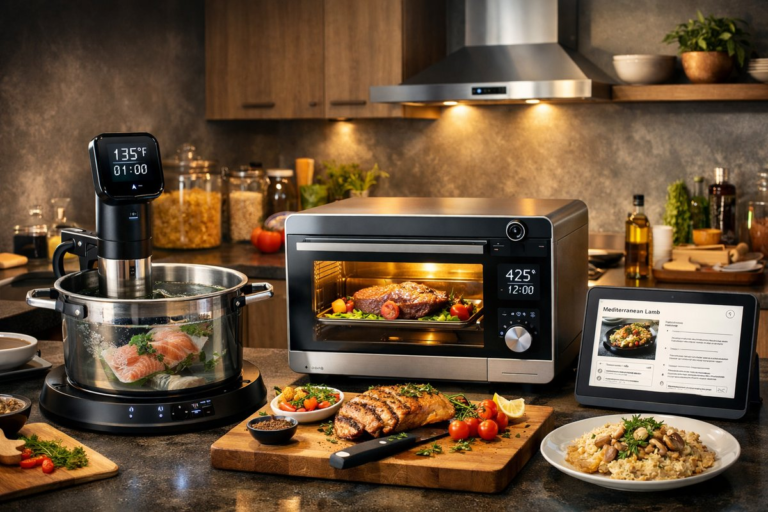
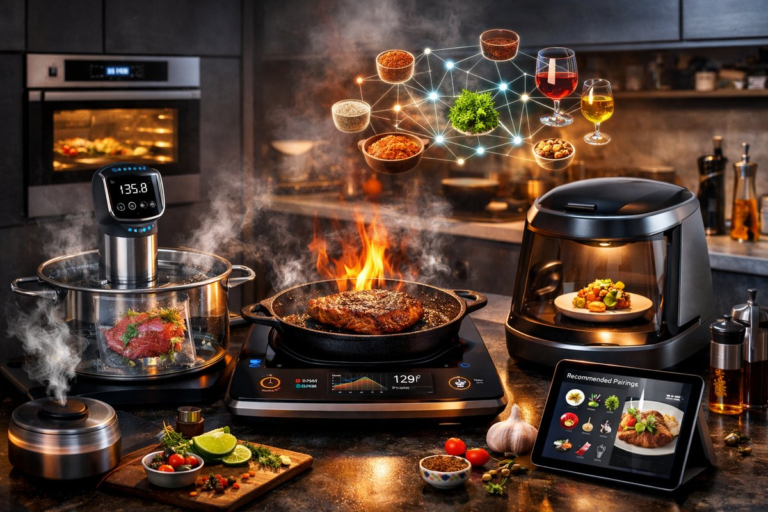
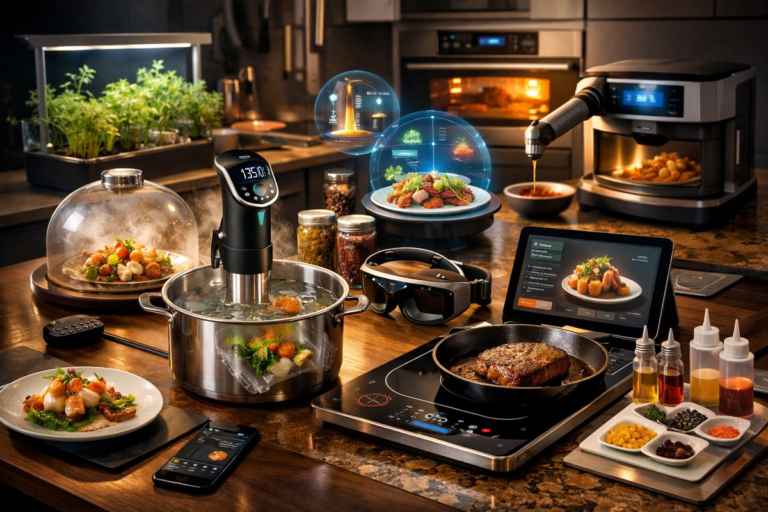
At the same time, precision thermal control has moved beyond professional sous-vide setups into more affordable immersion circulators and benchtop water ovens. Wireless connectivity and companion apps let cooks dial in temperatures to within 0.1°C, unlocking perfectly even proteins and vegetables every time. Newer circulators feature auto-level detection and improved insulation, slashing start-up energy use by up to 20 percent compared to earlier models. This blend of science and art lets home chefs recreate restaurant-quality steaks, custards and poached fruits with reliable repeatability.
But it isn’t just heat management making headlines. Sensor-driven freshness monitors are emerging to detect spoilage before it shows up on the plate. Compact gas sensors designed for kitchen counters can track volatile organic compounds (VOCs) given off by aging produce, sending smartphone warnings when fruits and vegetables begin to break down. Paired with digital pH probes that quickly measure acidity in sauces, pickles or home-brewed beverages, these devices help cooks intervene early, preserve peak flavor and minimize waste in a world where nearly one-third of global food production is discarded.
For those who crave herbs at their fingertips, indoor hydroponic gardens with LED arrays and self-watering reservoirs have become a fixture in many urban apartments. These countertop farms let users harvest fresh basil, mint and microgreens year-round, bypassing grocery-store packaging and trimming supply-chain emissions. Seed pods slot into modular trays, and automated nutrient dosing keeps plants thriving without manual mixing. Home gardeners report flavor that’s up to two times more aromatic than store-bought, as well as a tangible boost to their carbon footprint when replacing commercial herbs.
Robotic assistants are also carving out a niche, particularly for repetitive or time-sensitive tasks. From automated stirring rigs that keep risottos and custards moving to smart spatulas that flip delicate fillets at the perfect moment, these countertop appliances bridge the gap between manual effort and complex techniques. They may not replace a skilled hand, but they lower the barrier for ambitious makers experimenting with curry reductions, delicate sugar work or slow-churned ice cream.
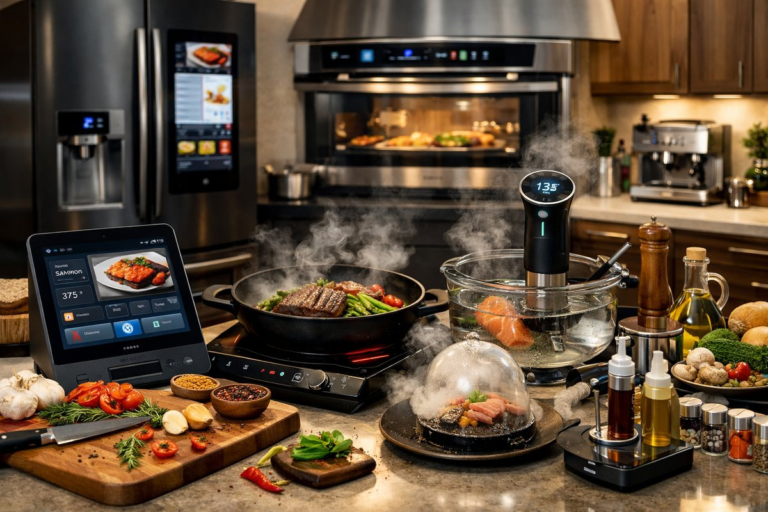
The rise of AI-driven recipe platforms has been equally transformative. Voice-enabled smart displays and recipe apps now tap into cloud-based flavor databases that suggest ingredient swaps, timing tweaks and even spice blends based on real-time sensor feedback. Imagine starting a batch of kimchi, and the system automatically adjusts fermentation length based on ambient kitchen humidity. Or receiving a notification that your ribeye’s internal temperature is nearing ideal doneness, with step-by-step sear instructions queued up.
Sustainability is woven through this tech renaissance. Digital scales with waste-tracking functions help cooks measure scraps destined for compost versus edible trimmings. Smart vacuum sealers extend the life of leftovers and bulk-bought proteins, reducing freezer burn and food trash. Paired with app-driven meal planners, these tools enable home cooks to become mindful resource managers, balancing creativity with environmental impact.
Communities online share data logs from fermenters, sous-vide cookers and hydroponic gardens, building collaborative flavor maps. Enthusiasts swap time-temperature charts for wild ferments, post pH readings for experimental salsas and compare VOC signatures for peak ripeness in heirloom tomatoes. This networked approach is fostering a new kind of open-source gastronomy, where laboratory precision and home economics converge.
Yet with this tidal wave of connectivity come challenges. Data privacy concerns arise when cloud-connected appliances upload usage patterns, and consumers are wary of who owns that data. E-waste is another byproduct as shoppers upgrade smart scales and circulators every few years. Energy-use debates are sparking calls for more efficient hardware certifications, ensuring that joy in the kitchen doesn’t translate to a spike in household electricity bills.
Accessibility remains a priority. Recent price drops and second-hand markets are bringing entry-level precision tools within reach of more households. Simplified interfaces, multi-lingual voice prompts and beginner-friendly modes are lowering the barrier further. Community workshops and library-based tool-libraries are popping up, giving curious cooks hands-on time with these devices before they commit.
Looking ahead, the horizon of home cooking tech seems limitless. 3D food printers capable of layering vegetable purées and protein gels promise bespoke textures and personalized nutrition. Multi-sensory dining tables that regulate temperature, aroma and lighting in sync with recipes could turn every meal into an immersive experience. For now, though, home kitchens are buzzing with modest revolutions-where microbes, motors and machine intelligence team up to make the familiar feel fresh and exciting.