Location
Mount Vernon, WA 98274

Location
Mount Vernon, WA 98274
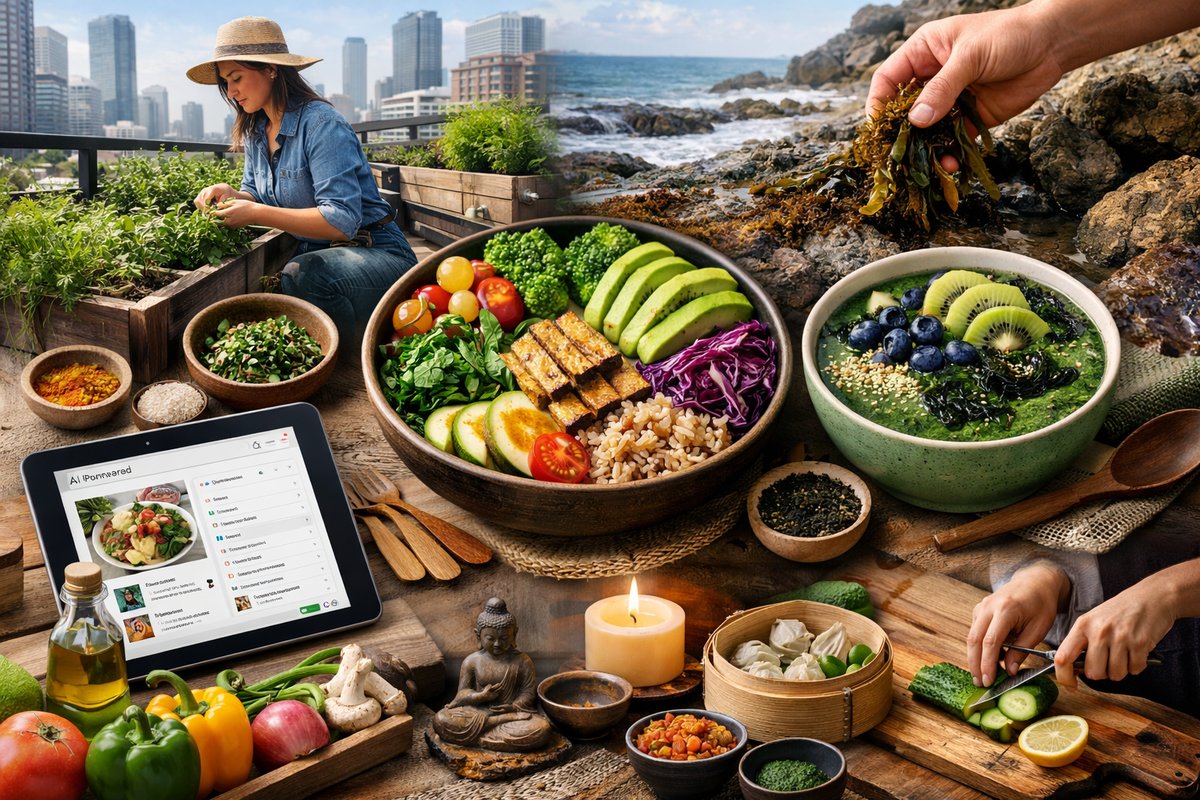
An exploration of how today's home cooks are blending mindfulness, sustainability, and cultural heritage into their everyday meals. From city rooftop herb hunts to seaweed smoothie bowls and AI-powered meal planners, we map out the culinary currents shaping the next chapter of our kitchens.
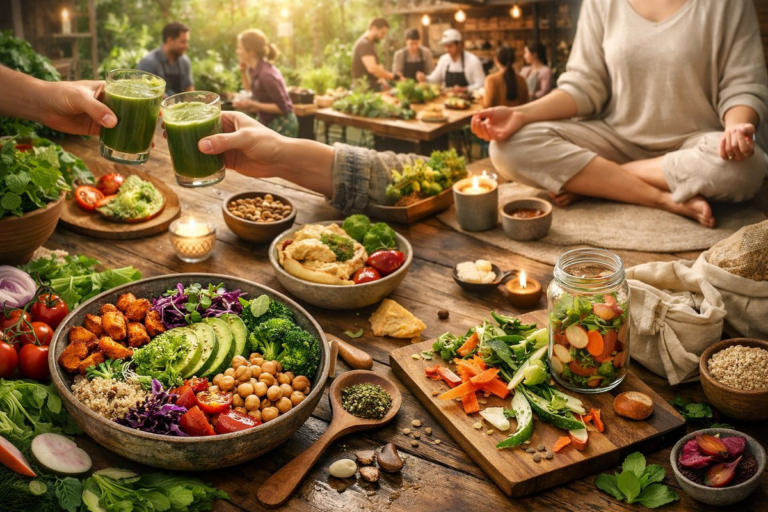
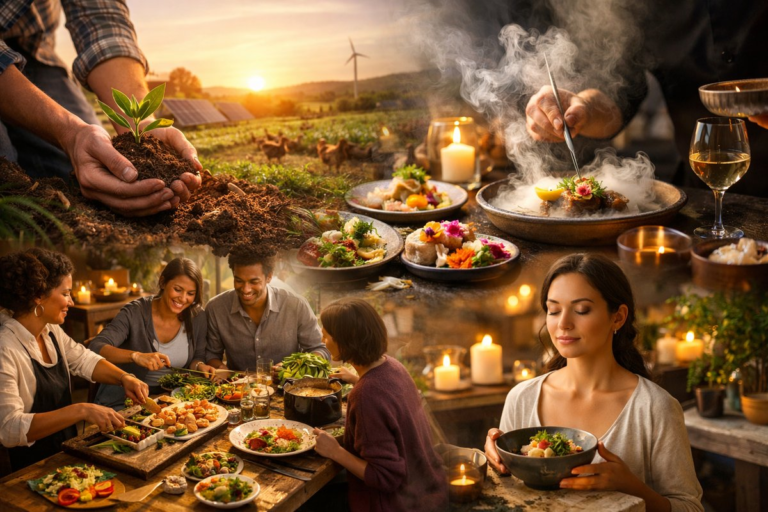
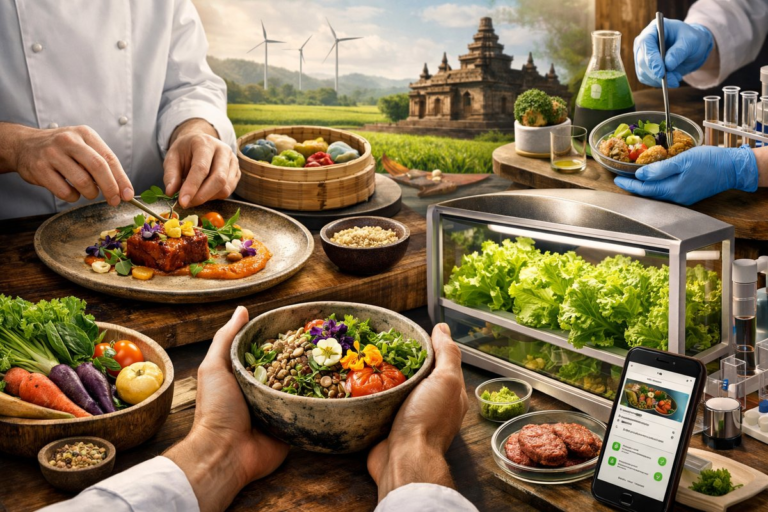
In kitchens around the world, a quiet revolution is taking hold. The latest wave of culinary trends isn’t defined by flashy plating or molecular gastronomy, but by a deeper sense of purpose: connecting with nature, honoring tradition, and reducing waste. A growing crop of home cooks, professional chefs, and community organizers are reimagining how we source ingredients, share recipes, and break bread together. This movement blends old wisdom-like foraging, fermentation, and communal meals-with new tools such as AI-driven meal planners, virtual cookalongs, and sustainable packaging alternatives.
Layered within this wave of conscious cooking is a collective yearning for authenticity. Across major cities, urban rooftops, vacant lots, and community gardens have become foraging playgrounds where foragers learn to identify wild greens like dandelion leaves, chickweed, and purslane. Workshops led by local mycologists guide participants through the fine art of mushroom identification. In New York City’s boroughs, monthly gatherings attract dozens of enthusiasts who scout parks for wild garlic and violet petals. Similar programs in London, Berlin, and Tokyo foster a sense of stewardship for the local ecosystem-transforming concrete jungles into ingredient-rich landscapes.
Alongside urban foraging, edible algae are emerging from niche health-food aisles into mainstream kitchens. Fueled by research from institutions like the Marine Biotechnology Institute, seaweeds such as nori, wakame, and spirulina are prized for their high protein, vitamin, and mineral content. Spirulina smoothie bowls are now staples on café menus from San Francisco to Sydney, topped with seasonal fruits and toasted seeds. Market analysts report global seaweed snack sales growing by over 10 percent annually, with consumers drawn to sustainable, low-footprint superfoods. Startups offering cultivated microalgae powders for home blending have sparked a new form of DIY nutrition, inviting cooks to experiment with vibrant green hues and savory umami notes.
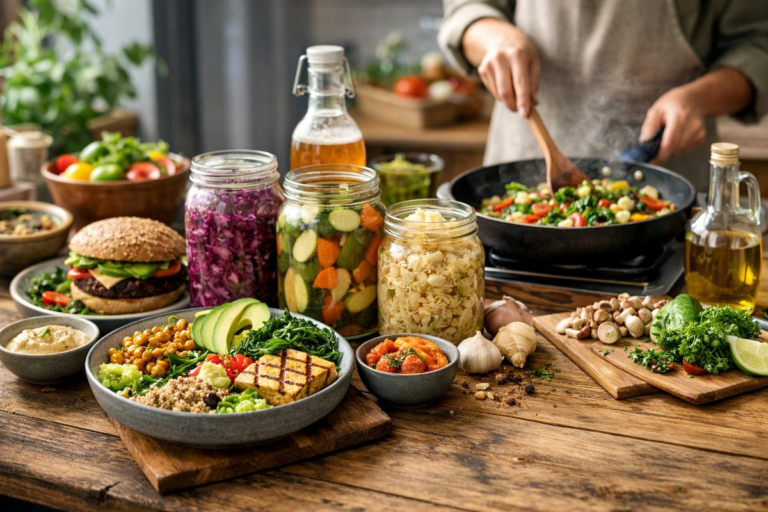
Fermentation-once relegated to craft breweries and artisanal cheesemakers-has spilled over into home kitchens. Accessible fermentation crocks and simple recipes make it easy to transform cabbage into tangy sauerkraut, carrots into probiotic-rich pickles, or even green beans into garlicky dilly treats. Community-led fermenting circles share techniques for lacto-fermentation and water kefir brewing, fostering mentorship among novices. At farmers markets, dozens of ferment enthusiasts trade jars of homemade kimchi and curtido, while small-batch producers offer kombucha on tap in reusable growlers. This revival is driven by both nutrition science-highlighting the gut microbiome-and a hands-on desire to reclaim control over the food on our plates.
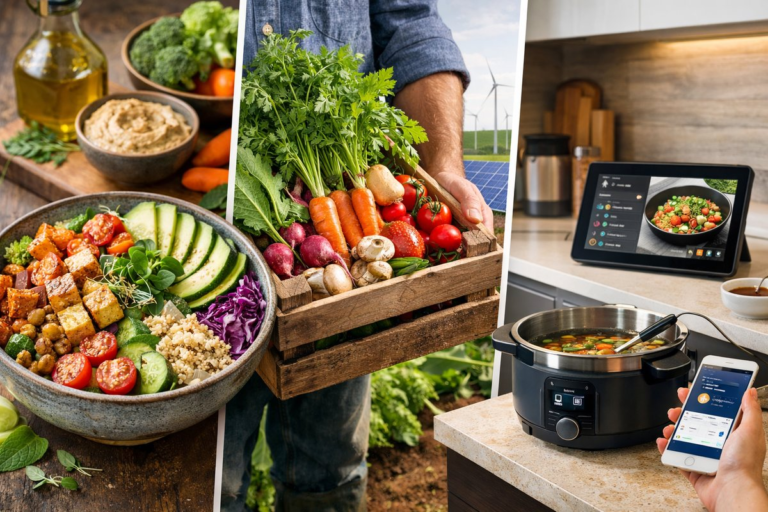
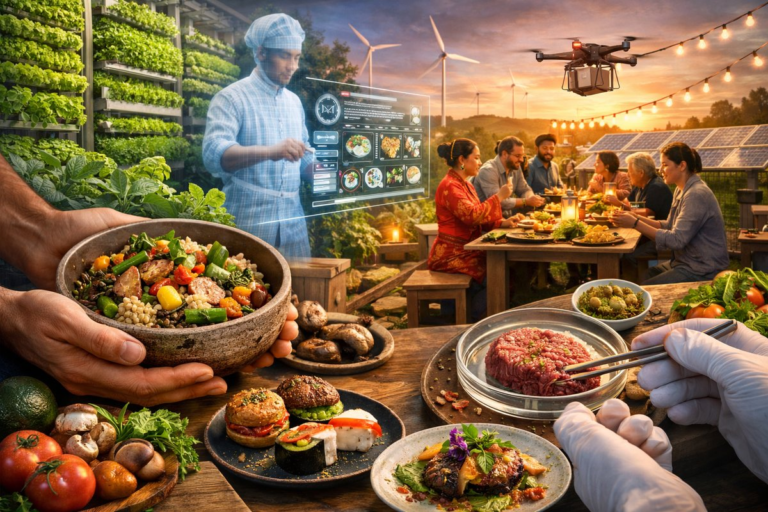
Digital innovation is weaving itself into these culinary practices. AI-powered meal planning apps now analyze dietary preferences, seasonal availability, and leftover ingredients to generate personalized weekly menus. Users snap photos of fridge contents and receive step-by-step recipe suggestions that incorporate local sales or neighborhood CSA drops. Virtual cookalongs on social platforms bring together global audiences: a home cook in Mumbai may simultaneously chop chilies with a companion in Mexico City, guided by a chef livestream. Short-form recipe videos on social channels emphasize zero-waste techniques, such as turning carrot tops into pesto or repurposing stale bread into crispy croutons.
In tandem with these trends is a push for greener kitchen gear and packaging. Beeswax wraps, made from organic cotton coated in plant-based waxes, have replaced single-use plastic in many households. Compostable meal containers crafted from sugarcane fiber or bamboo are gaining traction in farm-to-table cafes. Some zero-waste stores even offer refill stations for pantry staples-beans, grains, and spices-where shoppers bring their own jars. The ripple effect extends to dinnerware made from reclaimed wood, reusable silicone bags, and dish brushes with biodegradable bristles. This shift is not mere aesthetics: a recent study found that households adopting reusable food wraps reduced plastic waste by over 60 percent in six months.
Merging nostalgia with innovation, home cooks are reviving cultural recipes through a modern lens. Sourdough, once a pandemic-era fad, has matured into a daily ritual for many-starter cultures passed from one neighbor to the next, evolving with local wild yeasts. Flatbreads like naan and roti are being made on stovetops at sunrise; a South Asian family might ferment a chickpea flour batter overnight to achieve a light, pancake-like surface. In West Africa, cassava pancakes are cooked on griddles warmed over indoor grills, pairing centuries-old grains with herb-infused vegan spreads. These reinterpretations celebrate heritage while inviting new improvisations-vegan kimchi burgers, gluten-free lefse, or jackfruit biryani.
The insect protein movement, long discussed in sustainability circles, is also tapping into this ethos of curiosity. Cricket flour, praised for its high protein and low environmental footprint, appears in granola bars, savory crackers, and energy balls. In Austin, Texas, a culinary incubator hosts demos on baking with mealworm powder; chefs showcase the nutty flavor alongside traditional grains. While adoption remains niche, edible insects are finding their way into snack bowls at music festivals and plant-based cafés, intriguing adventurous eaters and eco-conscious foodies alike.
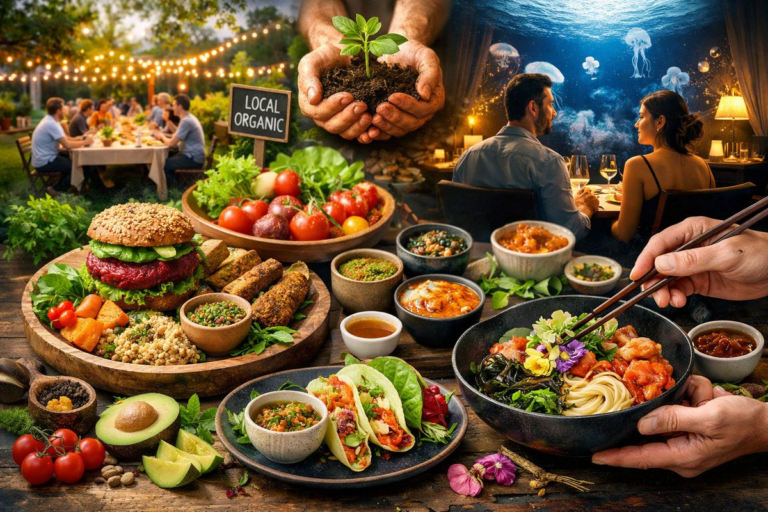
All these threads-urban foraging, algae superfoods, fermentation, digital kitchens, sustainable packaging, heritage reinventions, and insect protein-intersect at the heart of conscious cooking. It’s a movement that invites us to slow down, to pay attention to provenance, seasonality, and the life cycle of each ingredient. Whether you’re clicking through an AI-driven recipe generator, rummaging through a community garden for wild kale, or stirring kombucha in a sunlit corner of your countertop, the act of cooking becomes a chance to connect: with other people, with the planet, and with traditions both ancient and new.
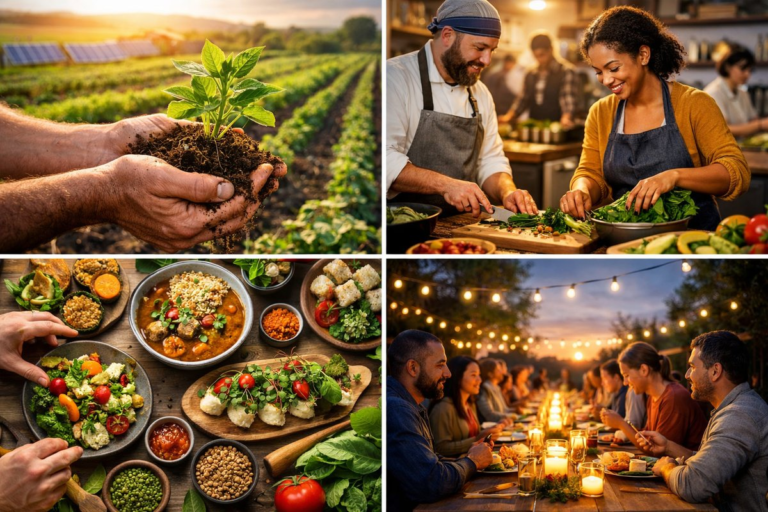
Looking ahead, the kitchen of tomorrow may be defined less by fancy gadgets and more by shared values: regenerative sourcing, equitable access to ingredients, and creative resilience. Food festivals are trending toward “ingredient showcases,” highlighting local grains or forgotten vegetables rather than polished celebrity demos. Pop-up dinners invite attendees to forage their own salad greens before gathering to break bread together. Even large-scale food producers are exploring collaborative models with small growers, ensuring fair prices and biodiversity-friendly practices.
In this unfolding era, every meal becomes both nourishment and statement. By weaving together technology and terroir, innovation and identity, the new currents of culinary culture are charting a path toward more mindful, sustainable eating. It’s a recipe that transcends individual plates-an invitation to view food as a shared story, ever evolving and deeply rooted in community.