Location
Mount Vernon, WA 98274

Location
Mount Vernon, WA 98274
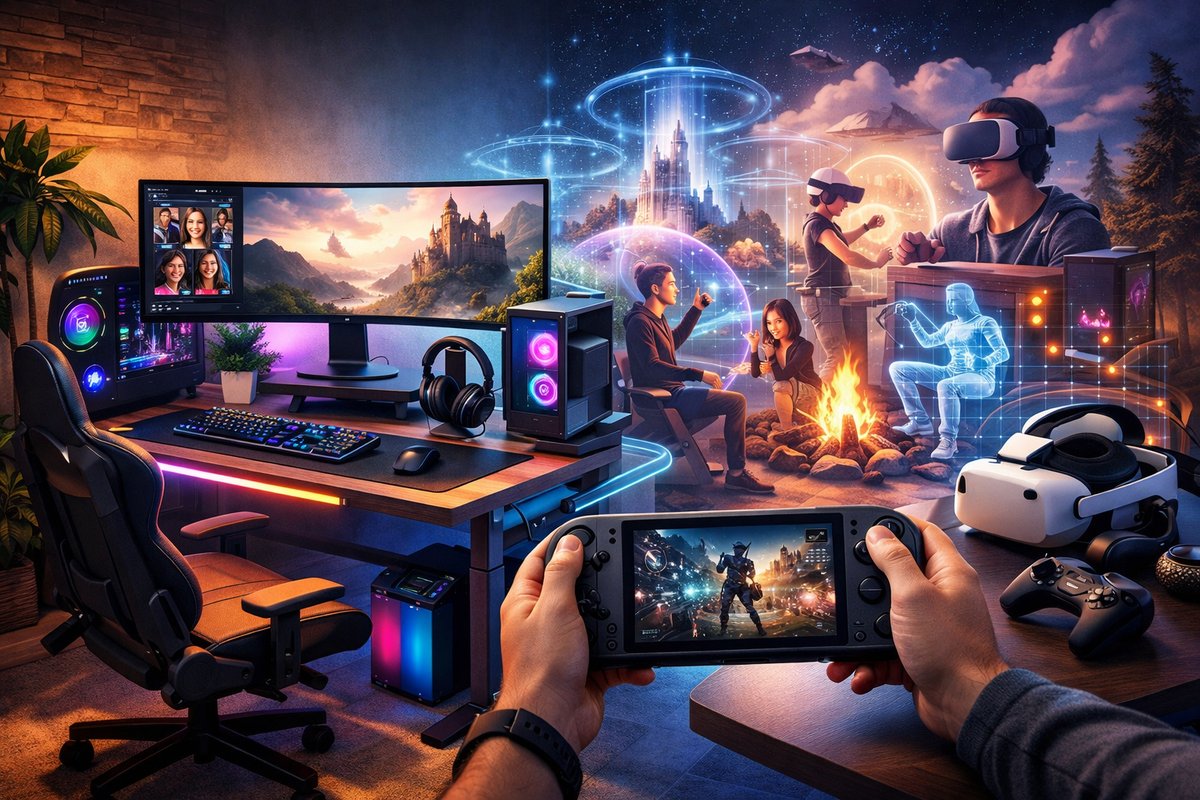
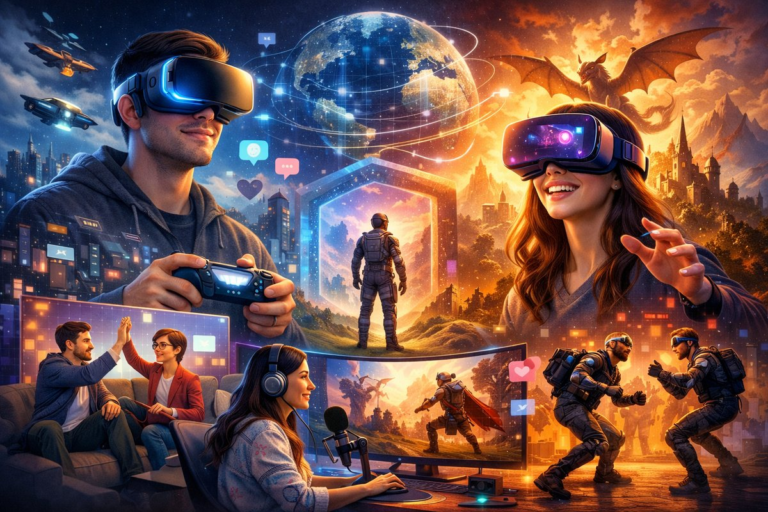
From reconfigurable desks to cloud-powered handhelds, the landscape of play is shifting into hybrid, immersive realms. Gamers and casual players alike are building modular playgrounds that bridge physical gatherings and virtual communities, fueled by gear designed for flexibility and focus.
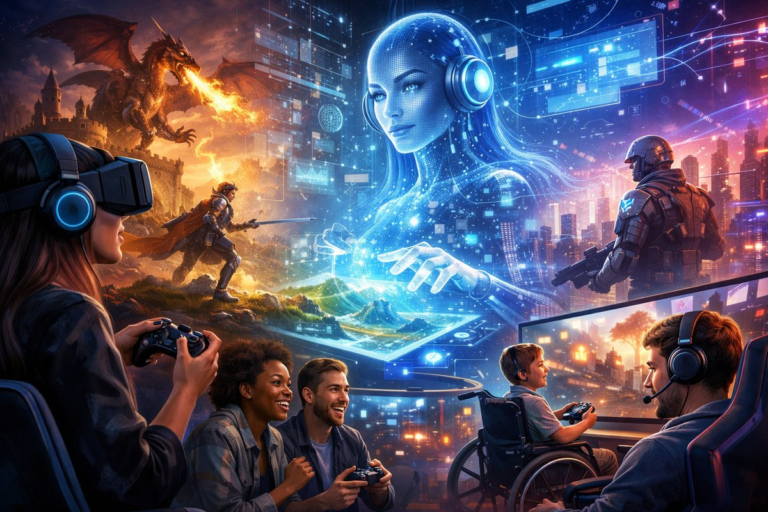
Gaming and entertainment have entered a new era: one where boundaries between physical and digital, solo and social, stationary and portable all blur into a fluid continuum of play. No longer confined to a single console or a fixed living-room setup, today’s enthusiasts curate modular environments that adapt to shifting moods, spaces and communities. This transformation reflects broader trends in sustainability, emotional intelligence and curiosity-driven design. Tech innovators, independent makers and grassroots organizers are collaborating to craft ecosystems of gear, software and shared experiences that put player choice at the center.
At the heart of this paradigm shift is the notion of modularity. Gone are the days when a living room revolved around an immovable TV stand and a bulky console. Modern play spaces are built on adjustable desks with configurable panels and attachable accessories. Shelving units accommodate everything from controllers and headphone hooks to small-display mounts for handheld streaming devices. Cable management modules clip in and out without the need for tools, and interchangeable lighting panels let users dial back intensity for a focused session or ramp up color for a group reveal night. By blending recycled composite materials with sleek aluminum frames, these setups elevate sustainability and adaptability. They ship flat-packed, reducing carbon footprint, and grow with evolving user needs: add a side shelf for board games one month, snap on a laptop riser for livestreaming the next.
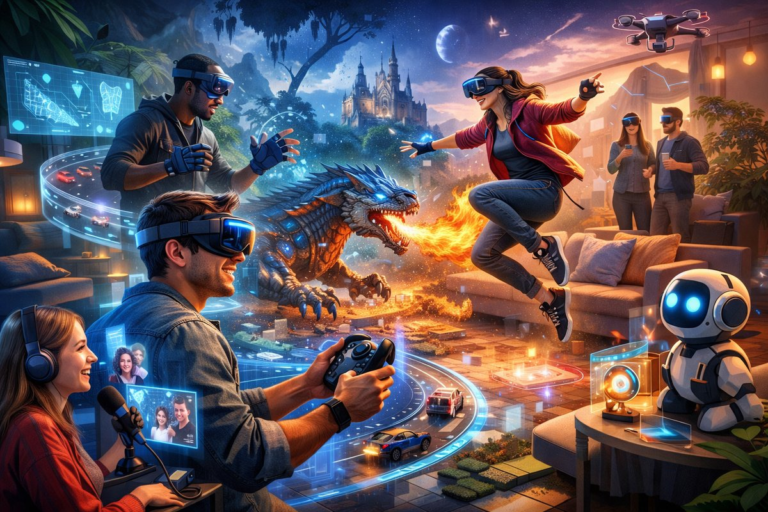
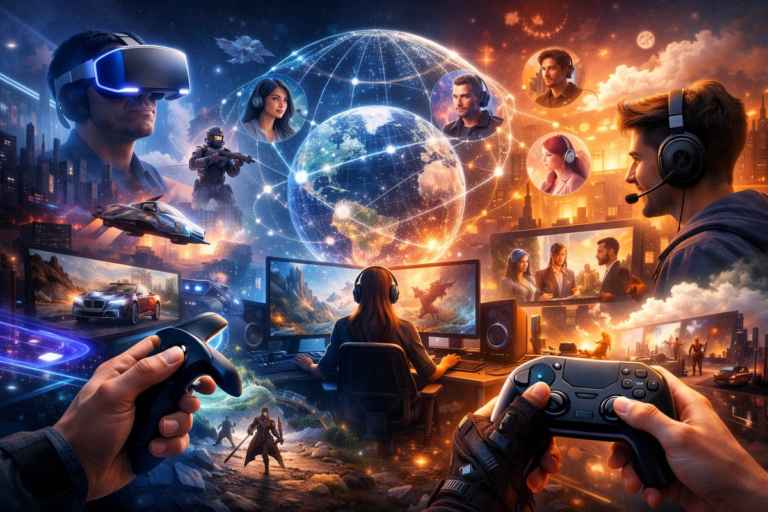
But flexibility isn’t just physical-it extends to the experiences themselves. Hybrid play models combine live community events with cloud-powered platforms, enabling someone to join a LAN-style speedrun challenge from across the globe. Local gaming cafes host pop-up mini-tournaments, where attendees station around communal tables outfitted with modular desks and communal consoles. At the same time, remote participants queue in an online lobby and broadcast their POV feeds onto communal screens. This convergence of local and virtual gives rise to new formats, from collaborative puzzle hunts that span city blocks and mobile apps to timed multiplayer marathons that reward teamwork across time zones.
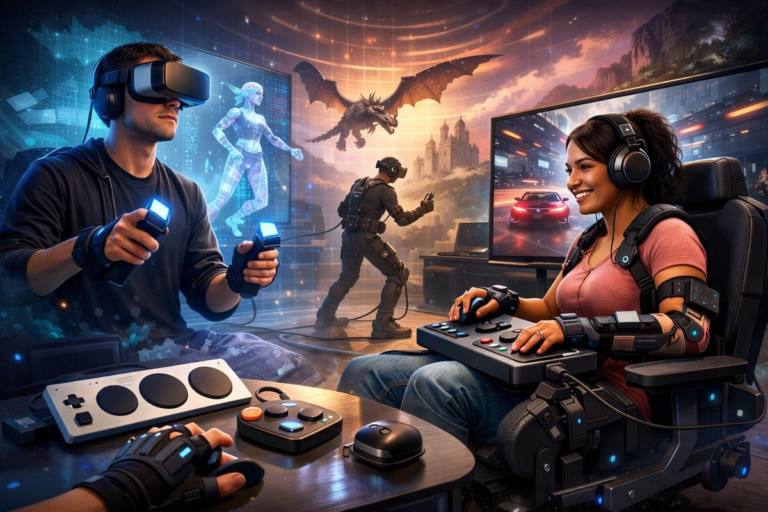
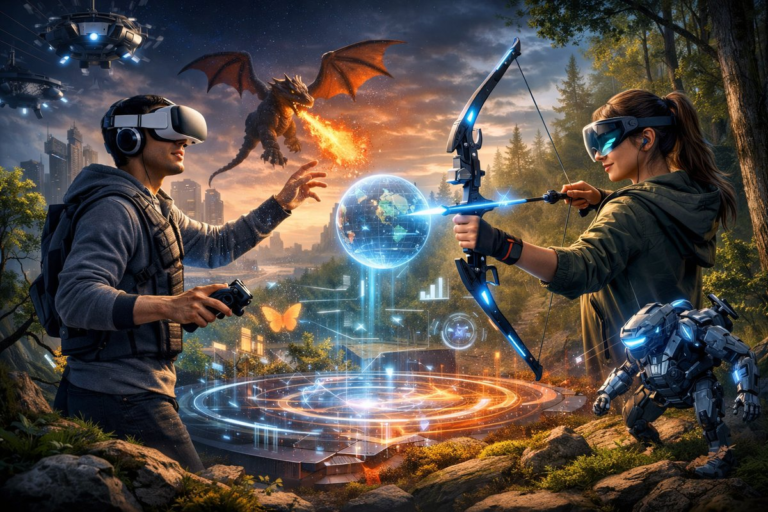
Virtual reality and augmented reality mark another frontier in this hybrid transformation. Low-profile VR headsets now connect wirelessly to compact media hubs, untethering players from bulky PCs. Handheld AR glasses overlay digital companions onto real-world tabletops, turning any desk into a gamified sandbox. Engineers are even exploring modular controllers that magnetically attach to different surfaces-clip one grip onto a table edge for racing sims, then slide it onto a foam-padded grip for archery emulators. Haptic vests and finger-tracking gloves layer physical sensation onto digital worlds, intensifying presence and emotional resonance.
Portability has become a watchword for modern play, blurring the distinction between console, PC and handheld device. Cloud-streamed libraries allow gamers to pick up where they left off on a portable console or even a smartphone equipped with a high-refresh-rate display. Customizable grip attachments and clip-on fans keep handheld units comfortable through marathon sessions. Cases with built-in power banks and adjustable thumbstick extensions enhance ergonomics, ensuring that on-the-go play retains a desktop-class feel without compromising battery life.
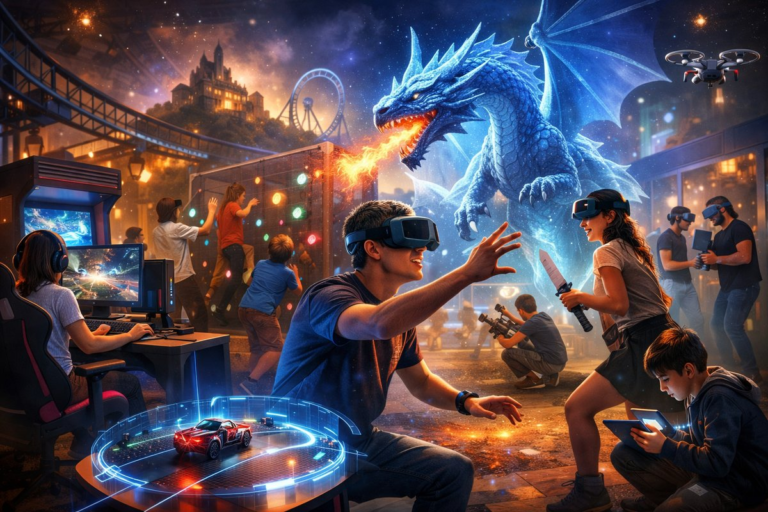
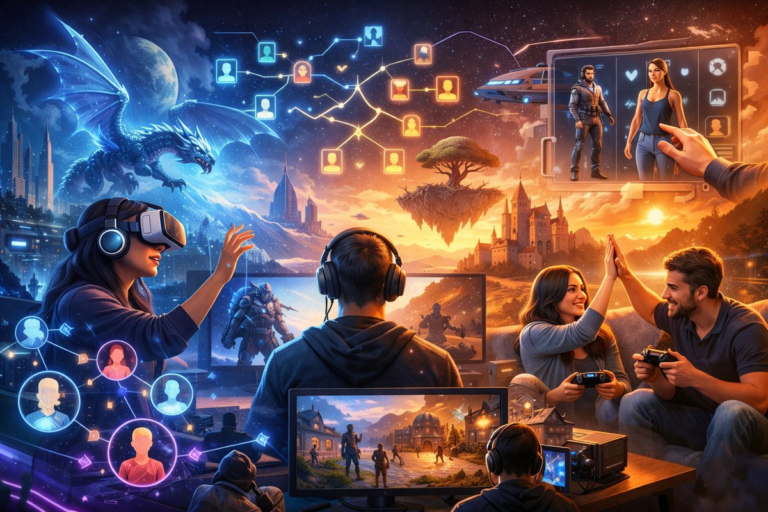
While technology is a key enabler, community curation matters just as much. DIY enthusiasts are building modular event kits: collapsible floor mats with QR-linked maps for location-based AR quests, portable LED lighting rigs to transform any hall into a glow-in-the-dark zone, and battery-operated speaker arrays to unleash synchronized soundtracks. Local meetup organizers loan or rent these kits, lowering the barrier for first-time hosts and fostering a culture of experimentation. Whether it’s a fitness-gamification circuit for workout-meets-leaderboard challenges or an interactive movie-night that blends choose-your-own-adventure streaming with audience voting devices, the spirit of play now spills beyond screens into tangible, social rituals.
Entertainment content itself is evolving to embrace interactivity. Interactive film platforms let viewers influence story paths in real time, using smartphone voting or motion-tracking remotes. Live-streamed theatrical events incorporate game-style power-ups, allowing at-home audiences to trigger special effects or bonus scenes. Even traditional tabletop role-playing games have migrated online, with dynamic maps that update as players explore and AI-powered dungeon masters that adapt narrative arcs on the fly. These experiences leverage modular content libraries, where digital props and ambient sound packs slot seamlessly into virtual tabletops, creating customized story worlds without extensive prep.
Amid all this innovation, emotional intelligence and well-being have taken center stage. Configurable lighting modules can shift from intense RGB colors during high-energy play to soothing hues for cooldown phases or guided meditation sessions. Noise-isolating headphones incorporate ambient-noise filters that let in environmental sounds at programmable thresholds, helping players stay aware of surroundings. Ergonomic desks boast adjustable heights and tilting surfaces, optimized for posture and long-term comfort. Mindfulness apps integrate with gaming dashboards, prompting regular breaks, hydration reminders and breathing exercises when stress metrics-gleaned from biometric wearables-cross set thresholds.
Sustainability permeates hardware design. Open-source communities publish blueprints for 3D-printed controller grips and modular desk brackets, enabling local makers to produce replacement parts instead of discarding entire units. Manufacturers are experimenting with recycled ocean plastics for chassis components and recyclable aluminum alloys for frame rails. Even accessory packaging is designed for multiple uses-box walls become cable-organizing trays, while foam inserts double as sound-dampening panels for small livestream booths.
The financial model for play is also in flux. Subscription bundles now offer modular tiers-rent desk accessories by the month, access cloud gaming servers with pay-as-you-go sessions, or purchase community event credits in bulk. This menu-style approach lets players tailor costs to usage patterns and pivot between solo practice, co-working streams or live-event spectating without committing to a one-size-fits-all package.
Looking ahead, the convergence of modularity, hybrid experiences and community ecosystems promises an ever-more personal, socially driven entertainment landscape. Imagine arriving at a friend’s apartment and seamlessly docking your personal streaming key to their communal display, all while your custom lighting and sound profiles sync automatically. Or picture participatory film nights where viewers vote for the next scene with hand gestures tracked by ceiling-mounted sensors, triggering environmental changes in real time.
In this new frontier of play, gear isn’t just gear-it’s an extension of identity, creativity and connection. Modular setups adapt to changing moods and social contexts; hybrid worlds invite collaboration across distances; sustainable practices respect our planet and encourage mindful consumption. Whether you’re a casual weekend explorer or a dedicated competitive racer, the tools you choose shape not only your performance but also the stories you share and the memories you build.
The serious business of play has never been more inclusive, dynamic or emotionally rich. As designers, builders and communities continue to innovate, each module and gadget becomes a piece of a larger tapestry-a collaborative project where every player contributes to the evolving art of entertainment.