Location
Mount Vernon, WA 98274

Location
Mount Vernon, WA 98274
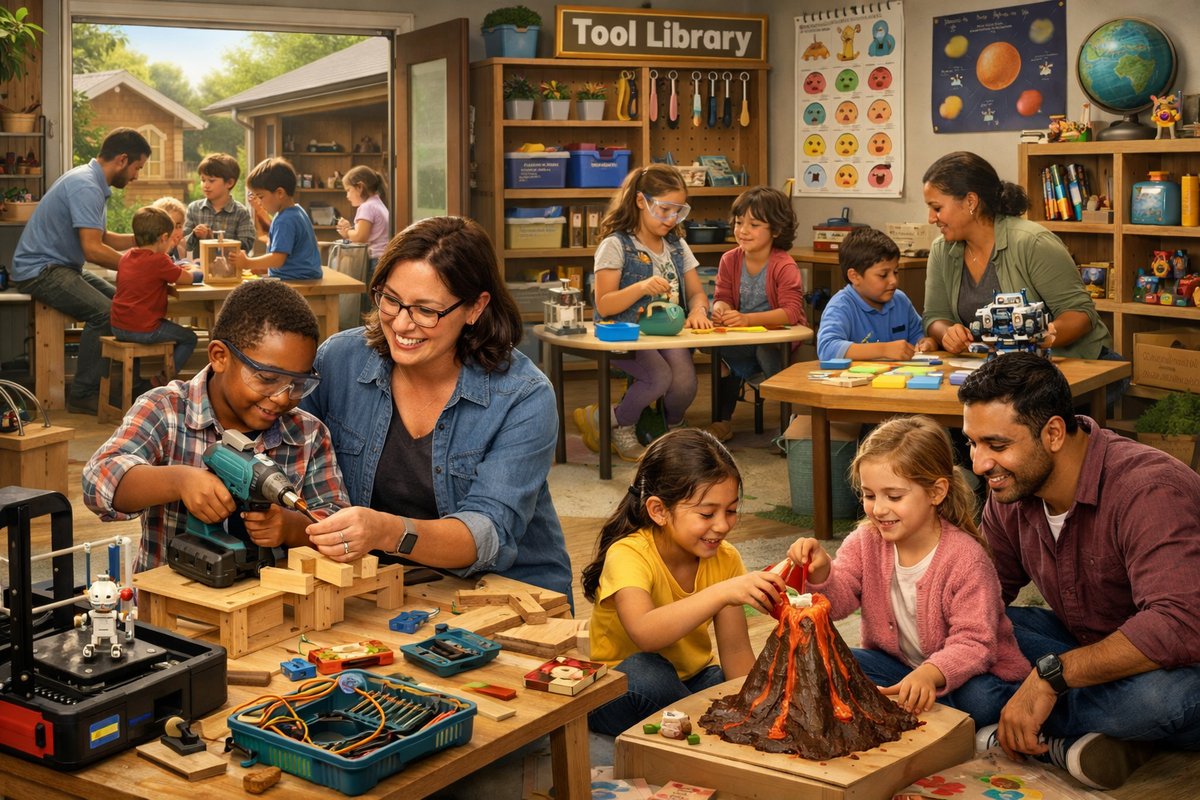
In cities and suburbs alike, parents are banding together to launch neighborhood learning co-ops that blend hands-on STEM play with emotional literacy workshops. These grassroots hubs offer tool libraries, peer-led mini-courses, and shared play sessions designed to spark curiosity and build empathy among children and caregivers alike.
Across living rooms and local community centers, a quiet revolution is under way. Parents tired of siloed online classes and one-size-fits-all workbooks are creating neighborhood learning co-ops that merge hands-on STEM play with emotional growth activities. These grassroots hubs, often organized through group chats or community boards, are turning park pavilions and donated basements into pop-up science studios and mindfulness lounges.
The trend began when a group of parents in a mid-sized suburban community realized they all had similar toolkits gathering dust: a collection of building blocks, coding robots, nature exploration kits, and emotion-chart printouts. Instead of each family investing in duplicate gear, caregivers pooled resources into a “toy and tool library.” Families signed up to borrow materials for weekend play sessions, rotating through blocks and robotics kits while swapping tips on guiding children through frustration and triumph.
“I never expected our neighbor’s coding robot and my mindfulness cards to live side by side,” says one organizer. “But watching a child debug a simple sequence one moment and then use ‘calm-down stones’ the next was a breakthrough. It reminded us that emotional well-being and curiosity are two sides of the same coin.”
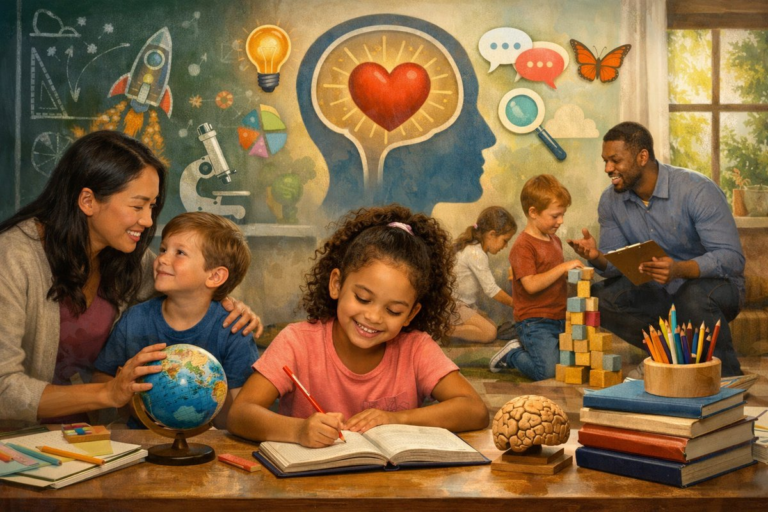
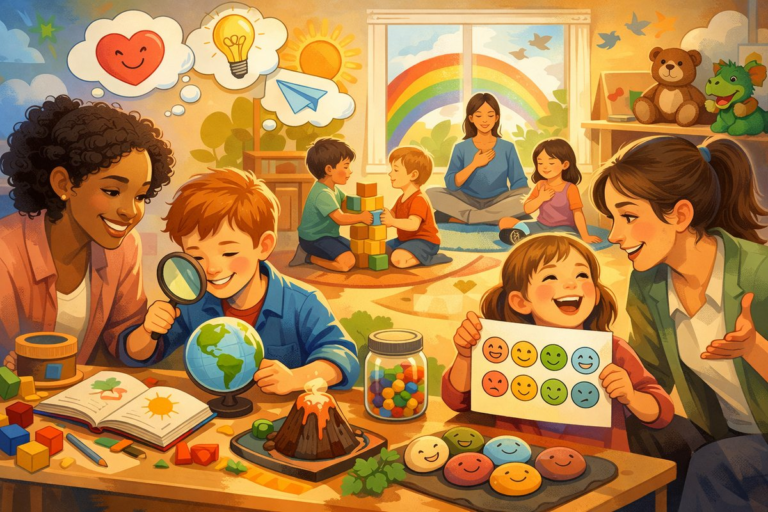
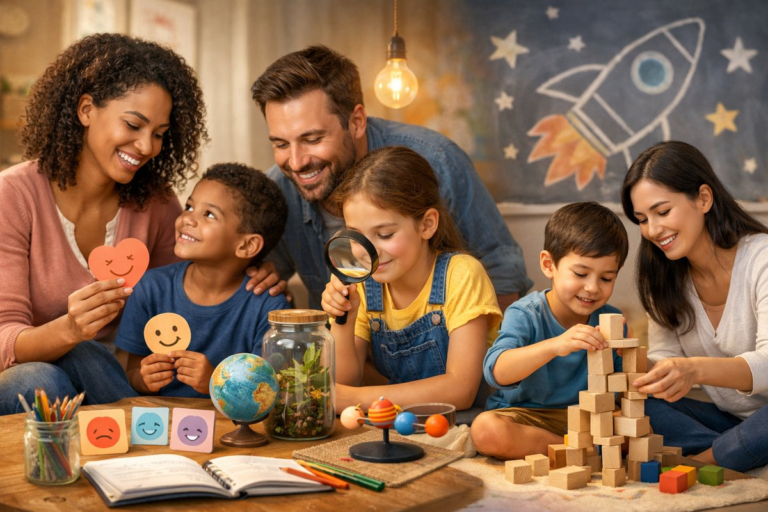
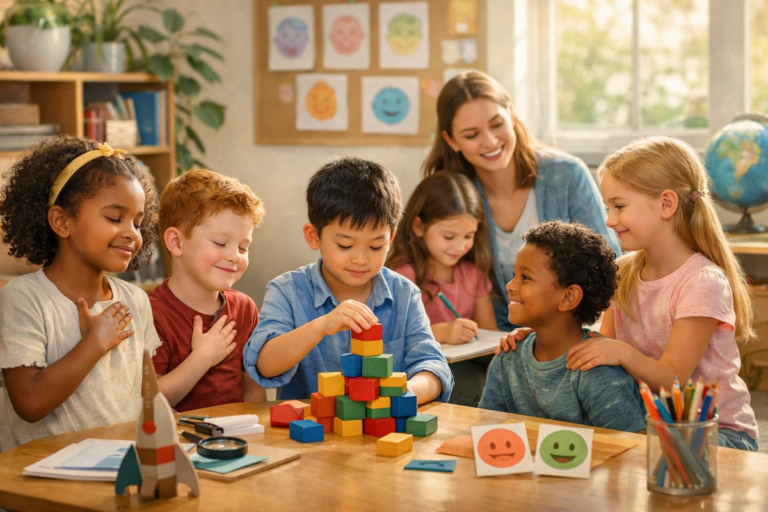
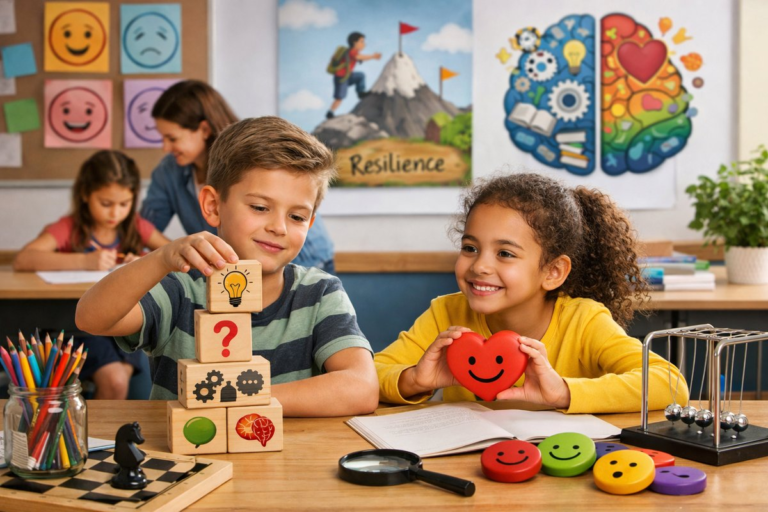
What makes these co-ops unique is the way they scaffold both technical skills and emotional intelligence. A typical Saturday morning session might begin with a teen volunteer demonstrating how to assemble magnetic building tiles into a geodesic dome. Children collaborate in small teams, practicing spatial reasoning and teamwork. After free-play, parents guide a circle discussion, using an emotion faces chart to help kids name how they felt when their tower collapsed or when they solved a tricky pattern. That reflection often turns into role-playing exercises, where children explore sharing, patience, and encouraging others.
Educational experts say this model addresses a gap in many school curricula. While math and science get frequent attention, emotional literacy-awareness of one’s feelings and the ability to empathize-often takes a back seat. Dr. Elena Rivera, a child development specialist, notes that children who learn to label and discuss emotions early on show greater resilience and collaboration skills later.
“Hands-on experiments teach cause and effect, sequencing and problem-solving,” she explains. “Paired with guided conversations about frustration or excitement, these activities help children develop self-regulation and social awareness. Communities that weave both elements into informal learning spaces are ahead of the curve.”
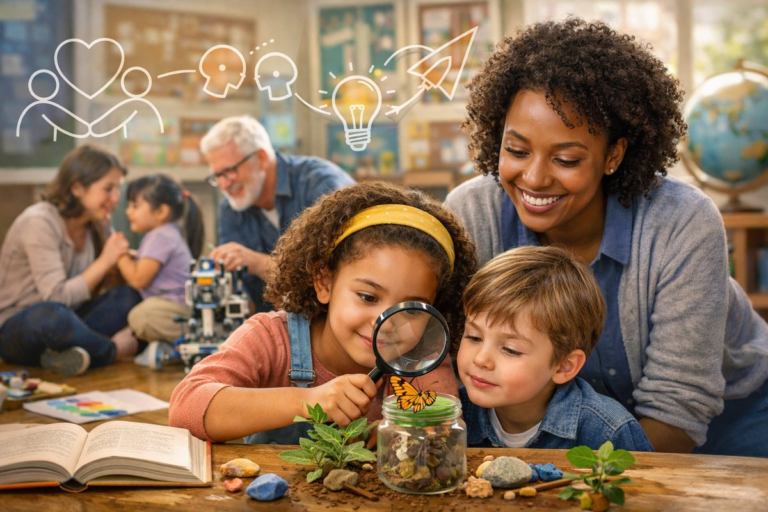
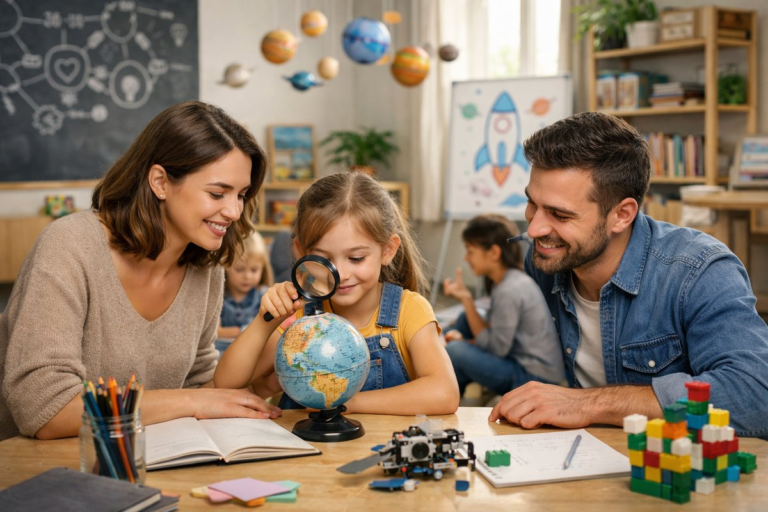
In urban areas, co-ops have taken root in community gardens and church basements where volunteers set up stations for different activities: a coding corner with simple programmable robots, an art table for drawing emotional dials, and an outdoor nature nook stocked with magnifying glasses, bug boxes, and field guides. Attendance grows through word of mouth and social media posts showcasing smiling kids building solar-powered cars or naming feelings while petting therapy-trained rabbits.
Some co-ops have even forged partnerships with local libraries and makerspaces. Libraries provide shelf space for tool libraries and quiet reflection rooms where families can check out mindfulness kits-complete with emotion-journal templates and stress-ball molds-alongside picture books about resilience. Makerspaces host monthly “Emotion + Engineering” workshops, teaching kids to engineer simple machines and then craft mood trackers that light up with different colors.
Funding can come from small grants, parent-organized fundraisers, or sliding-scale membership fees. A few groups have tapped local businesses for donations of basic materials: dry-erase lap boards, sets of magnetic blocks, or basic electronics kits. In one coastal town, a surf shop donated miniature wind turbines so children could test renewable energy projects-and then discuss how collaborating on a shared goal made them feel proud and connected.
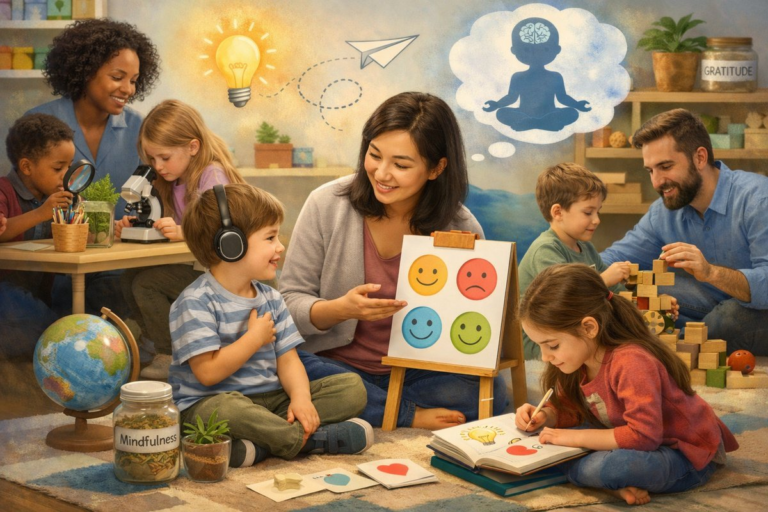
Parents emphasize that accessibility and inclusion are central values. Co-ops often loan out noise-reducing headphones and sensory-friendly play mats for children who need them. Bilingual guides ensure non-English speakers can follow instructions. Peer mentors-often high school students or local retirees-volunteer to support small groups and model respectful communication.
The feedback loop created by these community learning hubs is tight and responsive. After each session, organizers collect anonymous reflections from families: What activity sparked joy? Where did frustration peak? Did anyone feel left out? That input shapes the next set of workshops. One group shifted from purely STEM-focused modules to include dance-and-drama exercises when caregivers expressed a desire for more movement-based exploration of emotions.
Local school districts have taken note. A few have started referring families to co-op calendars as supplements to at-school instruction, recognizing that peer-led, hands-on experiences boost motivation in traditional classrooms. Teachers report that students who also attend co-op sessions arrive in class eager to share projects and better at regulating their emotions during group work.
The co-ops foster a sense of agency among parents as well. Organizers say pulling together materials and designing activities has deepened their own understanding of child development and pedagogy. They swap articles on topics like growth mindset, mindful breathing, and computational thinking, then test strategies in small group settings before bringing them home.
“This isn’t about replacing school or hiring private tutors,” explains one parent. “It’s about creating micro-homes for curiosity that also honor our children’s inner lives. We’re saying: ‘You’re more than a test score. Your feelings and your questions both matter.'”
As the movement spreads, some communities are exploring hybrid events: pop-up STEM-emotion fairs in city parks or mobile learning vans stocked with maker materials and calming corner setups. These traveling kits bring the co-op experience to families who may not have regular access to neighborhood venues.
Interest is growing beyond primary-grade students. Sibling models pair older kids teaching younger ones, deepening leadership skills while reinforcing concepts. Teen volunteers earn community service hours, learning both facilitation and emotional coaching. Intergenerational workshops invite seniors to share storytelling circles alongside robotics circuits, weaving historical perspective with modern engineering.
The result is a mosaic of learning opportunities that feel less like rigid curricula and more like collective play with purpose. For children, the co-op environment validates both the thrill of discovery and the value of checking in on how they feel. For parents, it’s a supportive community where questions and mistakes are welcome, and where every tower collapse or code glitch becomes an opportunity to practice empathy and perseverance.
Experts predict these neighborhood learning co-ops will continue to evolve, potentially linking into regional networks that share resources, host annual “Emotion + Engineering” festivals, and lobby for broader recognition of holistic education approaches. For now, each local hub stands as a testament to what happens when families take agency over their children’s curiosity and emotional well-being-and discover that the two grow strongest when nurtured together.