Location
Mount Vernon, WA 98274

Location
Mount Vernon, WA 98274
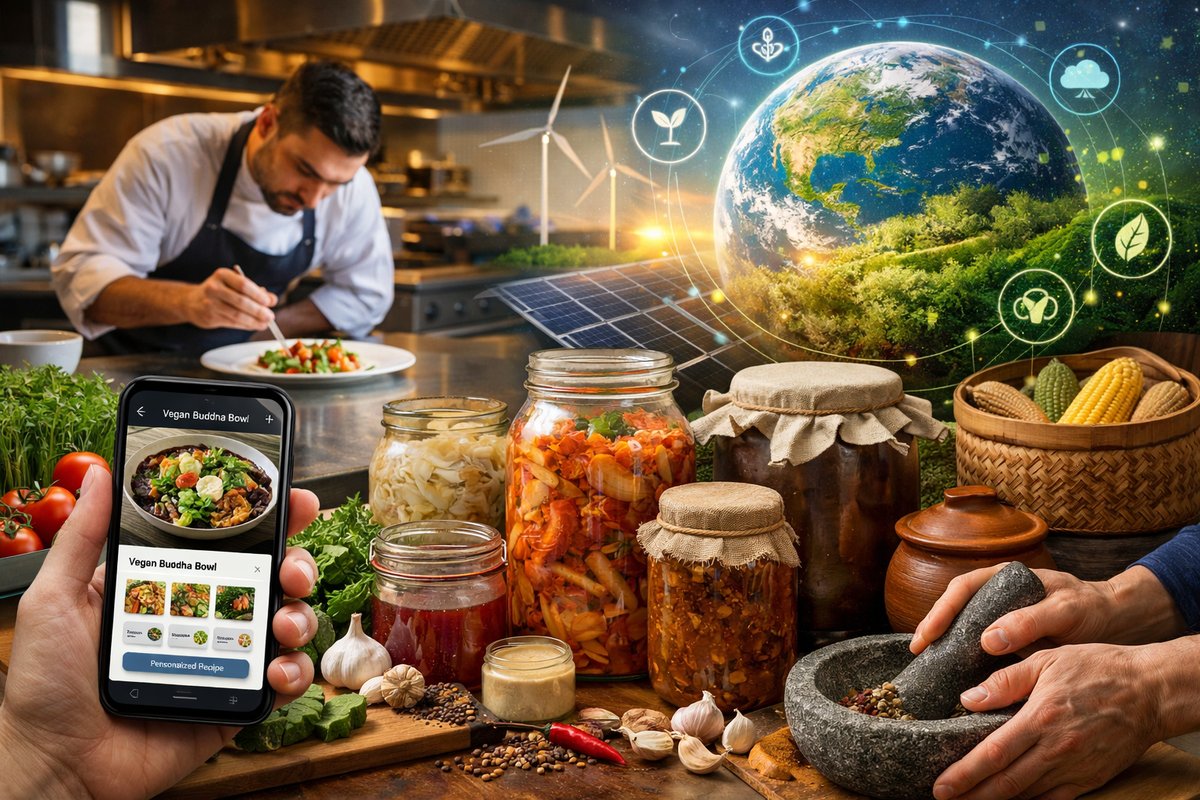
From AI-powered recipe apps to home fermentation projects, the latest wave of culinary innovation spans kitchen countertops and restaurant dining rooms alike. This article explores how climate-conscious cooking, digital personalization, and ancestral techniques are converging to redefine nourishment and community around food.
In kitchens large and small, diners and home cooks are embracing a new set of culinary imperatives. Sustainability is no longer a niche concern but an expectation-and it’s driving creativity in restaurants, grocery aisles, and meal-planning apps. At the same time, digital tools are making it easier than ever to tailor dishes to personal tastes, dietary needs, and even our wellness goals. Meanwhile, age-old fermentation practices and rediscovered heirloom ingredients from around the world are adding depth, flavor, and meaning to everyday meals.
One of the most visible shifts is the rise of climate-conscious menus. According to the National Restaurant Association’s “State of the Plate” report, more than 60 percent of diners say environmental impact influences their ordering decisions. Chefs are responding by building plant-forward dishes that highlight vegetables, legumes, and grains without treating them as mere side items. In a San Francisco eatery, a signature bowl pairs roasted root vegetables with black lentils, spiced quinoa, and a citrus-pickled shallot relish. The star of the plate isn’t protein; it’s a symphony of textures and locally sourced produce.
Supermarkets are catching on, too. Riverbend Market in Chicago renovated its layout to spotlight seasonal produce and artisanal pantry staples, grouping jars of fermented pickles, house-made nut cheeses, and vegan jerky alongside reusable produce bags and bulk bins for grains. The shift away from plastic-wrapped trays and prepped meals has boosted sales of loose carrots, beets, and squash by 35 percent over the past year, according to store management.
Technology is playing a starring role in personalizing our relationship with food. AI-driven recipe platforms can scan your pantry photos, consider nutritional preferences, and suggest dinner ideas that balance macronutrients. One service uses machine learning to adapt its suggestions based on how users rate previous recipes-so the more you cook with it, the more attuned it becomes to your palate. Beyond convenience, these apps can form the basis of community networks: neighborhood groups swap surplus zucchinis or offer up small-batch preserves, creating a modern-day barter system built on shared culinary curiosity.
Meanwhile, the ghost kitchen phenomenon continues to accelerate. Commercial real estate experts estimate that the number of delivery-only kitchen facilities in urban centers has tripled since 2021. These streamlined operations can pivot quickly to test new concepts-whether it’s dehydrated seaweed snacks or veganized comfort food-without the overhead of front-of-house staff. Some operators are taking it a step further, inviting local home cooks into their spaces during off-hours to host pop-up dinners, blurring the lines between restaurant and community kitchen.
Hybrid dining formats are also emerging. At a Tokyo-based bistro, a long wooden counter seats a handful of diners who rotate shifts between cooking with the chef and sampling dishes. This interactive experience teaches knife skills, fermentation basics, and even lessons in making stock from fish scraps-an exercise in zero-waste mindfulness. Patrons leave not only well fed but empowered to transfer what they’ve learned to their own kitchens.
Fermentation has experienced a renaissance too. Once relegated to pickles on the deli shelf, fermented foods now appear as condiments on high-end tasting menus and star in cozy home kitchens. Kits for kombucha, sourdough, and kimchi are flying off shelves, with sales up nearly 40 percent in specialty food stores last quarter. Beyond flavor complexity, these preparations underscore the link between food and health: a growing body of research suggests that a diverse gut microbiome can support immune function and mood regulation.
Indigenous and heirloom ingredients are weaving into mainstream menus as chefs seek to honor culinary traditions that predate modern agriculture. In Oaxaca, for example, native chillies and heirloom corn varieties are spotlighted in tasting menus that chronicle regional foodways. Closer to home, small batch masa companies are supplying restaurants with stone-ground tortilla dough crafted from ancestral corn landraces. This movement not only preserves biodiversity but deepens diners’ connection to the land and its history.
Finally, zero-waste cooking isn’t limited to professional kitchens. Home cooks are adopting “root-to-stem” approaches: carrot tops become pesto, broccoli stalks transform into soup, and citrus peels infuse vinegars. Social media communities share tips for reviving bruised apples as compote or dehydrating banana peels to make vegan “bacon” chips. Waste diversion and savvy resource use are framed not as chores but as creative challenges, empowering cooks to view every ingredient’s full potential.
All these currents-sustainability, technology, fermentation, ancestral ingredients, and zero-waste practices-are converging to reshape our relationship with food. The result is a richer, more thoughtful foodscape where environmental impact, personal health, and cultural heritage unite at the table. Whether you’re ordering through a ghost kitchen app, exploring local markets, or experimenting with a home fermentation project, the trends of today invite you to nourish not just your body, but your sense of connection to community, tradition, and the planet itself.
Taste, after all, is an invitation to discovery. And in a world where plates become canvases for sustainable practices, digital innovation, and ancestral wisdom, our next meal might just be our most transformative yet.