Location
Mount Vernon, WA 98274

Location
Mount Vernon, WA 98274
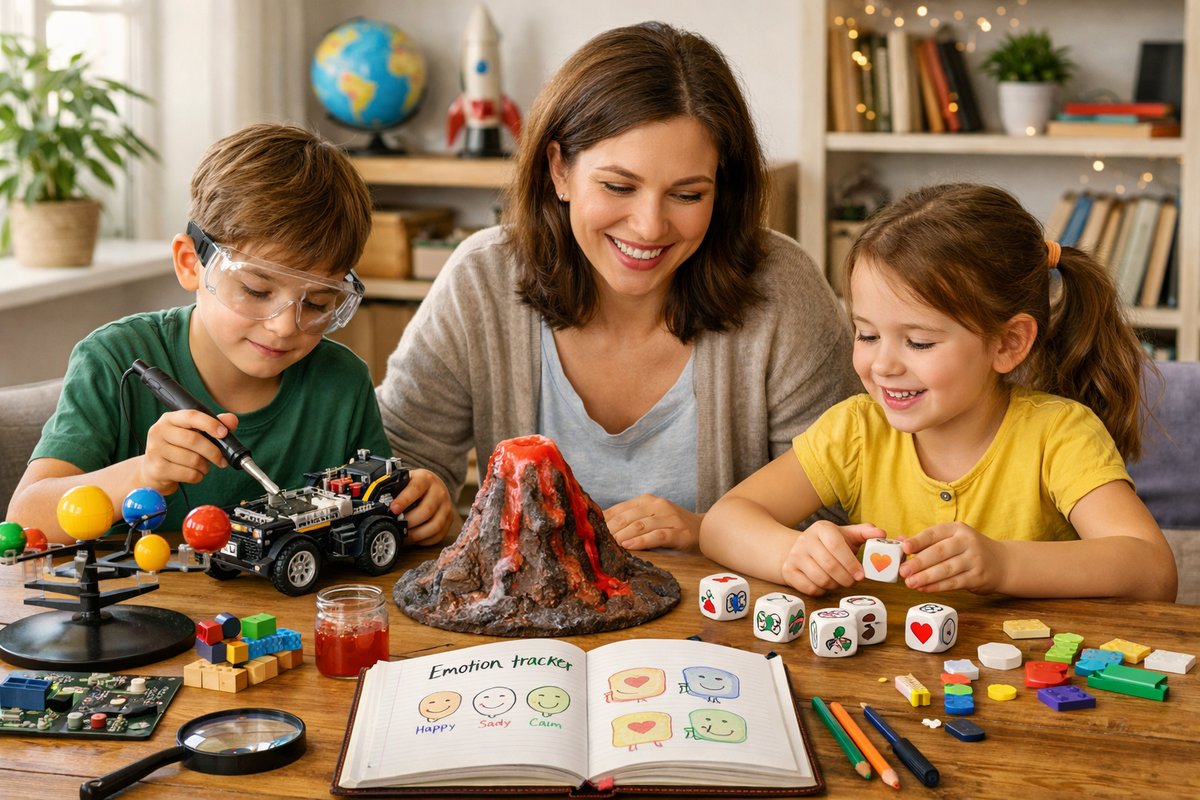
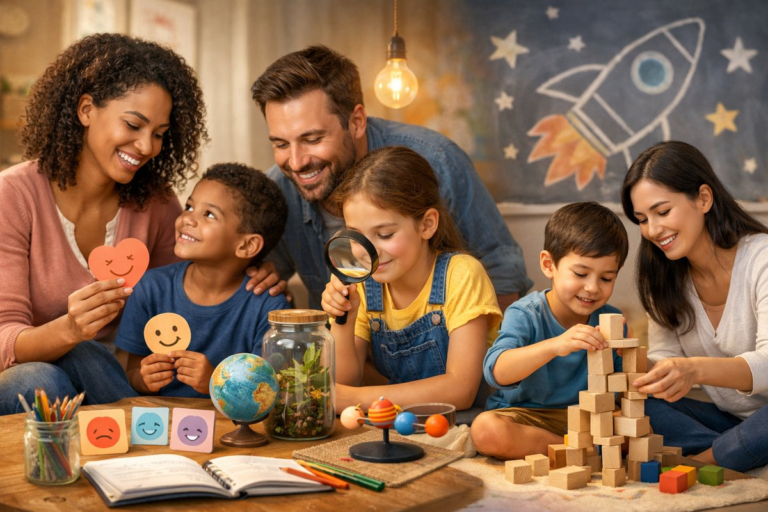
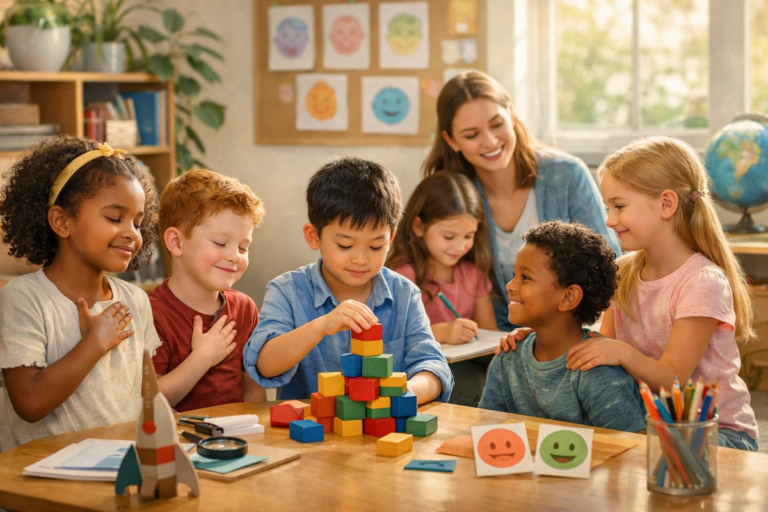
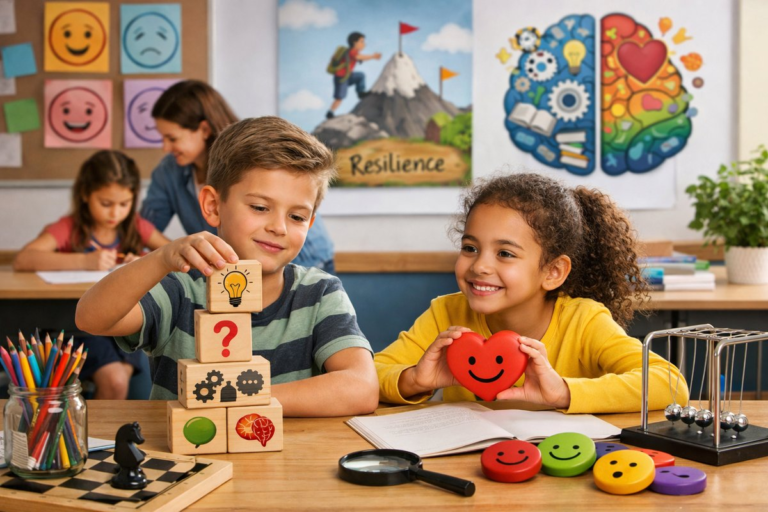
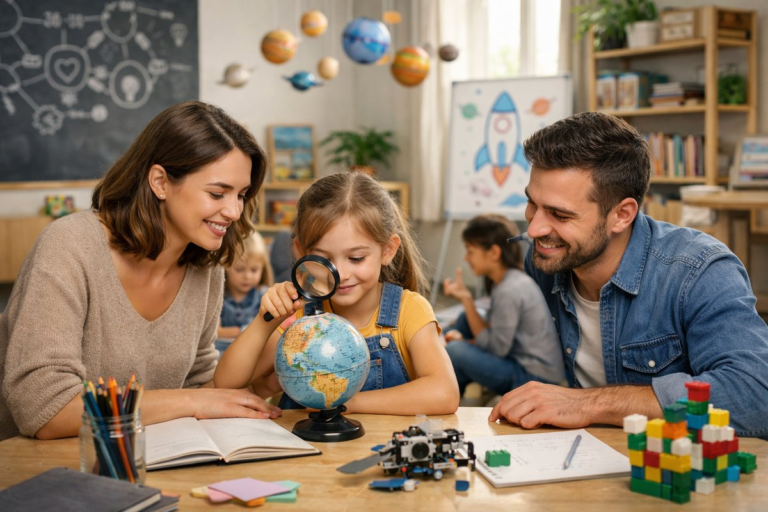
An emerging wave of parents is combining emotional learning tools with hands-on STEM activities at home, aiming to nurture both empathy and curiosity. From emotion-tracking journals to open-ended story dice, these hybrid approaches underscore the joy of raising thoughtful, resilient children.
In living rooms and kitchen tables across the country, a quiet revolution is unfolding. Families are moving beyond worksheets and video lessons to integrate emotional-intelligence tools into everyday at-home learning. As the push for STEM skills remains strong, many parents now recognize that understanding emotions and cultivating empathy are equally vital for children navigating an uncertain world.
Recent studies by child-development researchers have found that children who routinely practice identifying and expressing feelings show greater resilience in the face of setbacks-and more enthusiasm for tackling complex tasks. That insight has sparked interest in products and routines that pair emotion vocabulary with science experiments, open-ended construction play and digital creation.
In one suburban household, siblings aged 7 and 10 begin their day by flipping through a deck of emotion cards. Each child draws a card-“excited,” “nervous,” or “proud”-and takes two minutes to share a personal story linked to that feeling. This simple ritual, parents report, sets a tone of openness and curiosity before their math puzzles and coding challenges.
Across town, a single parent balances a month of mindfulness journaling with weekend robotics builds. After assembling a solar-powered rover kit, the family pauses to write down what surprised them most. Was it the gears meshing so smoothly? The bright hum of the solar motor? Or the sense of teamwork as they problem-solved together?
Experts say this blending of heart and head offers clear benefits. “When children connect scientific inquiry with emotional reflection, they develop deeper critical-thinking skills and stronger self-regulation,” notes a child-psychology professor who recently presented on the trend at a national education conference. “Emotional vocabulary can become the launchpad for scientific curiosity-and vice versa.”
Many tools on the market have responded to this synergy. Parents often keep a mindfulness journal on the shelf alongside a constellation projector and a set of modular building tiles. After a night of star-mapping, for example, older kids might jot down how gazing at the Milky Way made them feel small and inspired-then sketch their own imagined galaxy.
These practices extend beyond quiet reflection. Family board games built around empathy and cooperation are also gaining popularity. One popular title asks players to act out real-life scenarios (“Your friend is sad because a project failed”) and brainstorm supportive responses. Another uses dice imprinted with story prompts, encouraging impromptu narratives that weave together science-fiction worlds and heartfelt character arcs.
Parents of toddlers aren’t left out. Simple tools like wooden flashcards featuring expressive faces help very young children match words to emotions. Paired with puppet shows or finger-painting sessions, these flashcards transform basic artistic play into a gentle introduction to feelings-and an early lesson in empathy.
Schools and after-school programs are catching on, too. Teachers now recommend families try a “science-and-self” journal, where each experiment entry includes three sections: hypothesis, materials and emotional response. Did the vinegar-and-baking-soda volcano make the child feel “surprised” or “excited”? How might tweaking the color of the foam change the emotional impact of the experiment?
Parent-teacher communities report that kids who engage daily with both STEM challenges and emotional check-ins grow more comfortable discussing setbacks. They learn to frame mistakes as learning opportunities and articulate frustrations without shutting down-a key skill as they move into more advanced subjects.
Not surprisingly, digital tools have joined the trend. Apps offering guided breathing exercises now include science trivia breaks. Interactive story apps use branching narratives that pivot based on the reader’s emotional choices. One app leads children through a virtual laboratory where they craft potions to soothe an anxious dragon-requiring both chemistry knowledge and emotional problem-solving.
Despite the digital surge, many families cherish tangible materials. A growing number of parents share photos of their DIY emotion-tracking charts on social media, alongside snapshots of homemade catapults and pendulum setups. These visual stories emphasize that learning need not be sterile: it can be a hands-on, messy, heartfelt adventure.
Community libraries and makerspaces have taken notice. Some host monthly “Heart + Science” workshops where families rotate between stations: a robotics corner, an emotion journaling table and a collaborative art wall. Here, a tween might debug a simple circuit, then step back to paint how it makes them feel-melding technical skill with self-expression.
Advocates of play-based learning stress that agency is key. Giving children choice over which emotion to explore or which experiment to conduct helps them feel ownership-adding meaning and motivation. This approach also builds resilience: when kids face a challenge they’ve chosen themselves, they’re more likely to persevere.
Looking ahead, designers of educational products are experimenting with multisensory tools: kits that combine tactile building blocks with soundscapes and color-changing LED strips. A child constructing a bridge model might watch lights shift from calm blue to energetic yellow as they learn to measure weight distribution-turning a physics lesson into a full-body, emotional experience.
For parents balancing work and home life, these tools offer fresh ways to connect. Instead of squeezing in a dry worksheet, they can share a moment of discovery-building a molecule model, reflecting on a recent emotion or crafting a story together around modular shape pieces.
The bottom line: fostering both emotional intelligence and STEM skills isn’t an either/or proposition. As more families weave heart and head into daily routines, they’re redefining what at-home learning can look like-celebrating curiosity, agency and the joy of raising thinkers.
Whether through a mindfulness journal, emotion flashcards, story dice or a solar-powered robot kit, parents are discovering that the path to innovation begins with understanding ourselves.