Location
Mount Vernon, WA 98274

Location
Mount Vernon, WA 98274

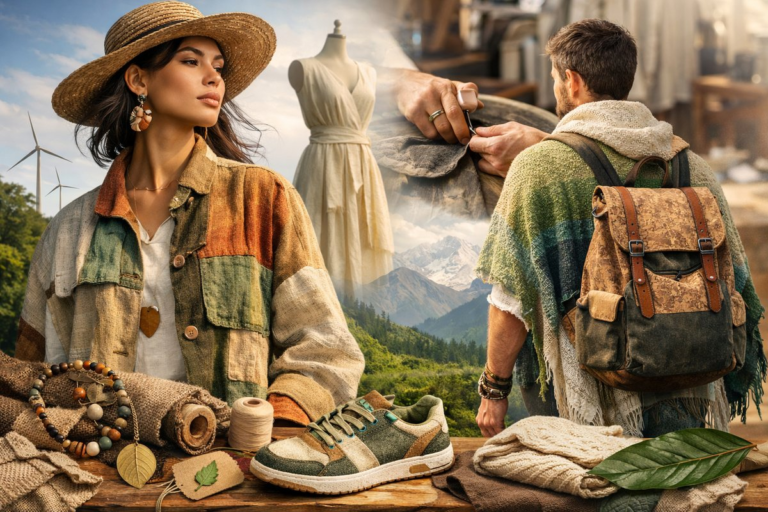
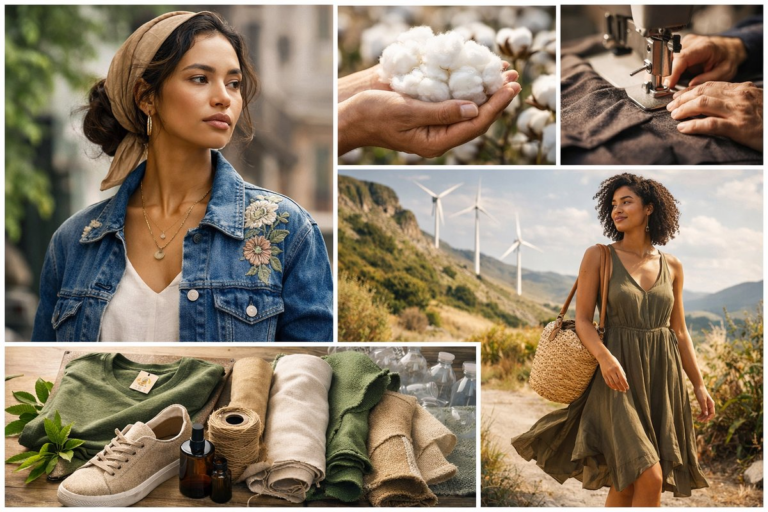
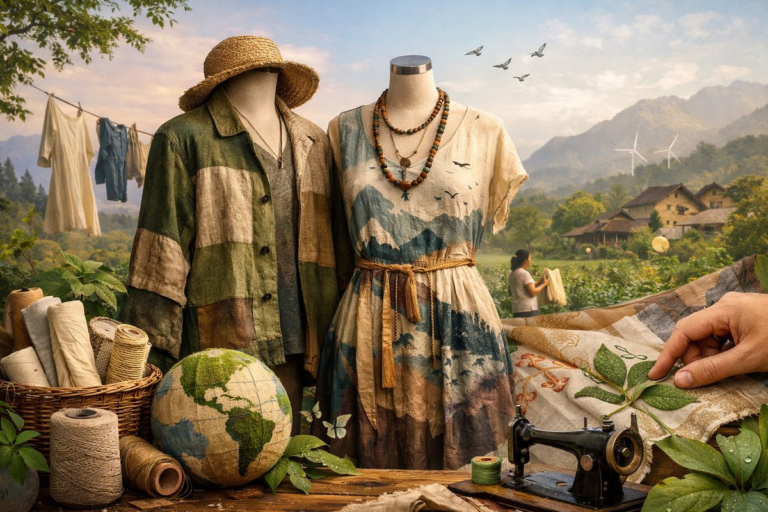
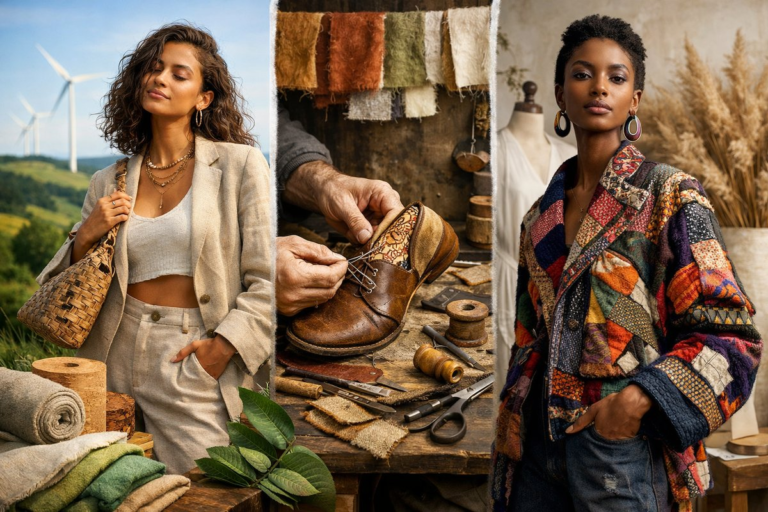
A new wave of designers and innovators is redefining fashion's DNA, blending ocean plastics with mycelium leather, laser-cut modular pieces and digital co-creation platforms. This movement goes beyond aesthetics, rooting itself in circularity, community and craftsmanship-proof that every outfit can carry a story and a sustainable promise.
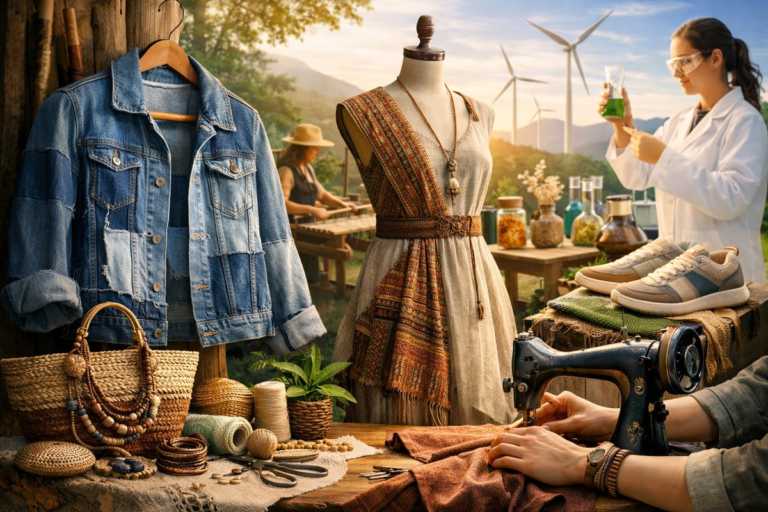
From the sunlit studios of coastal design collectives to high-tech labs in urban innovation hubs, a quiet revolution is stitching together the next chapter of apparel. Industry pioneers are fusing biofabric grown in Petri dishes with reclaimed textiles and digital patterning to deliver garments that aren’t just meant to be worn-they’re crafted to be reborn.
This year saw one of the largest rollouts to date of mycelium-based leather alternatives, produced by fermenting mushroom roots into supple sheets that mimic animal hides. Unlike traditional vegan leathers made from plastics, these fungal leathers decompose in a backyard compost bin within months. A small batch collected for a recent runway show in a European capital sold out in under an hour, underscoring the growing appetite for materials that tread lightly on the planet.
Meanwhile, ocean-bound plastics have found new life in weaving machines. Innovators collaborate with coastal waste-recovery teams to intercept discarded fishing nets and packaging debris before they drift into marine ecosystems. After extensive cleaning and pelletizing, this plastic is extruded into yarn that retains tensile strength for activewear and denim blends. Independent testing labs report that garments containing up to 30% ocean plastic meet or exceed category standards for durability, moisture wicking and colorfastness.
Circularity doesn’t end at material choice. Modular garment design is fast becoming a hallmark of sustainable collections, allowing wearers to customize, repair or reconfigure pieces for changing weather and style whims. One Oslo-based label introduced a zip-on sleeve system that snaps onto a core jacket, enabling rapid adaptation from spring mornings to crisp autumn nights. More than 80 percent of customers surveyed said they planned to mix and match these modules with future releases, hinting at a subscription-based model that could stretch wardrobes across seasons without ever buying a whole new coat.
Digital co-creation platforms are fueling this modular wave. Rather than selecting off-the-rack silhouettes, consumers upload body scans captured on smartphones, then browse swappable closures, pockets and collar shapes in augmented reality previews. Once an order is placed, a network of local microfactories or sewing ateliers finish the piece-dramatically cutting shipping distances and enabling on-demand production.
The environmental impact of on-demand microfactories is striking. A recent lifecycle assessment comparing on-demand local production versus conventional overseas manufacturing and shipping found a 60 percent reduction in carbon emissions per garment. Water usage plummeted by nearly half, thanks to precision dyeing systems that target only the exact fabric quantities needed.
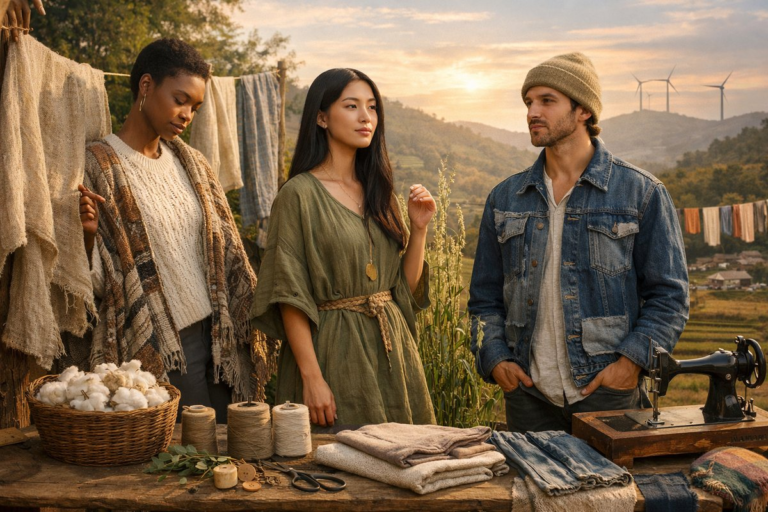
Textile innovation labs have also scaled up with a range of organic dyeing techniques that sidestep toxic mordants and fixatives. Artisanal ferment-dye workshops are teaching plant-based vats-made from turmeric root, madder bark and walnut hull-to larger producers aiming to reclaim heritage processes. The pigments extracted through anaerobic fermentation exhibit exceptional wash and lightfastness, rivaling synthetic dyes without leaching harmful compounds into wastewater.
For craft-oriented consumers, at-home natural dye kits are gaining traction. Each kit includes fiber-reactive natural pigments, a digital guide to setting temperature and pH levels, plus eco-friendly solvents that require minimal water. Thousands of units have sold through community-driven channels, enabling creatives from hobbyists to fashion students to experiment with living colors.
Even packaging is being reimagined. Biodegradable mailers infused with plant seeds let customers plant the wrapper after unboxing, sprouting wildflowers or herbs over the next season. Some brands include QR codes linking to immersive stories of the garment’s origin-profiles of the artisanal dyer, profiles of the fishing net recovery team, or interviews with the microfactory tailor who assembled the stitches.
These narrative-driven experiences tap into consumers’ desire for authenticity. Studies show that 68 percent of shoppers feel more connected to brands that disclose supply chain details and artisan backgrounds. In response, major retail players are opening “transparency labs” in flagship stores-interactive kiosks where visitors trace the journey of a garment from raw material to final sale, complete with tactile sample stations and immersive projection walls.
Yet challenges remain. Scaling biofabric production without compromising quality or ethics demands rigorous oversight and regulatory clarity. sourcing ocean plastics at industrial volumes requires coordinated infrastructure across ports, recycling centers and design studios. Standards bodies are racing to codify certification programs for regenerative fibers, fair-labor microfactories and non-toxic dye processes to safeguard both people and planet.
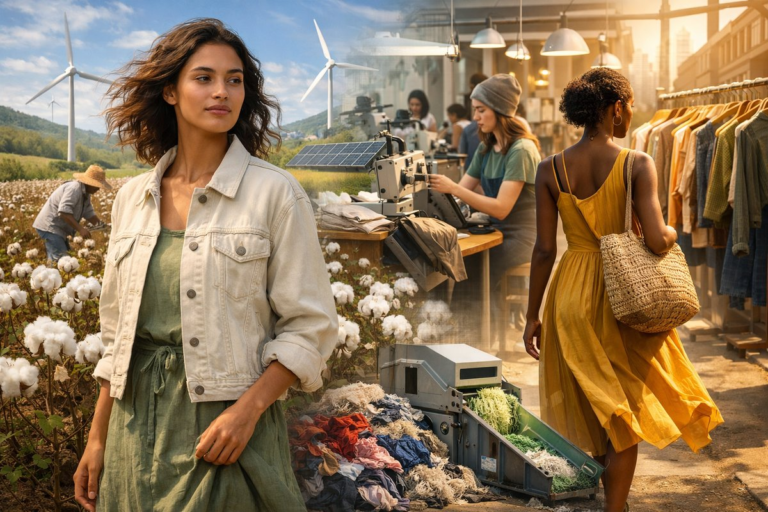
Consumers play a pivotal role too. Wardrobe audits conducted by digital platforms encourage users to extend garment lifespans through repair tutorials and secondhand resale marketplaces. One recent pilot program incentivized customers to return end-of-life textiles in exchange for digital credits-driving a closed-loop textile ecosystem that reduces landfill pressure and brings down raw material costs.
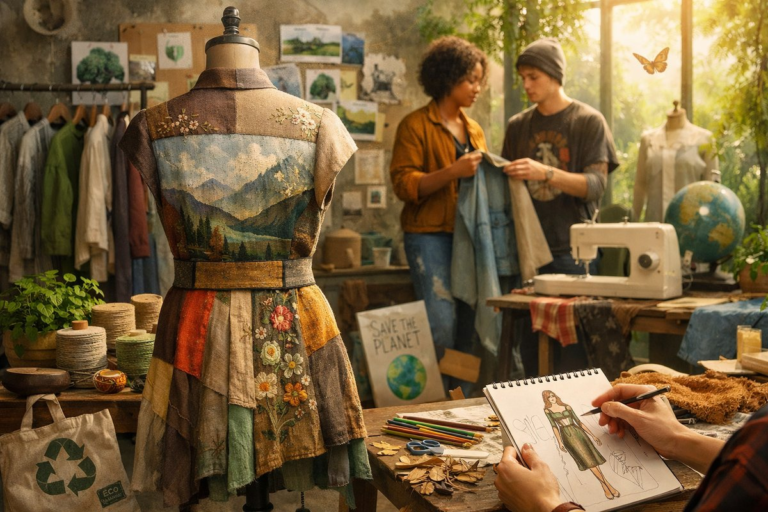
The industry’s rapid pivot toward material innovation and modularity signals more than a trend-it underscores a paradigm shift. Fashion no longer needs to choose between creativity and conservation. By collaborating across disciplines-biotechnology, marine science, digital fabrication and artisanal craft-designers are engineering a future where every fiber tells a deeper story and every stitch embodies shared responsibility.
As we look ahead, major fashion weeks are slated to feature interactive catwalks showcasing live dye demonstrations and wearable tech integrations, like garments embedded with sensor-laced polylactic acid threads that track temperature, humidity and wearer activity. These smart elements promise to guide adaptive styling suggestions and care instructions, extending wear cycles and minimizing maintenance mishaps.
Whether it’s a blazer grown in a lab, a sweater dyed in a kitchen fermenter or a modular raincoat snapped together in minutes, the lines between material science, circular design and personal narrative are blurring. Each innovation carries a message: clothing can be a catalyst for climate action, a canvas for cultural preservation and a platform for personal empowerment-all woven into the fabric of everyday life.