Location
Mount Vernon, WA 98274

Location
Mount Vernon, WA 98274
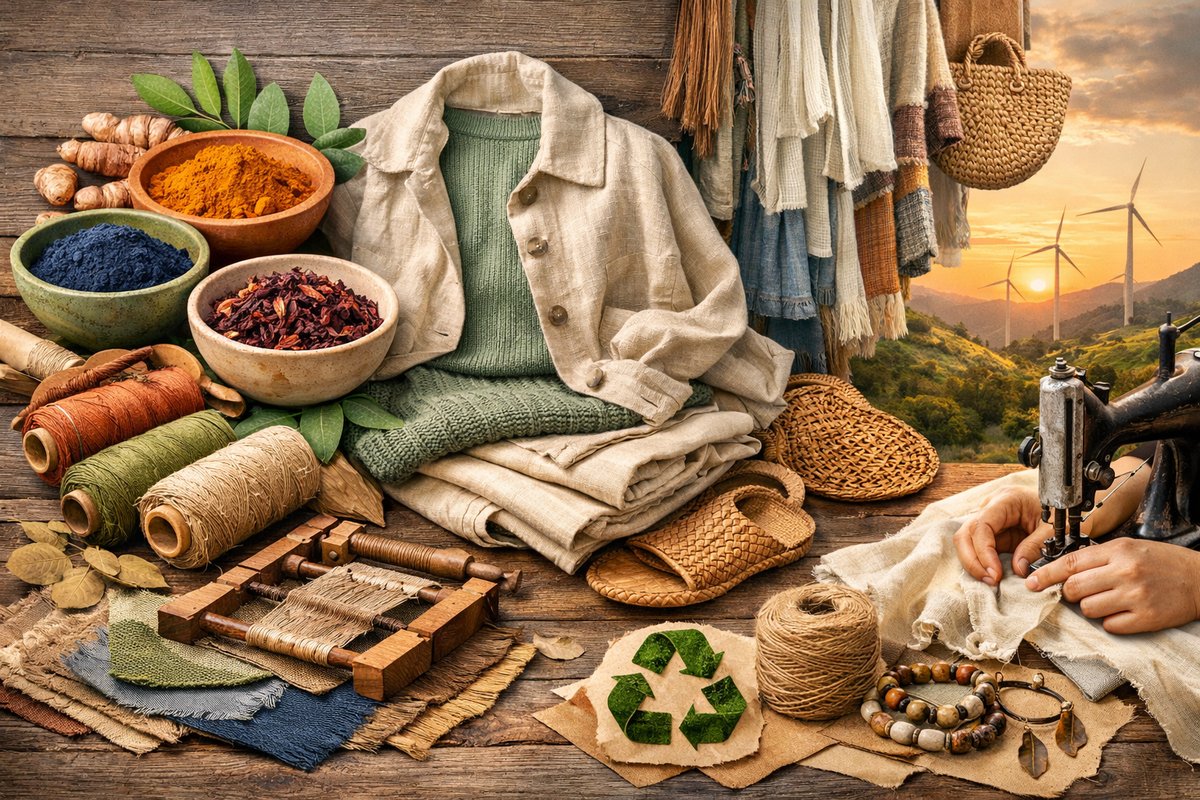
From plant-based dyes to recycled fibers, a new wave of purpose-driven labels is redefining fashion by blending craftsmanship with conscience. As consumers demand transparency and connection, the apparel industry is responding with circular initiatives, artisanal collaborations, and innovative materials that put values at the very heart of style.
Fashion has entered a narrative era, where every stitch carries a story and every fiber delivers a message. Across global runways and neighborhood boutiques alike, designers and retailers are weaving sustainability and ethics into their collections, creating garments that resonate far beyond seasonal trends. As the climate conversation deepens and consumer expectations evolve, apparel is no longer just an expression of personal style-it’s an outward declaration of belief.
A recent summit on circular fashion in Copenhagen underscored the urgency driving this shift. Attendees heard from industry insiders who champion material transparency, explore closed-loop production, and empower local communities. The message was clear: shoppers want to know where their clothes come from, how they were made, and where they will go at the end of their lifecycle.
This demand is reshaping supply chains. Organic cotton fields in Turkey and India are replacing chemical-intensive acreage, while innovative fiber labs are cultivating mushroom leather and seaweed-derived textiles. Recycled polyester-once dismissed as a low-grade byproduct-has been refined into performance fabrics that rival virgin synthetics in durability and comfort. Even classic denim has gone on a green journey, with upcycled scraps and waterless dyeing processes yielding jeans that carry both character and conscience.
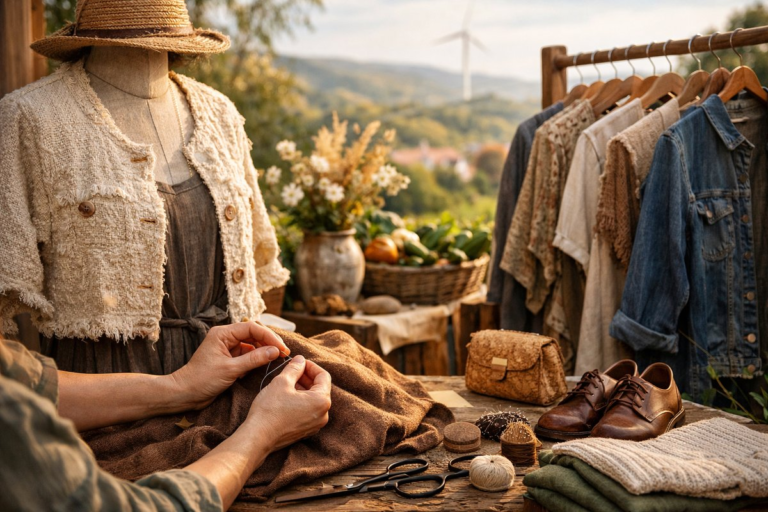
Beyond materials, artisanship is enjoying a renaissance. Independent labels are forging partnerships with indigenous weavers in Guatemala, ceramic beadmakers in West Africa, and traditional silk dyers in Southeast Asia. These collaborations not only preserve heritage craft techniques but also provide vital income streams for vulnerable communities. Each piece becomes a cultural ambassador, telling a story of place, history, and human connection.
At the same time, mainstream retailers are testing new initiatives to close the loop on textile waste. One European chain introduced a garment take-back program in dozens of stores, allowing customers to drop off old clothes in exchange for credit. Returned items are sorted, repaired, and either resold in a dedicated “pre-loved” section or broken down into fiber for reincarnation as insulation or new yarn.
Such programs have sparked fresh thinking about fashion’s end game. Rental platforms for special-occasion wear have surged in popularity, catering to consumers who crave variety without the permanence of ownership. Subscription boxes deliver curated pieces each season, complete with return packaging and instructions to maximize garment lifespan. Even high-end labels are exploring leasing models, acknowledging that luxury can coexist with reduced consumption.
Color itself is evolving toward eco-friendly roots. Plant-based dye kits-using roots, leaves, and flower petals-offer small-batch designers a low-impact alternative to synthetic colorants. Industrial dyehouses are also adopting enzyme baths that cut water use by more than half, while digital printing techniques eliminate the need for run-off treatment altogether. The result is wardrobes awash in vibrant hues that nod to nature rather than harmful effluents.
Footwear, long a challenge for recyclers, is witnessing breakthroughs too. Trainers crafted from recycled ocean plastics are taking center stage, as ocean-cleanup initiatives feed waste streams into modular sole designs. Mushroom-derived leather alternatives are softening into stylish loafers and sandals, offering cruelty-free options that mimic the breathability and strength of animal hides.
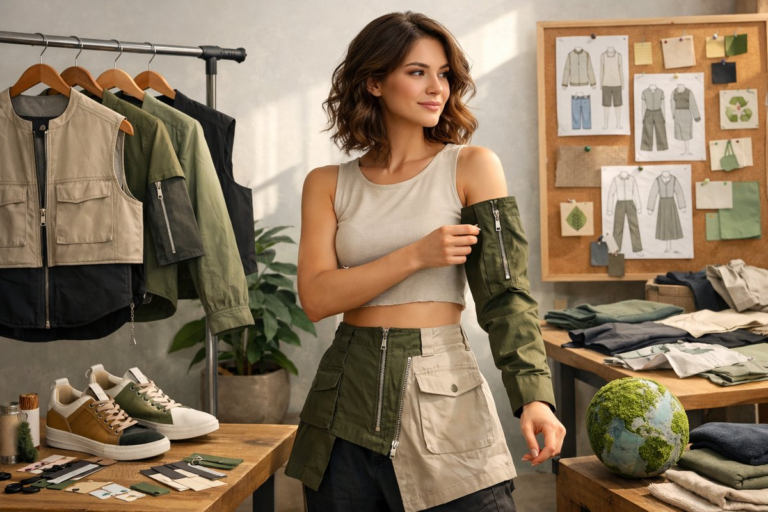
Accessories receive similar treatment. Statement earrings forged from upcycled metals, handbags spun from reclaimed bicycle inner tubes, and scarves hand-woven from surplus mill ends all point to a future where excess becomes raw material rather than landfill fodder. Bold design choices underscore the idea that sustainability need not be drab; bright palettes, graphic prints, and experimental silhouettes can all coexist with responsible sourcing.
This fusion of style and substance resonates especially with Gen Z and younger Millennials. Social media has amplified their voice, turning every unboxing into a platform for brand scrutiny. When influencers showcase capsule collections built around ethical principles, engagement spikes-and competitors take note. The calculus has shifted: authenticity now trumps aspiration, and provenance is as prized as price.
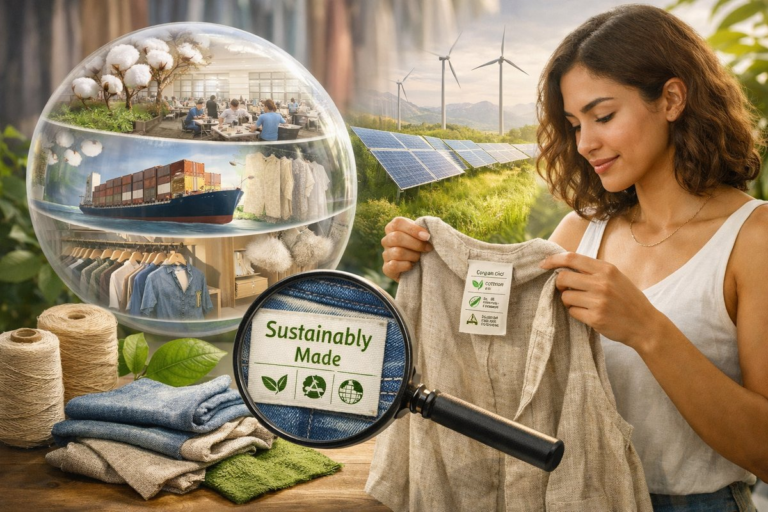
Transparency tools are proliferating to meet that demand. QR codes stitched into garment labels link shoppers to multimedia narratives showing farm-to-factory journeys. Blockchain-backed tracking apps log each transformation step, from cotton harvest to final quality check. As data becomes as intrinsic as design, brands are finding that sharing supply-chain details fosters trust and loyalty.
Yet challenges remain. Scaling regenerative agriculture, standardizing recycling infrastructure, and fostering circular consumer behaviors require coordination across sectors. Small labels with limited budgets struggle to compete on sustainability credentials against corporate giants with deeper pockets. Public policy lags behind innovation, meaning incentives for green manufacturing are patchy rather than universal.
Still, momentum is undeniable. In recent months, a consortium of textile mills in North America announced a pilot for closed-loop denim recycling, aiming to divert thousands of tons of offcuts from landfill. A coalition of luxury houses in Italy unveiled guidelines for shared chemical safety standards, while an Australian fashion fund launched a grant program for Indigenous designers exploring traditional dyeing methods.
On the consumer front, resale platforms report double-digit growth in active users year over year, with pre-loved handbags and designer dresses topping the wish lists. Clothing swap events are popping up in urban centers, offering socially engaging alternatives to fast-fashion haul culture. Even digital avatars in metaverse environments are sporting virtual sustainable looks, proving that mindset matters whether in physical or virtual wardrobes.
As storytelling takes center stage, marketing strategies are evolving too. Campaigns pivot from glossy perfection toward authentic narratives that spotlight maker profiles, highlight real-life wear tests, and share the emotional journeys behind every collection. Editorial content dives deeper into the social and environmental impacts of fashion, inviting readers behind the seams of an industry in transformation.
For the individual shopper, the power of choice has never been greater. A simple click can purchase a certified organic tee, arrange for a recycled fiber coat repair, or book a rental for an upcoming celebration. Closet staples are being reimagined with built-in versatility: reversible jackets, modular scarves that double as face coverings, and detachable embellishments make each piece adaptable to changing needs.
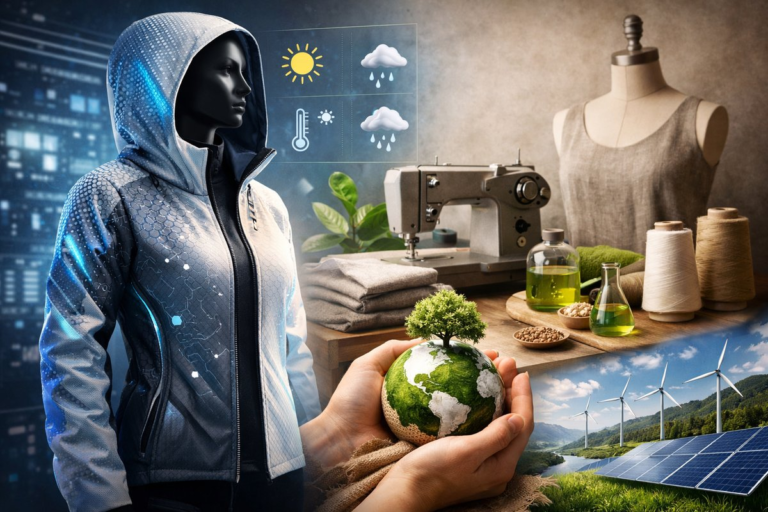
Looking ahead, the fusion of technology and tradition promises further leaps. Biodegradable smart fabrics that monitor air quality or body temperature may soon merge with artisanal patchwork. AI-driven pattern making could optimize yield from irregular yardage, slashing waste before it ever becomes scrap. 3D printing of accessories on demand may eliminate shipping footprints altogether.
Ultimately, the rising tide of purpose-driven fashion reflects a broader cultural shift. Consumers no longer separate what they wear from what they believe. Garments have become a form of dialogue-one that spans continents, generations, and value systems. In a world hungry for connection, clothes are rewriting the rules: sustainability is the new luxury, and authenticity the ultimate accessory.
Whether you’re drawn to handcrafted block prints or pioneering lab-grown leathers, the wardrobe of tomorrow is defined by choice and consciousness. By choosing pieces that align with personal values, consumers participate in a collective story of regeneration, empowerment, and creativity. When style and substance converge, fashion becomes far more than fabric-it becomes a force for positive change.