Location
Mount Vernon, WA 98274

Location
Mount Vernon, WA 98274
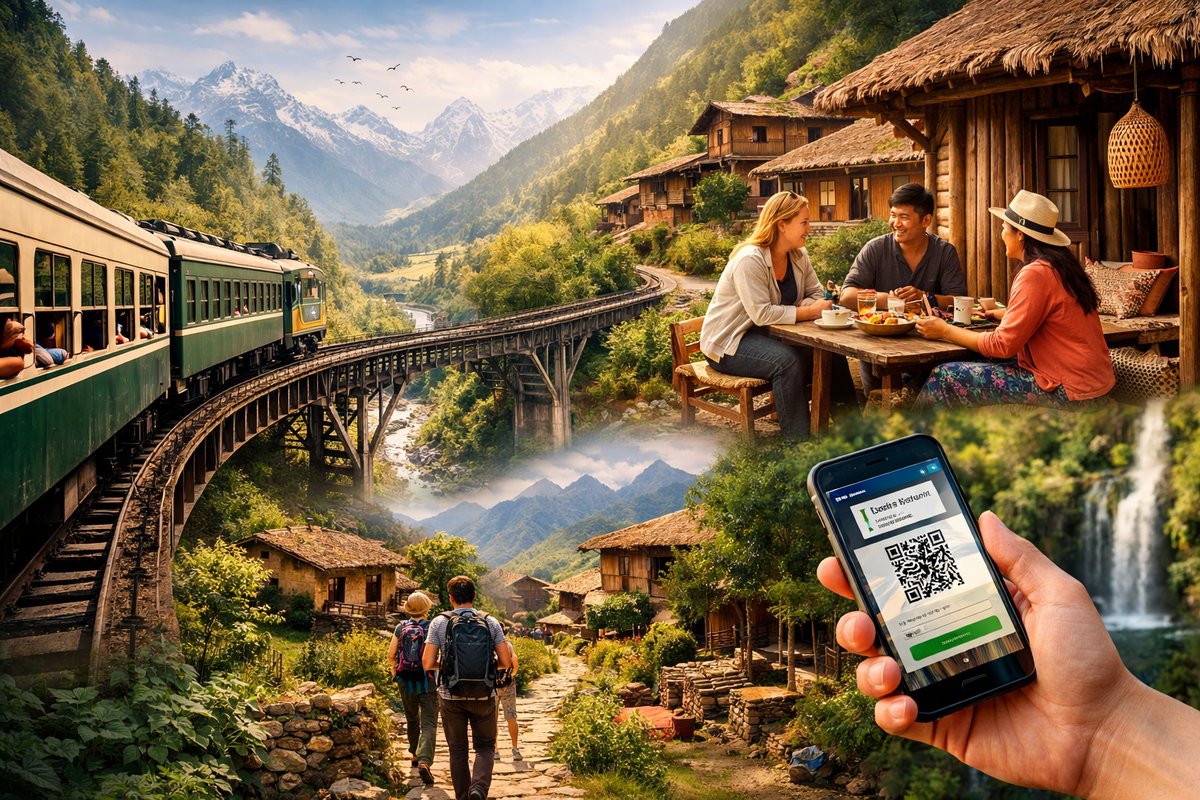
An evolving wave of eco-conscious rail links, community-led lodges, and digital permit systems is redefining the act of going. From refurbished mountain lines to artisanal village stays, these innovations blend low-impact infrastructure with authentic cultural exchanges, inviting travelers to explore fresh pathways that honor local ecosystems and inner transformation.
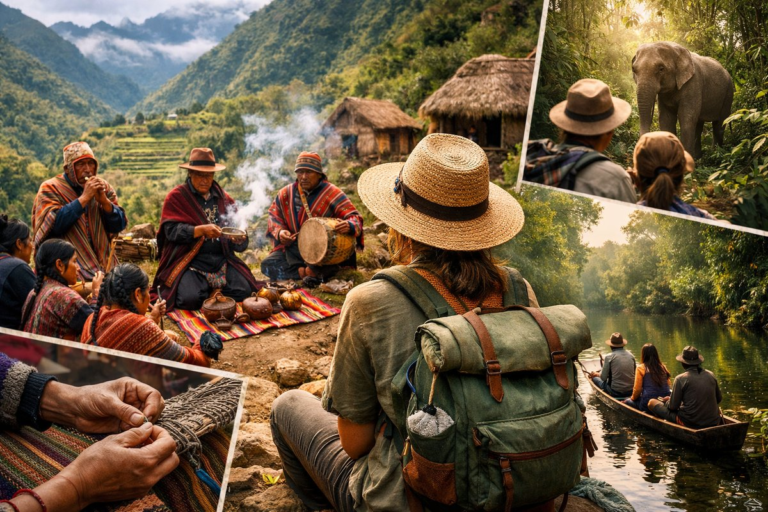
A growing movement in tourism is reframing travel as a journey of stewardship rather than mere sightseeing. In recent months, governments, rail operators, and small-scale hosts have rolled out a suite of projects designed to connect distant landscapes, revive rural economies, and reduce carbon footprints simultaneously. Far from the crowded highways and cookie-cutter resorts of the past, emerging rail corridors, eco-lodges, and digital platforms are offering wanderers a chance to tread lightly, connect deeply with communities, and return home carrying stories that matter.
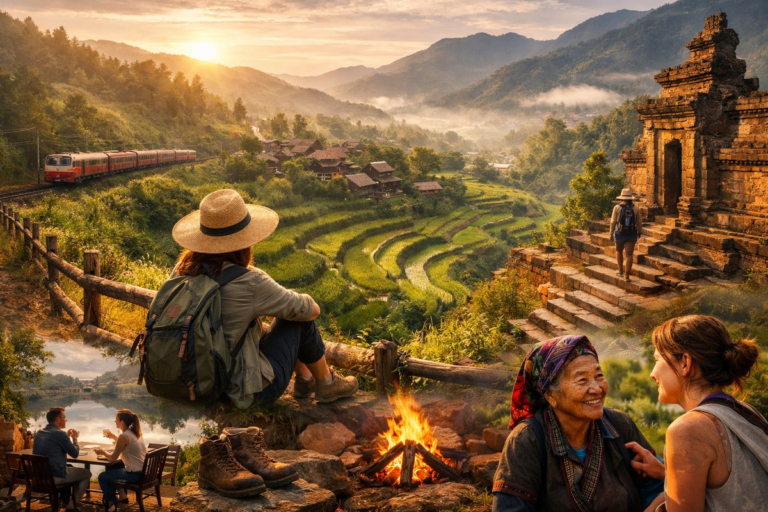
In Central Europe, the long-dormant Carpathian Mountain line recently reopened with new electric trains, reviving a century-old route that winds through deep valleys and spruce-covered ridges. Instead of diesel engines, quiet battery units glide past cliff-hanging villages and artisanal cheese workshops. Travel organizers report a 40 percent uptick in advanced bookings on weekends, and conservationists praise the decision for avoiding new highways. Along this corridor, local cooperatives have set up pop-up cabins made from reclaimed timber, offering hearty porridge breakfasts, foraged mushroom hikes and interpretive talks on wildlife corridors.
Half a world away, an experimental cluster of off-grid eco-lodges in Costa Rica’s Pacific foothills is attracting curious guests seeking sensory immersion. Each cabin uses solar panels, rainwater-harvesting roofs and composting toilets. Hosts craft plant-based meals from on-site gardens and teach workshops on native fruit propagation. Interior finishes use low-VOC paints and salvaged bamboo, while outdoor decks open onto a canopy of amate and guanacaste trees. Travelers can volunteer on reforestation plots in exchange for a discounted stay, forging ties with local wardens and monitoring seedlings as they grow toward the canopy.
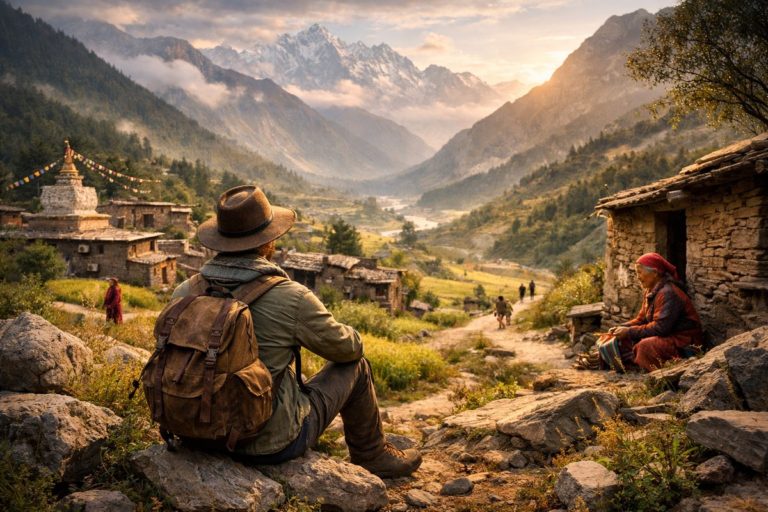
In Morocco’s High Atlas region, community-run guesthouses are emerging in villages that once relied solely on seasonal cash crops. Local cooperatives converted spare rooms into simple riads, installing solar-powered lights and gravity-fed showers. Guests can help prepare tagine meals, learn traditional weaving from village elders, or guide donkey caravans along ancient mule tracks. Profits are reinvested into education and well-well projects, elevating household incomes and curbing urban migration. Travelers report profound satisfaction in witnessing the direct impact of their stay on community wellbeing.
Over in the Italian Dolomites, a new digital permit system is streamlining access to fragile trail networks. Hikers now reserve time slots via a mobile app, with GPS-verified check-ins at key trailheads. This tech-driven solution was pioneered after peak-season crowding damaged alpine meadows. Officials note a 30 percent drop in erosion rates and improved wildlife sightings. Permit fees are reinvested in stone-masonry crews restoring old shepherd huts, preserving vernacular architecture for future visitors and local youth apprentices.
Patagonia, too, is seeing the revival of long-forgotten routes. A consortium of national parks recently cleared decades of overgrowth to reconnect mountain passes that once linked gaucho outposts. Backpackers can now traverse a 250-mile circuit through lenga forests and glacial valleys, camping at solar-powered backcountry huts. Rangers monitor human-wildlife interactions via satellite beacons, ensuring that puma and guanaco herds roam undisturbed. Eco-tour operators are offering mixed-group treks with local guides, pairing physical challenge with cultural storytelling around evening campfires.
In Southern Italy’s Apulia region, slow-travel itineraries spotlight artisanal olive presses, coastal fishing villages, and baroque town centers. Small-group food tours pair home-cooked lunches with museum visits to olive-oil presses dating to the 16th century. Travelers stay in restored farmhouses with rooftop terraces overlooking centuries-old groves. Hosts share heirloom seed-swap sessions, encouraging gardeners to propagate rare local varieties. This fusion of gastronomy and heritage preservation is earning praise in culinary journals and drawing food lovers eager to support traditional methods.
Behind these diverse projects is a shared ethos: enrich local life and honor natural systems. An NGO coordinator in the Carpathians points out that tying sustainable practices to economic incentives ensures community buy-in. “When villagers see immediate returns-from guesthouse rentals to forest monitoring stipends-they become custodians rather than bystanders,” she explains. Hoteliers in Costa Rica echo the sentiment: investing in regenerative design attracts a new wave of mindful travelers who respect privacy and tread softly across the landscape.
Quantitative surveys back up the anecdotal accounts. A recent study by an international travel association found that sustainable-travel bookings surged by more than 50 percent in the past year, with two-thirds of respondents citing environmental stewardship as a top priority. Likewise, 70 percent of rail passengers on the Carpathian line say they would have driven instead if the electric service did not exist. These findings reinforce the idea that infrastructure investments in green corridors can shift traveler behavior at scale.
Digital minimalism is another strand in this evolving tapestry. Several eco-lodges now offer “device-free zones” where guests can surrender screens for analog reading, board games and guided meditation sessions beneath ancient trees. In Morocco’s riads, hosts have introduced sunrise sound-walks that encourage guests to notice bird calls and prayer-time rhythms instead of checking email. Such offerings reflect growing demand for psychological respite-an inner journey that complements the physical one.
As low-impact travel options continue to proliferate, experts urge a balanced approach. Over-commercialization can erode the authenticity that drew travelers in the first place. A hospitality consultant warns against overbuilding in fragile areas. “True sustainability isn’t just about planting trees or running on solar-it’s about knowing when to say no, when to let a village or a valley remain off-limits,” she says. Smart permit quotas, rotating access schedules and ongoing community dialogue are vital tools in avoiding overtourism’s pitfalls.
Looking ahead, the travel sector seems poised for further innovation. Plans are underway for hydrogen-fuel trains linking remote fjords, while designers experiment with biodegradable accommodations that dissolve back into the earth. Augmented-reality trail apps are being tested to offer layered historical narratives without installing permanent signage. Meanwhile, small-scale hosts continue refining their craft-blending artisanal hospitality with local rituals, wild-crafted cuisine and meaningful conservation efforts.
In an age when journeys can feel engineered and witnesses to the world’s wonders feel rushed, these pioneering corridors and lodgings remind us of travel’s deeper promise: to expand perspective, foster empathy and cultivate a sense of belonging. Whether aboard a silent railcar through mist-shrouded forests, volunteering in a coastal reforestation nursery, or savoring a farm-to-table supper in a centuries-old courtyard, travelers are discovering that the act of going can also be an act of giving back. And in that exchange-between guest and host, visitor and place-we find stories that continue to resonate long after the journey’s end.