Location
Mount Vernon, WA 98274

Location
Mount Vernon, WA 98274
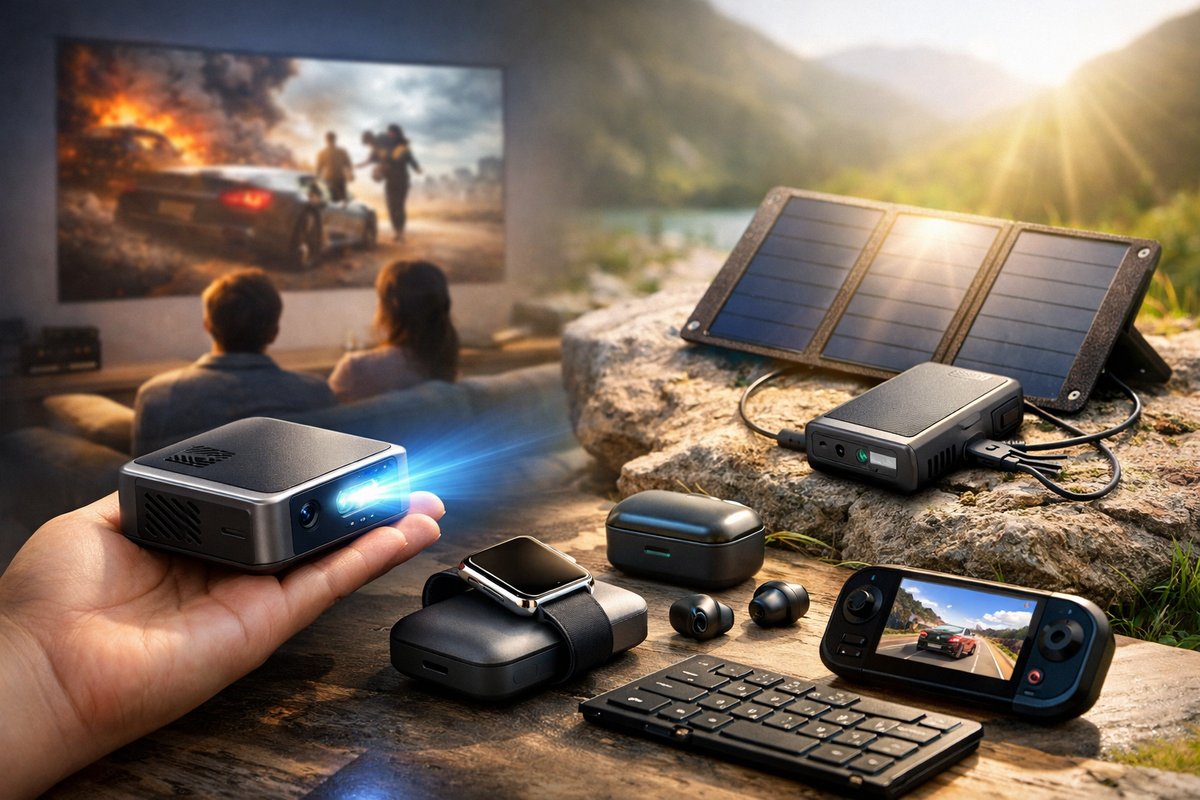
A new wave of ultra-compact devices is reshaping how we work, rest, and play-from palm-sized projectors that turn blank walls into cinemas to solar-powered chargers that harvest sunlight on the go. This article explores the cutting-edge innovations driving portability, sustainability, and seamless connectivity in devices smaller than ever before.
The landscape of personal technology is shrinking. Devices once the size of notebooks have been distilled into credit-card-sized powerhouses, and gadgets that once required a desk or countertop now slip into a palm or clip onto a bag. This leap toward ultra-compact design isn’t just an aesthetic trend-it’s a paradigm shift that affects productivity, sustainability, privacy, and even how we relate emotionally to our tools.
Advances in materials science and micro-component engineering have made it possible to squeeze more battery capacity, higher processing power, and richer connectivity into devices that weigh only a few ounces. Manufacturers are tapping into new battery chemistries, flexible electronics, and innovative cooling solutions to keep heat in check. Tiny thermal pads and graphene-enhanced circuits dissipate warmth efficiently, while foldable printed circuit boards allow electronics to bend or roll when not in use.
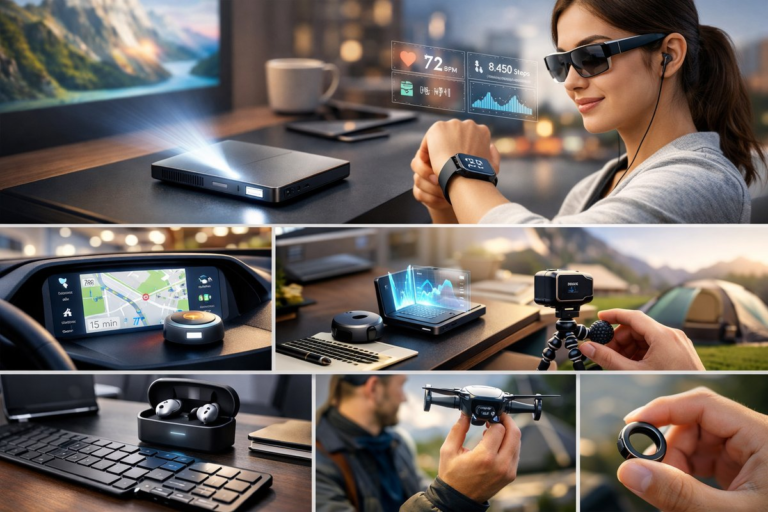
One of the most visible manifestations of this trend is the rise of portable mini projectors. No longer confined to conference rooms or home theaters, today’s LED-and-laser hybrids pack 200 lumens or more into modules smaller than a paperback book. Users can beam movies, presentations, or gaming sessions onto any surface-wall, tent fabric, or even the side of a vehicle-at resolutions up to 1080p. Battery lives range from two to four hours, and some models now include built-in speakers, Bluetooth streaming, and wireless screen mirroring, turning any corner of the world into a multimedia stage.
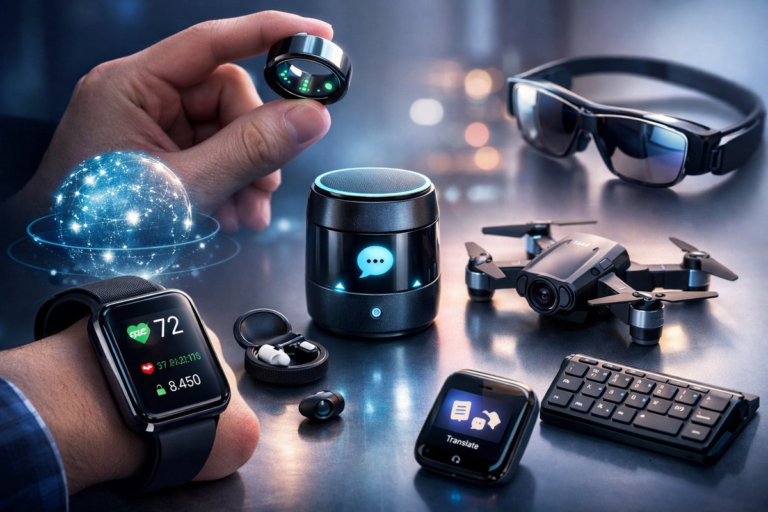
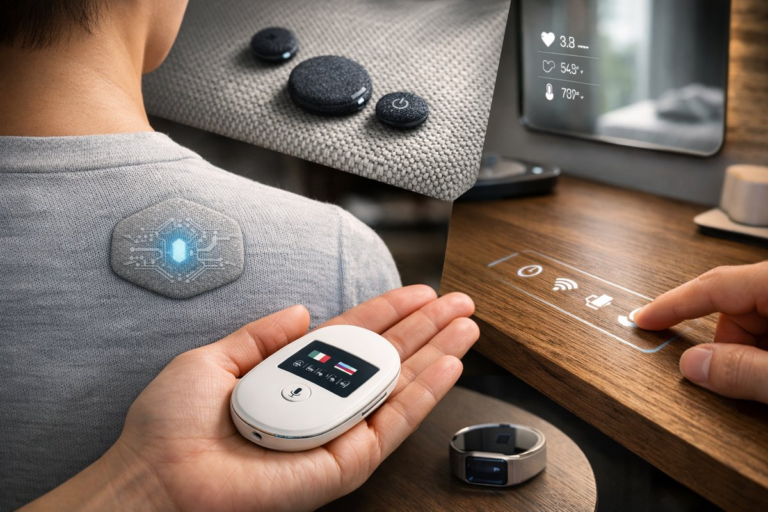
Wearables have also migrated into truly micro form factors. The latest generation of smart rings and fitness bands tracks heart rate, sleep patterns, and blood oxygen levels with sensors no larger than a grain of rice. These sensors leverage near-infrared and photoplethysmography technologies, while onboard AI filters out noise from motion and ambient light. With secure Bluetooth Low Energy transmissions, health data syncs effortlessly to smartphones and cloud portals-yet manufacturers are increasingly offering end-to-end encryption to safeguard privacy.
Rechargeability can be a challenge when batteries shrink, but solar-assisted power banks are stepping in to fill the gap. Compact models incorporate high-efficiency mono-crystalline solar panels that convert up to 25 percent of sunlight into stored energy. When sunlight is scarce, a built-in hand crank or fast-charging USB-C port can deliver a boost. These hybrid designs are indispensable for hikers, festival-goers, and emergency kits, ensuring a trickle of power even when traditional outlets are unavailable.
Keyboards and input devices have also undergone a miniaturization overhaul. Foldable wireless keyboards-thinner than a smartphone when collapsed-unfurl with spring-loaded hinges to offer full-size QWERTY layouts. Backlit keys use low-power LEDs with adjustable brightness, and high-precision dome switches deliver tactile feedback comparable to desktop counterparts. Some lightweight models even include an integrated trackpad or touchstrip, making them ideal for ultralight travel or pop-up workstations in coffee shops.
For creators and DIY enthusiasts, compact multiport hubs have become essential. Modern USB-C hubs weigh only a few ounces yet provide HDMI or DisplayPort video outputs, SD and microSD card readers, multiple USB-A ports, and gigabit Ethernet. Plug one dongle into a laptop or tablet, and suddenly you have an all-in-one docking station. Thanks to pass-through charging support, users can power their host device while accessing external drives or monitors-a huge productivity gain on the road.
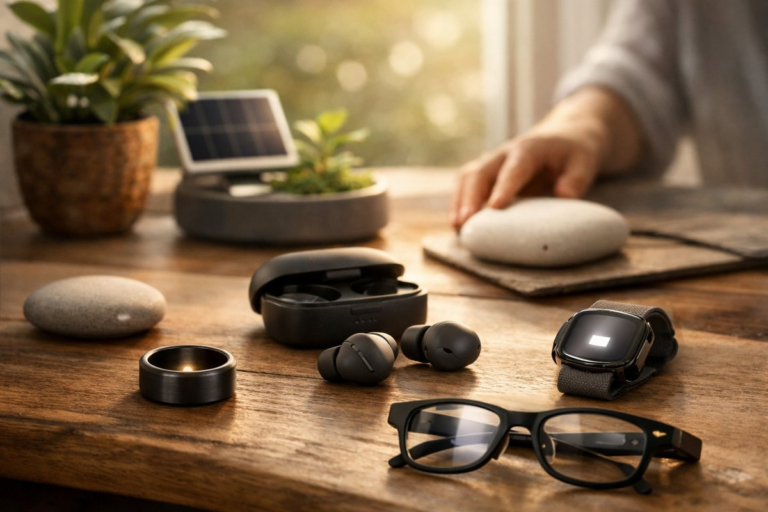
In the realm of audio, true wireless earbuds continue to shrink. New acoustic chamber designs and micro-balanced armature drivers produce surprising bass depth and clarity despite earbud shells measuring less than 20 millimeters across. Active noise cancellation features have migrated into these tiny enclosures as well, with miniaturized microphones and on-chip signal processors adapting in real time to ambient conditions. Battery cases still provide multiple top-ups, making them a must-have for commuters and gym enthusiasts.
Compact drones are another frontier. Quadcopters now fold into palm-sized shells, with obstacle avoidance and GPS-guided flight paths built in. Lightweight carbon-fiber frames and brushless motors deliver stable footage at 4K resolution, while removable batteries offer 20 to 30 minutes of flight time per charge. These pint-sized flyers are ideal for travel photography, scouting hiking routes, or inspecting rooftops and solar panels safely from the ground.
Beyond hardware, software is being optimized for low-power, small-screen, or headless environments. Custom operating systems streamline background tasks and extend battery life by intelligently throttling CPU cores. Edge-AI frameworks allow tiny devices to perform voice recognition, gesture detection, or anomaly scanning without offloading data to distant servers, enhancing both latency and privacy.
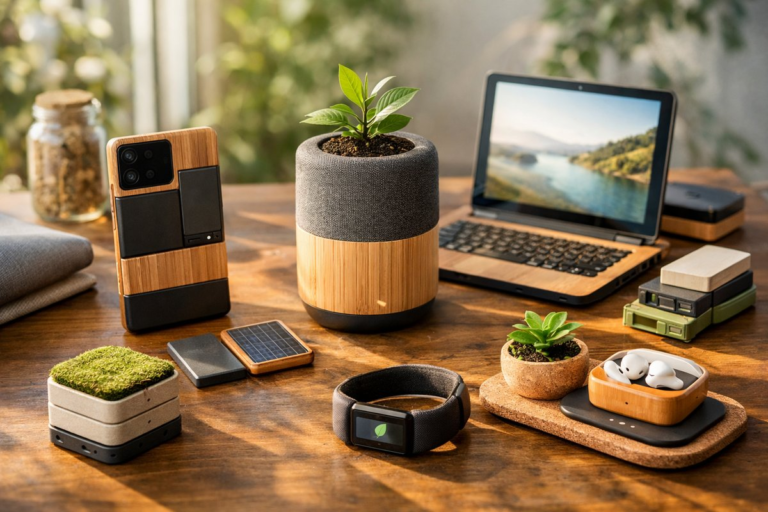
Sustainability is also woven into this mini-tech revolution. Manufacturers are embracing recycled plastics, bioplastics, and aluminum-magnesium alloys to reduce ecological footprints. Modular designs let users replace worn-out batteries or swap out sensor modules, prolonging product lifespans and cutting electronic waste. Some companies offer buy-back or recycling programs that ensure end-of-life devices are disassembled and reused responsibly.
While micro gadgets pack remarkable capabilities, their proliferation raises new challenges. Tracking and managing dozens of tiny devices can become a juggling act-especially when multiple chargers, cables, and docks are involved. Universal charging standards like USB-C and Qi wireless power are helping to harmonize ecosystems, but fragmentation persists. Users must remain vigilant about firmware updates and security patches, as small form factors can make tamper detection harder.
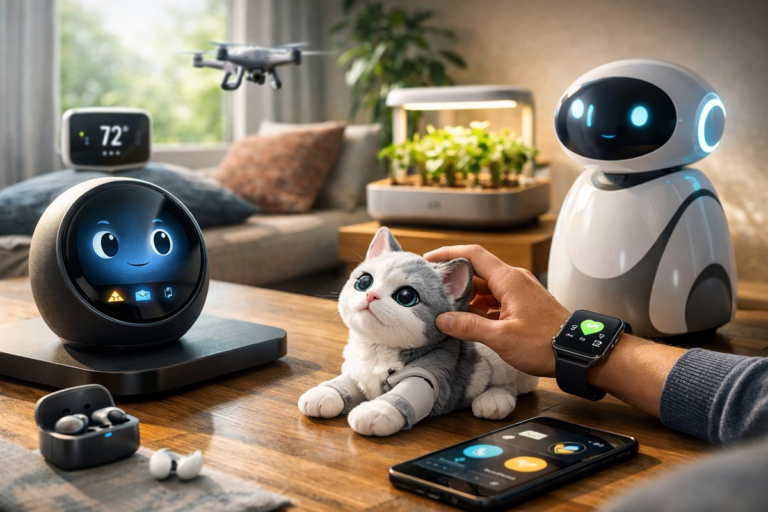
Another consideration is the emotional dimension of tiny tech. Compact devices can evoke delight through their sheer surprise and ingenuity. Yet there’s a counterbalance: small gadgets are easier to misplace or lose. The joy of discovery may be offset by the frustration of misplacing an essential device at a critical moment. Some micro controllers now integrate Bluetooth find-me beacons and NFC tags to help locate lost items, reflecting an acute awareness of this human-machine emotional cycle.
Beyond individual tools, designers are exploring how clusters of micro gadgets can collaborate in seamless ecosystems. Imagine a foldable keyboard, mini projector, and portable hub working in concert to transform a café table into a full-fledged creative studio. Or picture smart rings, earbuds, and AI-powered glasses syncing biometric data to craft personalized wellness routines delivered through subtle haptic feedback.
As we peer into the next horizon, nanotechnology and printable electronics promise even greater feats of miniaturization. Researchers are prototyping sensors so thin they can wrap around fingers or blend into clothing fibers. Flexible batteries could conform to curved surfaces or be woven into textiles, while micro-LED displays might appear on fabric patches or contact lenses.
Yet the human instinct for curiosity remains central. Tiny tech isn’t just about fitting more functionality into smaller packages; it’s about sparking new behaviors and enriching experiences. It invites us to rethink our relationship with the objects we depend on every day-tools that once towered on desks can now join us on cross-country hikes, accompany us into boardrooms, or even whisper notifications on our skin.
The shift toward pocket-sized powerhouses reflects a broader drive toward adaptability, sustainability, and emotional resonance in design. We’re entering a future where our gear doesn’t just serve a single purpose but becomes an extension of our environment and our senses. As these micro marvels continue to evolve, they will challenge our notions of what a gadget can be-and how small it can go without losing its soul.
In the end, the true revolution of tiny tech lies not in its dimensions, but in its ability to reshape possibilities. Whether we’re projecting a movie onto tent walls under the stars, monitoring heart rhythms with a discreet ring, or typing a manuscript on a foldable keyboard at 30,000 feet, micro gadgets are weaving themselves into the fabric of daily life. And as long as they continue to delight, empower, and connect us, we’ll keep searching for the next pocket revolution.