Location
Mount Vernon, WA 98274

Location
Mount Vernon, WA 98274
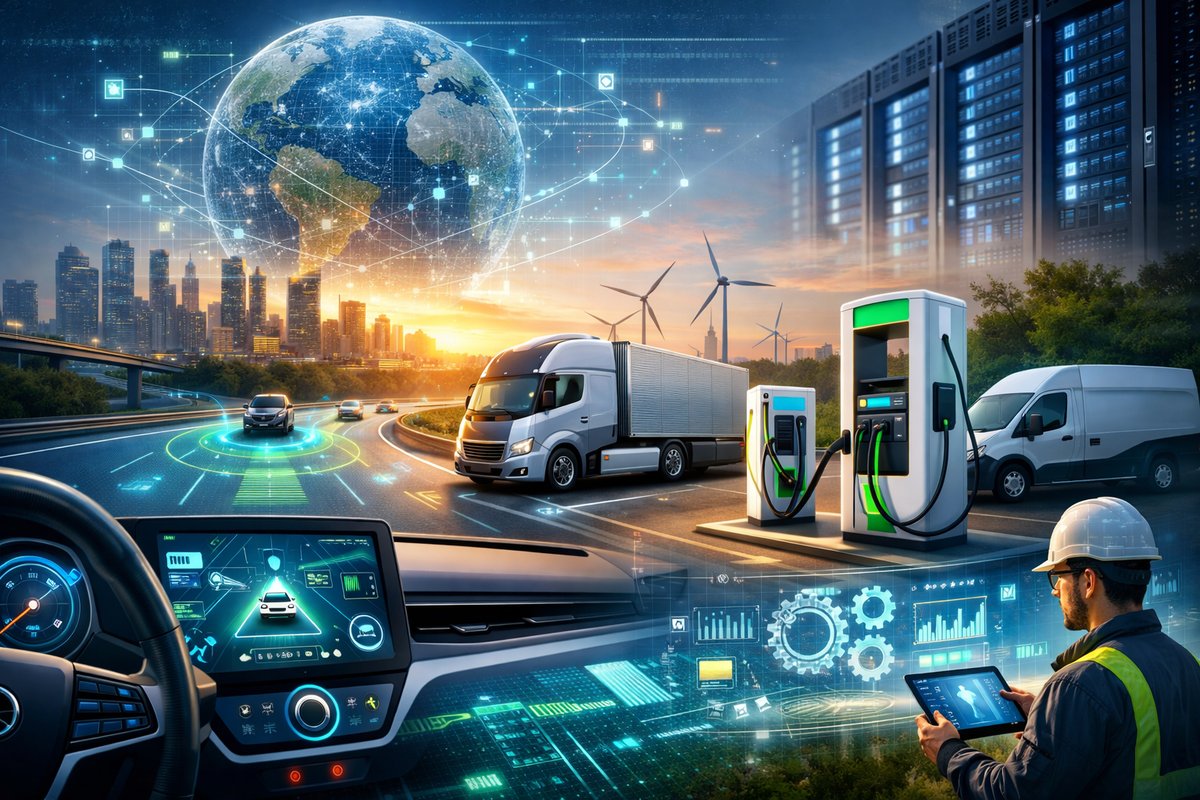
From adaptive cruise control to ultra-fast charging stations, modern vehicles are evolving into mobile data centers and energy hubs. This article explores the latest breakthroughs in electrification, predictive maintenance, and sustainable design that are reshaping how we move goods and people.
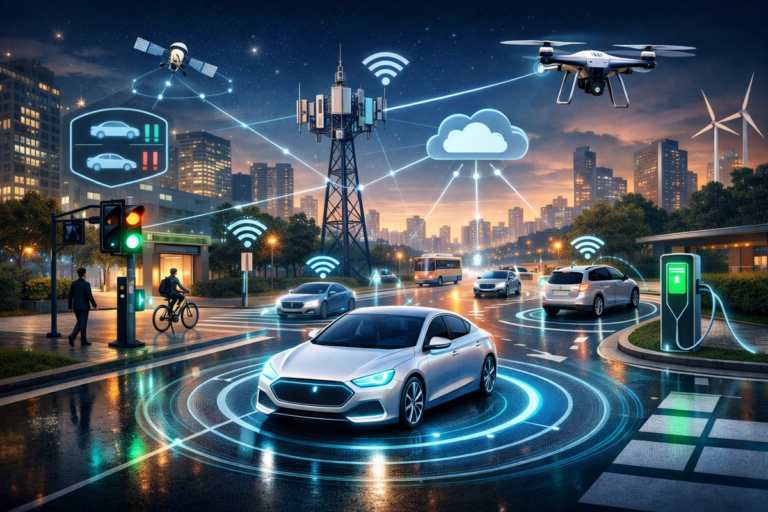
In a coastal city at dawn, a sleek electric crossover glides off its wireless charging pad, its battery management system humming silently as sunlight filters through palm fronds. Behind the wheel, an urban planner watches real-time traffic predictions projected on a transparent heads-up display. Far beyond the mechanical heartbeat of pistons and valves, today’s vehicles are dynamic ecosystems of software, sensors, and advanced materials. They promise not only zero-emissions propulsion but a profound redefinition of mobility itself.
The Quiet Revolution of Electrification
Electric powertrains have moved from boutique prototypes to best-selling models in record time. Advances in cell chemistry and packaging have driven energy density past the 300 Wh/kg threshold once thought possible only in laboratories. A new generation of fast-charging stations routinely tops 350 kW, turning a 10-minute pit stop into a 100-mile extension of range. Yet the quest isn’t simply about speed; it’s about integrating vehicles into the broader energy ecosystem. Vehicle-to-grid technology, for example, transforms parked cars into distributed batteries that can stabilize local power grids during peak demand.
Under the hood, the shift to solid-state electrolytes is gathering momentum. By replacing flammable liquid electrolytes with solid ceramics or polymer composites, manufacturers aim to double energy density while slashing charging times and improving safety. Early testing rigs have demonstrated 80 percent recharge in under 15 minutes, enough to rival a quick coffee break. Meanwhile, sustainable sourcing of lithium, cobalt, and nickel has inspired new recycling initiatives and alternative chemistries, such as sodium-ion and organic polymer cells.
AI Predictive Maintenance: Anticipating Tomorrow’s Breakdowns
Long gone are the days when a check-engine light meant an inconvenient trip to the shop. Embedded sensors continuously monitor vibration, temperature, and electrical currents across every subsystem. Machine-learning algorithms digest this data to forecast component wear days or even weeks in advance. A fleet operator might receive an automated alert indicating that a high-precision electric motor bearing will require replacement after another 5,000 miles – giving technicians ample time to schedule service without derailing delivery routes.
Onboard diagnostics have also grown more accessible. Smartphone apps pair with Bluetooth-enabled OBD2 adaptors to display real-time health scores, fault codes, and efficiency metrics. For drivers, this means giant leaps in transparency. Rather than ignoring a pesky error code, they can see exactly how far an issue has progressed and whether it poses an immediate safety risk.
Augmented Reality and the New Cockpit Experience
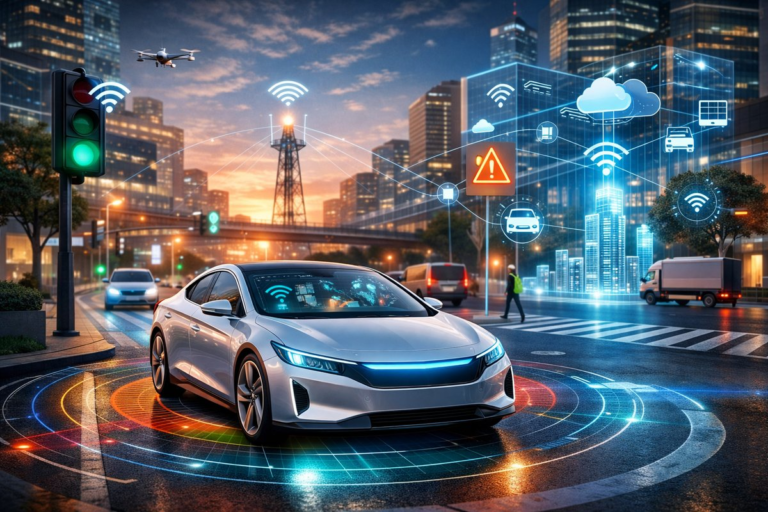
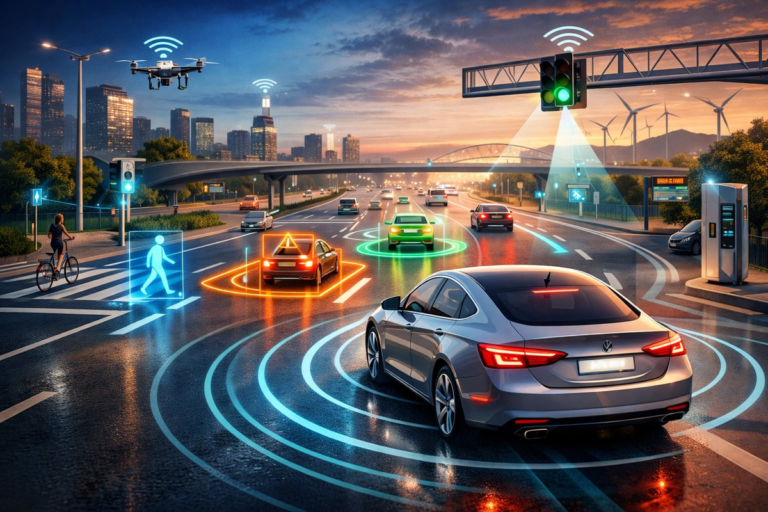
Windshields are no longer just windows; many serve as interactive canvases that layer navigation arrows, hazard warnings, and efficiency tips over the real world. Augmented reality (AR) heads-up displays track head position and ambient light, adapting visuals to reduce distraction. A pedestrian stepping off the curb is highlighted in red before they enter the driver’s blind spot, while upcoming left turns are traced in green along the road surface.
Gesture controls and haptic feedback are also gaining traction. Instead of fumbling for a touchscreen, drivers can swipe in midair to adjust cabin temperature or dial in regenerative braking levels. Haptic elements under the palm rest confirm each selection, letting eyes stay on the road. In a world of voice assistants and data-driven recommendations, intuitive physical interfaces offer a reassuring tactile connection.
Chassis Innovation: Lightweight Strength and Sustainable Materials
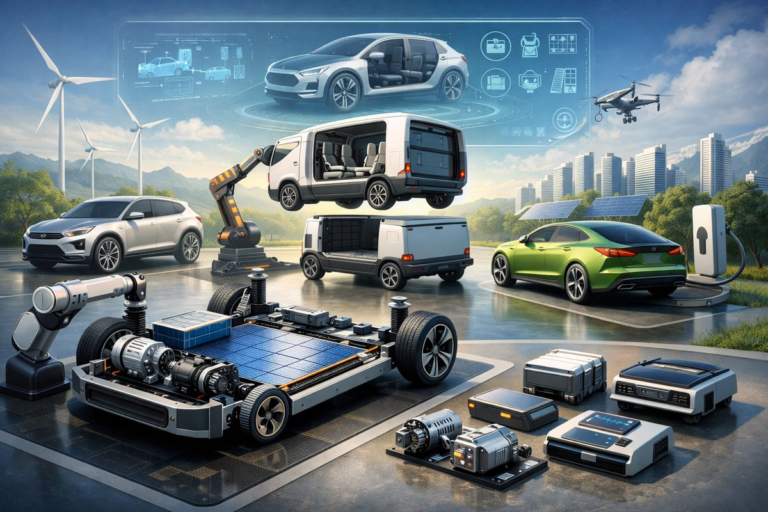
Steel and aluminum remain the workhorses of vehicle structures, but composite laminates, bio-based resins, and recycled plastics are seeping into everything from underbody shields to interior trims. Natural fibers such as hemp and flax, embedded in epoxies, reduce weight by up to 30 percent compared to conventional sheet metal, while delivering comparable crash resistance. Upholstery fabrics spun from recycled ocean plastics augment efforts to shrink the overall carbon footprint of each vehicle.
Manufacturers are also experimenting with 3D-printed components that consolidate dozens of injection-molded parts into a single, hollow structure with internal lattices. This approach minimizes joints and fasteners, cutting assembly time and material waste. Whether in a mass-produced SUV or a limited-run sports car, additive manufacturing is driving agility in design and production.
Charging Infrastructure: Scaling Beyond the Pump
As EV adoption accelerates, the charging landscape is evolving too. Urban planners are embedding inductive pads into parking spaces at shopping centers and office garages. In rural corridors, mobile fast-chargers on trucks can rendezvous with stranded drivers or provide temporary high-power service during grid upgrades. Meanwhile, solar-powered charging canopies double as weather protection and renewable energy generators, integrating battery storage to smooth out intermittency.
Public-private partnerships are emerging to fund ultra-rapid charging corridors along major highways, ensuring that cross-country road trips remain as convenient as ever. Open-protocol networks let drivers plug in at any location, unburdened by app fragmentation or hidden fees. Behind the scenes, roaming agreements and automated billing clear the way for effortless interoperability.
Logistics and the Fleet of the Future
Commercial fleets face their own transformation. Electric delivery vans and semis now share depots with drone launchpads and last-mile robots. Route-optimization software factors in battery health, traffic congestion, tolls, and curbside pickup windows to create dynamic schedules. Charging ceremonies once planned weeks in advance can now flex in real time, thanks to telematics that tie into depot energy management systems.
Fleet managers experiment with digital twins – virtual replicas of each vehicle – to simulate maintenance scenarios, route changes, and even battery degradation over multiple years. These digital clones digest trillions of data points, unlocking insights on how driving styles, environmental conditions, and payload weights jointly influence longevity.
Challenges on the Horizon
Despite runaway progress, challenges remain. Material shortages complicate supply chains for critical minerals. High-power charging places significant strain on local transformers, requiring infrastructure upgrades in older neighborhoods. Cybersecurity threats loom larger as vehicles become mobile nodes in sprawling IoT networks. A hacked sensor could compromise steering, braking, or environmental controls if adequate protections aren’t in place.
Regulators and industry must collaborate on safety standards for autonomous features and fail-safe protocols for software updates. Consumer acceptance hinges on transparent communication – explaining what data is collected, how it’s used, and how privacy is preserved.
A Journey of Curiosity and Connection
For enthusiasts and everyday drivers alike, this era of electrification and AI signals more than technical change. It’s an invitation to rethink our relationship with motion and memory. The roar of an internal-combustion engine may fade, but the thrill of discovery remains. Navigating by AR landmarks, sharing energy with the grid, and tapping into predictive insights will transform every commute into an experiment in efficiency and sustainability.
At its best, automotive technology bridges the human and the machine in emotionally resonant ways. A family road trip powered by solar-augmented charging stations; a delivery driver who avoids breakdowns thanks to real-time health monitoring; a weekend mechanic who fine-tunes software protocols instead of swapping spark plugs. These aren’t distant fantasies but unfolding realities already rolling off production lines today. As vehicles evolve into smart partners on wheels, we’re not just traveling farther or faster – we’re journeying deeper into a networked ecosystem that values curiosity, community, and collective well-being.
Whether you’re an EV pioneer, a fleet operator, or someone simply curious about the road ahead, these innovations offer a compass for navigating tomorrow’s highways. Each spark of creativity, from solid-state breakthroughs to AR-driven dashboards, reminds us that transportation is more than a means to an end. It’s a canvas for human ingenuity, an archive of shared memories, and a catalyst for sustainable change.
Embrace the adventure. Charge up. And keep your eyes on the horizon.