Location
Mount Vernon, WA 98274

Location
Mount Vernon, WA 98274
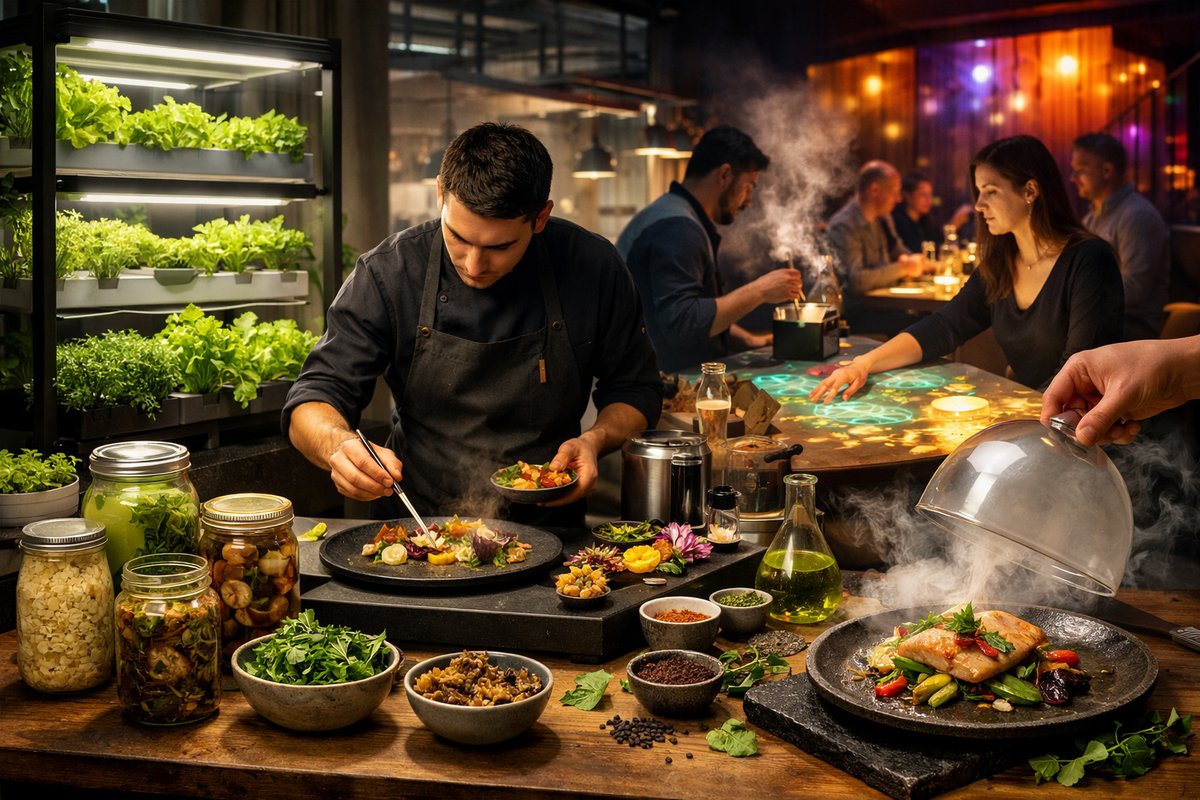
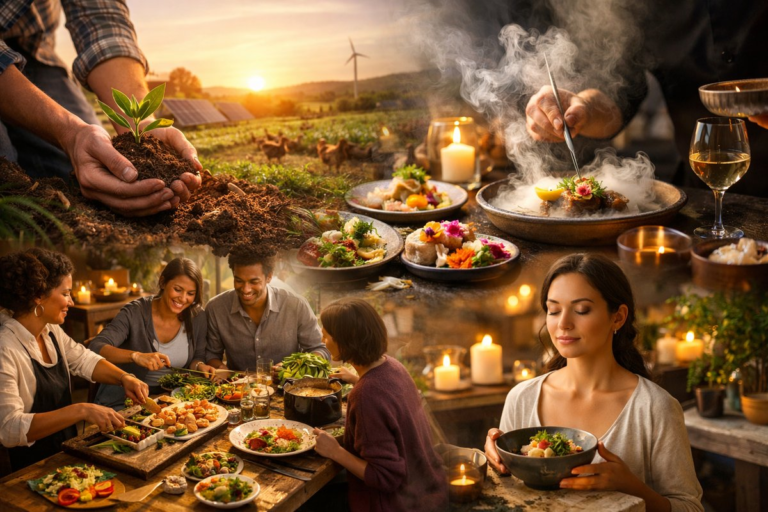
From apartment hydroponic gardens to fermenting wild-gathered greens, new culinary movements are reshaping how we source, prepare and experience food. Across pop-up venues and high-tech test kitchens, chefs and home cooks alike are embracing sustainable ingredients, mood-adaptive meals and multi-sensory dining.
In kitchens and dining rooms around the world, a fresh wave of innovation is redefining how we think about food. Chefs at neighborhood pop-ups are cultivating microfarms on rooftops, home cooks are rediscovering the ancient art of fermentation, and immersive restaurants are engaging all five senses to craft unforgettable experiences. Shifting consumer values around sustainability, wellness and emotional connection have converged with advances in low-cost technology to spark a renaissance in how meals are designed, produced and enjoyed.
Across urban skylines, compact hydroponic and aquaponic setups are taking root on balconies and in repurposed shipping containers. These micro-growing systems make it possible to harvest fresh herbs, leafy greens and edible flowers just steps from the stovetop. In one former warehouse district, a leafy green startup opened a share-your-own harvest co-op, where neighbors pluck tender salad mixes by hand. The low-energy LED lights, water-recirculating pumps and stackable trays allow for year-round cultivation with a fraction of the land and water required for traditional fields. Readers report that the intensely fresh flavor of home-grown basil and microgreens elevates simple dishes, from pasta tossed in olive oil to butter-braised fish.
This hyper-local approach is more than a fad. Recent trials at university agricultural labs found that water usage in vertical stacks can be cut by up to 90 percent compared to conventional row farming. On the demand side, surveys show 68 percent of local-farm share members say the perceived quality and flavor of produce directly influences their meal choices-and even inspires them to cook more often. As urban populations continue to swell, these small-footprint farms promise an alternative pathway to feed densely packed cities while minimizing environmental impact.
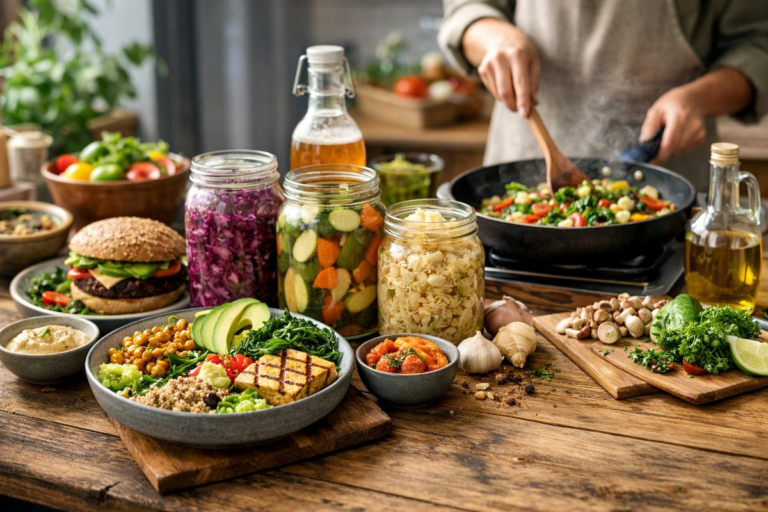
Parallel to the growth of microfarms, fermentation is enjoying a vibrant comeback. Beyond the ubiquitous jar of kimchi or kombucha kit, innovators are experimenting with spontaneous ferments of foraged greens, barrel-aged hot sauces and grain-free cultured cheeses. At a recent fermentation symposium in the Pacific Northwest, guest chefs presented flower-infused sauerkrauts, wild-yeast breads with smoky undertones and probiotic-rich milks derived from nuts. Workshops taught how adjusting salt content, temperature and vessel shape can coax out flavors that range from tangy and effervescent to creamy and delicate.
Fermentation’s appeal goes beyond novel tastes. Scientists have linked a diverse gut microbiome to improved digestion, mood regulation and immune function. This growing body of research has fueled interest in incorporating fermented foods into daily menus, from breakfast bowls topped with lacto-fermented berries to evening stews stirred with aromatic miso. Local grocery shelves now dedicate entire endcaps to house-made pickles and brined vegetables sourced from artisan purveyors. For many, the process of tending jars on a sunny windowsill also provides a satisfying hands-on ritual, connecting cooks to time-honored preservation methods that once helped communities endure seasonal shortages.
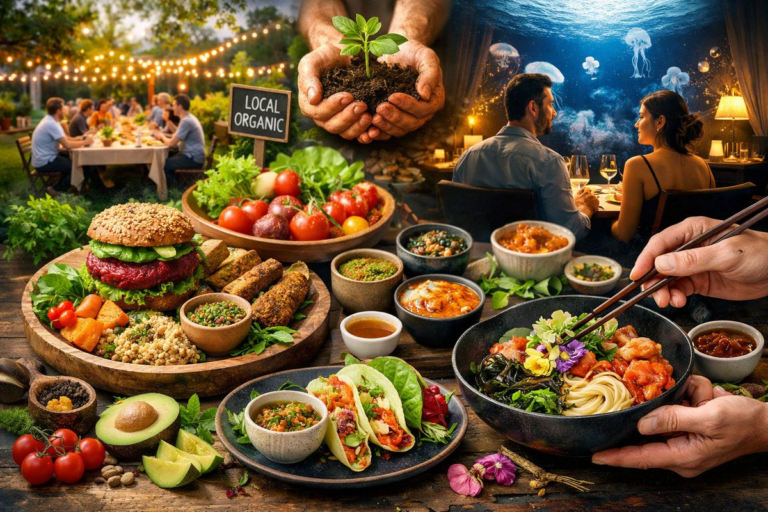
The search for connection and emotion in dining is also driving the rise of mood-adaptive meal experiences. Restaurateurs are collaborating with psychologists and sound engineers to curate playlists, lighting schemes and scent infusions that align with each course. Imagine a warm amber glow and gentle string quartet as you begin with a roasted carrot velouté, followed by crisp white lighting and field recording of ocean waves under a ceviche course. At the finale, a soft lavender haze and distant thunder clap accompany a dark chocolate mousse accented with sea salt. These multi-sensory dinners aim to amplify the pleasure of each bite by engaging more than taste alone.
Event organizers report that guests often describe deeper recollection of flavors and a heightened sense of wonder. One experimental tasting series described by attendees as “transportive” sold out its three-month run in under a week. While such productions can require significant coordination-sound technicians, scent diffusers and custom lighting rigs-they point toward a future where dining out is as much theatrical performance as it is nourishment.
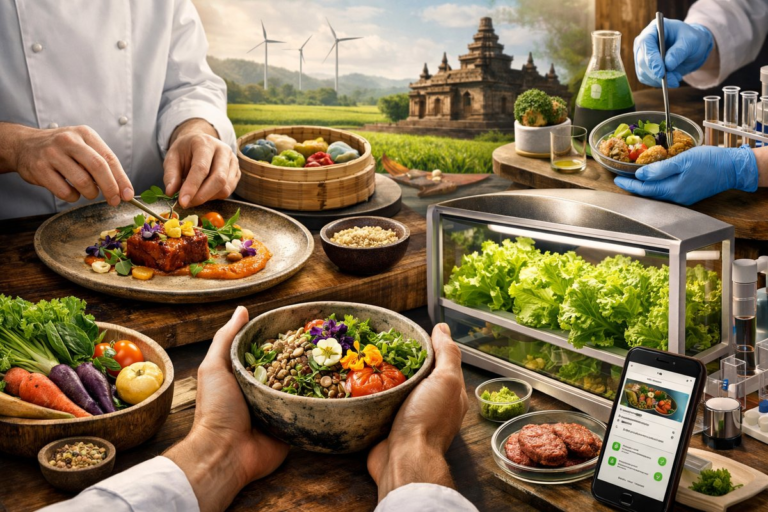
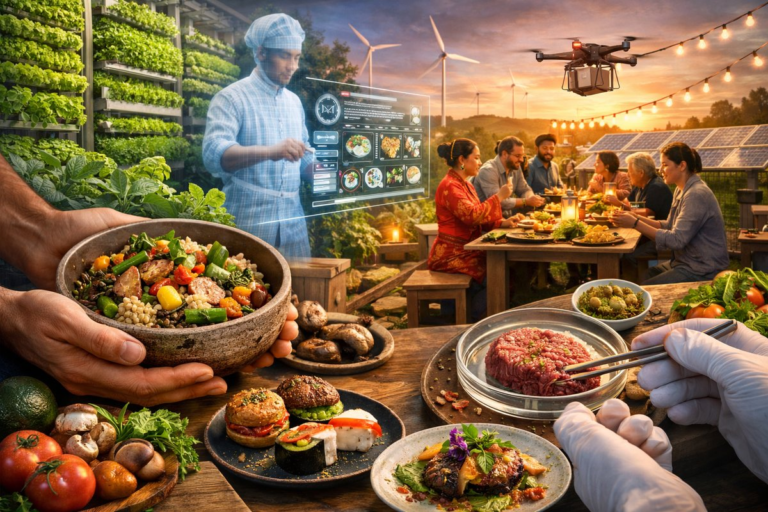
Meanwhile, in test kitchens powered by machine learning, chefs are training algorithms on thousands of flavor compounds to suggest unexpected pairings. Cardamom-dusted chocolate with roasted tomato, or smoked olive oil drizzled over vanilla-infused ice cream, are among the outcomes. These AI-driven tools can also analyze dietary restrictions, seasonal availability and cost data to propose balanced menus that optimize taste, nutrition and budget. Although some traditionalists view this reliance on software as heretical, early adopters praise the speed at which new recipe prototypes can be generated, tested and refined.
Yet technology and experimentation are only part of the story. As supply chains grow more fragile in an age of extreme weather and shifting trade policies, many communities are seeking to reclaim food sovereignty. In small towns across the Midwest, cooperatives are funding community greenhouses where residents reserve plots to grow staple crops. In coastal villages, fishing collectives share solar-powered smoked fish kilns, ensuring that local catches can be preserved and sold outside tourist seasons. These efforts underscore a desire for resilient, transparent systems that maintain cultural traditions and bolster local economies.
Perhaps the most striking trend weaving through all these changes is a renewed focus on stewardship-of land, resources and community well-being. From the backyard fermenter to the high-tech kitchen, cooks are asking: What impact does this meal have on my health, my neighbors, and the planet? This question has spurred demands for regenerative agriculture, ethically sourced proteins (including insect-based flours and algae blends), and zero-waste initiatives, from pressed-juice pulp turned into crackers to spent mushroom substrate upcycled into fertilizer.
As we look ahead, the lines between home and restaurant, farm and lab, art and science are blurring. Culinary innovators are learning that the richest flavors emerge when different disciplines-agriculture, technology, psychology and design-collaborate. For curious readers and novice chefs, the message is clear: tomorrow’s table offers an open invitation to experiment, connect and celebrate food in all its forms. Whether you’re planting your first basil shoot under LED grow lights or piloting a multi-sensory dinner for friends, this moment is defined by creativity, responsibility and the joy of sharing a truly novel meal.
But enthusiasm alone won’t sustain these movements. To thrive, they require tools that make it easy to grow, ferment, measure and present ingredients with precision and flair. Below are a handful of products that can help readers embark on their own culinary explorations, turning ideas from trend reports into dishes that nourish both body and soul.