Location
Mount Vernon, WA 98274

Location
Mount Vernon, WA 98274
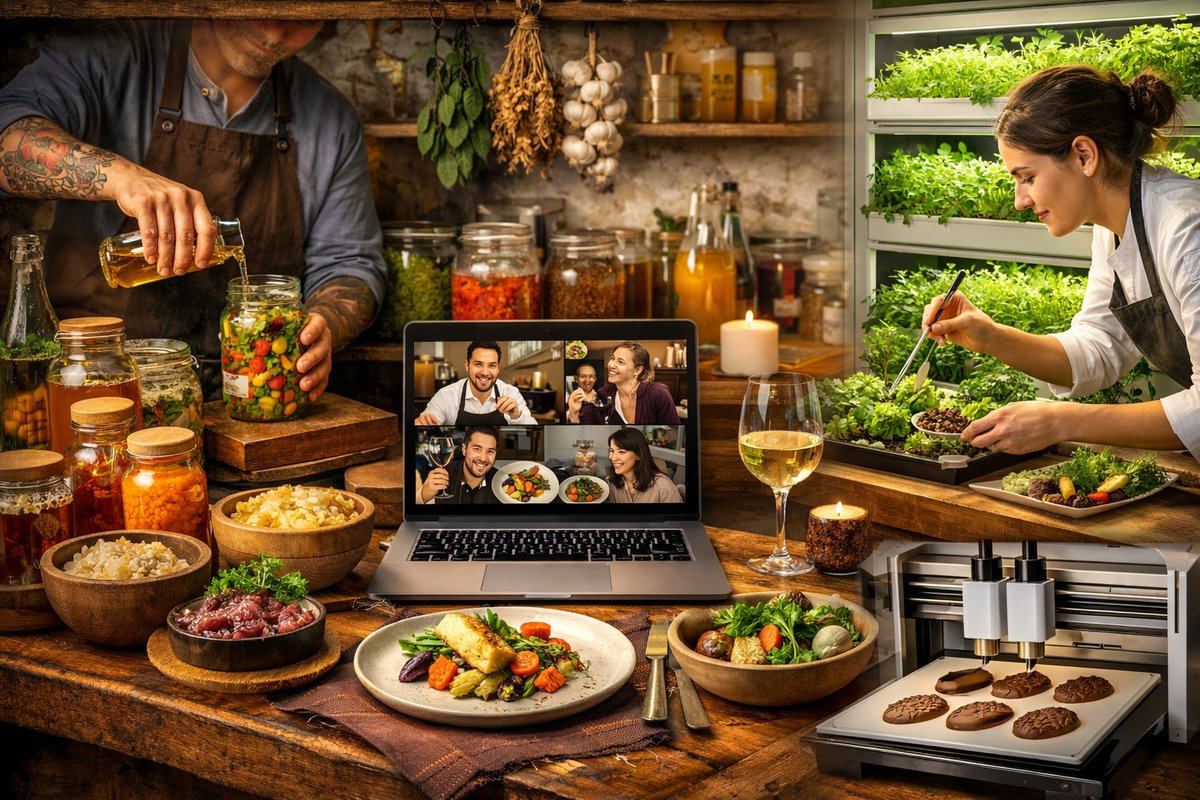
From back-to-basics fermentation bars to browser-based supper clubs, a new wave of culinary trends is weaving community, technology and sustainability onto our plates. Chefs, home cooks and entrepreneurs are blending ancient techniques with modern tools to craft experiences that nourish both body and spirit.
Across neighborhoods and online feeds, a quiet revolution is simmering. It’s not driven by molecular gastronomy or lab-grown protein, but by simple jars of bubbling vegetables, ephemeral pop-up kitchens and kitchen gadgets that promise precision down to the gram. As diners crave connection, authenticity and sustainability, the boundaries between restaurant, home kitchen and digital screen are blurring.
Fermentation Isn’t Just for Pickles Anymore
In cities from Portland to Seoul, “fermentation bars” have popped up as social hubs where patrons sample kombucha on tap, swirl seasonal kimchi and sip sparkling water infused with lacto-fermented berries. A recent survey by a national food association found interest in fermentation techniques has climbed more than 35 percent in the past two years, driven by both health claims and flavor exploration.
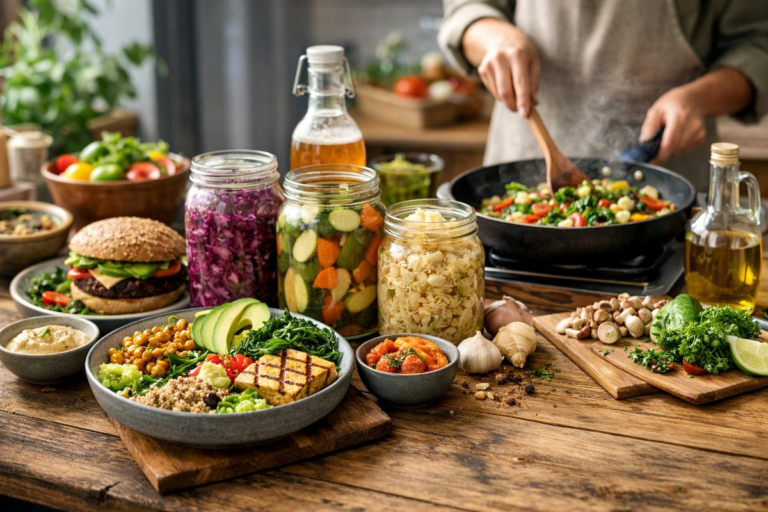
For many home cooks, the ritual of cleansing and packing a jar with cabbage, salt and spices has become a weekly practice. Online communities trade tips on wild yeast sourdough and fruit vinegars, while neighborhood meet-ups invite newbies to swap starter cultures and compare carbonation levels. Beyond probiotics, fermenters are chasing umami boosts-turning discarded vegetable stems into brine, layering miso pastes from chickpeas or rice, and crafting small-batch hot sauces that taste like concentrated sunsets.
Dimensional Dining: Pop-Ups, Ghost Kitchens and Virtual Table Settings
Hot off pandemic pivots, a new generation of chefs is testing menus in temporary spaces-an alleyway garage one week, a rooftop greenhouse the next-before scaling up. Dubbed “pop-up incubators,” these concepts let culinary entrepreneurs trial daring flavor combos without the overhead of a brick-and-mortar lease. One recent series in a former laundromat invited diners to build their own bowls of fermented grains, roast-and-chill pickles, and smoky aioli all at communal tables.
Simultaneously, ghost kitchens-delivery-only micro-brands operating out of shared industrial spaces-are morphing into livestream cooking studios. Customers order a meal kit via an app, then join a live-streamed tutorial led by the same cooks who prepared their ingredients. This blended format is already capturing 22 percent of citywide delivery orders, signaling that many diners crave both convenience and that human touch.
The Global Pantry Gets Personal
As ingredients sourced from afar become staples on store shelves, adventurous pantries now house fermented fish sauces from Southeast Asia next to Icelandic seaweed flakes. Flavors long regarded as niche are moving into home rotations. Data from a specialty ingredient distributor shows a 45 percent uptick in sales of fermented and umami-rich condiments.
Shoppers are curating micro-pantries: clear glass jars glued into cube-shaped spice towers, each labeled with hand-written tags. Salty capers mingle with smoky gochujang bulbs; rose petal-infused salts sit alongside date syrup. The effect is a living, fragrant mosaic that evolves with the seasons and the cook’s mood.
Tech-Forward Meets Old-School Craft
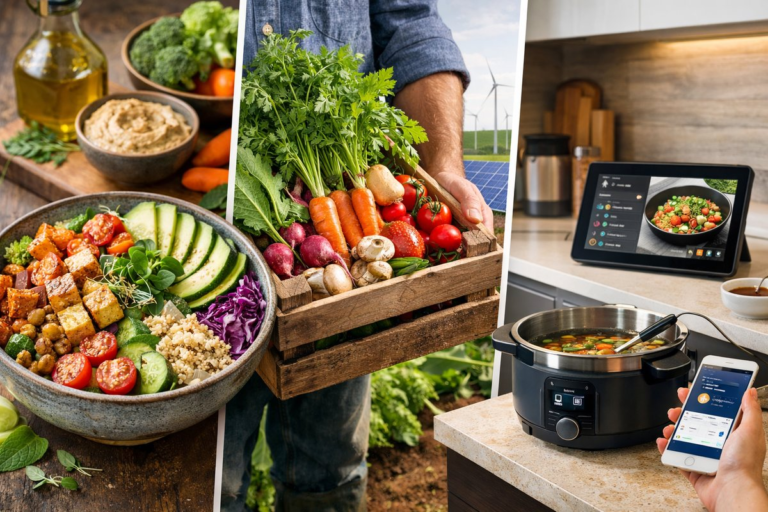
While centuries-old traditions gain traction, tech tools are helping to ensure predictable results. Immersion circulators known as sous vide machines have shrunk in size and price, enabling home chefs to poach vegetables at perfect firmness or coax custard-like textures from gelatin-free panna cotta.
Digital scales with built-in apps guide fermenters through salt-to-vegetable ratios; smartphone-compatible oven thermometers can be clipped in, monitored from across town. Even air-fryers have become precision steamers when equipped with custom water-injection nozzles. Far from undermining craftsmanship, these gadgets free cooks to tinker with more ambitious flavor projects.
Waste Not, Want Not: Upcycling and Closed-Loop Systems
Amid supply-chain snags and rising food costs, zero-waste cooking has moved from a niche lifestyle choice to an operational imperative in many kitchens. Restaurants are partnering with local farmers to collect peels and stalks, which are milled into flour or steeped into broths. Home cooks are following suit: apple cores and onion skins now ferment into vinegar, while coffee grounds nourish balcony herb gardens.
A grassroots initiative in several urban districts has installed communal fridges where anyone can drop off jarred leftovers or surplus produce. Neighbors coordinate weekly “rescue” meals, transforming rescued zucchini into golden fritters or browning bread into tangy croutons.
Fine Dining at Home and the Democratization of Luxury
High-end techniques once confined to white-tablecloth establishments are migrating into residential kitchens. Meal-kit services now offer beautifully plated tasting menus with step-by-step video guides. Virtual wine-pairing helpers suggest local citrus-fermented sake or barrel-rested verjuice instead of pricier imports.
Emerging platforms also connect aspiring chefs with seated dinner bookings in private homes, treating guests to multi-course feasts that rival boutique restaurants. Reviews, tipping protocols and booking systems mirror those of leading travel platforms-signaling a new era where hospitality knows no fixed location.
Looking Ahead: Flavor as Community Catalyst
These trends share a common thread: food is becoming a medium for community, experimentation and sustainability. Whether it’s a jar of lavender-infused yogurt brine shared among neighbors or a livestreamed lesson in caramel-flavored fermentation, culinary culture is evolving into an ecosystem where chefs, home cooks and eaters all play dynamic roles.
As fermenters refine their brine ratios and ghost kitchens test global mashups of street foods, one thing is certain: the next chapter of our collective table will be written not in isolation, but in collaboration-one bubbling jar, one pop-up seat, one shared recipe at a time.