Location
Mount Vernon, WA 98274

Location
Mount Vernon, WA 98274
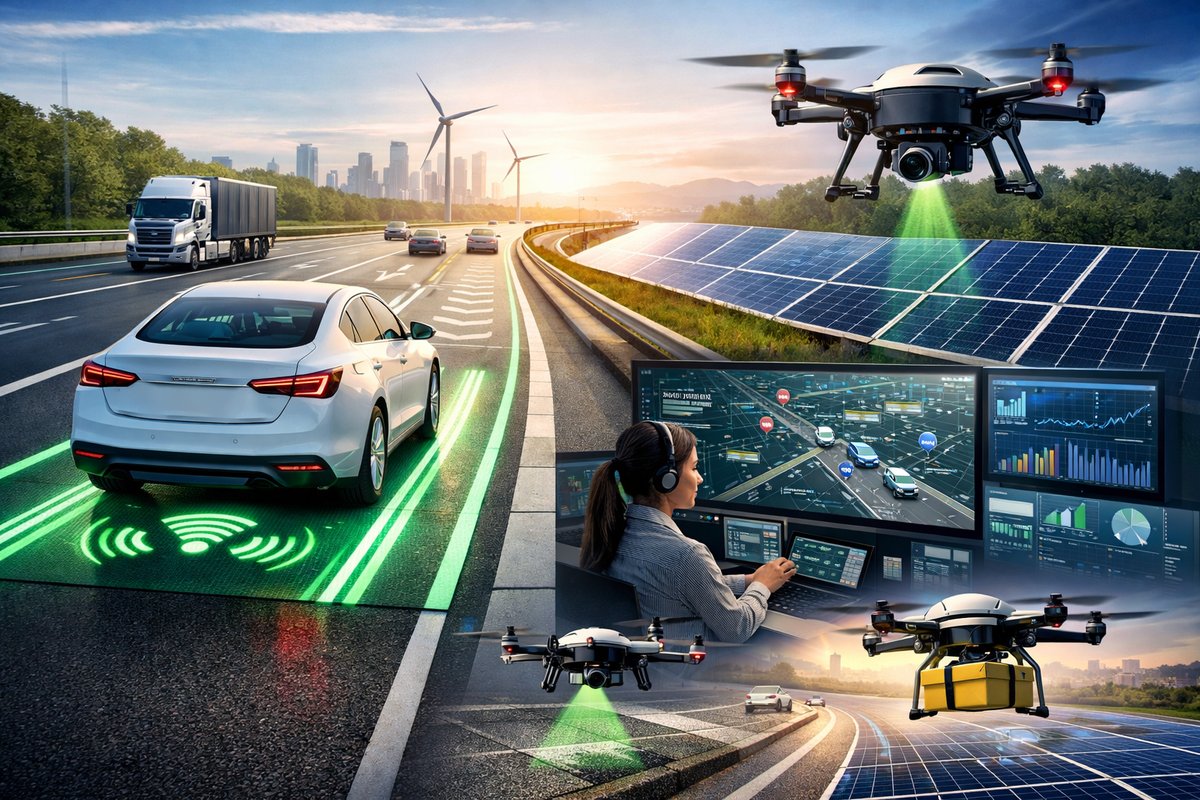
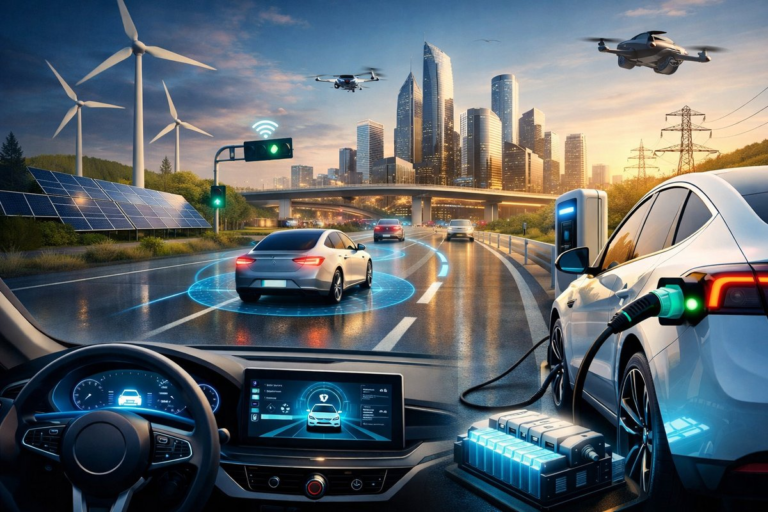
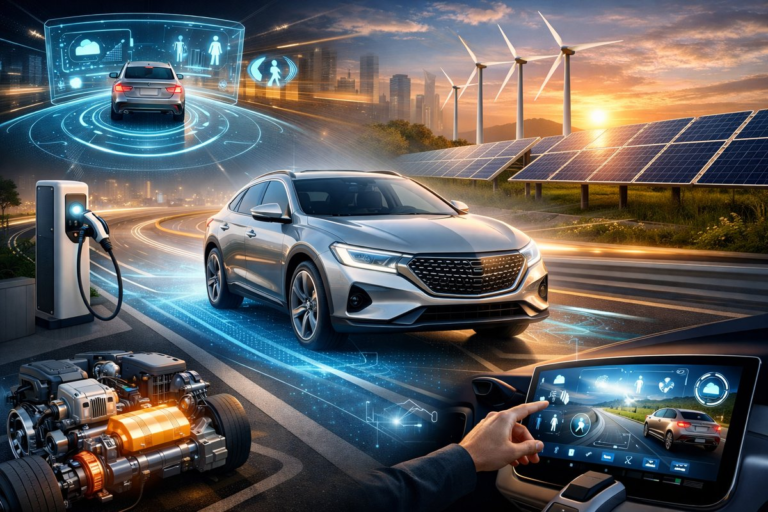
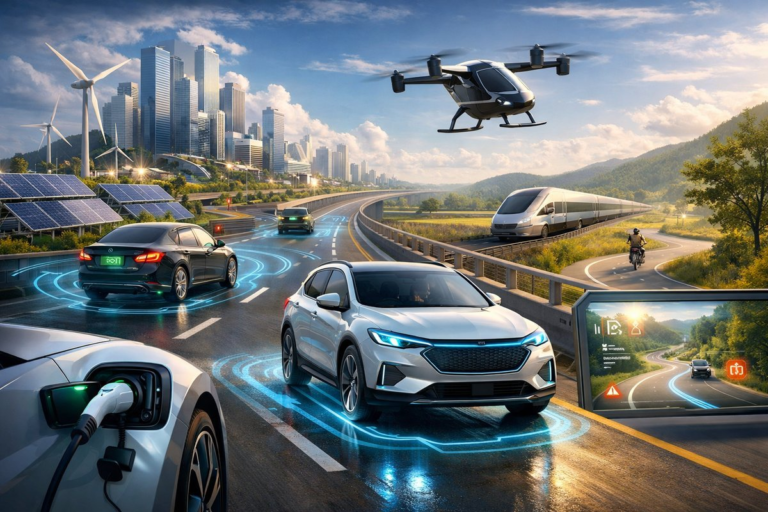
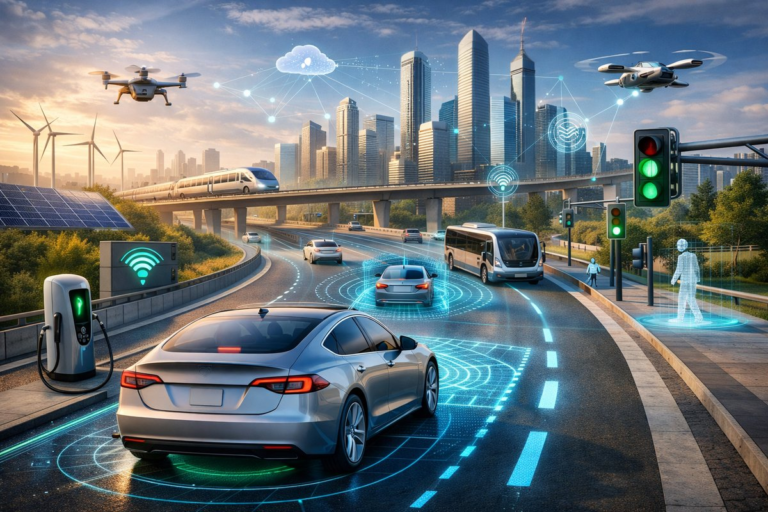
From wireless charging lanes to AI-driven fleet management, a new wave of automotive innovations is redefining our daily drives. Pilot programs in the US, Europe, and Asia are testing everything from solar-embedded highways to drone-assisted pavement inspections, blending sustainability with data-driven efficiency.
A few years ago, the idea of roads that charge vehicles as they drive seemed like science fiction. Today, pilot projects are weaving solar panels and inductive coils into pavement, offering glimpses of true dynamic charging for electric cars and buses. In Michigan, a state transportation agency has teamed up with researchers to test a stretch of highway that can add miles of range through embedded coils under the asphalt. Vehicles equipped with special receivers glide over these lanes and draw power at low speeds, dramatically cutting charging downtime and range anxiety.
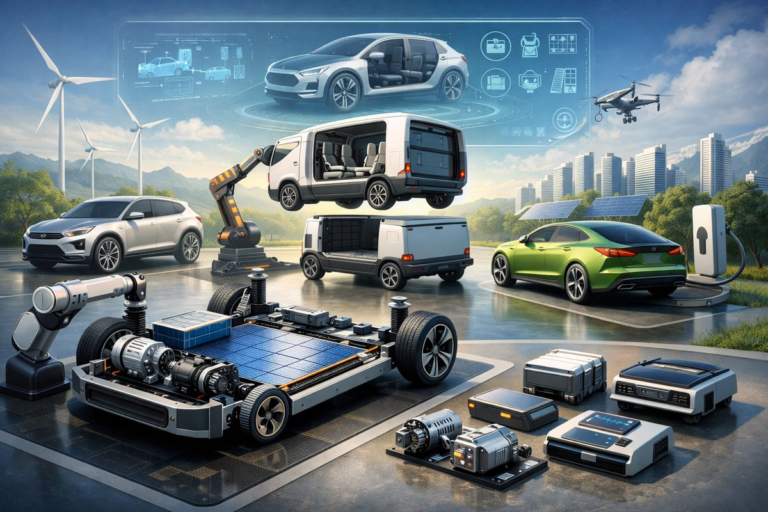
Meanwhile, in northern Europe, modular battery-swap stations for electric two-wheelers are popping up in city centers. At a handful of cafes and transit hubs, riders pull up, slide out a depleted battery pack, and snap in a freshly charged unit in seconds. This approach sidesteps the need for high-power charging infrastructure on every street corner, reducing strain on local power grids while extending the reach of micro-mobility services. Entrepreneurs point out that this standardized, interchangeable design could one day scale to smaller passenger cars or delivery vans-opening a new chapter in how we think about vehicle energy and ownership.
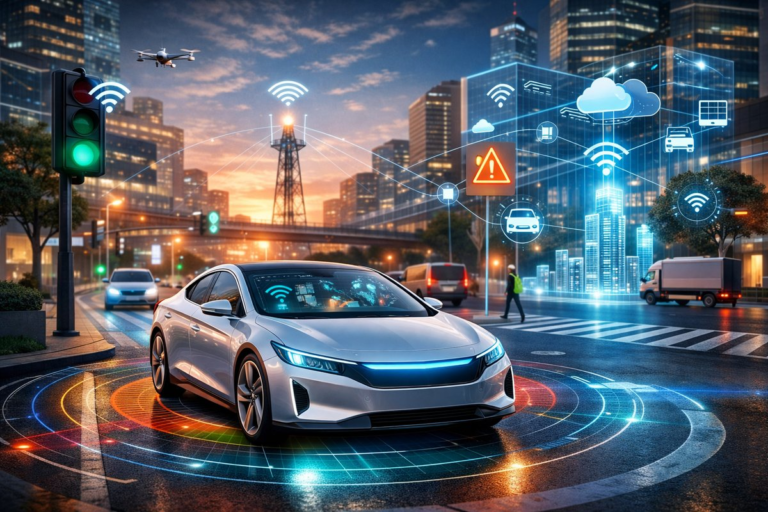
Beyond energy delivery, data is fast becoming the lifeblood of modern transportation. Road surface sensors-pressure-sensitive strips, optical scanners, and embedded accelerometers-are being trialed by startups to detect potholes, temperature fluctuations, and wear patterns. Drones equipped with high-resolution cameras and thermal sensors buzz overhead to capture asphalt cracks long before they grow into dangerous hazards. AI platforms then analyze these feeds, prioritizing maintenance crews’ schedules and predicting where the next patches will be needed. By catching small defects early, agencies slash repair costs and extend pavement lifespans by years.
Onboard, vehicles are getting smarter too. Cabin sensors monitor air quality, adjusting filtration systems to reduce fine-particle exposure in dense traffic. Occupancy detectors ensure that automatic climate controls and infotainment settings adapt to the number of passengers and their preferred comfort profiles. Privacy advocates stress the importance of data anonymization and opt-in controls-reminding drivers that while personalization can enhance safety and convenience, it must never come at the expense of personal data security.
Autonomous driving trials continue to expand in specialized environments. In several business parks and airport shuttles around the world, low-speed pods ferry passengers along fixed routes without human intervention. These controlled deployments gather vast amounts of operational data-tracking sensor performance in rain, fog, and nighttime conditions. Engineers refine vision algorithms and sensor fusion techniques, gradually preparing the groundwork for higher-speed corridors. Though full highway autonomy remains on the horizon, these microcosms of driverless mobility teach essential lessons about human behavior, emergency response, and system resilience.
Electrification and automation have profound implications for fleet operators. In Asia, one major logistics firm is deploying an AI-driven scheduling platform that dynamically assigns vehicles based on real-time traffic, battery state-of-charge, and package priority. The system reroutes drivers mid-shift to avoid congestion and maximize charging window utilization. Early results show a 15 percent increase in daily deliveries while trimming idle times and emissions. In tandem, predictive maintenance algorithms monitor drivetrain vibrations, brake temperatures, and battery health-alerting technicians to potential failures before they ground vehicles for unplanned repairs.
As these technologies advance, regulators and utilities face new challenges. Dynamic charging lanes require standards for power transfer frequencies, safety measures for roadside workers, and agreements between vehicle manufacturers and infrastructure operators. Battery swapping networks need compatible pack designs and certification processes to guarantee reliability. Data-sharing frameworks must balance innovation incentives with consumer rights, ensuring that no single company monopolizes the flow of mobility data.
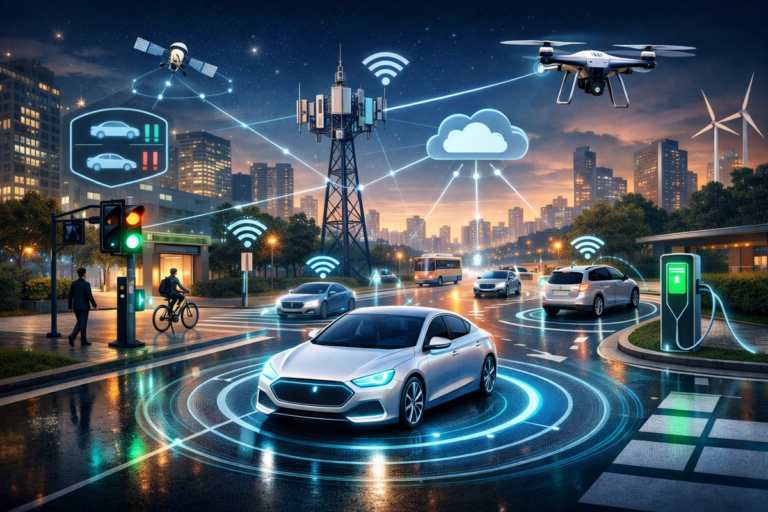
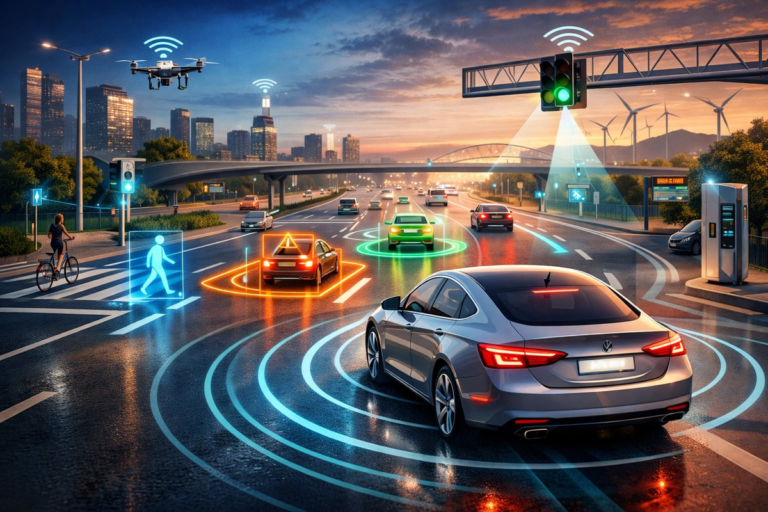
Yet these hurdles bring opportunity. Open-source initiatives are emerging to develop unified protocols for vehicle-to-infrastructure communication. Community-driven testing programs allow small cities to pilot smart-lighting poles that double as wireless charging stations or environmental monitoring beacons. Partnerships between universities, local governments, and private firms produce living labs-entire neighborhoods outfitted with EV charging hubs, shared autonomous shuttles, and digital wayfinding kiosks. Residents provide feedback on design, usability, and privacy safeguards, turning transportation planning into a collaborative endeavor.
The environmental benefits of these systems can be significant. Widespread adoption of wireless charging and battery swapping could accelerate the retirement of internal-combustion vehicles, cutting urban air pollutants and greenhouse-gas emissions. Data-driven maintenance extends the service life of both vehicles and roads, reducing material consumption and waste. Even small behavioral nudges-like in-car gamification that rewards eco-friendly acceleration and braking-encourage drivers to adopt smoother, more efficient habits.
Looking ahead, the lines between transportation, energy, and digital infrastructure will continue to blur. Imagine a future where your daily commute charges not only your car but also stores energy for your home, where road sensors feed real-time accident alerts to emergency services, and where shared autonomous vehicles integrate seamlessly with micromobility networks and public transit. It’s an ecosystem built on curiosity, emotional intelligence, and respect for privacy-one in which technology empowers individuals and communities rather than dictating their choices.
For everyday drivers, exploring these innovations can start with small steps: installing a smart home charger, using a smartphone mount that collects comfort and usage data, or trying an at-home OBD-II scanner to keep engines running smoothly. Enthusiasts may experiment with drone flight kits to survey private driveways or practice VR driving sessions to sharpen reactions. As these components come together, each pilot project and prototype shapes a more resilient, efficient, and sustainable road network-paving the way to horizons once only dreamed of in science fiction.