Location
Mount Vernon, WA 98274

Location
Mount Vernon, WA 98274
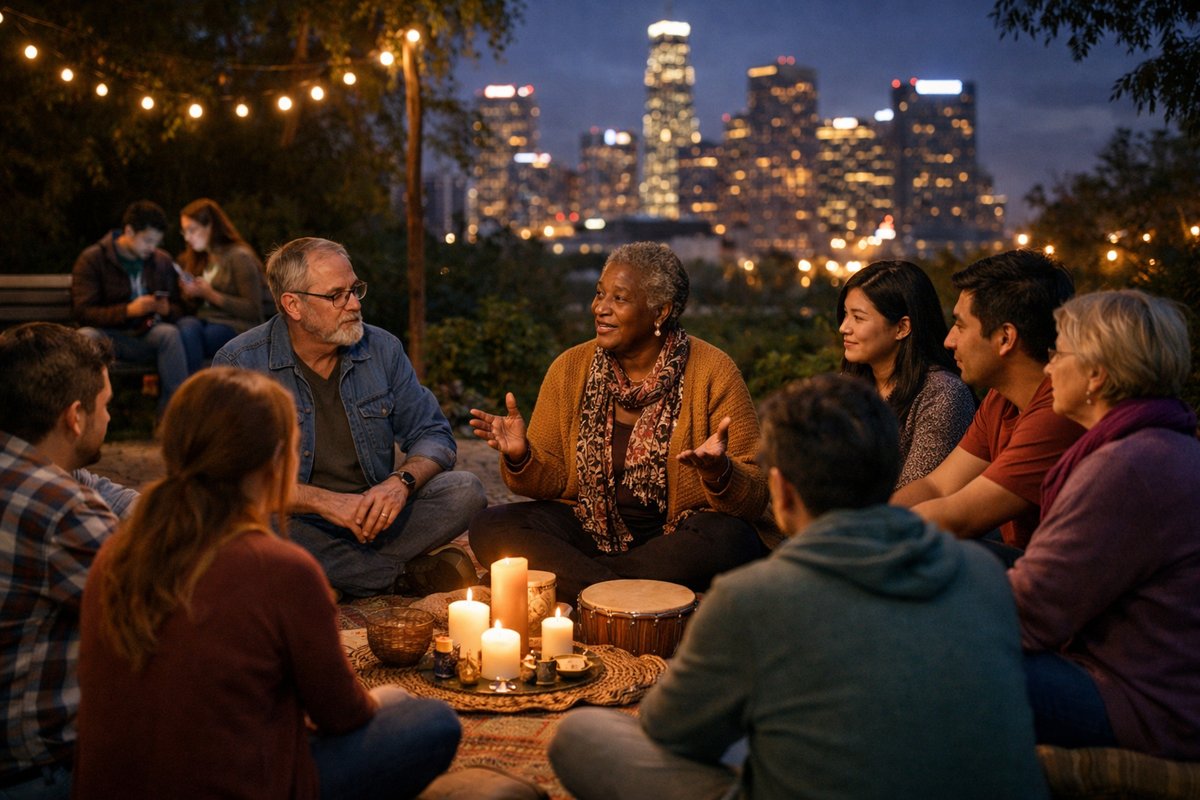
In neighborhoods where screens often replace face-to-face conversation, a new initiative is bringing residents together through guided storytelling circles. By sharing personal narratives, participants are rediscovering empathy, building resilience, and weaving a richer social fabric in the heart of the city.
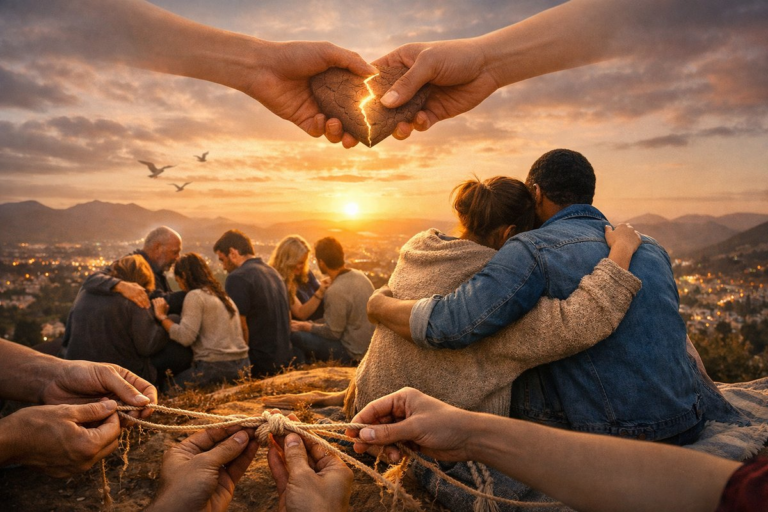
In the heart of a bustling metropolis, where thousands brush past each other in a blur of commutes and deadlines, a surprising experiment in human connection has taken root. In recent months, community organizers have rolled out “Neighborhood Story Circles,” a series of pop-up gatherings designed to counteract the pervasive sense of isolation afflicting many city dwellers. Hosted in parks, libraries, and vacant storefronts, these circles invite strangers to sit in a safe space, listen deeply, and share stories of struggle, hope, and renewal.
The inaugural event drew nearly fifty people from different backgrounds-an immigrant entrepreneur seeking belonging, a recent graduate navigating mounting debt, a retiree looking for purpose after decades of routine. Each participant arrived with a single, simple prompt: recount a moment when life startled you with both fragility and possibility. For many, it was the first time in years they’d spoken uninterrupted for more than a minute with someone they didn’t already know.
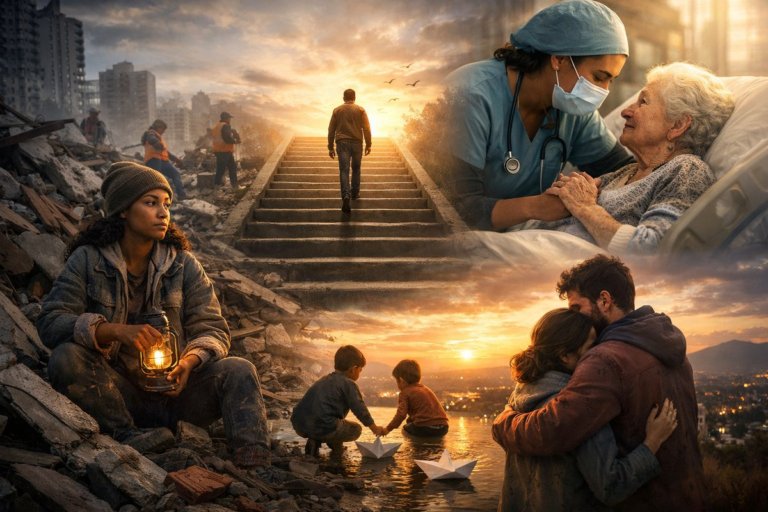
One single mother described the ache of balancing late-night shifts while weaving bedtime tales for her daughter. A former nurse recalled feeling powerless during a public health crisis in a remote community. A college student confessed the loneliness that settled in when friends dispersed after graduation. With each confession and every nod of shared recognition, the circle’s atmosphere shifted from polite distance to a palpable sense of solidarity.
Mental health experts aren’t surprised by the event’s early success. A recent survey by a leading urban studies institute found that nearly 40 percent of city residents report persistent feelings of loneliness. Chronic isolation has been linked to heightened stress, depression, and even physical health risks-yet conventional solutions often focus on digital meet-ups or algorithm-driven social apps, which can exacerbate the very detachment they aim to solve.
By contrast, Neighborhood Story Circles lean into the power of oral tradition. Meetings are guided by trained facilitators who model active listening, encourage vulnerability, and gently steer conversations to ensure everyone is heard. Chairs are arranged in a loose circle to eliminate hierarchy. Background music is minimal-often just the murmur of the city beyond nearby windows-so voices and emotions remain foregrounded.
“We wanted to create a pause button for urban life,” explains the project’s lead coordinator. “In those moments when you look up and meet another person’s eyes, you realize you’re not alone in your struggles. That realization fuels compassion, both for yourself and for others.”
From seed funding by a coalition of local nonprofits, the program now spans a dozen locations across the city each month. At a midday circle in a refurbished bookstore, participants remarked on how quickly distrust melted away. One young mechanic admitted he entered the room expecting to keep his guard up-but found himself moved to tears listening to stories about healing after loss.
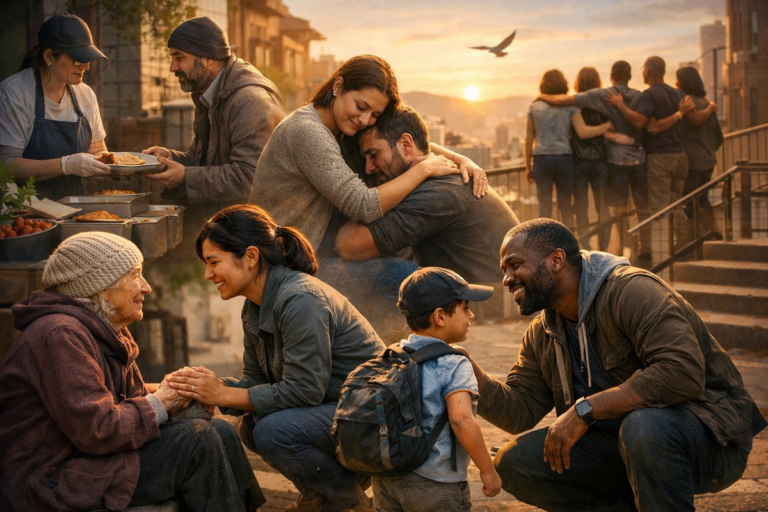
Small acts of sharing have begun to ripple outward. Neighbors who met in a parkside circle soon organized a book swap. A group of commuters who once rode in silence now greet each other by name on the morning train. At a bustling coffee stall near the old community center, regulars pause to ask: “Which story did you bring today?”
Not all circles take place in person. Inspired by these gatherings, a volunteer tech team launched a companion digital archive. Attendees can record their narratives on a portable voice recorder and grant permission for anonymized excerpts to be shared online. The result is an expanding anthology of urban testimonies-ranging from poems about single-parent struggles to reflections on cultural displacement.
Safeguards around consent and privacy are rigorous. Before any recording, facilitators review release forms, clarify the scope of public sharing, and ensure that no identifying details are included without explicit approval. Community transparency remains a guiding principle; every storyteller retains full ownership of their words.
A series of supplementary workshops helps participants turn raw memories into crafted narratives. Local writers, social workers, and performance coaches volunteer to lead sessions on effective journaling, public speaking, and basic audio editing. The aim is not to produce polished productions, but to equip everyday residents with tools to express themselves clearly and confidently.
Nearby cafes and creative spaces have stepped in to support the initiative. Baristas offer discounted fair-trade brew for circle attendees, fostering informal debriefing sessions over steaming cups. A mobile projector and portable screen have been donated for occasional “story showcases,” where residents can view select audio stories accompanied by abstract visuals created by local artists.
For many participants, these spaces feel like a breath of fresh air. A former construction worker, newly trained as a facilitator, described the transformation: “When you give someone permission to believe their experience matters, you’re lighting a spark. I’ve witnessed people stand a little taller, leave conversations with a steadier heart, and even reconnect with family members who’d drifted away.”
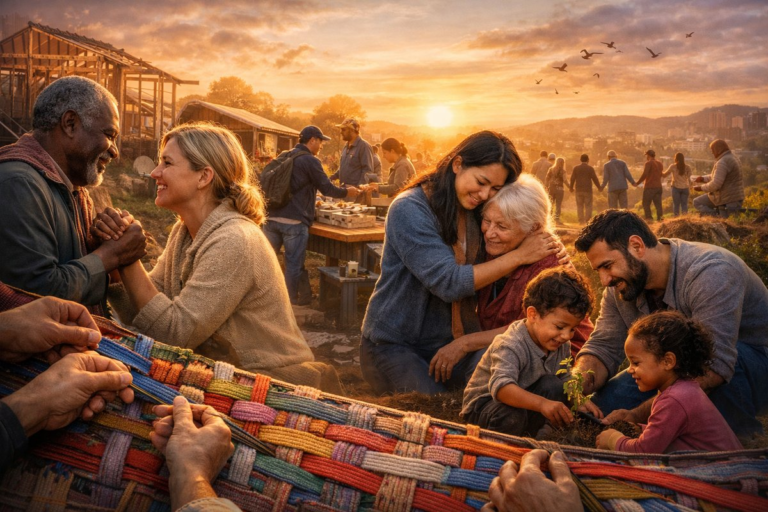
That spark is steadily igniting broader change. Neighborhood councils are exploring permanent storytelling alcoves in public libraries. A municipal fund is under review to provide small grants for resident-led narrative projects. Schools are piloting mini-circles to help adolescents navigate stress and social media pressures. City planners, often focused on infrastructure, have taken note: designing buildings that facilitate impromptu gatherings could be as vital as bike lanes and bus routes.
At its core, the Story Circles project speaks to a universal longing: to be heard, to belong, to piece together one’s life alongside others. In a world teeming with noise and distraction, halting for a moment of radical listening can restore both courage and compassion. As participants head home from their latest gathering, they carry more than memories-they carry new relationships, renewed hope, and the quiet conviction that shared stories can rebuild even the most fragmented communities.