Location
Mount Vernon, WA 98274

Location
Mount Vernon, WA 98274
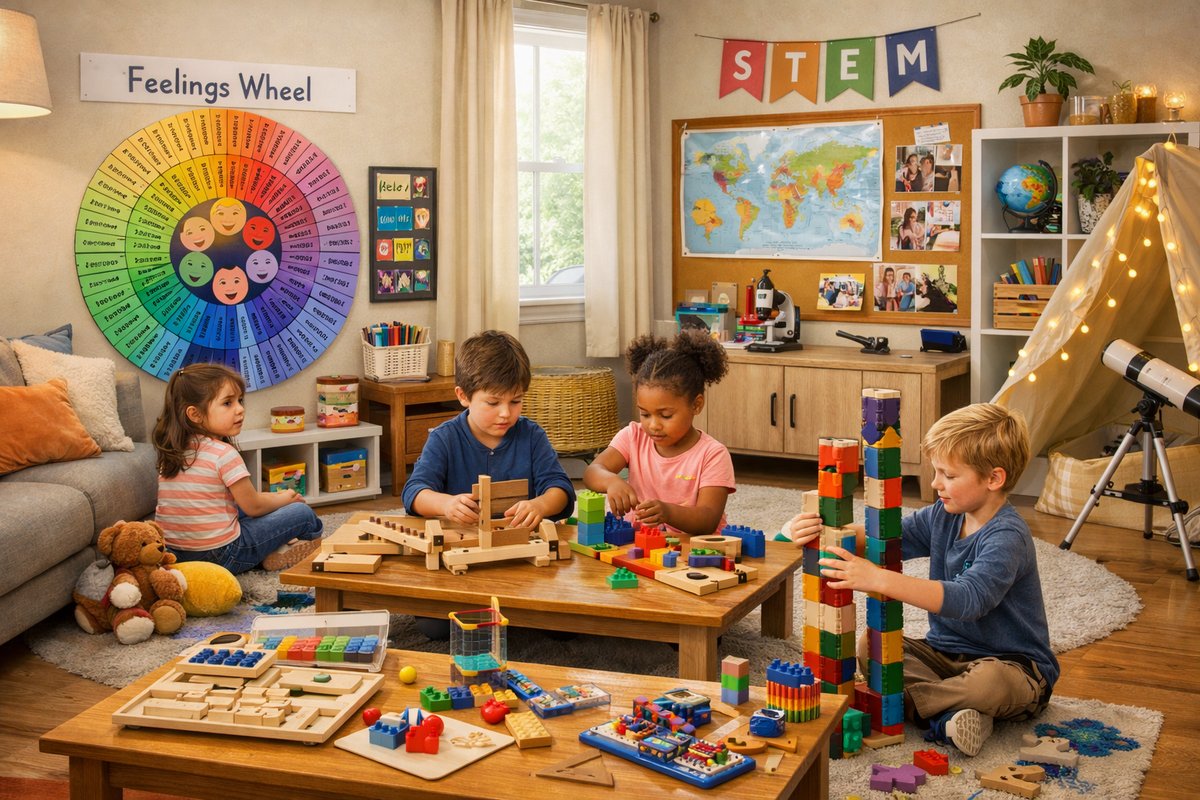
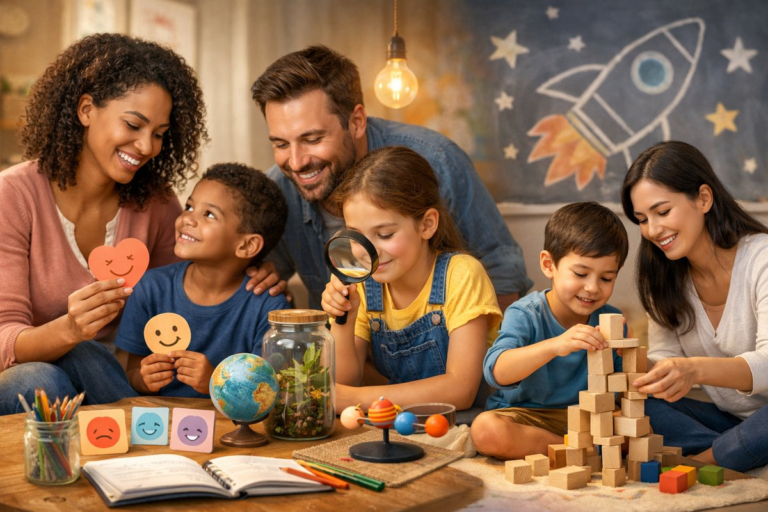
A growing number of parents are transforming living rooms into learning labs that foster both emotional intelligence and hands-on problem solving. From feeling-wheel charts to open-ended building kits, these hybrid home-school setups aim to raise resilient, curious thinkers.
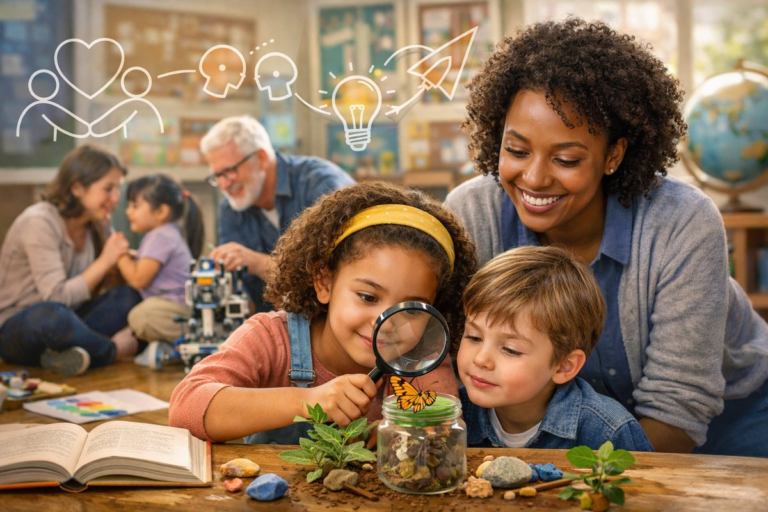
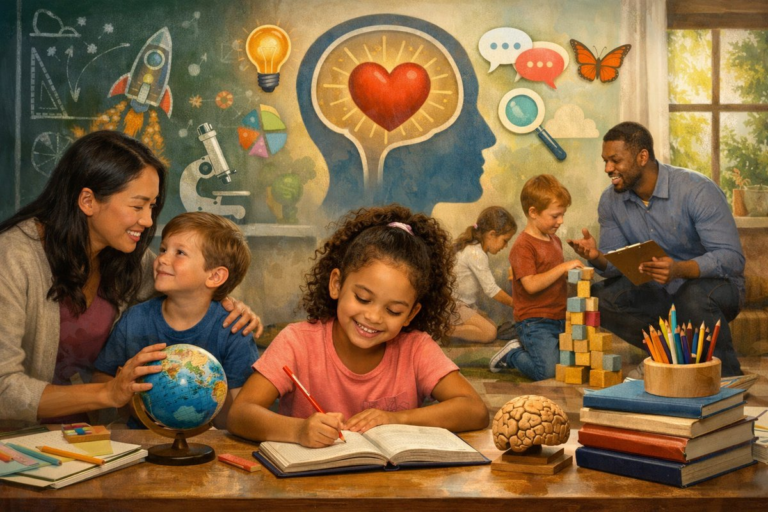
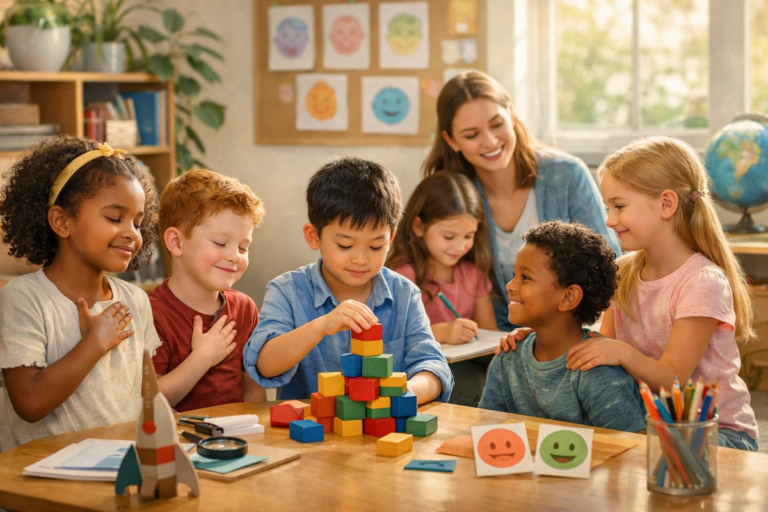
In suburbs and city apartments alike, families are reimagining the way children learn by combining emotional awareness with science, technology, engineering and math. Once seen as separate realms, social-emotional learning and STEM activities are now converging into integrated home education spaces that emphasize curiosity, agency and well-being.
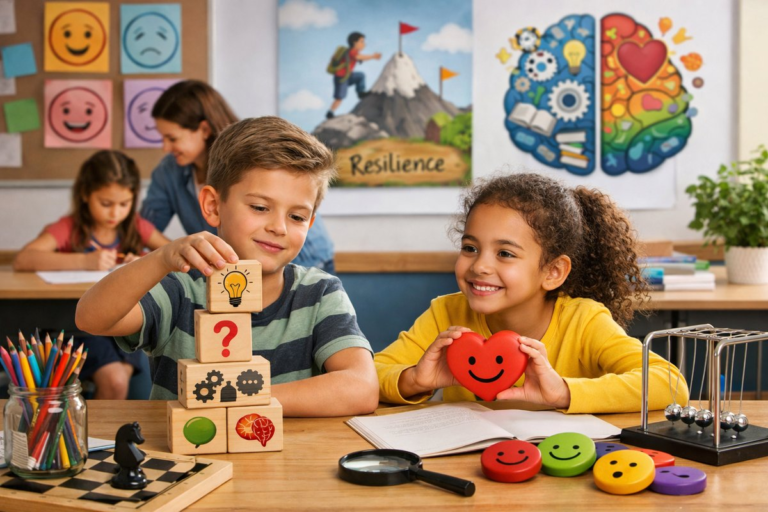
At a recent parenting symposium in Portland, educators and psychologists unveiled research showing that kids who regularly identify and discuss emotions while experimenting with hands-on projects exhibit stronger collaboration skills and greater persistence. “When children learn to label a feeling of frustration and then tinker with a simple robotics kit, they start to see challenges as puzzles rather than roadblocks,” explained a child development specialist on the panel.
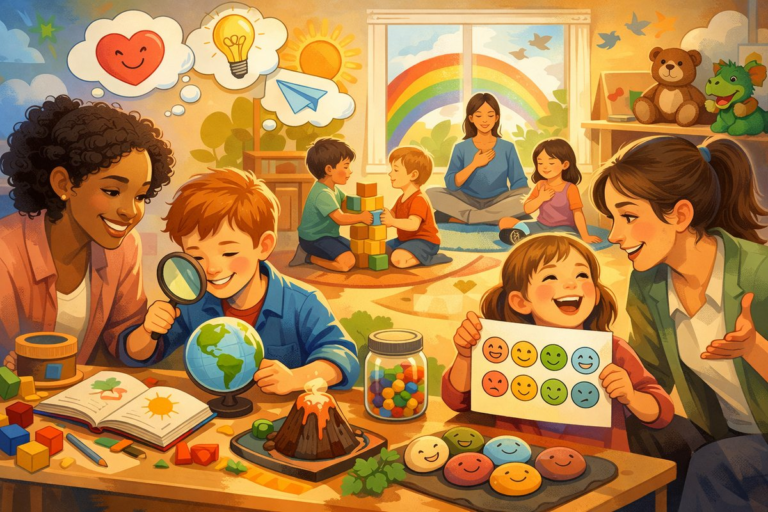
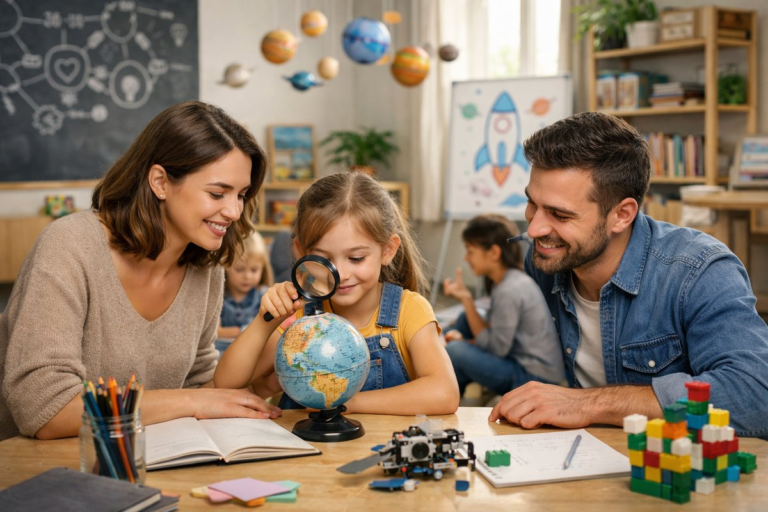
One Portland family, the Garcias, renovated their spare bedroom into a dual-purpose studio. Wooden shelves hold a rotating display of mood stones, feeling-wheel posters and mindfulness prompt cards, while an adjacent workbench features magnetic building tiles, circuit blocks and math puzzle boards. Five-year-old Elena might spend the morning adjusting the color segments on an emotion meter, then switch to constructing a marble run that lights up when a sensor detects movement.
The Garcias aren’t alone. A nationwide survey of 1,000 parents conducted by a leading education nonprofit found that 68 percent are seeking tools that help kids articulate feelings alongside conventional lesson plans. Nearly half reported purchasing a combination of empathy games and science sets in the past year, citing improvements in communication and critical thinking.
“Parents are tired of curricula that focus on test scores or coding skills in isolation,” says an early childhood researcher at a Midwestern university. “They want learning experiences that reflect the real world, where emotions and logic intersect every day.”
That shift is reshaping local marketplaces. Independent bookstores and learning-toy shops now stock “emotion discovery” workbooks in the same aisle as robotics starter packs. Pop-up play cafés host afternoon sessions where families rotate through stations: one guided by a facilitator who leads breathing exercises and another where sticky graphic organizers help young engineers map out simple pulley systems.
Meanwhile, app developers are racing to offer digital companions that reinforce this blended approach. A new mobile program prompts children to choose an emoji representing their mood, then suggests a short science challenge aligned with that feeling-for instance, designing a paper bridge to cope with restlessness or building a sensory bottle to calm anxiety. Early pilot data from several elementary schools showed higher levels of on-task behavior when students used the app before tackling math word problems.
Experts caution, however, that digital tools should not replace hands-on materials entirely. “The tactile experience of sorting emotion tokens or snapping circuit blocks together creates a deeper neural connection,” notes a developmental psychologist. “That physical feedback loop is crucial for young kids.”
One emerging trend centers on open-ended STEM kits packaged alongside discussion guides. A forest-themed engineering set includes wooden logs and connectors for building miniature bridges, paired with story cards prompting questions like, “How did you feel when your bridge fell down? What might you try differently?” Research from a major West Coast university found that children using these hybrid kits showed measurable gains in both spatial reasoning and emotional vocabulary over a six-week period.
Parents are also repurposing everyday items for emotional-STEM play. A cardboard box becomes a “feeling fortress,” where children label interior walls with adjectives and then engineer a flagpole that hoists colored pennants matching those moods. In another household, a simple baking experiment doubles as an emotion exploration: kids knead dough while naming the texture sensations, then record “weather maps” of their mood fluctuations on a chalkboard calendar.
Teacher-training programs are adapting, too. Late last year, a continuing-education workshop in Boston taught educators how to set up micro-learning corners in homes and daycare centers. Participants learned to pair mirror-sticker emotion mirrors with magnetized number tiles and to orchestrate circle-time check-ins that transition into building challenges. Feedback from 150 attendees highlighted how this seamless flow fosters self-regulation and a growth mindset.
Beyond individual households, community centers are piloting family learning nights that blend mood-mapping and maker activities. One Chicago neighborhood hosted a monthly event where kids rotated through a “sound studio,” a “mindful movement” area and a “robot repair” zone. Parents reported that the shared experiences made conversations about frustration, curiosity and triumph more natural at the dinner table.
As this movement gathers momentum, some skeptics worry about overloading children with structured integration. “We must leave room for unstructured play and downtime,” cautions an early education advocate. “Not every activity needs an emotional checklist attached.” Proponents agree that balance is key: these tools are meant to enrich free play, not replace it.
Looking ahead, parents and educators are experimenting with more immersive formats. A handful of home-school pods have begun incorporating neighborhood gardens, where kids monitor plant growth, record observations in mood journals and brainstorm engineering projects like drip-irrigation prototypes. Local libraries have opened “emotion-STEM lockers” stocked with kaleidoscopes, feeling-flashcards, circuit puzzle balls and reflective journals for families to borrow.
Industry insiders predict that by next year, the market for combined emotional and STEM learning materials could exceed half a billion dollars in the U.S. alone. With consumer demand driven by real-world challenges-from remote-learning fatigue to parent burnout-the trend toward heart-centered home education shows no sign of slowing.
For many parents, the appeal lies in seeing their children grow as well-rounded thinkers who can tackle a household science experiment while naming their feelings with confidence. And perhaps most important, these hybrid spaces are weaving curiosity and compassion into the fabric of daily life-an innovation that educators believe could foster a generation of problem-solvers guided by empathy.
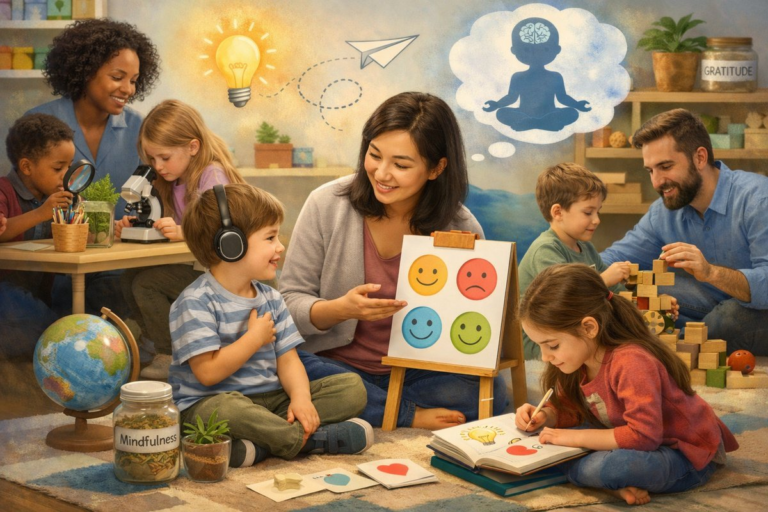
Whether through a simple emotion chart hung above a building table or a curated toolkit that marries mindfulness with mechanics, families nationwide are discovering that the heart and the mind are most powerful when they learn together.