Location
Mount Vernon, WA 98274

Location
Mount Vernon, WA 98274
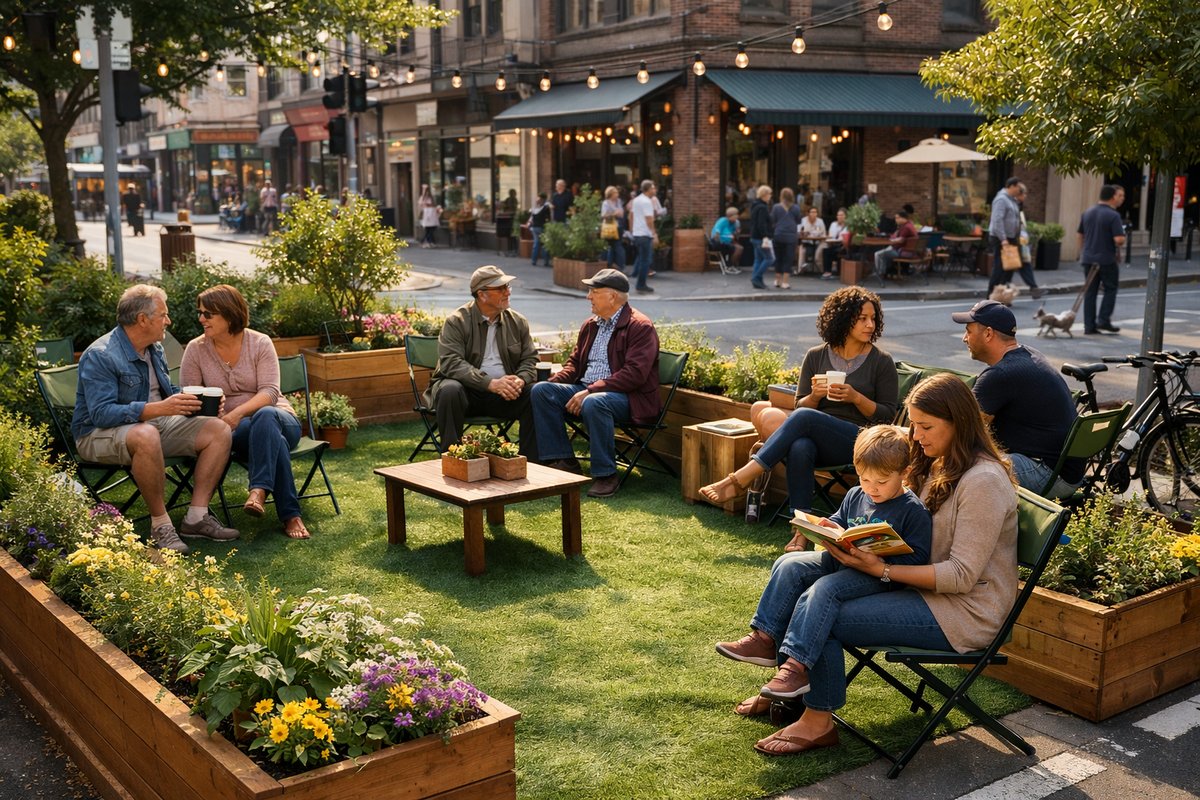
On a Saturday morning in a city corner once dominated by vehicles, a small patch of green and a handful of folding chairs has become the heart of a neighborhood's revival. This grassroots parklet initiative proves that reclaiming just a few square feet can spark conversations, offer solace, and rebuild the social bonds that modern life too often erodes.
On a crisp fall morning at the intersection of Elm Street and Fifth Avenue, a single parking space has been transformed into something unexpected: a miniature oasis where strangers share coffee, swap stories, and work side by side. What began as an experiment by a handful of neighbors has become a growing movement of pop-up parklets-micro public spaces sprouting in parking spots, medians, and other overlooked corners of the city.
The initiative took shape earlier this year, when a group of volunteers, tired of virtual meetings and anonymous sidewalks, decided to pilot a makeshift green corner in front of a closed storefront. Armed with potted plants, folding benches, and a donated coffee cart, they installed their first parklet under a permit waiver negotiated with city officials. Within days, the space was humming with unexpected connections: a retired teacher reading aloud to local kids, commuter cyclists pausing for roadside stretches of calm, and neighbors swapping recipes over steaming beverages.
Maria Alvarez, a former elementary school teacher, found herself drawn back into a classroom-like energy she missed. “I set out a small bookshelf with picture books,” she recalls. “Before I knew it, kids from three blocks over were asking for story time. Parents started joining in, asking about literacy resources and volunteering for reading sessions.” Her impromptu reading nook quickly became a weekend fixture, with more than thirty children-and their grown-ups-gathering under the awning of a repurposed café umbrella.
Nearby, Jamal Turner, who spent years as a barista at a busy downtown coffee shop, tapped into his old routine by rolling in a portable brewing station. He set out free samples of spiced lattes and herbal teas, hoping to spark conversation rather than sales. “Folks were so eager to talk,” he says, pouring cups for cyclists, dog walkers, and remote workers. “They’d ask about each other’s days, worries, and small victories. I realized how thirsty people are for face-to-face kindness.”
On alternating afternoons, local artist Li Chen brings a crate of drawing supplies: pencils, charcoal sticks, sketchpads. Passersby are invited to take a seat on a low stool and sketch whatever inspires them-the orange leaves drifting in the breeze, a neighbor’s smiling face, or the fading mural on the adjacent wall. “It doesn’t matter if you haven’t picked up a pencil since grade school,” says Chen. “This is about creating side by side, finding a moment of presence and shared creativity.”
Even a software engineer named Aaron Flores has joined the scene, setting up his laptop and hosting mini code-along sessions. He teaches neighbors basic digital skills-how to build a simple website or troubleshoot a laptop glitch-while encouraging cooperation instead of isolation. “The idea isn’t to turn everyone into a developer,” he explains. “It’s about showing that technology can bring people together, not just trap them in screens.”
What started as a single space has now grown to half a dozen parklets across the downtown grid. Each hub is unique, reflecting the interests and needs of its volunteers: one spot offers yoga mats for sunrise stretches; another hosts gardening workshops around a community planter; a third displays a rotating book swap in a weatherproof cabinet. Preliminary surveys show that more than 1,200 residents have stopped by at least once in the past two months, and over 70 local business owners have donated supplies or refreshments.
City planners have taken notice. A pilot partnership now streamlines permit applications and provides basic infrastructure-outdoor power outlets, Wi-Fi hotspots, and bike-safe railings. The program’s success has spurred conversations about reallocating curb space permanently for pedestrian-first uses.
But the road hasn’t been without hurdles. Early on, volunteers wrestled with unpredictable weather, scrounging tarps and weighted planters to keep umbrellas from upending in gusts. Some neighbors expressed skepticism, viewing the installations as a nuisance or an invitation for loitering. Securing liability waivers for volunteers proved complex, prompting the group to partner with a local nonprofit that holds insurance and coordinates shifts.
Volunteer burnout also loomed large. Keeping chairs clean, restocking supplies, and managing stray litter required a small army of hands. To address this, organizers set up a rotating calendar and an online sign-up sheet, ensuring no one person carried the entire load. They also launched a toolbox exchange, where residents donate items-rakes, folding tables, first-aid kits-and in return can borrow anything they need for weekend pop-ups.
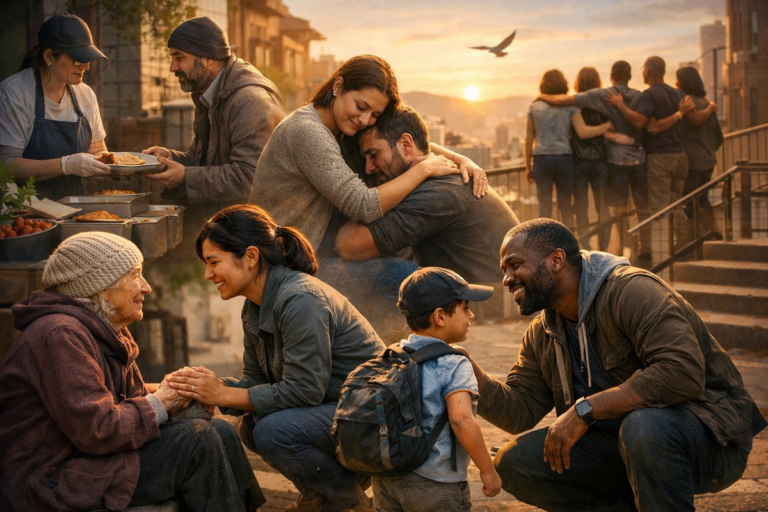
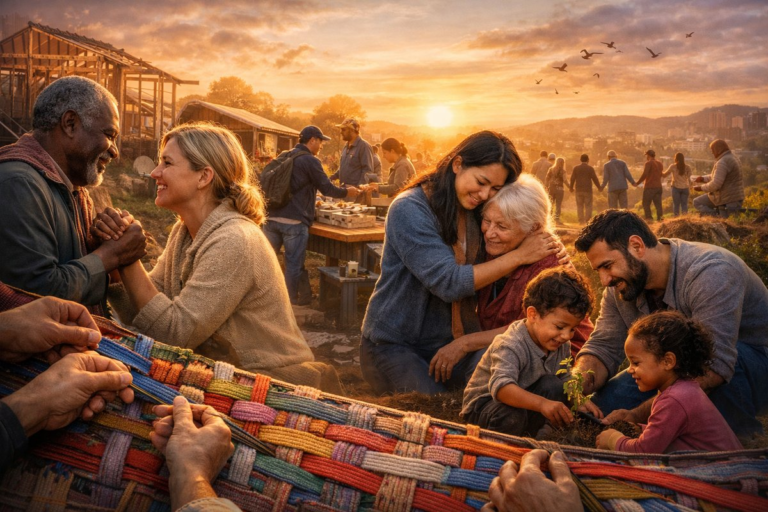
This spirit of mutual aid has become the project’s beating heart. A digital bulletin board hosted on a neighborhood app allows people to post skill-swap offers-gardening lessons in exchange for website design, baking classes traded for tool-sharpening tips. When someone notices a chipped plank on a bench, they announce a small carpentry session; neighbors arrive with hammers, nails, and cups of lemonade. The parklets, once mere parking spaces, have evolved into incubators for generosity and belonging.
Residents attest that the pop-up hubs have softened the edge of urban loneliness. Sarah Malik, who moved to the neighborhood last year, found herself isolated by remote work and long commutes. “I barely knew my neighbors,” she says. “Then I stumbled upon the parklet near my block. I ended up sharing a bench with Maria and Jamal, and suddenly I wasn’t invisible. I met someone who needed help with English pronunciation, so I offered tutoring. I felt useful again.”
The movement’s broader resonance is clear: in cities worldwide, activists and designers have experimented with parklets and tactical urbanism to push back against car-centric planning. But this effort stands out for its emphasis on shared services and human connection, not just green design. It’s about more than reclaiming asphalt; it’s about restoring a sense of collective ownership and compassion.
Looking ahead, organizers plan to weatherproof the installations for winter, adding portable heaters and insulated seating. They’re raising funds to build simple wooden kiosks with sliding panels that open on sunny days and close against rain. Workshops on cold-weather survival-making homemade soup, weaving scarves-will take place under makeshift gazebos fueled by donated propane heaters.
Municipal agencies are watching closely, weighing whether to expand the model citywide. Advocates argue that such micro-hubs not only foster social resilience but can also boost local commerce, reduce stress, and reclaim civic pride. In an era of digital saturation and social fragmentation, these little islands of hospitality serve as reminders of what happens when strangers pause, share, and notice one another.
That Saturday morning scene at Elm and Fifth has become emblematic. Neighbors arrive with hot drinks in insulated mugs, exchanging weather stories and project ideas. A cluster of pumpkins from a nearby farm stand adds autumnal warmth. Above it all, a simple chalkboard reads: “Pull up a seat, share a moment.” In those words lie the essence of this quiet revolution-one parking spot at a time, a city remembers how to be together again.
Across the blocks and boroughs, people are reclaiming parcels of public space for collective empathy. They remind us that community isn’t built in conference rooms or social feeds alone-it grows from small acts of openness, a shared bench, a borrowed pencil, a smile offered to a stranger. And sometimes, all it takes to start is a bit of green and the courage to occupy a parking spot with purpose.
Future plans include partnerships with mental health advocates to host open-air support circles, collaborations with local musicians for Sunday morning serenades, and youth-led civic design workshops to imagine the next iteration of shared urban life. As volunteers pack up folding chairs and roll away planters at dusk, they carry with them something intangible but lasting: renewed faith that, when given a tiny stage, people will step forward, connect, and help a city learn again how to care.