Location
Mount Vernon, WA 98274

Location
Mount Vernon, WA 98274

Travelers are shifting from extractive tourism to community-led, regenerative experiences that strengthen local economies and nurture cultural traditions. From Mayan weaving cooperatives in Guatemala to Sámi reindeer routes in Lapland, these journeys illustrate how travel can leave a positive footprint.
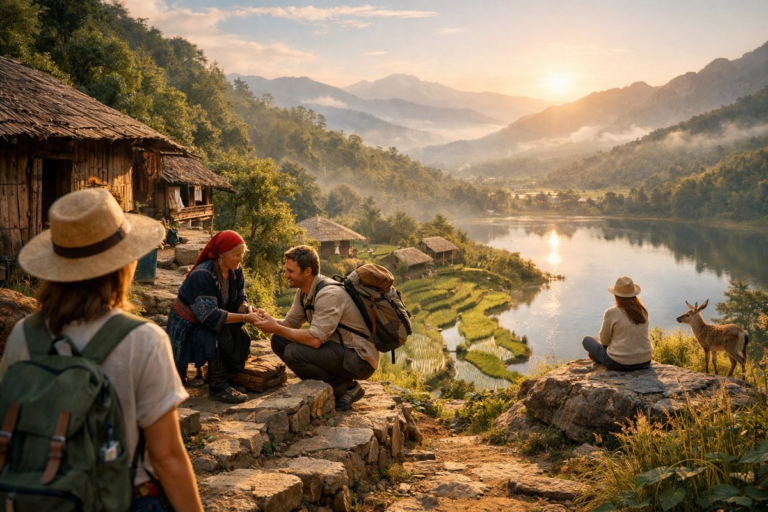
Across the globe, a new wave of travel is gathering momentum-one that moves beyond merely visiting a place to actively restoring environments and empowering communities. Dubbed regenerative tourism, this approach prioritizes the well-being of people and ecosystems, flipping the old model of extraction on its head. Rather than treating destinations as commodities, travelers work alongside local stewards, forging deep ties and contributing tangible benefits.
According to data from the United Nations World Tourism Organization, interest in sustainable and regenerative travel experiences grew by over 12 percent last year. Surveys show that nearly half of travelers under 35 now seek out itineraries that drive social or environmental impact. This intense curiosity about authentic, purpose-driven journeys is reshaping how hotels, tour operators, and nonprofit initiatives craft their offerings.
One standout example is found high in the Guatemalan highlands, where the town of San Antonio Aguas Calientes has built a network of home-stays around an ancient weaving tradition. Visitors learn backstrap loom techniques from Mayan artisans whose livelihoods were threatened by urban migration. Each embroidered textile sold supports local schools and funds reforestation projects on surrounding volcano slopes.
“When guests arrive, they don’t just watch us work-they become part of our family,” says a local weaving coordinator. “That connection changes how they see culture and community.” For travelers, spending a few days mastering intricate weaving patterns becomes both a tangible skill and a powerful window into centuries-old worldviews.
Further north, in the pine forests of Finnish Lapland, Sámi reindeer herders are inviting small groups to join winter treks. Visitors help guide the herds, learn to read tracks in the snow and hear joik songs by an open fire. Revenue from these cultural expeditions goes directly into indigenous education programs and boreal forest conservation.
Researchers at the University of Helsinki have been tracking the socioeconomic effects of these treks. Their preliminary findings indicate that participant fees cover up to 80 percent of the annual operating costs for youth scholarship funds. The influx of respectful visitors also helps counter stereotypes and raises global awareness of Sámi rights.
In southern Italy’s Cilento region, olive grove restoration is emerging as another regenerative travel draw. Aging farmers have partnered with young environmentalists to revive terraced groves abandoned decades ago. Travelers pick fruit by hand, press their own extra-virgin olive oil, and join local families for festive harvest feasts.
This hands-on approach has revived traditional knowledge about millennial trees and soil management. The process sequesters carbon in peat-rich soils and keeps hillside cultivation alive. A single week of volunteer work can yield biodiverse ground cover, healthier trees, and friendships that last long after the olives are packed into travelers’ suitcases.
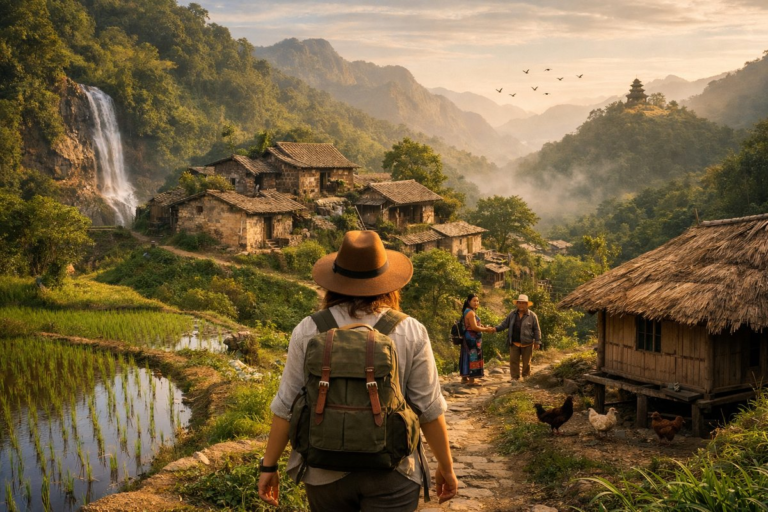
On the other side of the globe, the Ifugao rice terraces in the Philippines have seen a revival in sunrise trekking tours. Community guides lead small groups to remote mountain ridges, sharing rice-planting rituals and the legends of ancient engineer clans. Tour fees help maintain the terraced irrigation systems and provide stipends for on-site conservation patrols.
UNESCO recognizes the terraces as a living cultural landscape, yet decades of youth migration threatened their upkeep. By inviting visitors who respect local customs and contribute a modest donation, the Ifugao elders have found a way to keep their heritage alive while giving travelers a chance to witness rice terraces glow at dawn.
These four case studies share common threads: local leadership, transparent revenue flows, and robust community engagement. Rather than one-off visits, regenerative travelers often commit to multi-day stays or repeat journeys. They learn basic language skills, participate in decision-making sessions, and advocate for causes long after returning home.
Such depth of involvement reshapes not only destinations but also the inner terrain of travelers themselves. Travelers report a stronger sense of purpose, heightened empathy and a renewed commitment to making conscious choices-whether in consumption, volunteering or civic activism.
Planning a regenerative journey requires more research than booking a flight and hotel. Travelers must verify that the initiative is genuinely community-driven, with clear benefit-sharing structures. Third-party certifications-such as those from B Corp tourism operators or Fair Trade adventure groups-offer one way to vet programs. Local nonprofit registries often provide additional transparency by disclosing funding allocations online.
Packing for these trips also differs from mass-market vacations. Gear lists often include reusable essentials, like water bottles with built-in filters to reduce single-use plastic. All-weather hiking boots and packable rain jackets ensure minimal environmental impact by preventing damage to fragile trails. Solar power banks keep communication open in remote settings without draining scarce village power grids.
Many organizations encourage travelers to bring small gifts-like seeds for native tree species or locally manufactured crafts-which can be exchanged for cultural demonstrations. This practice fosters reciprocal relationships rather than imposing external agendas.
While regenerative tourism is still a niche compared to beach resorts or cruise lines, industry observers forecast it will capture a larger share of the global travel market by mid-decade. Investors and tour operators are starting to reallocate capital toward purpose-driven experiences. Even major hospitality chains are establishing partnerships with local cooperatives, though purists caution against corporate co-option.
Critics of regenerative tourism warn of the dangers of voluntourism and “poverty safari” dynamics, where well-intentioned travelers become passive spectators. The antidote lies in true collaboration, defined by co-created itineraries, fair wages and shared governance. When structured correctly, these trips can elevate marginalized voices and strengthen cultural resilience.
For those eager to join the movement, a practical first step is to seek out community registries or nonprofit travel platforms that outline projects in need of visitors. From there, vet the governance model: who controls the budget, who sets the schedule and how benefits are distributed. Reading traveler testimonials and local media coverage helps gauge authenticity.
Regenerative journeys are more than just escape-they’re bridges that connect perspectives and build mutual trust. They invite us to travel with curiosity and humility, aware that every footstep can either erode or enrich the places we visit. By choosing to be active contributors rather than passive consumers, travelers carry home not only souvenirs but also stories of shared stewardship.
As the tourism industry evolves, these community-led adventures offer a blueprint for a more equitable future. They remind us that the act of going can-and should-leave a positive mark on both the traveler and the traveled.
In the end, regenerative travel reframes every trip as a two-way exchange: we bring our craft, our questions and our aspirations, and we return with wisdom, gratitude and lasting connections. It’s a transformative model that proves travel’s greatest power lies not in discovery alone, but in collective renewal.