Location
Mount Vernon, WA 98274

Location
Mount Vernon, WA 98274
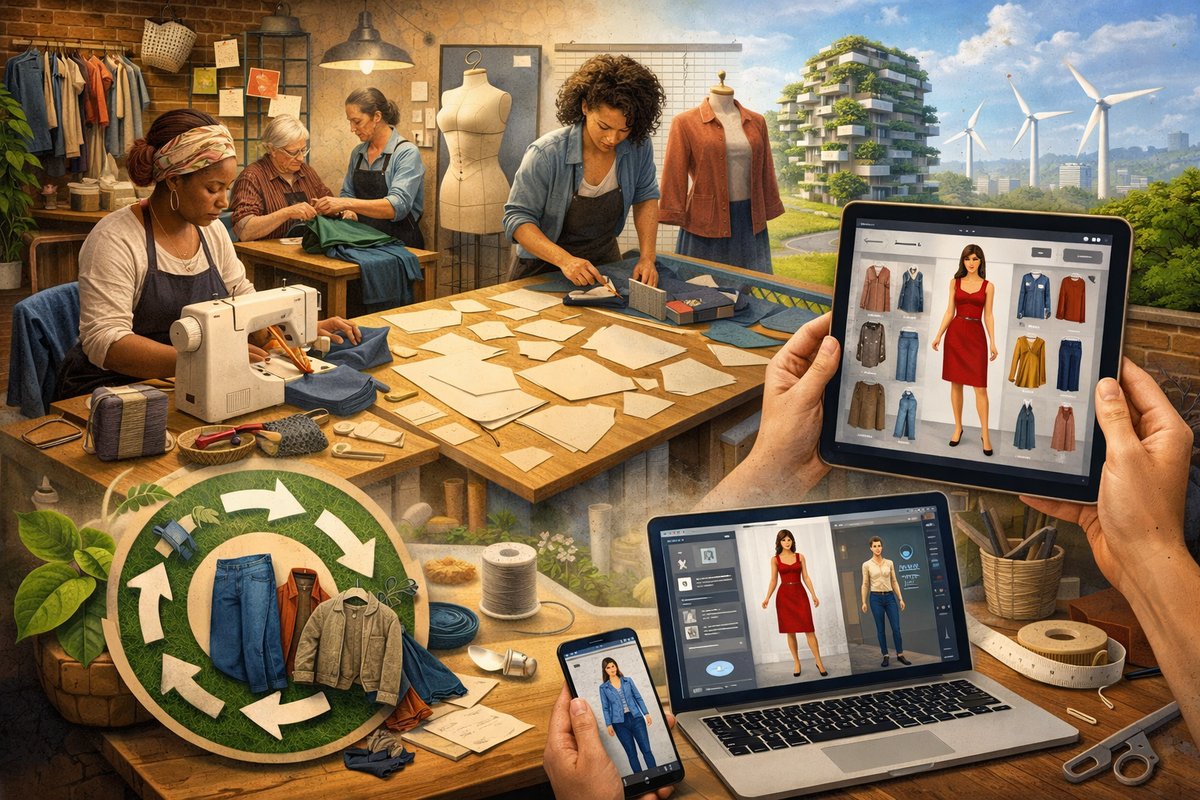
Grassroots ateliers, zero-waste pattern design, and digital wardrobe platforms are converging to reshape how we source, create, and celebrate clothing. From neighborhood mending cafés to AI-enabled fit services, the next chapter of fashion traffic is both circular and community-powered.
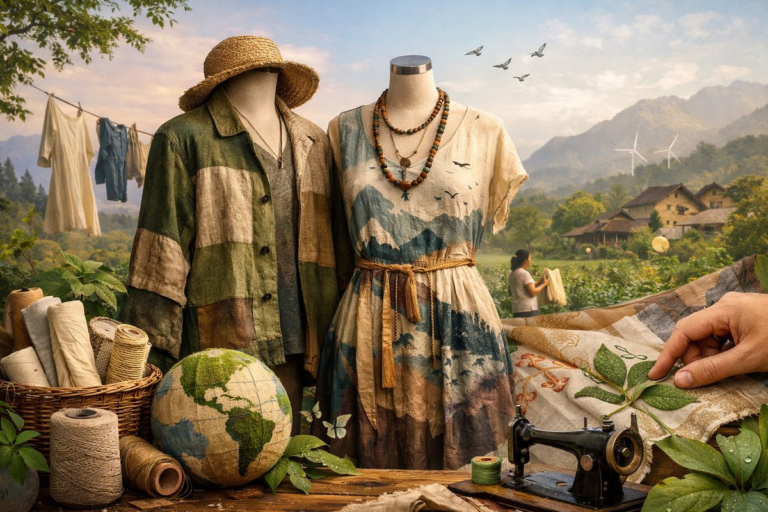
In cities around the globe, a quiet revolution in apparel is gaining momentum. What began with small collectives trading scrap fabrics on social media has blossomed into an ecosystem of community studios, mobile mending pop-ups, and digital fit platforms. Gone are the days when sustainability meant sacrificing style or convenience. Today’s trendsetters are harnessing collaborative craftsmanship, open-source pattern libraries, and even 3D-knitted prototypes to craft wardrobes that speak to identity as much as they do to environmental responsibility.
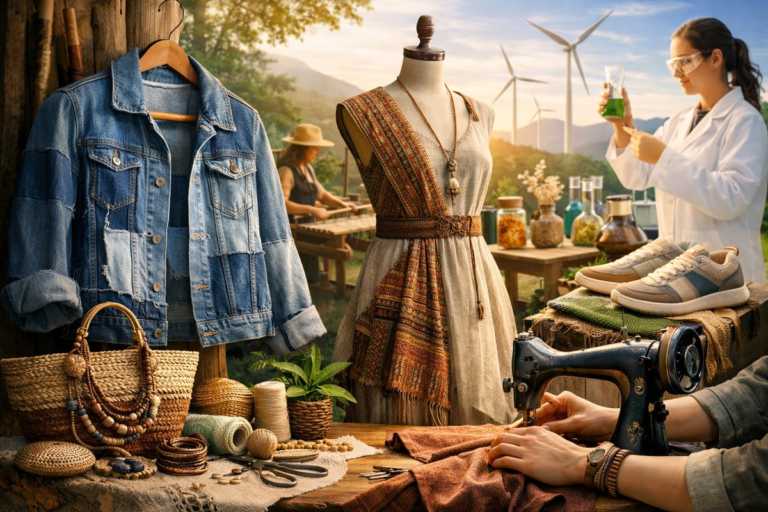
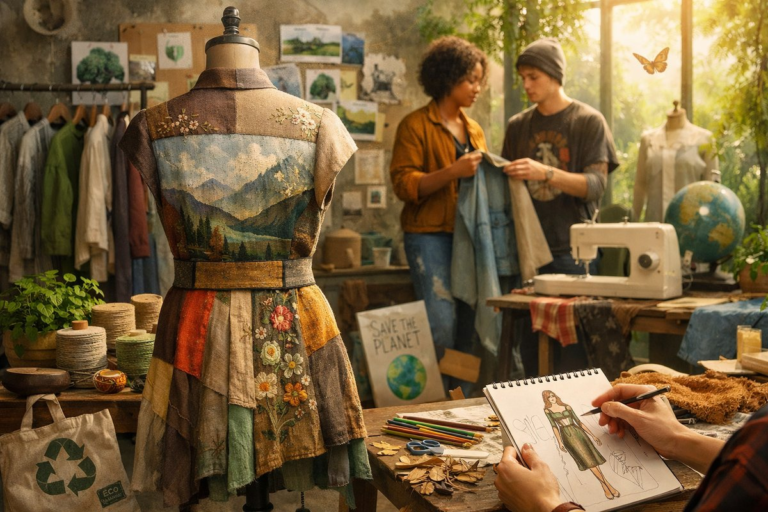
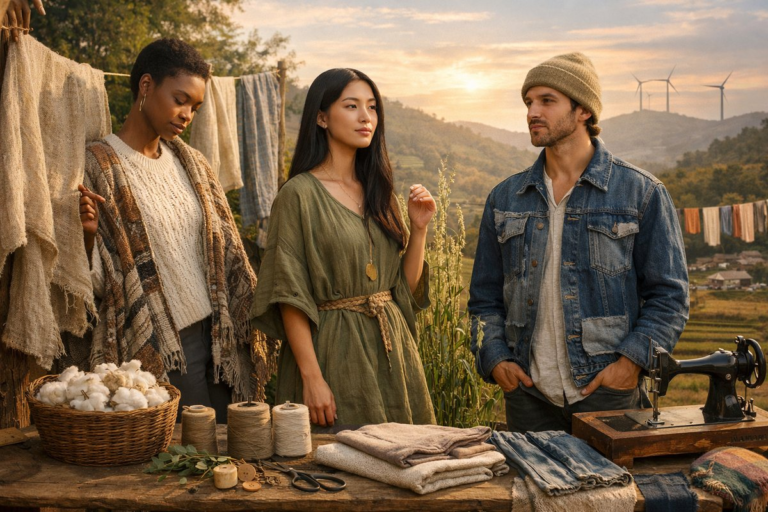
At the heart of this movement are neighborhood makerspaces that double as social hubs. Picture a converted warehouse in a former garment district. Long communal tables are dotted with sewing machines-both manual and solar-powered-alongside bins of deadstock denim, organic linen scraps, and upcycled silk offcuts. An open bulletin board lists upcoming workshops: “Zero-Waste Shirt Drafting,” “Natural Indigo Dye Techniques,” and “Digital Pattern Grading with Open-Source Software.” For an hourly drop-in fee, visitors can access tools, guidance, and often a cup of fair-trade tea from a nearby cooperative. No one leaves empty-handed.
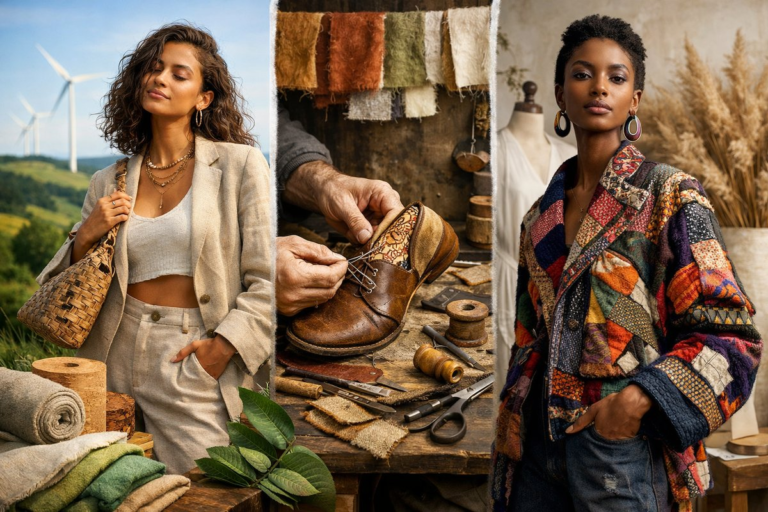
This surge in grassroots activity is in part a response to the sneaker-and-tote culture of the late 2010s that relied heavily on single-use plastics and long freight routes. As port congestion and supply chain delays exposed the fragility of mass-produced apparel, enterprising designers looked to local networks and traditional crafts to fill the gap. Mending cafés-pop-up repair stations inside cafés and coworking spaces-sprang up in unexpected corners, turning stitchery into performance art. Patrons line up with torn jeans, frayed tees, and favorite jackets, eager to learn sashiko embroidery repairs or patchwork darning techniques that can extend a garment’s life by years.
Parallel to the revival of handcrafted techniques, digital innovations are giving consumers unprecedented agency over fit and finish. Smartphone apps now scan bodies in seconds, generating a detailed 3D avatar with chest, waist, and hip measurements accurate to within a few millimeters. Independent tailors upload custom pattern files to adoptive clients, who then choose to receive printed, laser-cut panels for assembly at a local makerspace or have the pieces sewn by remote artisan partners. This distributed approach slashes shipping miles and offers a level of personalization that fast fashion simply can’t match.
Meanwhile, a new wave of material science labs is racing to formulate fabrics that biodegrade harmlessly or even enrich soil when composted. Recent trials with biofabricated leather substitutes-grown from mushroom mycelium-and algae-infused textiles demonstrate that high-performance, tear-resistant fibers need not rely on petrochemicals or intensive water use. At a joint showcase in a European design center last spring, three collection lines debuted outfits that fully decompose within twelve months of disposal, leaving behind only organic nutrients. The garments ranged from evening wear to athleisure, proving that eco-credentials can coexist with runway polish.
Industry partnerships are emerging to link these innovations to scaled distribution-and, importantly, affordability. Second-hand marketplaces are integrating rental programs and repair services into their platforms, encouraging members to list items with repair credits attached. One recent initiative allows a buyer to pay a fraction more at checkout so that, once their purchase shows wear, they can ship it back for a free first mend at a partner atelier. Larger retailers are piloting similar approaches in select urban hubs, inviting shoppers to trade in worn garments for store credit toward refurbished or upcycled editions.
But it’s not only about extending garment lifespans. Storytelling plays an equally vital role. Across social feeds, “finished project” reels-where makers show a before-and-after transformation of a thrifted jacket or a remixed dress-have become the new mood board. Community challenges encourage people to rebuild five items each season, document their process, and tag local repair cafes. The movement taps into the same thrill of creation that drives home cooking videos and DIY home renovation streams. It’s a form of self-expression that refuses passive consumption in favor of active involvement.
Designers, too, are finding inspiration in this participatory ethos. A handful of labels now issue open-source seasonal pattern collections under Creative Commons licenses. Anyone with basic sewing knowledge can download, adapt, and remix the designs, then share improvements back to a global repository. The result is a living, evolving catalog where one person’s alteration-say, an added utility pocket or a higher waistline-may become the next community standard. In certain hubs, hackathons are held to solve specific challenges: creating a winter coat pattern that produces zero scraps or optimizing a T-shirt layout to maximize fiber yield. Winners see their designs integrated into limited-edition capsules and pop-up shops.
Cruising this new terrain requires a shift in mindset for both consumers and creators. Products are no longer viewed as static commodities but as raw materials for collective innovation. The incentives align: less waste means lower material costs, while unique, personalized pieces can command higher margins. For conscientious shoppers, it means building wardrobes that feel authentic, local, and meaningful. For small-batch designers and makers, it means tapping into a supportive community rather than competing head-to-head with mass manufacturers.
Investors are taking note, funneling funding into scalable repair-and-rental platforms, compostable textile startups, and AI tools that predict when a garment will need maintenance. Real-world pilots in multiple metro areas have demonstrated that for every twenty garments returned for repair, the resulting lifecycle extension can reduce carbon emissions by up to 60 percent compared to producing new equivalents. As cities wrestle with textile waste clogging landfills, these solutions offer a rare win-win: fewer discarded clothes and more opportunities for local jobs.
Yet challenges remain. Many community workshops operate on shoestring budgets and rely heavily on volunteer labor. High-end biofabrication labs still struggle to bring unit costs down to mass-market levels. And while digital fitting is accurate, it hinges on user adoption of scanning apps and the willingness to learn new assembly methods. Bridging these gaps will require collaboration among municipalities, nonprofits, and private enterprise-along with ongoing consumer education.
Still, momentum is undeniable. Social entrepreneurship fellowships are sponsoring creatives to launch mobile sewing caravans that travel between underserved neighborhoods, teaching design and repair skills. Tech labs are crowdsourcing open data on how different body shapes shift and stretch fabrics, making algorithms more inclusive. Even mainstream retailers are exploring in-store repair bars staffed by local stitchers, signaling a broader embrace of circular principles.
For an era defined by impermanence and consumption overload, this new fashion narrative offers a counterpoint rooted in stewardship, creativity, and shared stories. It invites every seamstress, coder, and style seeker to become an active participant rather than a passive buyer. By weaving together ancient crafts and cutting-edge technology, the community-driven upcycling movement is showing that the future of fashion is not only about what we wear, but how-and with whom-we make it.
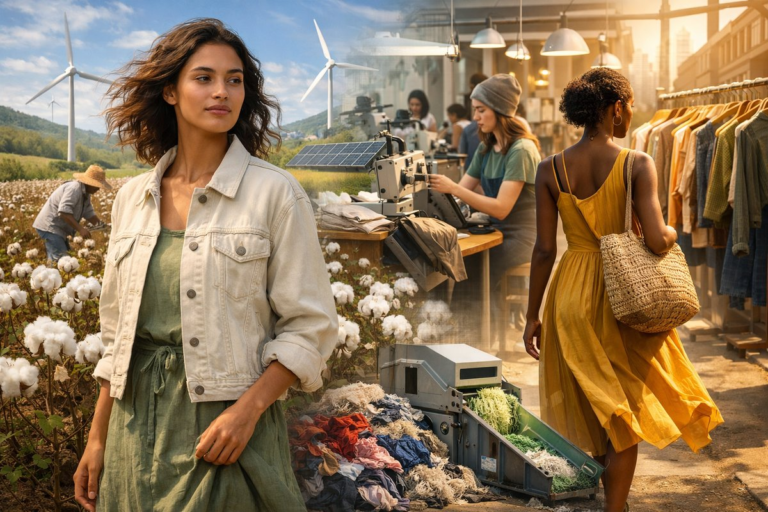
As afternoon light filters through the skylights of a bustling makerspace, hands deftly guide fabric through a machine calibrated to run on solar panels. Nearby, someone pinches a scrap of vintage denim, imagining how it might become the next statement sleeve. This scene could be anywhere from Copenhagen to São Paulo. What unites these spaces is a shared belief: that clothing carries the imprint of its maker and wearer, and that by mending, remixing, and reimagining, we can stitch a more resilient, creative, and sustainable culture-one stitch at a time.
Look for upcoming workshops in your community, explore open-source pattern libraries, or join a local mending café to experience firsthand how circular fashion is rewriting the rules. Whether you’re a seasoned seamstress or a complete sewing novice, there’s a place at the table-and a fabric scrap waiting for your imagination to transform it into something new.