Location
Mount Vernon, WA 98274

Location
Mount Vernon, WA 98274
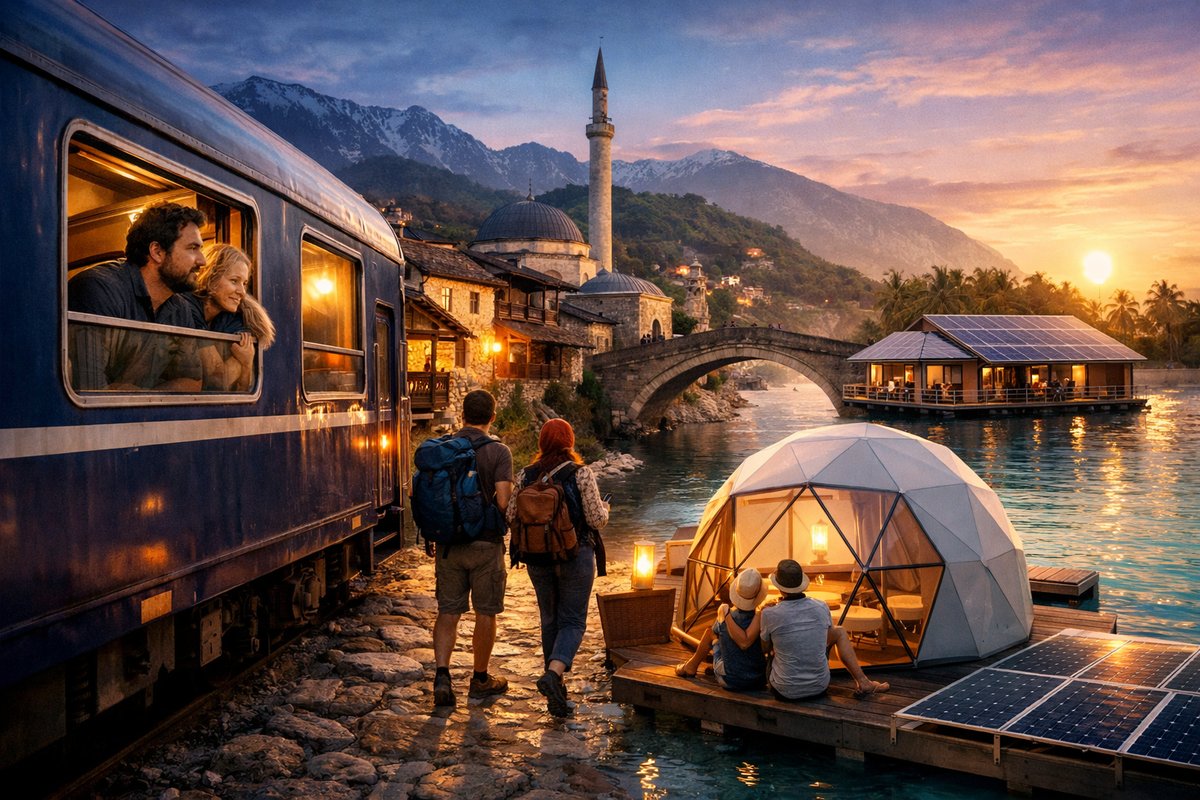
As travelers seek deeper connections and lower carbon footprints, Europe's night trains are making a comeback alongside off-grid eco-pods in remote atolls, reshaping the future of exploration. From immersive cultural trails in the Balkans to floating lodges powered by solar arrays, today's journeys blend high-tech convenience with ancient traditions, inviting us to reimagine what it means to roam.
As a midnight hush settles over the cobblestones of a historic train station, travelers board a sleek night sleeper bound from Paris to Berlin. Once a relic of a bygone era, this route has returned in full force, carrying eco-minded wanderers through moonlit landscapes. With cabin lights dimmed and a gentle lull of steel wheels on rails, the journey becomes part of the adventure. Each private compartment is equipped with USB charging ports, recyclable linens, and noise-reducing windows, while onboard kitchens serve locally sourced meals in compostable packaging. Across Europe, ridership on overnight trains has soared, inspiring operators to revive forgotten connections and launch new services. In an age of tightening emissions targets, these overnight liners offer an alternative to short-haul flights, combining the romance of railway travel with modern comforts. The state of motion itself is reinventing discovery.
Surveys from major rail networks report year-over-year growth in sleeper bookings of close to 40 percent, with new connections opening between Barcelona and Milan, Vienna and Warsaw, and Copenhagen and Zurich. Private operators have introduced double-deck sleeping cars, complete with panoramic windows for star-studded vistas. Travelers praise the reduced pre-flight stress, eliminated baggage fees, and carbon savings that can cut emissions by up to 80 percent compared to regional flights. Night trains carry a newfound sense of purpose, merging slow travel ethics with urban mobility demands. Governments across the continent are negotiating track upgrades and modern safety systems to accommodate the surge, signaling that the golden age of rail might be just beginning again.
Offshore from Northern Scandinavia, a cluster of floating lodges has emerged in a remote archipelago guarded by sea eagles and granite shoals. Each dwelling sits atop solar arrays that power underfloor heating and LED lighting, while greywater is filtered through natural reed beds. Guests drift between kayaks, guided snorkeling tours, and stargazing platforms built with reclaimed timber. Local fishers deliver daily catches to communal kitchens, and waste is returned to harbor centers for recycling. This living laboratory for sustainable design demonstrates how small-scale tourism can support fragile ecosystems. By booking direct through community cooperatives, visitors invest in coastal livelihoods and help fund biodiversity surveys that track seabird colonies.
Halfway across the globe, a remote South Pacific atoll recently opened its first low-impact eco-camp to small groups of adventurers seeking both solitude and service. Limited to twenty guests at a time, the camp features open-air crab nets for nighttime inspections of turtle nesting beaches, cultural workshops led by island elders, and solar-powered tents insulated with woven pandanus mats. Organizers enforce a strict leave-no-trace policy, ferrying all refuse back to the mainland for sorting and composting. This pilot project addresses overtourism by capping visitor numbers and gives revenue directly to local councils. Early feedback highlights the spiritual impact of walking silent sandbars beneath phosphorescent tides.
In the foothills of a former volcanic range, a new type of digital detox experience has taken shape. Along a 50-mile trail network, hikers pass through phone-free zones marked by carved wooden signposts. At each waypoint, solar-powered rest huts provide simple bunk platforms, filtered water, and word-puzzle journals for reflective writing. Away from distractions, participants practice observational exercises in forest bathing and night sky mapping guided by local naturalists. Wi-fi hot spots exist only at trailheads, ensuring that each section of the route is a deliberate act of unplugging. Travel planners say this hybrid of rustic infrastructure and designed silence appeals to visitors craving depth over data.
Meanwhile, a centuries-old pilgrimage route threading through the Balkans is drawing modern devotees on a new roving spiritual circuit. Pilgrims traverse limestone paths between monastic ruins and hilltop chapels carved into rock faces, stopping in villages where families offer home-cooked meals and simple lodgings. Sponsors have erected eco-friendly hostels at strategic intervals, installing rainwater catchment systems and compost-toilet facilities. Along the way, travelers can purchase artisanal woven shawls from women’s cooperatives or sample grape must from locally run vineyards. While the physical rigor of the trek reclaims the sense of striving, the cultural exchanges create empathy bridges between young travelers and aging rural communities.
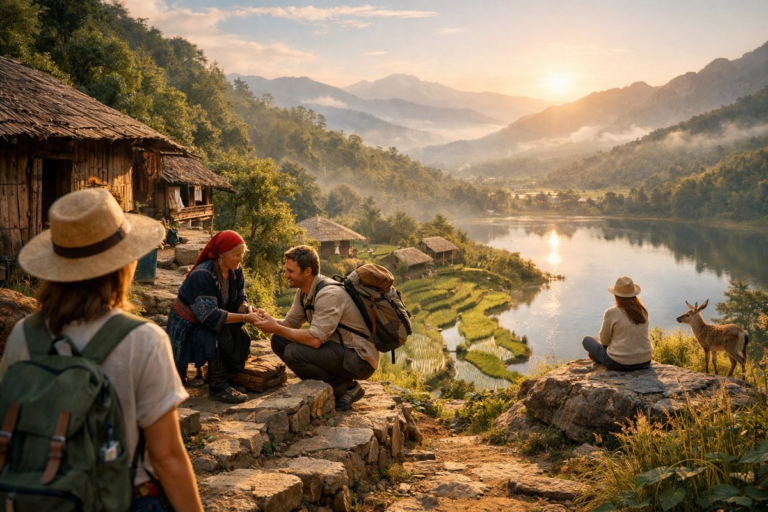
In Guatemala’s highlands, another form of slow travel is gaining momentum: craft retreats led by indigenous weavers. Tour groups arrive at family-run fincas where they learn to dye cotton with native plants, operate backstrap looms, and narrate textile patterns as coded histories. Accommodations consist of converted colonial cabins under thatched roofs, with solar water heaters and gravity-fed showers. Profits support land conservation efforts and seed banks for heirloom crops. Visitors say that weaving sessions foster cross-cultural dialogue, transforming souvenirs into stories of resilience. As the global artisan economy expands, this hands-on approach to heritage tourism offers a replicable model for other regions seeking to preserve both living crafts and community well-being.
Taken together, these diverse experiments reflect a broader pivot in the travel industry toward sustainability and social impact. International tourism boards report that nearly half of all travelers now consider environmental credentials when planning a trip, and two-thirds seek opportunities to give back to communities. Carbon offset programs linked to rail ticketing platforms have diverted more than 200,000 metric tons of CO2 to conservation projects. Meanwhile, small-group experiences in remote areas are designed to minimize ecosystem disturbance and maximize local employment. Economists note that travel dollars spent in rural economies often yield up to four times the community benefit of mass market resorts, underscoring the value of scale-conscious planning.
Industry voices believe this wave is more than a passing trend. A senior analyst at a global travel consultancy observes that experiential offerings anchored in place-specific narratives increasingly outperform generic packages. Local operators developing new routes and lodgings report waiting lists extending into next spring, prompting calls for strategic infrastructure investment. While some critics warn of greenwashing risks, the balance between regulation and innovation seems to be tilting toward authenticity. Advocacy groups are pushing for standardized eco-certification badges that reflect true social and ecological performance, moving beyond self-reported metrics. As demand for deeper, slower, and kinder travel grows, the sector braces for another reinvention.
For travelers inspired by these evolving possibilities, planning tools have also matured. Open-source mapping platforms now integrate sustainable itineraries curated by local guides, complete with accommodation options vetted for carbon neutrality and fair-wage policies. Micro-loan marketplaces allow curious explorers to fund community projects in exchange for on-ground access to workshops and homestays. Peer-reviewed safety alerts for remote islands or mountain passes ensure that risk-averse visitors still enjoy off-grid thrills. Climate-adjusted calendars advise on low-impact travel windows, avoiding peak seasons that strain fragile landscapes. By weaving these resources into trip planning, modern voyagers can chart courses that align with personal values as much as scenic vistas.
Whether drifting through maritime fjords on a solar raft or tracing ancient pilgrimage tracks beneath Balkan peaks, the act of going has become an intentional practice. Travelers report that quiet moments on night trains carry the same weight as summit vistas, and that storytelling exchanges in craft workshops linger longer than postcard snapshots. In an era of fleeting digital impressions, these encounters ground us in time, place, and community. As each journey unfolds, we discover that destinations are not static backdrops but living companions, shaping both our outer experiences and inner transformations.
The latest news in travel hints at a horizon where low-carbon motion, cultural stewardship, and reflective silence converge. From revamped sleeper trains to off-grid eco-camps, the options for mindful exploration multiply each season. Beyond being mere itineraries, these paths invite travelers to cultivate curiosity, forge genuine connections, and carry lessons home. In this unfolding landscape, the truest souvenirs may not be photos or trinkets but the narratives we craft as citizens of a planet in motion.